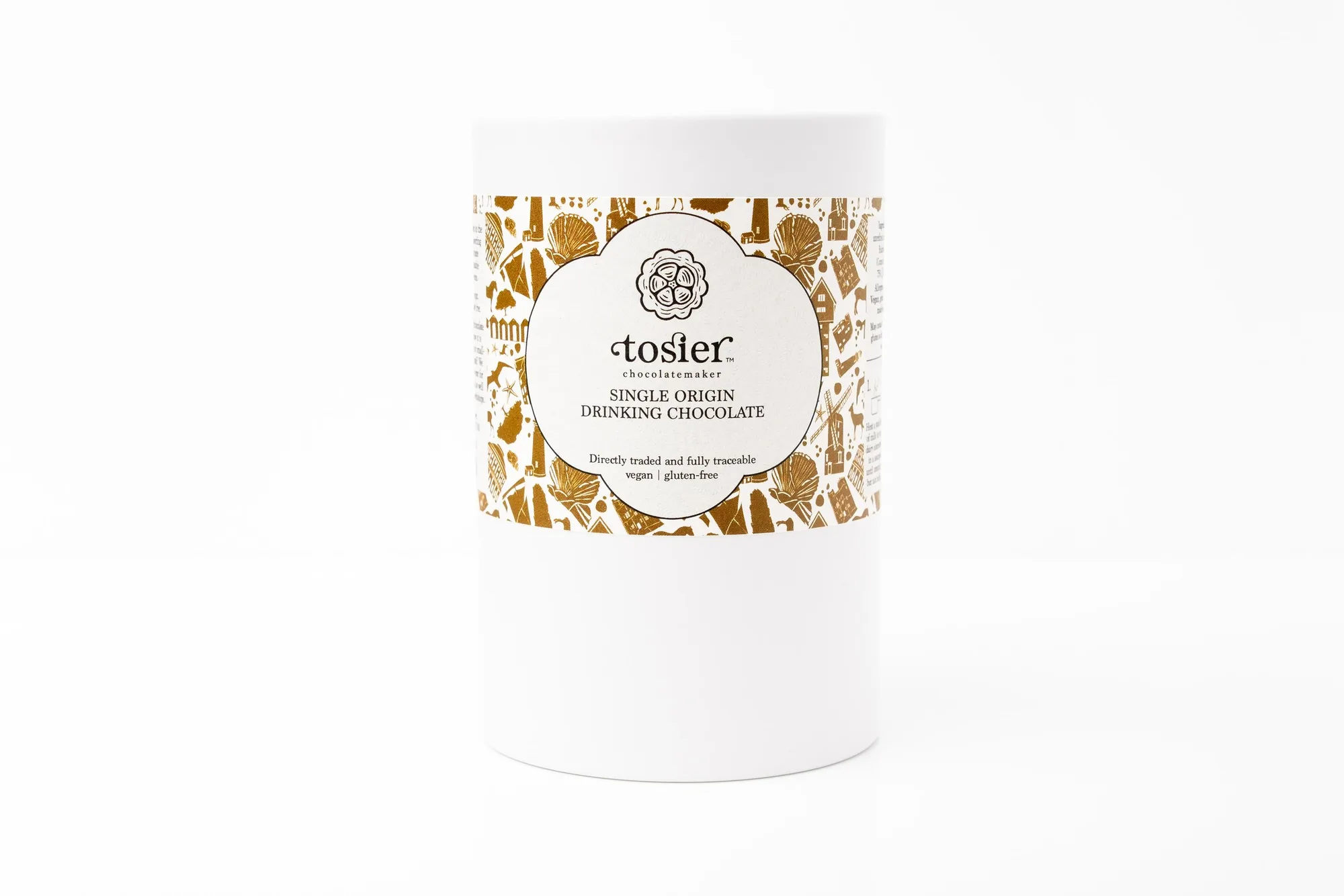
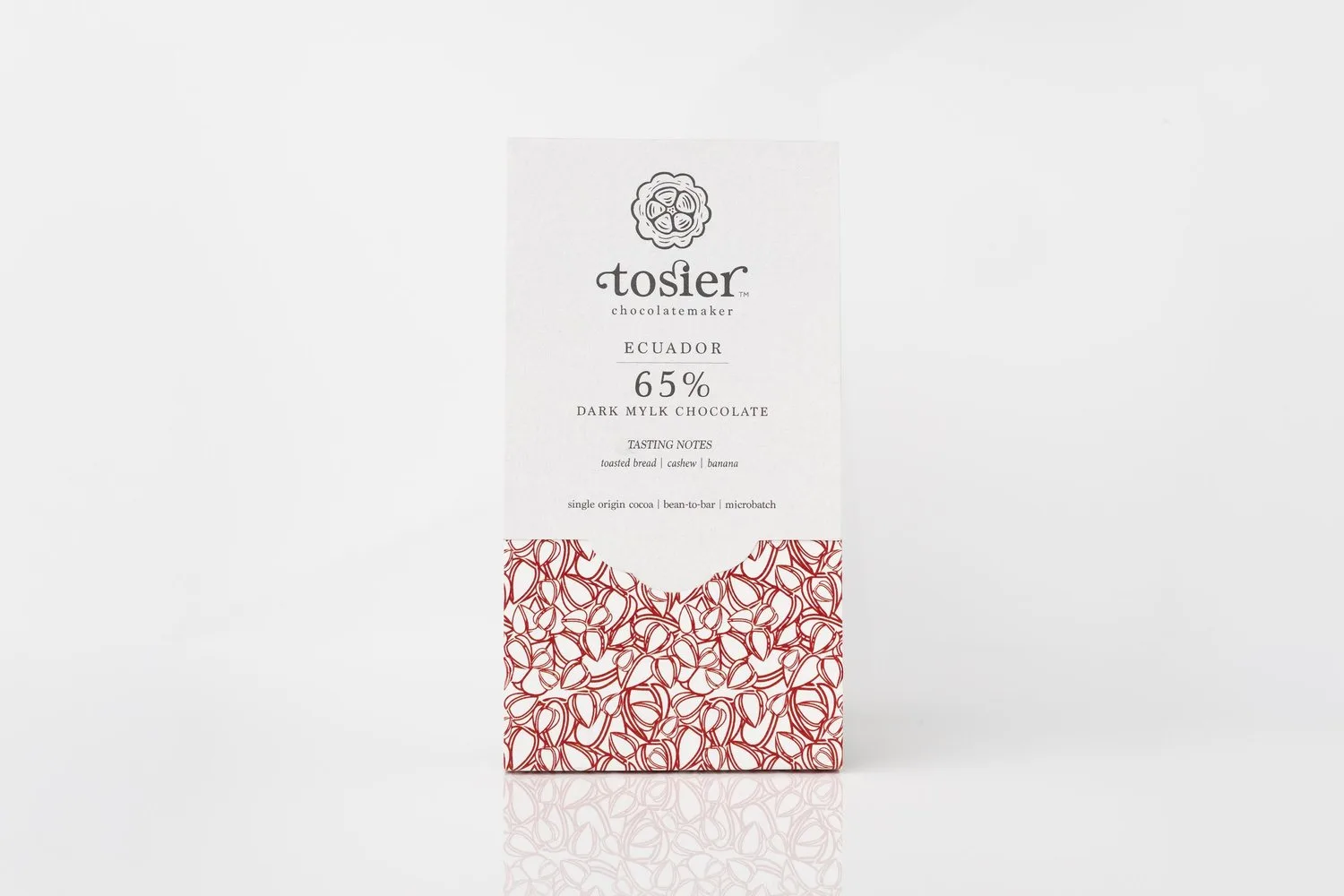
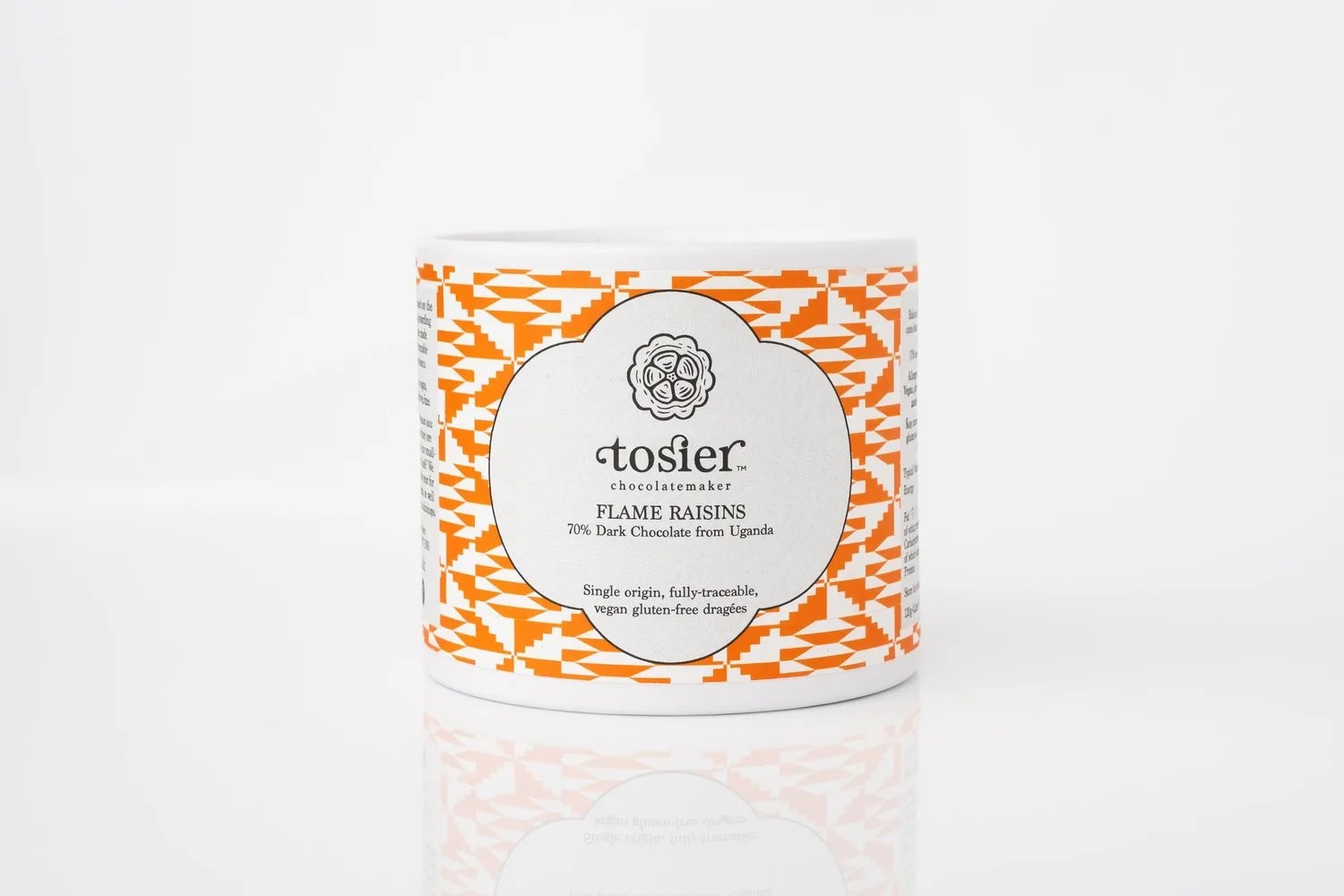
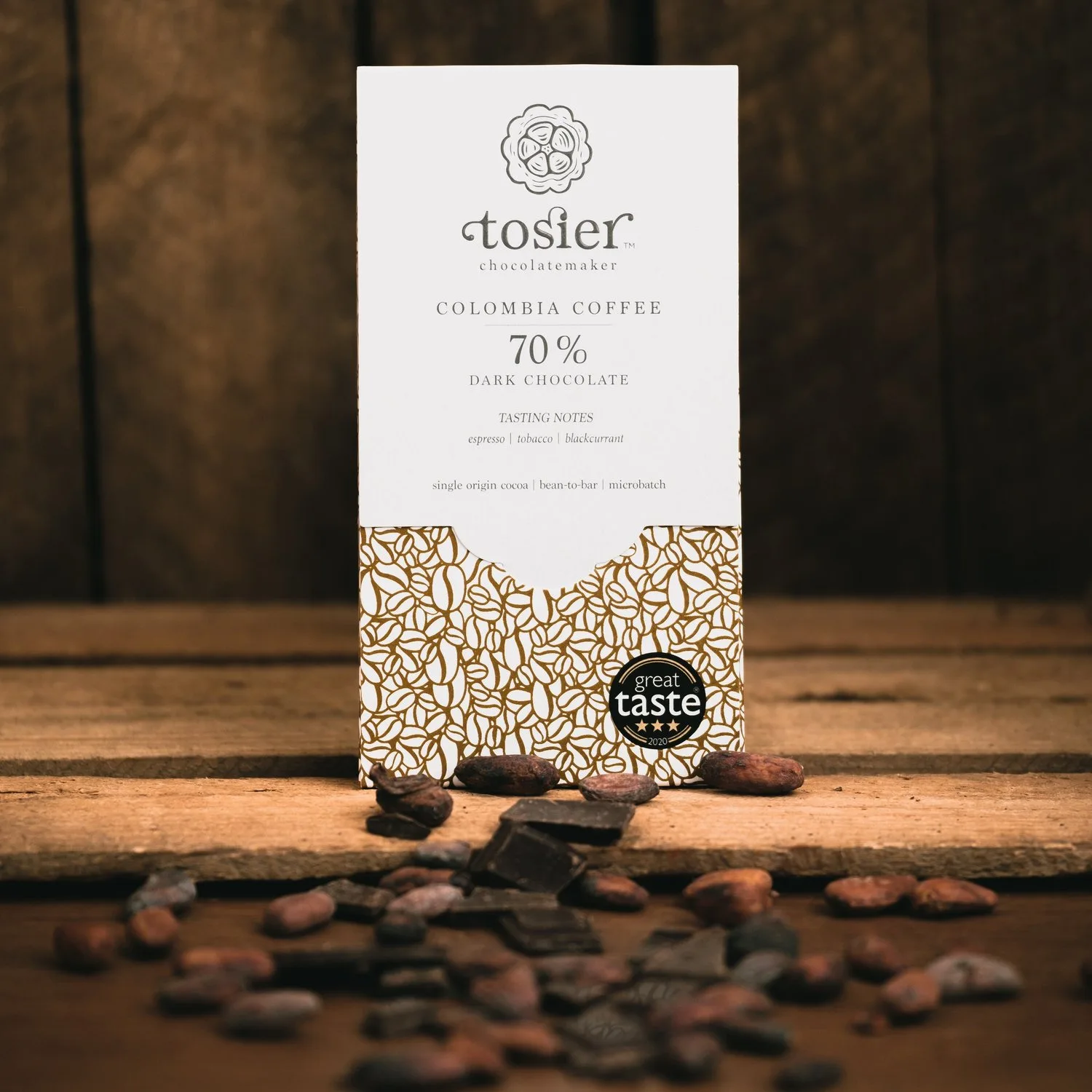
You’ve just received a beautiful shipment of craft chocolate — single-origin bars, crunchy cocoa nibs, and delicate chocolate-coated coffee beans. You want every bite to taste as vibrant as the day it was made. But how you store chocolate can make the difference between a sublime, snappy experience and a dull, chalky disappointment.
Proper chocolate storage isn’t just about preventing melting. It’s about preserving the nuanced flavour notes that artisan makers work so hard to develop. In this guide, we’ll cover the ideal temperature, humidity, light exposure, and container choices — plus how to handle common issues like fat bloom and sugar bloom. Whether you’re saving a special bar for months or just keeping your daily treat fresh, these tips will help you enjoy chocolate at its peak.
The Ideal Temperature for Storing Chocolate
Chocolate is sensitive to temperature. The sweet spot for storing most chocolate — from dark bars to milk-based dragées — is between 15°C and 18°C (59°F to 64°F). At this range, the cocoa butter remains stable, and the chocolate retains its glossy sheen and satisfying snap. Temperatures above 21°C can cause the cocoa butter to separate and rise to the surface, creating a white or greyish film known as fat bloom. While bloomed chocolate is still safe to eat, its texture becomes grainy and its flavour may be muted.
If you live in a warm climate or don’t have a cool pantry, consider storing chocolate in the refrigerator — but only with proper precautions. Place the chocolate in an airtight container to protect it from moisture and odours. When you take it out, let it come to room temperature slowly (still in the container) to avoid condensation, which can cause sugar bloom. For short-term storage of opened bars or treats like the Whole Peaberry coffee beans coated with 70% Dark Chocolate, a cool, dark cupboard is usually sufficient.
- Avoid storing chocolate near the oven, dishwasher, or in direct sunlight.
- If refrigerating, wrap chocolate tightly in foil or a resealable bag before placing in an airtight container.
Humidity and Odour: The Hidden Enemies
Chocolate is hygroscopic — it readily absorbs moisture and odours from the air. High humidity (above 70%) can lead to sugar bloom, where moisture dissolves sugar crystals on the surface, leaving a dull, gritty white layer when the water evaporates. This is especially common in refrigerators or damp basements. For this reason, storing chocolate in the fridge requires an airtight seal. A simple trick is to place a sheet of paper towel inside the container to absorb excess moisture.
Even more insidious are odours. Chocolate acts like a sponge for strong smells — garlic, onion, spices, or even perfumed cleaning products can taint its delicate flavour. Always store chocolate away from aromatic foods and in a dedicated container or drawer. The same principle applies to cocoa nibs and chocolate-coated items. For example, the Single origin cocoa nibs - freshly roasted, cracked and winnowed to order — Tosier Chocolatemaker are best kept in a glass jar with a tight lid, away from the spice rack.
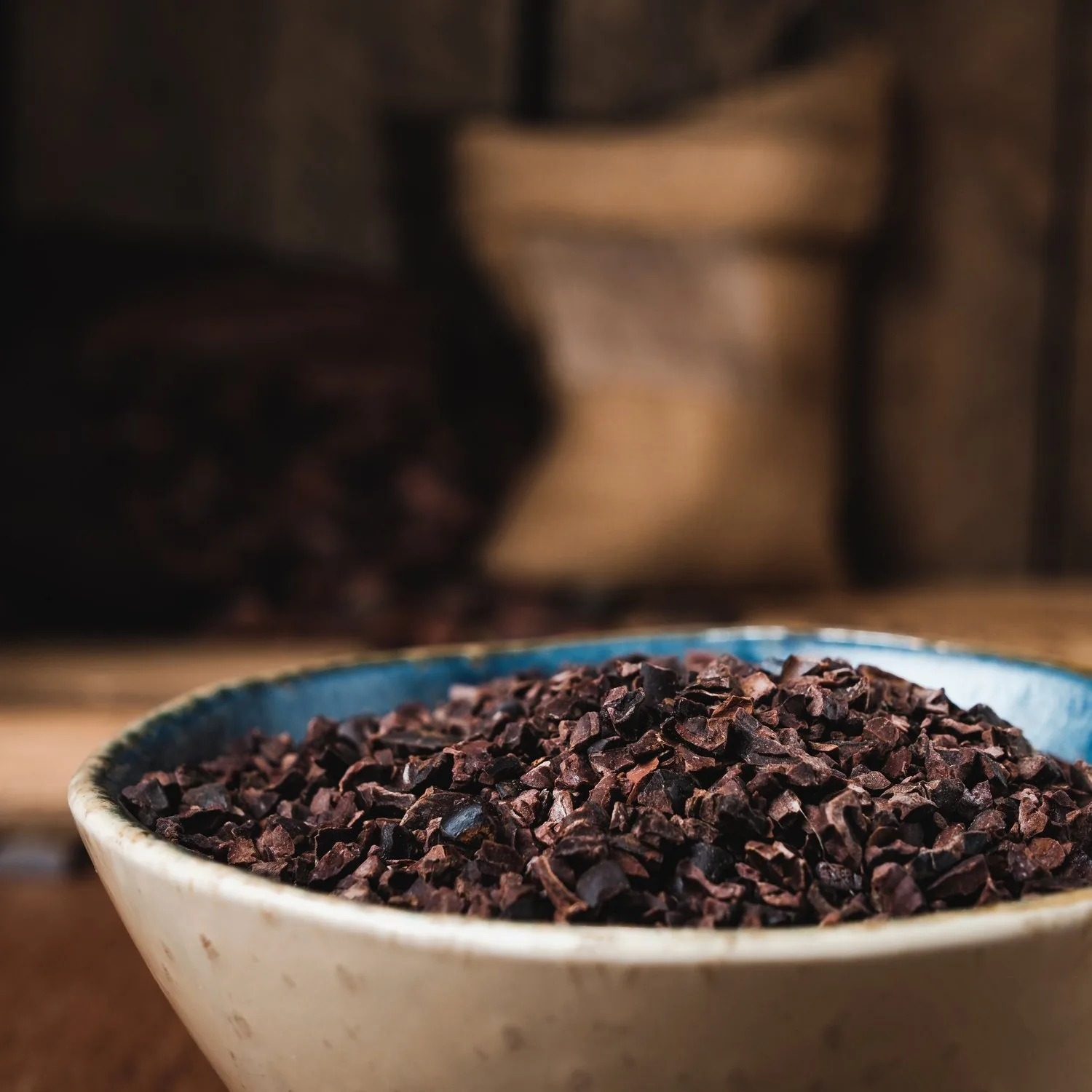
Single origin cocoa nibs - freshly roasted, cracked and winnowed to order — Tosier Chocolatemaker
- Use glass or food-grade plastic containers with airtight seals.
- Never store chocolate in the same container as onions, garlic, or strong cheeses.
Light Exposure: Keep It in the Dark
Light, especially sunlight and fluorescent light, can accelerate the oxidation of cocoa butter and cause off-flavours over time. This is why most artisan chocolate bars come wrapped in foil and paper — the packaging is designed to block light. Once you open a bar, it’s wise to rewrap it in its original foil or transfer it to an opaque container. A dark pantry or cupboard is ideal.
If you’re displaying chocolate on a counter, choose a spot that doesn’t receive direct sun. Even indirect light from a bright kitchen window can degrade quality over weeks. For long-term storage of multiple bars, such as a Craft Chocolate Six Bar Pack — Tosier Chocolatemaker, consider a dedicated drawer or a lidded box. This also helps maintain a consistent temperature, which is more important than many people realise.
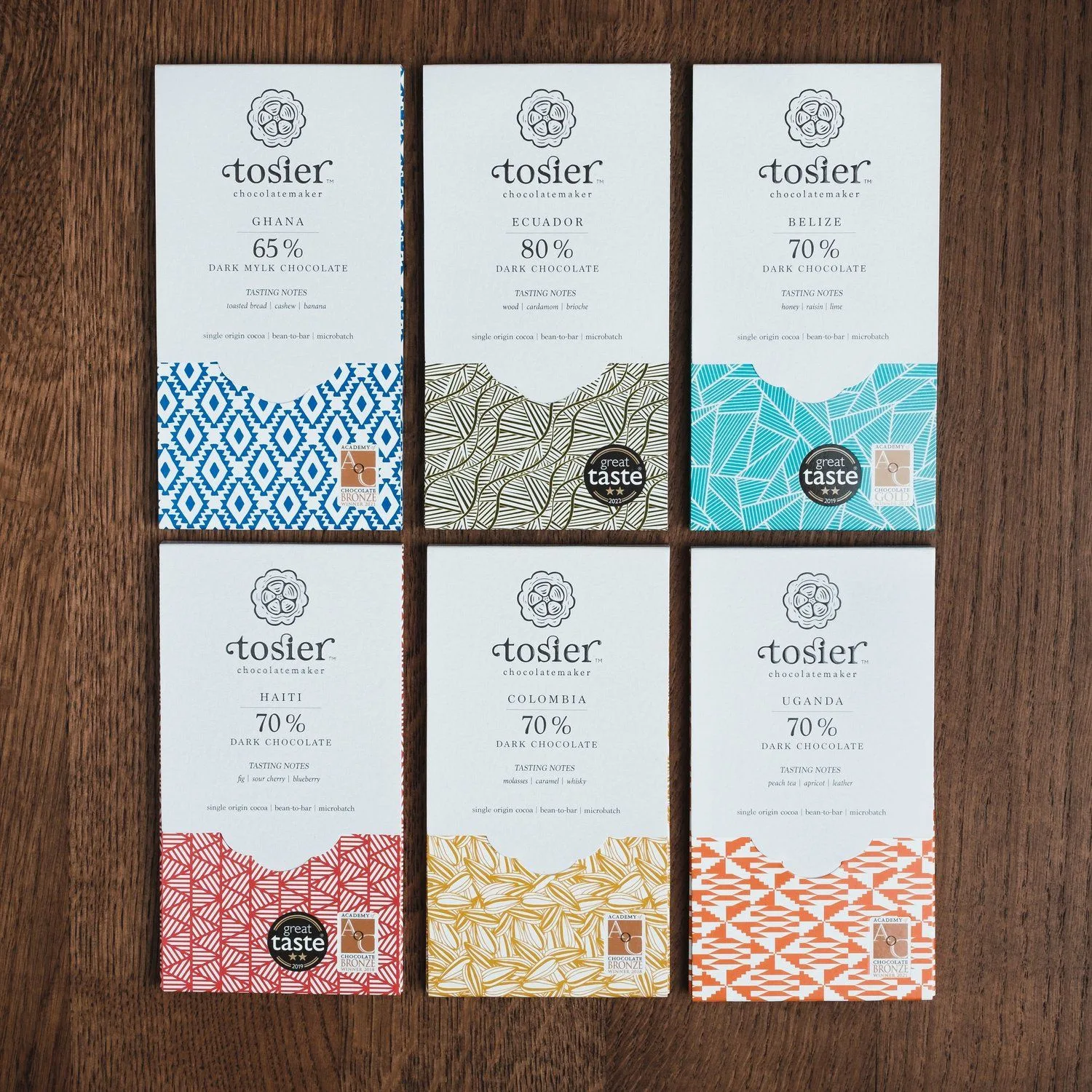
Craft Chocolate Six Bar Pack — Tosier Chocolatemaker
- Keep chocolate in its original wrapper until you’re ready to eat it.
- If you buy in bulk, store unopened bars in a cool, dark place like a basement or closet.
How Long Does Chocolate Last? Shelf Life Guidelines
The shelf life of chocolate depends on its ingredients and how it’s stored. Dark chocolate with a high cocoa percentage (70% or more) can last up to two years if kept properly, because the antioxidants in cocoa help preserve it. Milk and white chocolate have a shorter shelf life — typically 6 to 12 months — due to the milk solids that can spoil. Fillings and inclusions also reduce longevity: nuts, dried fruit, and coffee beans add flavour but also introduce oils and moisture that can accelerate rancidity.
For example, a bar like the 70% Maya Mountain, Belize 2025 Harvest 60g Gold AoC Award is a pure dark chocolate that will age gracefully for many months, while a product with inclusions — such as Crystallised Ginger | 80% Ecuador dragées — may be best enjoyed within three to six months. Always check the best-before date on the packaging, but trust your senses: if chocolate smells off, looks heavily bloomed, or tastes stale, it’s past its prime.
- Label opened chocolate with the date you opened it.
- For maximum freshness, buy smaller quantities more often rather than stockpiling.
Common Storage Mistakes to Avoid
Even experienced chocolate lovers make mistakes. One of the most common is storing chocolate in the freezer without proper wrapping. Freezer burn and condensation can ruin texture and flavour. If you must freeze chocolate (for long-term storage of unopened bars), wrap it in multiple layers: first in plastic wrap, then in foil, and finally in a freezer bag. Thaw it in the refrigerator overnight, then bring it to room temperature before opening.
Another frequent error is keeping chocolate in the refrigerator door, where temperature fluctuates every time the door opens. Instead, place it in the back of the fridge where conditions are more stable. Finally, don’t assume that all chocolate is the same — treat each product according to its ingredients. A delicate dragée like the Flame Raisins | 70% Uganda Semuliki Forest dragées benefits from the same care as a single-origin bar, but its raisin centre makes it slightly more perishable.
- Never store chocolate in the fridge door or near the freezer vent.
- Avoid storing chocolate next to fruits like apples or bananas, which emit ethylene gas that can speed spoilage.
Mastering chocolate storage is simple once you know the basics: keep it cool, dark, dry, and airtight. By following these guidelines, you’ll preserve the complex flavours and silky texture that make artisan chocolate so special. Ready to stock up on fresh, carefully crafted treats? Explore our Craft Chocolate Six Bar Pack — Tosier Chocolatemaker and discover a world of flavour that deserves the best storage care.