Chutney is a beloved condiment that adds a burst of sweet, tangy, or spicy flavour to cheese boards, sandwiches, and roasted meats. But once you’ve cracked open that jar, how do you keep it tasting its best? Proper storage is key to preventing spoilage, preserving texture, and extending shelf life. In this guide, we’ll walk you through everything you need to know about how to store chutney after opening, so you can enjoy every last spoonful.
Whether you’ve just opened a jar of Rhubarb & Gin Chutney or a classic fruit chutney, following a few simple rules will ensure your chutney stays fresh and delicious. From refrigeration tips to avoiding cross-contamination, these chutney storage tips will help you get the most out of your purchase.
Why Proper Chutney Storage Matters
Chutneys are typically made with fruit, sugar, vinegar, and spices — a combination that gives them a naturally long shelf life when unopened. However, once the seal is broken, exposure to air, moisture, and bacteria can cause the chutney to spoil or develop off-flavours. Proper storage not only preserves the taste but also maintains the chutney's texture, preventing it from becoming too runny or crystallised.
For cheese lovers, chutney is a staple accompaniment. A well-stored chutney can elevate a cheese board or a simple cracker with cheese into a memorable tasting experience. That’s why knowing how to store chutney after opening is essential for anyone who enjoys pairing it with fine cheeses.
- Always use a clean, dry spoon to scoop out chutney to avoid introducing bacteria.
- Do not return unused chutney from a serving bowl back into the original jar.
The Golden Rule: Refrigerate After Opening
The most important rule for open chutney care is to refrigerate it immediately after each use. While the vinegar and sugar in chutney act as natural preservatives, refrigeration slows down enzymatic reactions and microbial growth, keeping your chutney fresh for weeks or even months. Most chutneys will last 3 to 6 months in the fridge after opening, though always check the label for specific guidance.
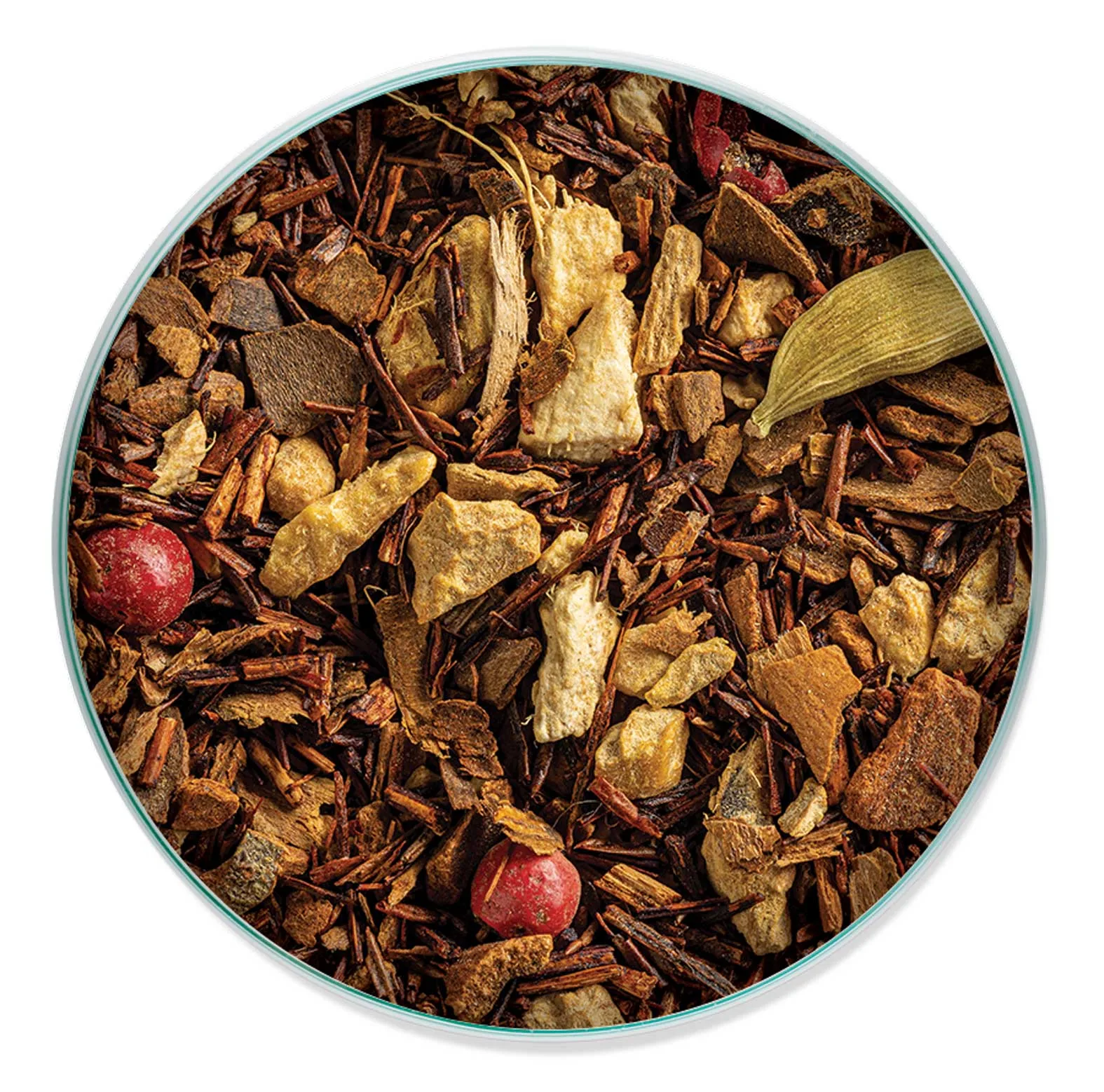
Take, for example, the Rhubarb & Gin Chutney. Its fruit base and subtle gin notes are best preserved when kept cool. Storing it in the fridge ensures that the rhubarb retains its bright flavour and the gin doesn't fade. Similarly, a savoury option like Casalinga Borettane Onions in Balsamic Vinegar of Modena PGI benefits from refrigeration to maintain its crisp texture and balsamic tang.
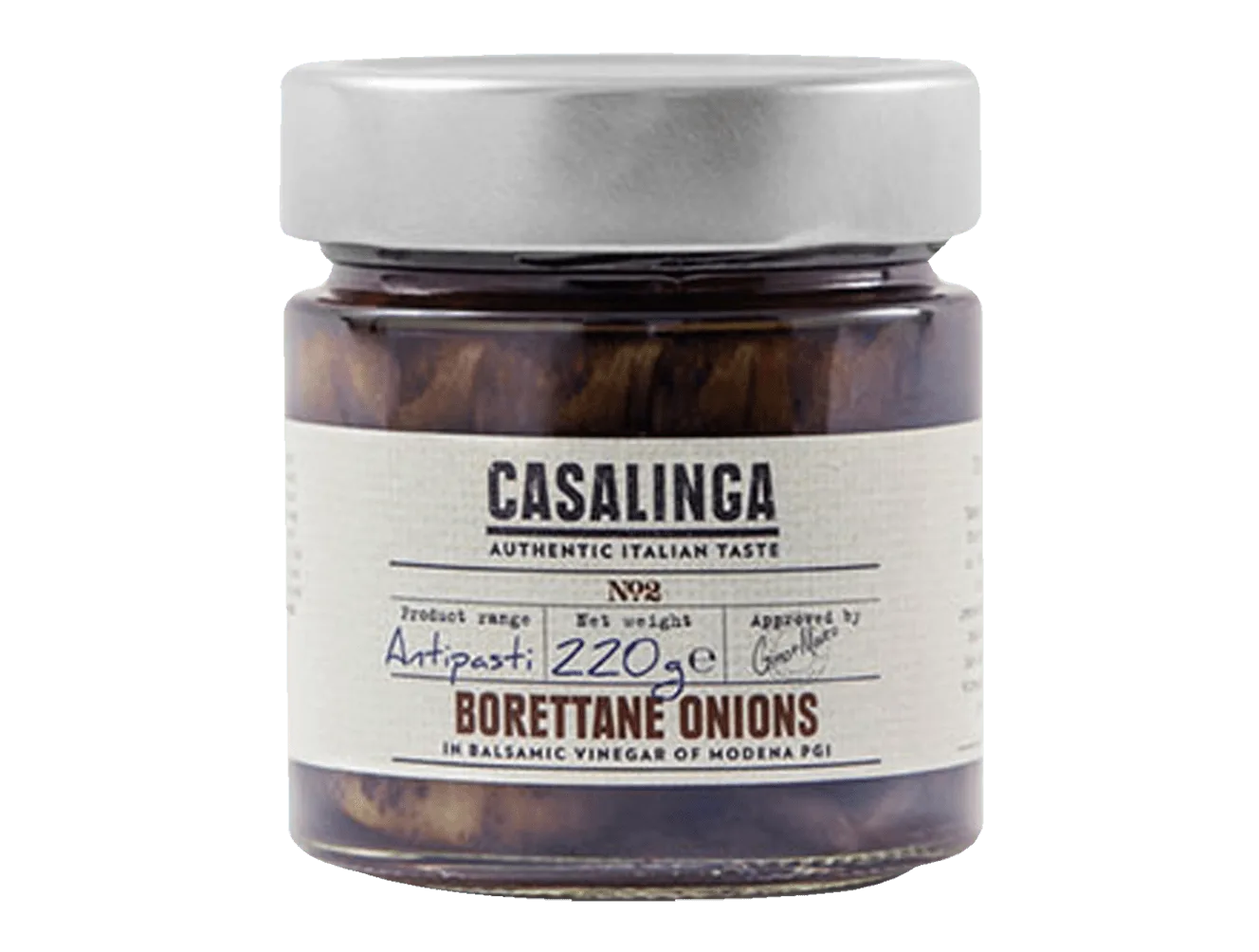
Casalinga Borettane Onions in Balsamic Vinegar of Modena PGI
- Store chutney in the main body of the fridge, not the door, where temperatures fluctuate more.
- Keep the jar tightly sealed when not in use to prevent odour absorption from other foods.
Choosing the Right Container
If you’ve transferred chutney to a different container, choose one that is airtight and made of glass or food-grade plastic. Avoid metal containers, as the acidity in chutney can react with metal and alter the flavour. Glass jars with rubber seals or screw-top lids are ideal. If you’re portioning chutney for a cheese board or gift, small glass jars work perfectly.
For those who enjoy a variety of accompaniments, having a dedicated chutney container can be a game-changer. It keeps the chutney fresh and makes it easy to grab when assembling a cheese board. Pairing it with cheeses from a Cheese & Wine Gift Basket or a Cheese & Port Lover's Hamper becomes effortless when your chutneys are properly stored and ready to use.
- Always wash and dry containers thoroughly before transferring chutney.
- Label containers with the date of opening to track freshness.
How to Tell If Chutney Has Gone Bad
Even with the best storage, chutney can eventually spoil. Signs of spoilage include mould growth on the surface, an off or fermented smell, a change in colour, or a fizzy texture. If you notice any of these, it’s best to discard the chutney. Trust your senses — if it looks or smells unusual, don’t risk it.
To maximise the shelf life of your open chutney, always use a clean utensil each time you dip into the jar. This simple habit prevents introducing bacteria that can accelerate spoilage. If you’re unsure about a jar you’ve had for a while, check the manufacturer’s guidance. Most chutneys, like the Rhubarb & Gin Chutney 114g (CA), will have a 'refrigerate after opening' label with a recommended consumption period.
- Mould is a clear sign of spoilage — discard the entire jar.
- If the chutney smells yeasty or like alcohol, it has likely fermented.
Bonus Tips for Chutney Lovers
To keep your chutney collection organised and fresh, consider these extra tips: store chutneys away from strong-smelling foods like onions or garlic, as they can absorb odours. If you have multiple jars, rotate them so older ones are used first. For long-term storage, you can freeze chutney in small portions — just leave headspace in the container as it expands.
Finally, remember that chutney is a versatile condiment. A well-stored jar of Rhubarb & Gin Chutney can be used not only on cheese boards but also as a glaze for meats, a spread for sandwiches, or a topping for roasted vegetables. Keeping it fresh ensures you can enjoy its full potential whenever inspiration strikes.
- Freeze chutney in ice cube trays for easy portioning.
- Use a dedicated chutney spoon to avoid cross-contamination.
Storing chutney after opening doesn’t have to be complicated. With a few simple habits — refrigerate, seal tightly, and use clean utensils — you can keep your favourite chutneys fresh and flavourful for months. Ready to stock up? Explore our selection of premium chutneys, including the delightful Rhubarb & Gin Chutney, and elevate your cheese board experience today.