Why Cigar Storage Matters
Cigars like the Santa Clara 1830 Quino and the Balmoral Dominican Corona are crafted with care—from their wrappers to their fillers. Proper storage keeps their natural tobacco character intact and prevents them from drying out or becoming too moist.
The goal is to maintain a stable environment that mimics the conditions where the cigars were aged. A dedicated humidor is the most reliable tool for this, but even without one, you can take steps to protect your cigars.
The Role of a Humidor
A humidor is a sealed container designed to hold a consistent relative humidity, typically using a humidifier device and a hygrometer to monitor levels. For long-term storage, this is the standard choice.
Without a humidor, cigars can lose moisture in a few days, especially in dry climates. If you plan to smoke your cigars within a week, a sealed plastic bag with a small damp sponge can work as a temporary solution, but it is not ideal for extended periods.
Humidity and Temperature Basics
Cigars absorb and release moisture, so keeping the environment stable is key. While exact numbers depend on your specific conditions, the general principle is to avoid extremes: too dry and the wrapper cracks, too humid and mold can develop.
The Santa Clara 1830 Quino has a natural, thicker wrapper with a rough texture. This wrapper is more forgiving than delicate wrappers, but it still benefits from steady humidity. The Balmoral Dominican Corona, with its milder profile, also needs consistent care to preserve its flavor.
What the Catalog Confirms About These Cigars
-
Santa Clara 1830 Quino: Santa Clara 1830 Quino is a longfiller cigar from Mexico, with a San Andres wrapper that has a thicker, rougher structure. The wrapper's texture means it can handle slight humidity variations better than thinner wrappers, but it still requires stable storage to avoid cracking.
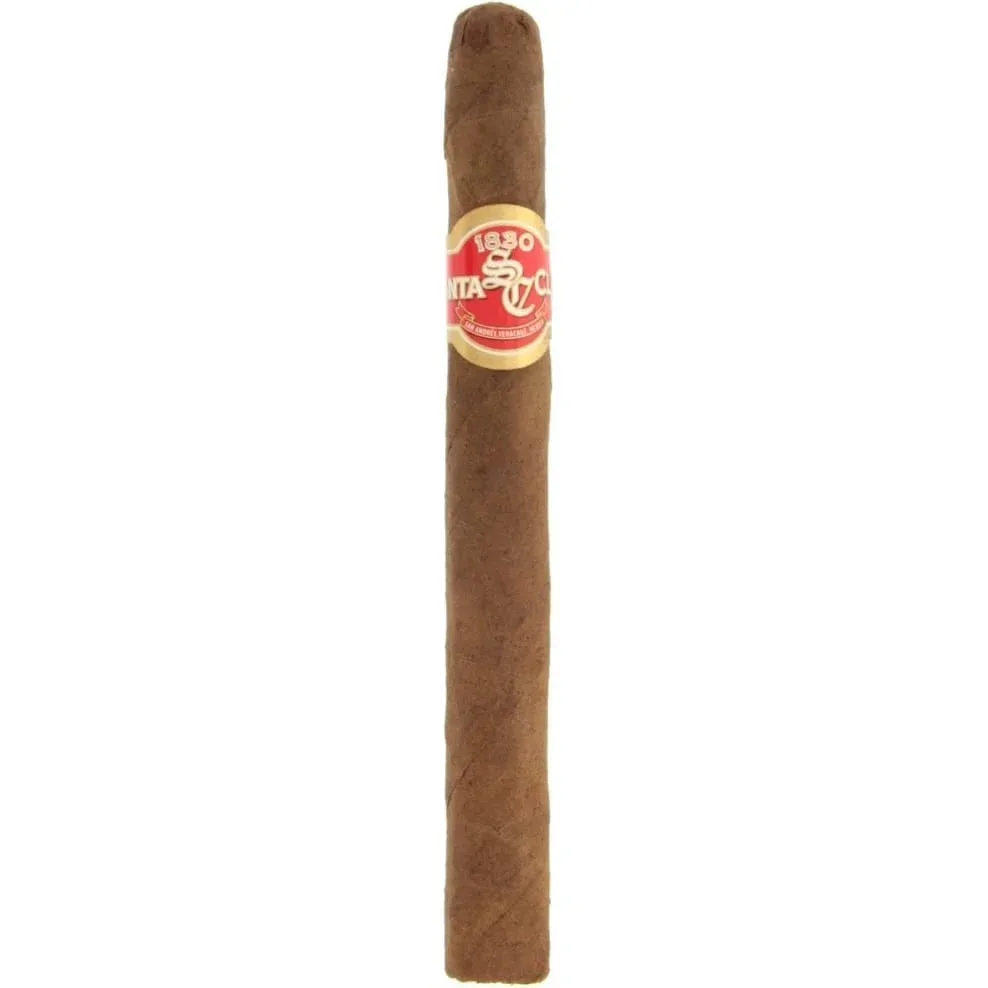
Santa Clara 1830 Quino
-
Balmoral Dominican Corona Cigar: Balmoral Dominican Corona is a corona-format cigar with a mild to medium strength, made in the Dominican Republic. Its milder profile can be more sensitive to storage conditions; proper humidity helps maintain its intended balance.
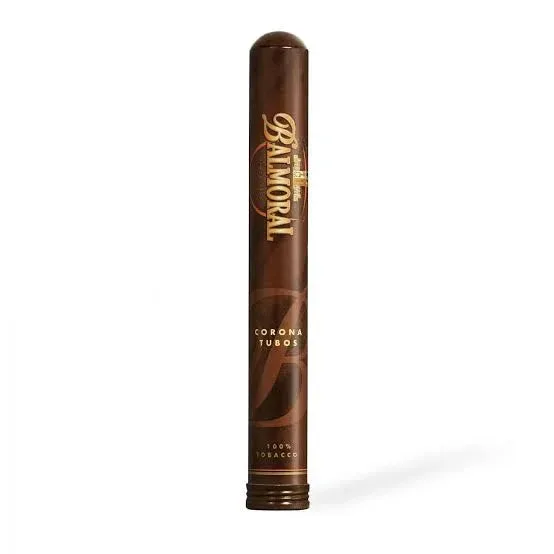
Balmoral Dominican Corona Cigar
Practical Steps for Storing Cigars
- Choose a storage container: A humidor is best. If you do not have one, use an airtight plastic box or a resealable bag. Avoid wooden boxes that are not sealed, as they can dry out cigars.
- Add a humidity source: Use a humidifier device designed for cigars, or a small damp sponge. Check the humidity regularly with a hygrometer. Do not let the sponge touch the cigars directly.
- Keep the temperature stable: Store cigars in a cool, dark place away from direct sunlight and heat sources. A closet or drawer works well. Avoid places with large temperature swings like near windows or radiators.
- Handle cigars gently: The Santa Clara 1830 Quino has a rough wrapper, but it can still be damaged by rough handling. Hold cigars by the band or the foot to avoid crushing the wrapper.
- Monitor regularly: Check the humidity every few days. If the sponge dries out, re-dampen it. If the cigars feel dry, increase humidity gradually. If they feel damp or smell musty, reduce humidity and allow airflow.
What the Catalog Does Not Confirm
The supplied information does not include specific humidity or temperature ranges for these cigars, nor does it provide preparation or operating instructions. For precise storage conditions, refer to the product packaging or consult a cigar specialist.
Always store cigars away from strong odors, as they can absorb smells from their environment. This is a general practice for all cigars, not a claim specific to these products.