Your dinnerware and flatware are daily essentials—and often cherished pieces that define your table. Whether you own a simple set of everyday plates or heirloom china, proper storage is the key to keeping them looking beautiful for years. Chipped rims, scratched surfaces, and tarnished silverware are common frustrations that can be easily avoided with a few smart habits.
In this guide, we’ll walk you through the best ways to store plates, bowls, and flatware without damage. From stacking techniques to anti-tarnish solutions, these tips will help you protect your investment and keep your tabletop ready for any occasion.
Why Proper Dinnerware Storage Matters
Dinnerware is often made from materials like porcelain, stoneware, or earthenware—all of which can chip or crack if handled carelessly. Even sturdy ceramic plates can develop hairline fractures when stacked without padding. Additionally, stacking heavy plates on top of lighter ones can cause stress points that lead to breakage over time.
Flatware faces its own set of challenges. Silver-plated or stainless steel utensils can scratch each other when jumbled together in a drawer. Worse, silver flatware tarnishes quickly when exposed to air, humidity, and certain foods. Proper storage not only preserves appearance but also ensures hygiene and ease of use.
- Use felt or cork liners between plates to prevent scratching.
- Store flatware in a divided tray to keep each piece separate.
- Keep silver flatware in anti-tarnish cloth rolls or chests.
How to Stack Plates Safely
Stacking plates is the most common storage method, but it’s also where most damage occurs. Always place a soft liner—such as a felt pad, paper plate, or cloth napkin—between each plate. This cushions the rims and prevents glaze-on-glaze friction that can cause micro-scratches.
Never stack more than six to eight plates in a single pile. The weight of a tall stack can crack the bottom plates, especially if they are delicate or have raised rims. For valuable china, consider storing plates vertically in a plate rack—this eliminates stacking pressure entirely and makes it easy to access individual pieces without disturbing others.
- Store dinner plates and smaller plates in separate stacks.
- For fine china, use plate racks or padded storage boxes.
- Avoid stacking bowls inside plates—uneven surfaces cause stress.
Storing Bowls and Serveware
Bowls should be nested carefully, but never forced. If bowls taper inward, place a soft cloth or paper towel between them to prevent the inner glaze from rubbing against the outer surface. For large serving bowls, wrap them individually in bubble wrap or soft cloth and store them on a sturdy shelf where they won't be bumped.
Serveware like platters and serving dishes often have irregular shapes. Store them upright or on their sides with padding. The Serve Platter from Material is a beautiful example of a piece that deserves careful storage—its large surface can easily chip if stacked under heavier items. Always give serveware its own dedicated space.
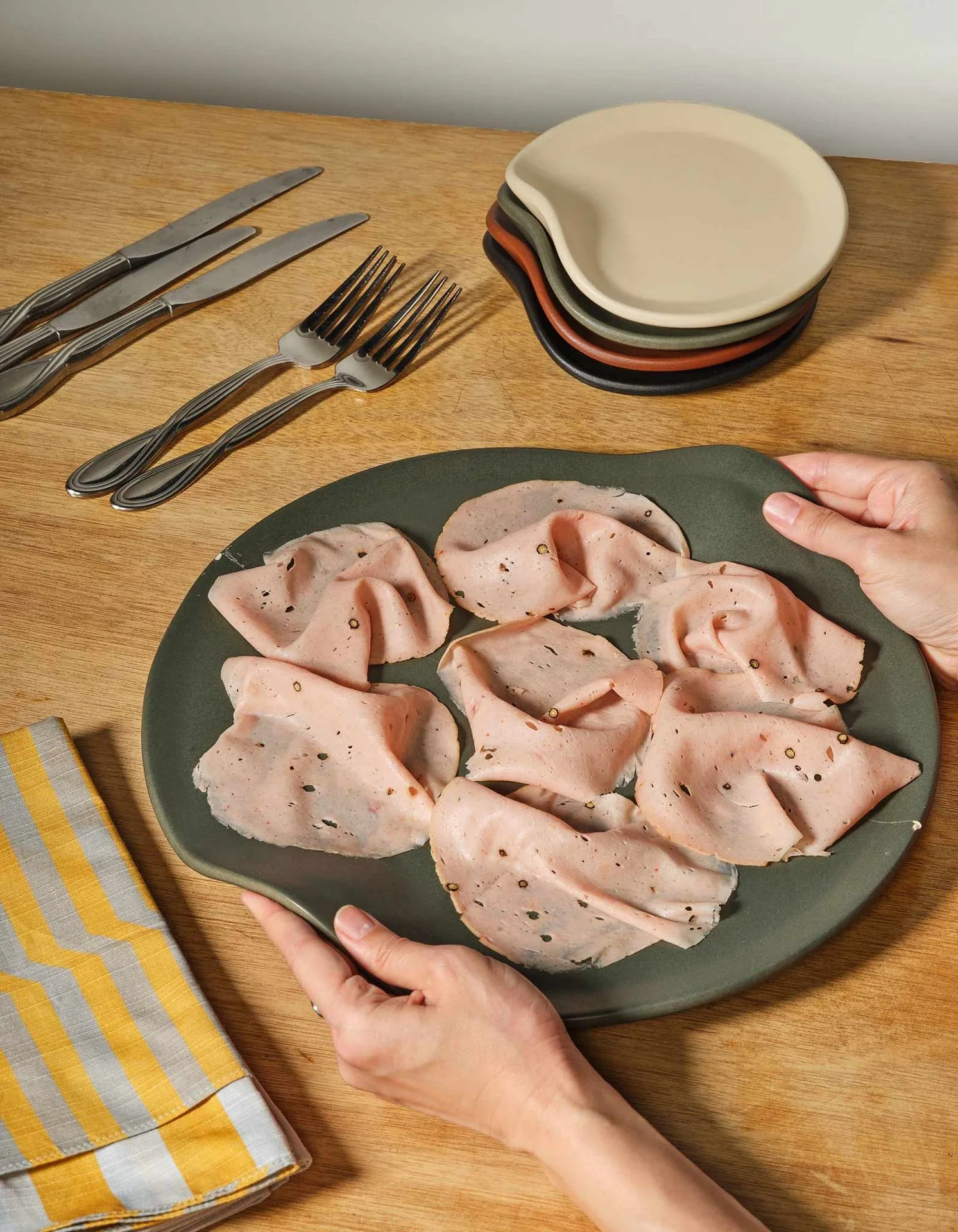
Serve Platter
- Wrap large bowls in a lint-free cloth before stacking.
- Store platters vertically in a slotted rack if possible.
- Keep lids of casserole dishes next to their bases, not stacked on top.
Flatware Storage: Prevent Scratches and Tarnish
Flatware should never be tossed loosely into a drawer. The constant rubbing causes scratches and dulls the finish. Invest in a divided flatware tray or a felt-lined drawer organizer. Each piece should have its own slot—forks, knives, and spoons should be separated to avoid metal-on-metal contact.
For silver-plated or sterling flatware, tarnish is the enemy. Store it in an anti-tarnish cloth roll or a chest lined with tarnish-preventive fabric. Avoid storing silver in direct contact with rubber bands, newspaper, or acidic foods. The Pantry Cutlery set from Material is a great everyday option that combines style with durability—but even stainless steel benefits from organized storage to maintain its polish.
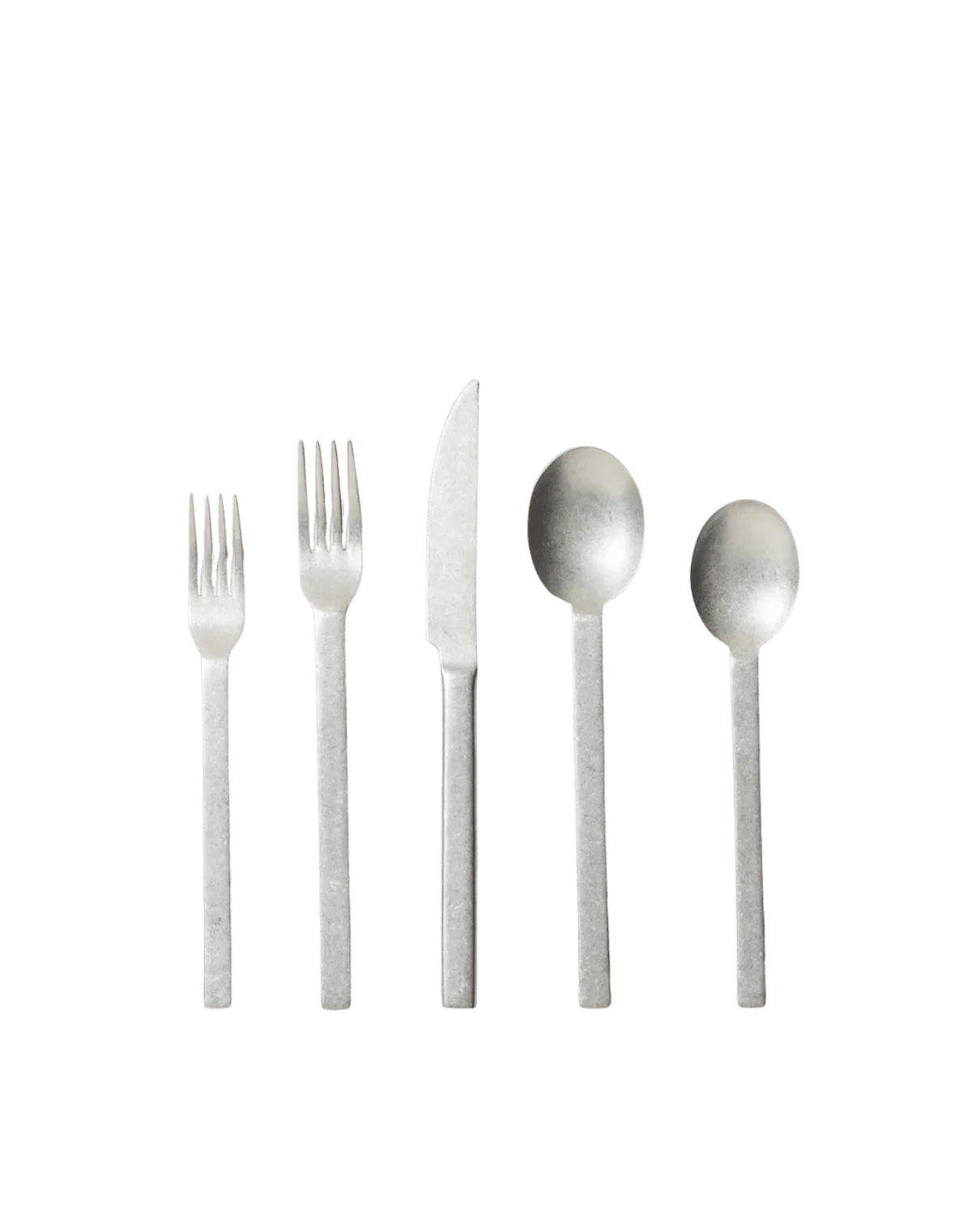
Pantry Cutlery
- Use a flatware tray with soft dividers to prevent scratches.
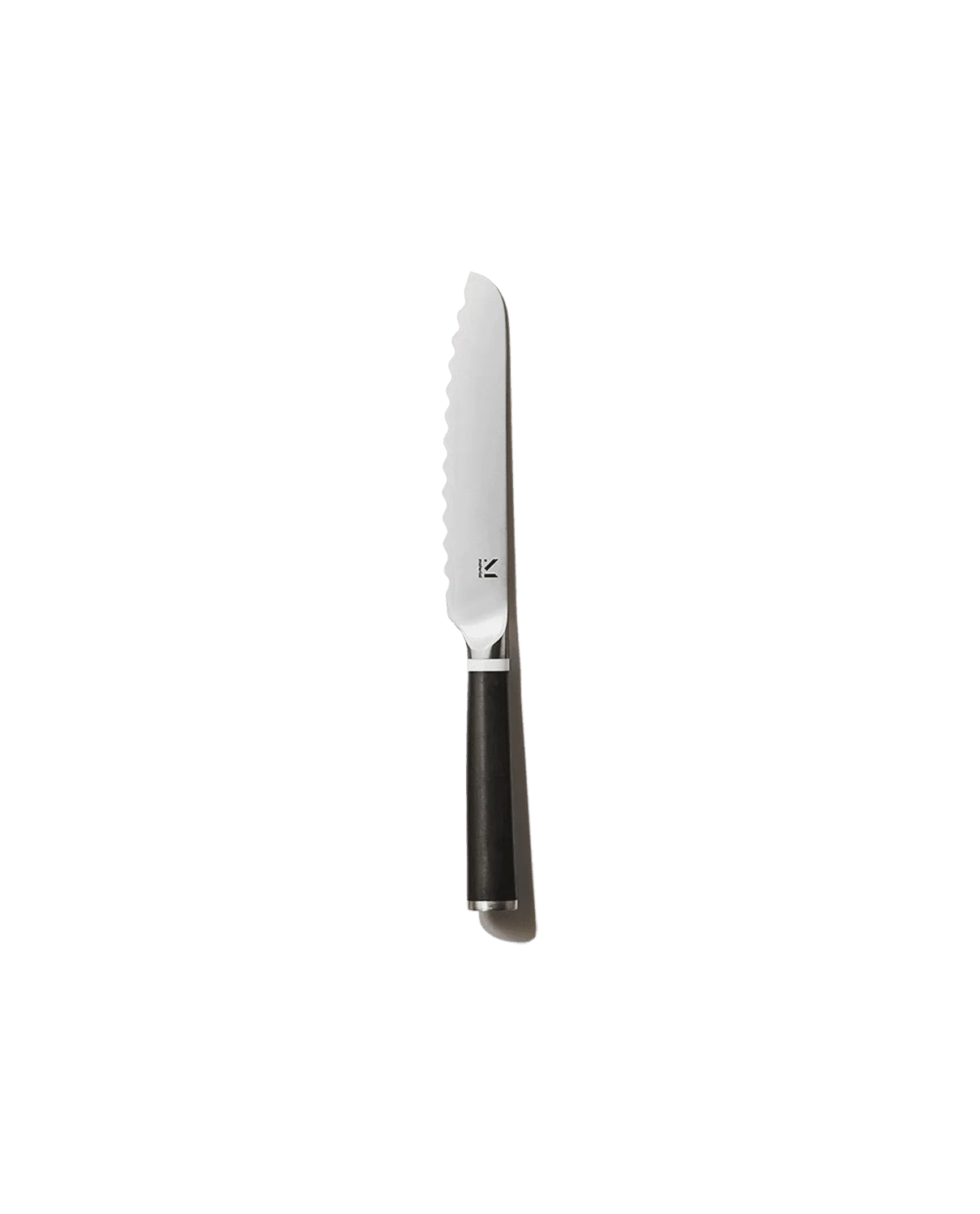
- Store knives separately to protect their blades and handles.
- For silver, add a silica gel packet to the drawer to reduce humidity.
Protecting Dinnerware During Long-Term Storage
If you’re storing dinnerware for an extended period—between seasons or during a move—take extra precautions. Wrap each piece individually in acid-free tissue paper or unprinted newsprint. Avoid bubble wrap for delicate china, as the air pockets can create pressure points. Stack wrapped plates vertically in a sturdy box, and fill empty spaces with packing peanuts or crumpled paper to prevent shifting.
Label boxes clearly with 'FRAGILE' and note the contents. Store boxes in a cool, dry place away from direct sunlight, which can fade glazes and patterns. Avoid attics or basements where temperature and humidity fluctuate dramatically.
- Use acid-free tissue paper for wrapping—avoid newspaper ink.
- Stack plates vertically in boxes for maximum stability.
- Store flatware in anti-tarnish pouches inside sealed containers.
Common Mistakes to Avoid
One of the biggest mistakes is stacking plates without any padding. Even if plates seem to fit well, tiny particles of dust or grit can cause scratches over time. Another error is storing heavy pots or pans on top of dinnerware—always keep heavier items on lower shelves.
For flatware, never store silver in a drawer with stainless steel utensils. The two metals can react and accelerate tarnishing. Also, avoid washing flatware in a dishwasher that uses high heat or harsh detergents, as this can damage handles and finishes. Hand wash and dry immediately before storing.
- Don't stack plates more than six high.
- Don't store flatware loose in a drawer.
- Don't use rubber bands or newspaper near silver.
By following these simple storage techniques, you can extend the life of your dinnerware and flatware significantly. Whether you’re protecting a cherished set or building a new collection, a little care goes a long way. Explore the Dinner Plate Set of 4 from Material to start your tabletop collection with pieces designed for both beauty and durability.