Quick answer
Store lapel pins face-up in a felt-lined tray or a framed cork board so metal and enamel never rub against each other, and swap rubber clutches for locking backings before pins go into rotation. Display them out of direct sunlight and handle them by the edges only.
Start with a clean, dry pin
Before any pin goes into storage or onto a display, wipe the face with a soft microfiber cloth and check the back for residue from lotions or skin oils. Enamel is glass-like and scratches easily when grit is trapped between pins, so a five-second wipe prevents most surface damage. Skip abrasive polishes and ultrasonic cleaners, which can dull plating or loosen enamel fill.
Choose a backing that holds without scraping
Rubber clutches are convenient but compress over time and can let a pin rotate, scuffing the enamel against whatever it touches. Locking metal backings or deluxe clutch backs grip the post more securely and are less likely to slip off in a bag or on a jacket. If a backing feels loose, replace it before storing the pin rather than after you notice a scratch.
Match the display to how often you wear the pin
Pins you wear weekly belong on a felt-lined board or a fabric-covered cork panel where you can grab them without digging. Pins you wear rarely should go into a closed tray or divided box to keep dust and sunlight off the enamel. Direct sun fades printed inserts and can yellow some clear coatings, so keep any display away from a bright window.
Step-by-step pin care routine
- Clean each pin before storage: Wipe the enamel face and metal edges with a dry microfiber cloth; use a barely damp cloth on stubborn smudges, then dry immediately. Checkpoint: no grit or sticky residue left on the back or edges.
- Inspect and replace worn backings: Test every clutch by pushing it onto the post and tugging gently. If it slides off or spins freely, replace it with a locking backing. Mistake to avoid: storing a pin with a loose clutch, which lets the pin drop and chip.
- Set up a face-up display: Use a felt-lined tray, a fabric-covered cork board, or a framed pin board. Space pins so metal edges do not touch, and keep the display out of direct sunlight. Checkpoint: each pin sits flat with at least a finger-width of space around it.
- Store rarely worn pins in a closed box: Place pins in a divided jewelry box or a soft pouch, face-up, with a silica packet nearby in humid rooms. Mistake to avoid: tossing loose pins into a drawer where they knock against keys or coins.
- Handle by the edges and recheck monthly: Lift pins by the rim, not the enamel face, and do a quick monthly check for loose backings, dust, or new scratches. Next step: rotate your display so every pin gets worn and inspected.
Product facts
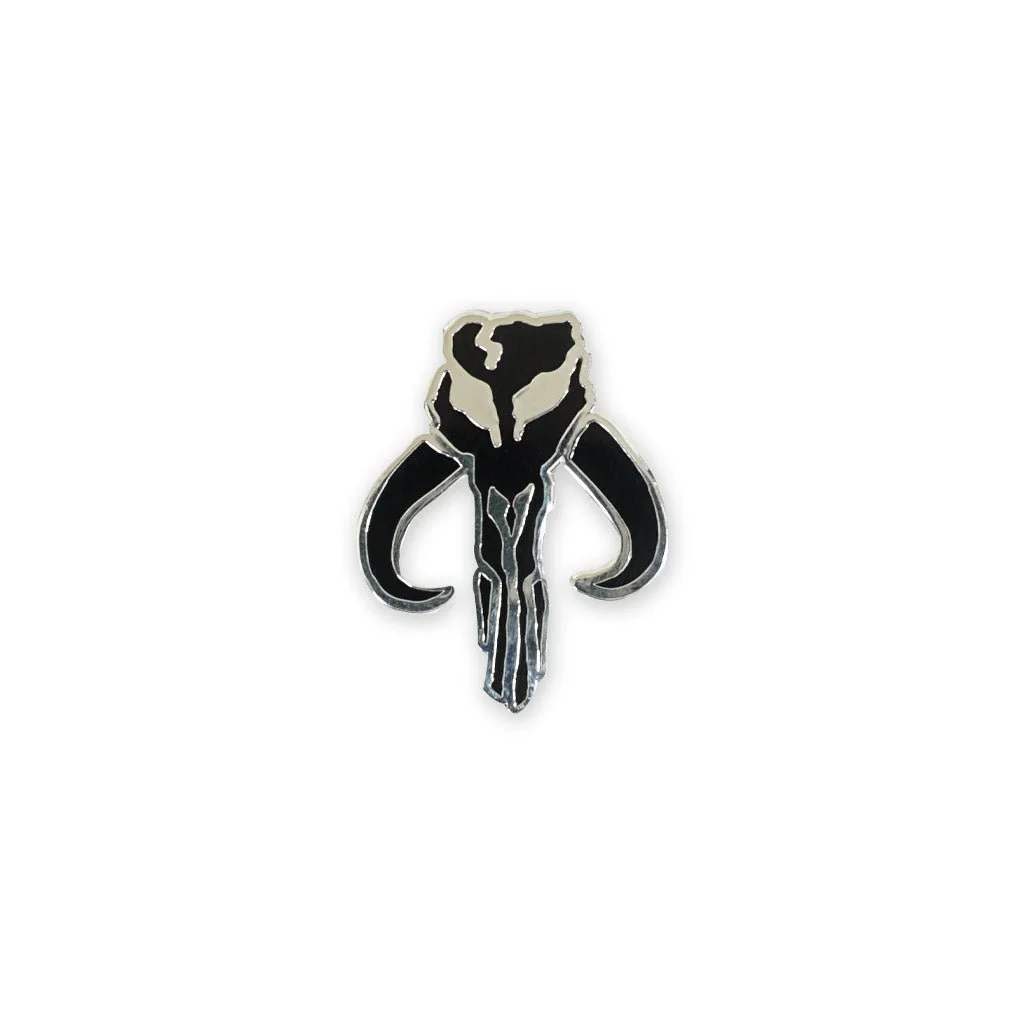
- PDW Mythosaur v2 Lapel Pin: The PDW Mythosaur v2 Lapel Pin is 1.50 inches, enamel filled, die struck brass with silver plating, and uses a rubber backing clasp. The silver plating and enamel fill are both scratch-prone, so store this pin face-up and consider swapping the rubber clasp for a locking backing if you wear it often.