Quick Answer
To keep dried flowers and herbs fresh, store them in airtight, opaque containers in a cool, dark, and dry place. Avoid direct sunlight, heat, and moisture. Proper storage preserves their flavor, aroma, and beneficial properties for up to a year or more.
Dried flowers and herbs are a staple in many kitchens and tea collections, but they lose their magic when stored improperly. Exposure to air, light, and moisture can dull their color, flatten their aroma, and even cause mold. Whether you're a tea enthusiast or a home herbalist, knowing how to store dried flowers and herbs correctly is essential to get the most out of your stash.
This guide walks you through a step-by-step process to keep your dried botanicals fresh for longer. You'll also learn common mistakes to avoid and practical tips to ensure every cup of herbal tea tastes as vibrant as the day you bought it.
Why Proper Storage Matters
Dried flowers and herbs are hygroscopic, meaning they readily absorb moisture from the air. Excess moisture can lead to mold growth, which not only ruins the flavor but can also make the herbs unsafe to consume. Light and oxygen, on the other hand, degrade the essential oils and pigments that give herbs their aroma and color. Over time, exposure to these elements causes the herbs to lose their potency and freshness.
Proper storage slows down these degradation processes. By controlling the environment, you extend the shelf life of your dried botanicals, preserving their therapeutic and culinary benefits. This is especially important for herbal teas, where the flavor and aroma are the whole experience. For example, a well-stored chamomile tea will retain its sweet, apple-like fragrance, while a poorly stored one may taste flat and dusty.
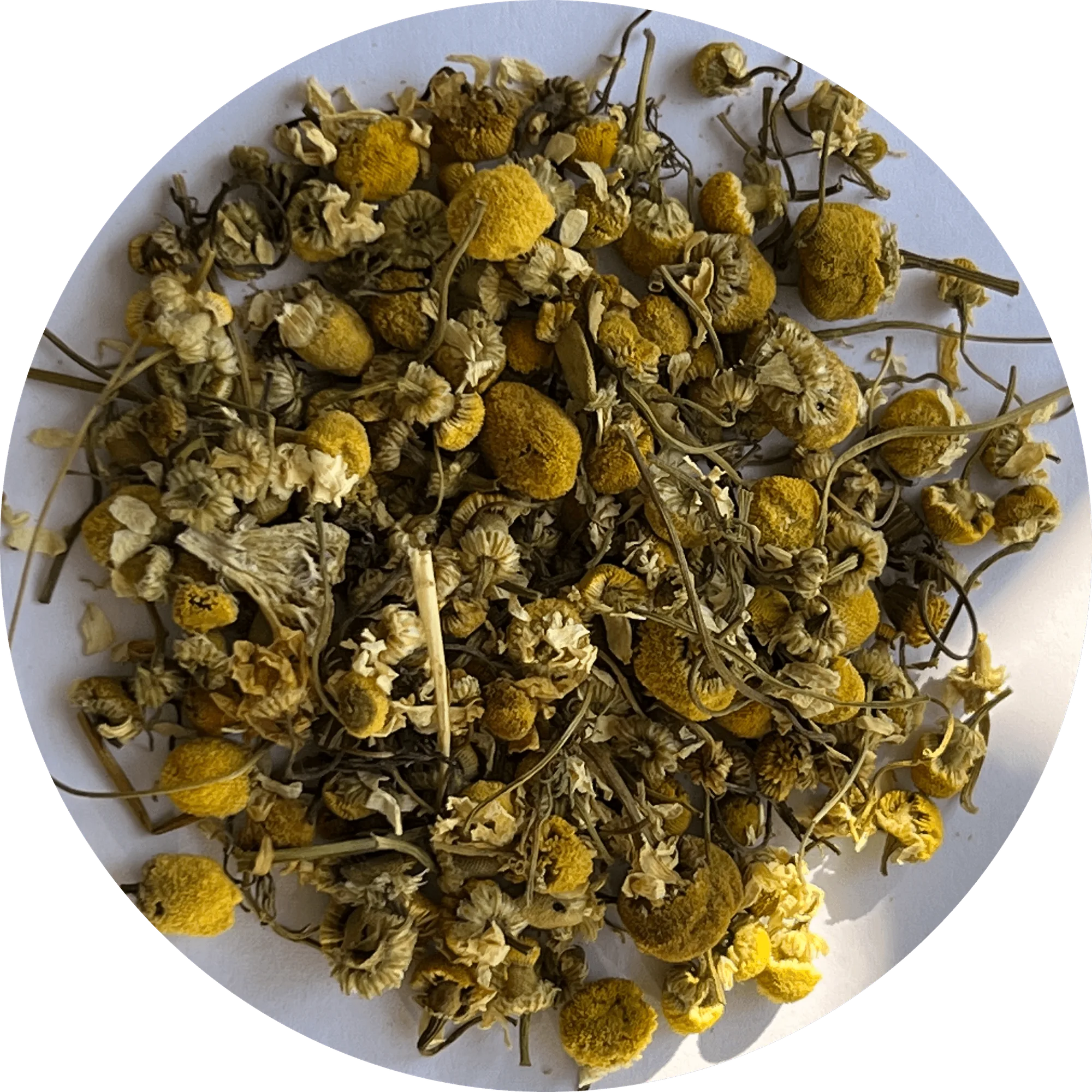
chamomile tea
- Always check for moisture before sealing your containers.
- Keep different herbs separate to prevent flavor transfer.
- Label containers with the date of purchase or harvest.
Choosing the Right Containers
The container you choose plays a crucial role in preserving dried herbs. Airtight glass jars with rubber seals are ideal because they block out air and moisture while allowing you to see the contents. However, light can penetrate glass, so store jars in a dark cupboard or use opaque containers. Metal tins are also excellent options as they block light completely, but ensure they are food-safe and have tight-fitting lids.
Avoid plastic bags and containers unless they are specifically designed for food storage and have a good seal. Plastic can be permeable to air and may impart unwanted odors. If you use resealable bags, squeeze out as much air as possible before sealing. For long-term storage, consider vacuum-sealing your dried herbs in portions, but note that this is not practical for everyday use. The key is to minimize air exposure every time you open the container.
- Use opaque or dark-colored containers to block light.
- Ensure the seal is tight and airtight.
- If using glass, store in a dark place.
Ideal Storage Conditions
The best place to store dried flowers and herbs is a cool, dark, and dry location. The ideal temperature range is between 60°F and 70°F (15°C to 21°C). Avoid storing them near heat sources like stoves, ovens, or radiators, as heat accelerates the loss of essential oils. A pantry or a cupboard away from the stove is perfect. If you live in a humid climate, consider using a dehumidifier in the storage area or adding a food-safe silica gel packet to the container to absorb excess moisture.
Light is another enemy of dried herbs. Ultraviolet rays can break down chlorophyll and other pigments, causing the herbs to fade. They also degrade the volatile compounds responsible for aroma. Therefore, always store your containers in a dark place. If you prefer clear jars for display, keep them in a cupboard with the door closed, or wrap them in a dark cloth. Sunlight streaming through a kitchen window can quickly ruin your precious herbs.
- Check the storage area for temperature fluctuations.
- Never store herbs in the refrigerator or freezer unless vacuum-sealed.
- Use a moisture absorber if needed.
Common Mistakes to Avoid
One of the most common mistakes is storing dried herbs in the original paper or plastic bags they came in. These bags are not airtight and allow air and moisture to seep in, causing the herbs to lose freshness quickly. Always transfer your herbs to proper containers. Another mistake is crushing or grinding herbs before storage. Whole leaves and flowers retain their essential oils better than crushed ones, so store them whole and crush them only when you're ready to use them.
Another frequent error is storing herbs near strong-smelling items like coffee or spices. Dried herbs are porous and can absorb odors, which can alter their flavor. Keep them away from strong scents. Also, avoid using damp spoons or hands to scoop out herbs, as this introduces moisture into the container. Always use a dry, clean utensil. Finally, don't buy more than you can use within a reasonable time. Dried herbs are best used within a year, so buy in smaller quantities and replenish as needed.
- Transfer herbs from original packaging to airtight containers.
- Store whole herbs, not crushed.
- Keep away from strong-smelling items.
- Use dry utensils only.
Step-by-Step Storage Guide
- 1. Inspect Your Herbs: Before storing, check for any signs of moisture, mold, or pests. Discard any herbs that look damp or smell musty. If you're storing home-dried herbs, make sure they are completely dry and crisp. Moisture is the biggest enemy, so this step is crucial. Checkpoint: Herbs should be brittle, not pliable.
- 2. Choose Airtight, Opaque Containers: Select glass jars with rubber seals or metal tins with tight lids. Avoid clear glass unless you plan to store them in a dark cupboard. Opaque containers block light, which can degrade the herbs' color and aroma. Ensure the containers are thoroughly clean and dry before use. Checkpoint: Test the seal by closing the container and pressing gently – it should feel airtight.
- 3. Store in a Cool, Dark, Dry Place: Find a spot away from direct sunlight, heat sources, and humidity. A pantry or cupboard works well. The ideal temperature is between 60°F and 70°F. If you live in a humid area, add a food-safe silica gel packet to absorb excess moisture. Keep containers off the floor and away from walls to prevent moisture transfer. Checkpoint: The storage area should not exceed 70°F (21°C).
- 4. Label and Date Your Containers: Write the name of the herb and the date of storage on each container. This helps you keep track of freshness and rotate your stock. Use the oldest herbs first to avoid them sitting too long. Most dried herbs maintain their best quality for up to a year. Checkpoint: If the date is more than a year old, check the aroma and color – it may be time to replace.
- 5. Handle with Dry Utensils: When you need to use your herbs, always use a dry, clean spoon or scoop. Avoid using your hands, as they can introduce moisture and oils. Never dip a wet spoon into the container. After taking out what you need, immediately reseal the container to minimize air exposure. Checkpoint: If you notice condensation inside the container, your herbs have been exposed to moisture – remove them and dry them thoroughly before resealing.
How Our Products Fit Into Your Storage Routine
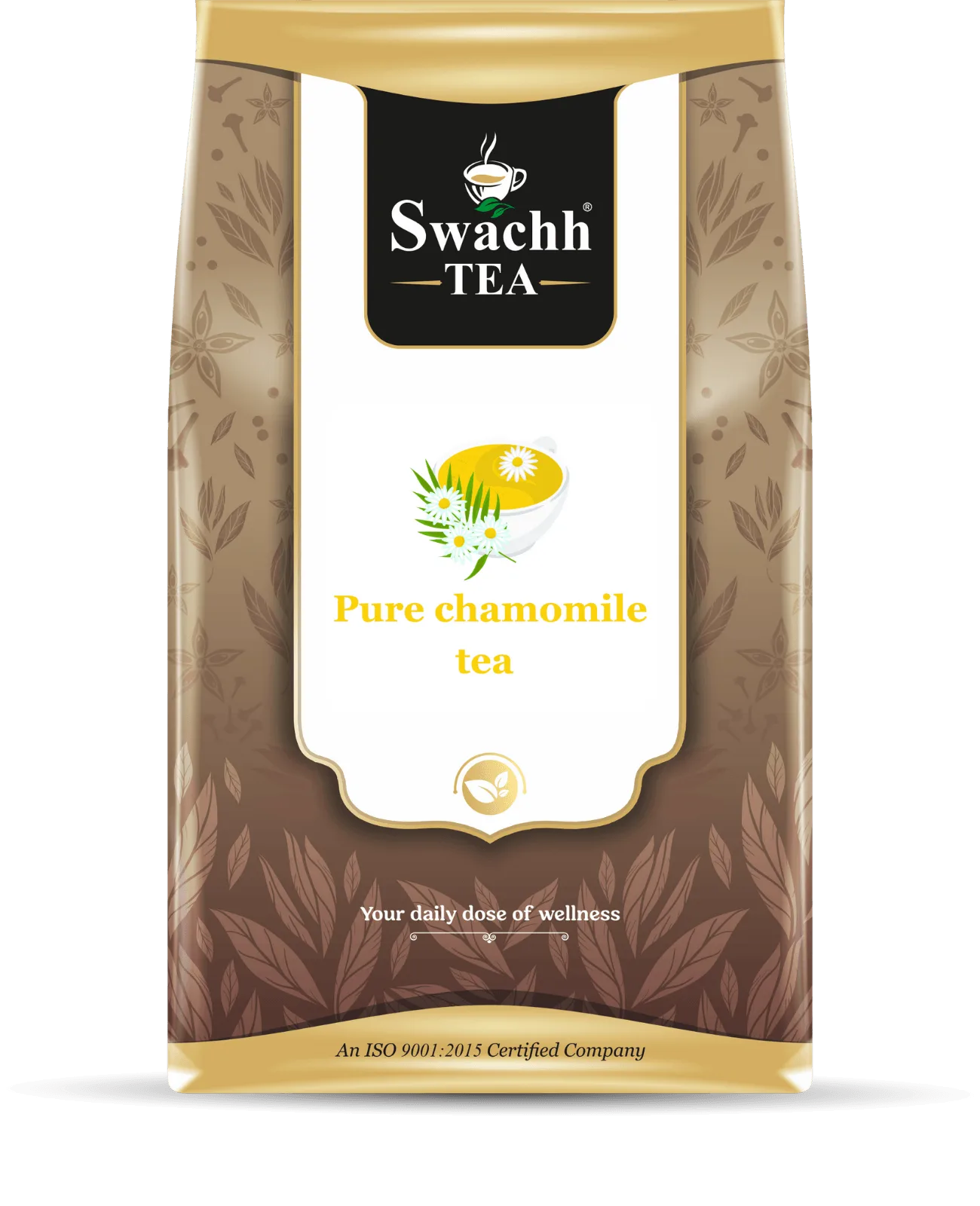
- Pure Chamomile Tea: Crafted exclusively from organic chamomile flowers, this caffeine-free herbal tea is a treasure for your tea collection. Chamomile's delicate floral notes are easily lost if stored improperly. Use airtight, opaque containers to preserve its soothing aroma and flavor for a comforting cup every time.
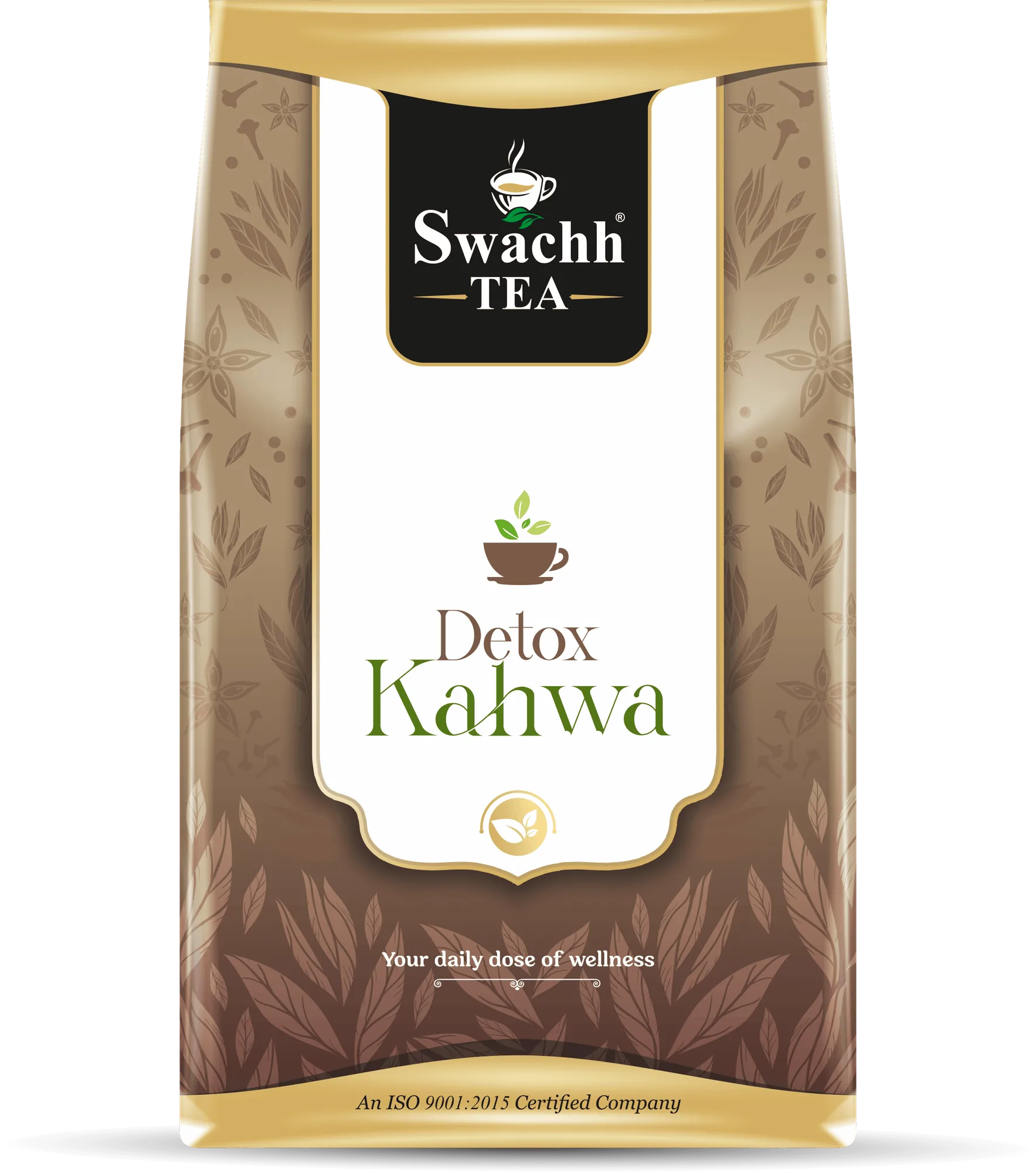
- Detox Kahwa: A herbal blend designed to support your detoxification journey naturally, dedicated to helping you cleanse and rejuvenate your body. The blend's beneficial herbs need protection from light and air to maintain their potency. Proper storage ensures you get the full wellness benefits with every brew.
Storing dried flowers and herbs properly is a simple habit that pays off in every cup of tea you brew. By following these steps, you'll keep your herbs fresh, flavorful, and potent for months. Remember to check your stock periodically and replace anything that has lost its color or aroma. With the right storage, your herbal tea collection will always be ready to deliver comfort and wellness.