Quick answer
Store dried herbs in an airtight, opaque container kept in a cool, dark, dry place. For daily use, transfer a small amount to a tightly sealed jar and refill from your main stash. This protects the volatile oils that carry flavor and aroma, helping your herbs stay potent for months rather than weeks.
Why storage decides whether your herbs stay potent
The compounds that give dried herbs their character—flavor, aroma, and much of their traditional value—are volatile oils. Air, light, heat, and moisture all degrade them. Every time you open a bag and let it sit open, you trade potency for convenience. The fix is not complicated: limit exposure, keep conditions stable, and use containers that block the two biggest threats, air and light. This applies whether you are storing loose leaf tea, a dried culinary herb, or a single-herb infusion like soursop leaf.
Pick containers that actually seal
The container matters more than the shelf. Look for airtight, opaque options: dark glass jars with rubber gaskets, matte metal tins, or high-quality resealable pouches with a tight zip. Clear glass looks nice but lets light through, so if you use it, keep it in a cabinet. Avoid containers that rely on a loose press-on lid or a folded bag clip—those slow air exchange but do not stop it. For herbal storage containers, the test is simple: fill it, seal it, and press gently. If you feel air escape or the lid shifts, it is not airtight enough for long-term storage.
Where to keep your herbs (and where not to)
A cool, dark, dry cabinet away from the stove, sink, and dishwasher is ideal. Heat speeds up degradation, and steam from cooking or boiling water adds moisture every time you open the container. The refrigerator seems logical but is usually a mistake: condensation forms each time you take herbs out, and moisture is the fastest way to ruin dried herbs. The freezer works only for long-term storage of large amounts, and only if the herbs are vacuum-sealed or in a truly airtight container and allowed to come to room temperature before opening. For most home users, a pantry shelf beats both.
How to handle herbal tea blends and single herbs
Blends and single herbs behave similarly, but blends often contain ingredients with different ideal storage lives. A citrus-forward blend like a lemony calming tea may lose its top notes faster than an earthy root. If you buy in larger sizes, split the amount: keep a two-week supply in a small jar and store the rest sealed and untouched. This limits how often the main stash is exposed to air. For storing herbal tea, the same rules apply—airtight, dark, cool, dry—but because tea is often opened daily, a smaller working jar makes a noticeable difference.
Simple freshness checks and when to replace
You do not need a lab to judge dried herb shelf life. Start with smell: open the container and take a deep whiff. A potent herb should smell like it did when fresh—bright, aromatic, and recognizable. If it smells like hay, dust, or nothing at all, the volatile oils are largely gone. Next, look at color. Faded, dull, or brownish herbs have lost more than fresh-looking ones. Finally, rub a small amount between your fingers. If it crumbles to powder easily and has little scent, it is past its best. For most dried herbs stored well, expect 6 to 12 months of good potency, though some delicate leaves fade in 3 to 6 months. Replace when the smell and color tell you to.
Step-by-step: storing dried herbs for lasting potency
- Start with fully dry herbs: Only store herbs that are completely dry. If you dried them yourself, let them cool and check for any remaining moisture by pressing a leaf—it should crack, not bend. Mistake to avoid: sealing slightly damp herbs, which invites mold. Checkpoint: if you see condensation inside the container within a day, remove the herbs and dry them further.
- Choose an airtight, opaque container: Use dark glass jars with gaskets, metal tins, or thick resealable pouches. Avoid clear glass unless stored in a dark cabinet, and skip containers with loose lids or simple bag clips. Mistake to avoid: assuming a pretty jar is airtight. Checkpoint: fill, seal, and press—no air should escape.
- Label and date every container: Write the herb name and the date you stored it. This turns guesswork into a simple check. Mistake to avoid: relying on memory, especially with similar-looking blends. Checkpoint: when you open a jar, glance at the date—if it has been more than 6 to 12 months, do a smell and color test.
- Store in a cool, dark, dry spot: A pantry cabinet away from the stove, sink, and direct sun is ideal. Avoid the refrigerator for daily-use herbs because of condensation. Mistake to avoid: storing herbs above the kettle or coffee maker, where steam and heat hit them daily. Checkpoint: the spot should feel cool and dry to the touch.
- Use a small working jar: Keep only a one- to two-week supply in a small jar you open often, and refill it from the main stash. This limits air exposure for the bulk of your herbs. Mistake to avoid: opening the large bag every day. Checkpoint: when the small jar is empty, refill it and reseal the main container immediately.
- Check freshness before each use: Smell, look, and rub a pinch. Potent herbs smell bright and recognizable, look colorful, and feel slightly coarse. Faded, dusty, or scentless herbs have lost their volatile oils. Mistake to avoid: using old herbs at full strength in a blend and wondering why the cup tastes flat. Checkpoint: replace herbs when the aroma and color are clearly diminished.
Product notes for better storage
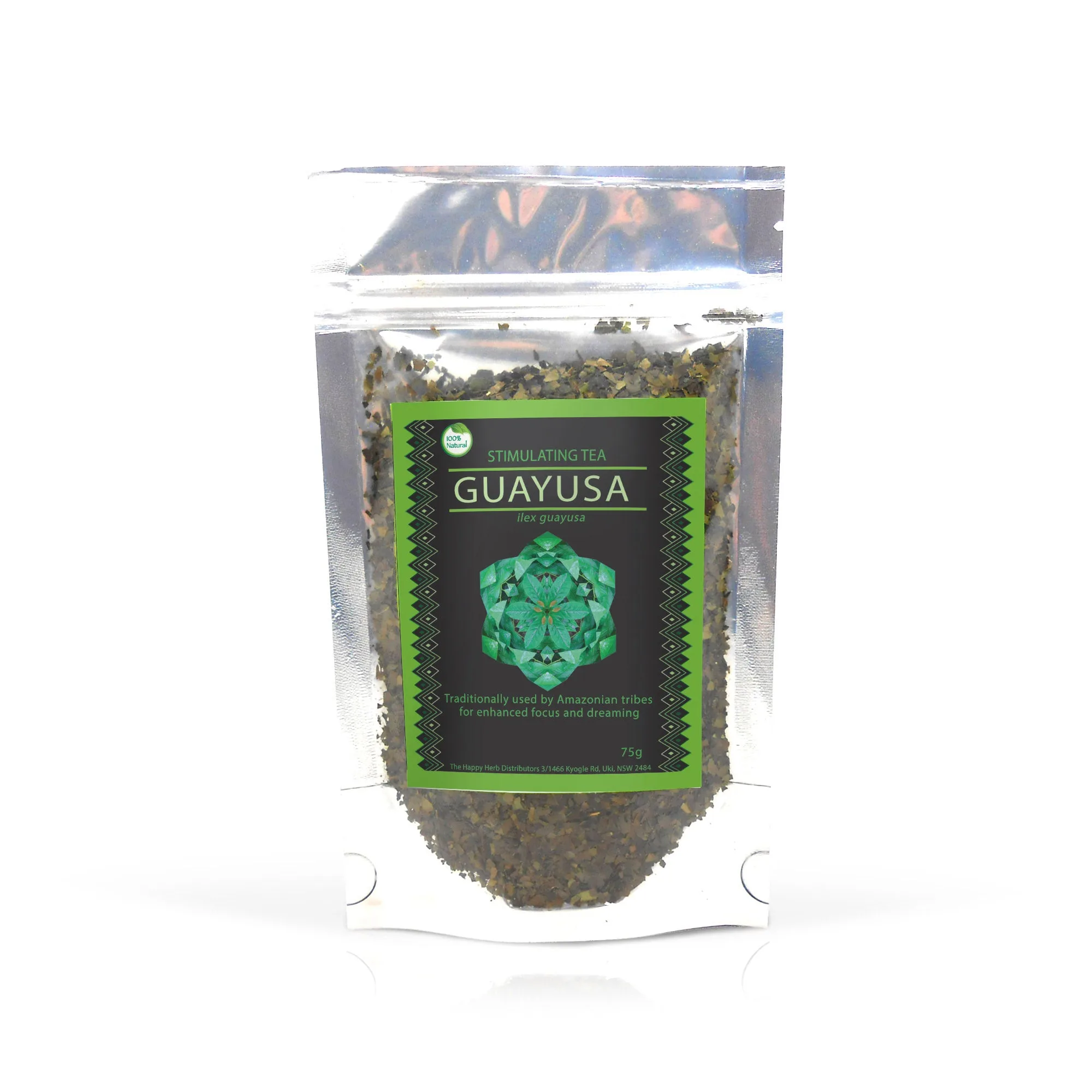
- Guayusa Lucid Dreaming Herbal Tea: Guayusa Lucid Dreaming Herbal Tea is naturally caffeinated and rich in antioxidants, with a smooth, naturally sweet character. Because guayusa carries delicate volatile oils and caffeine, airtight, dark storage helps preserve both its smooth sweetness and its intended morning effect.
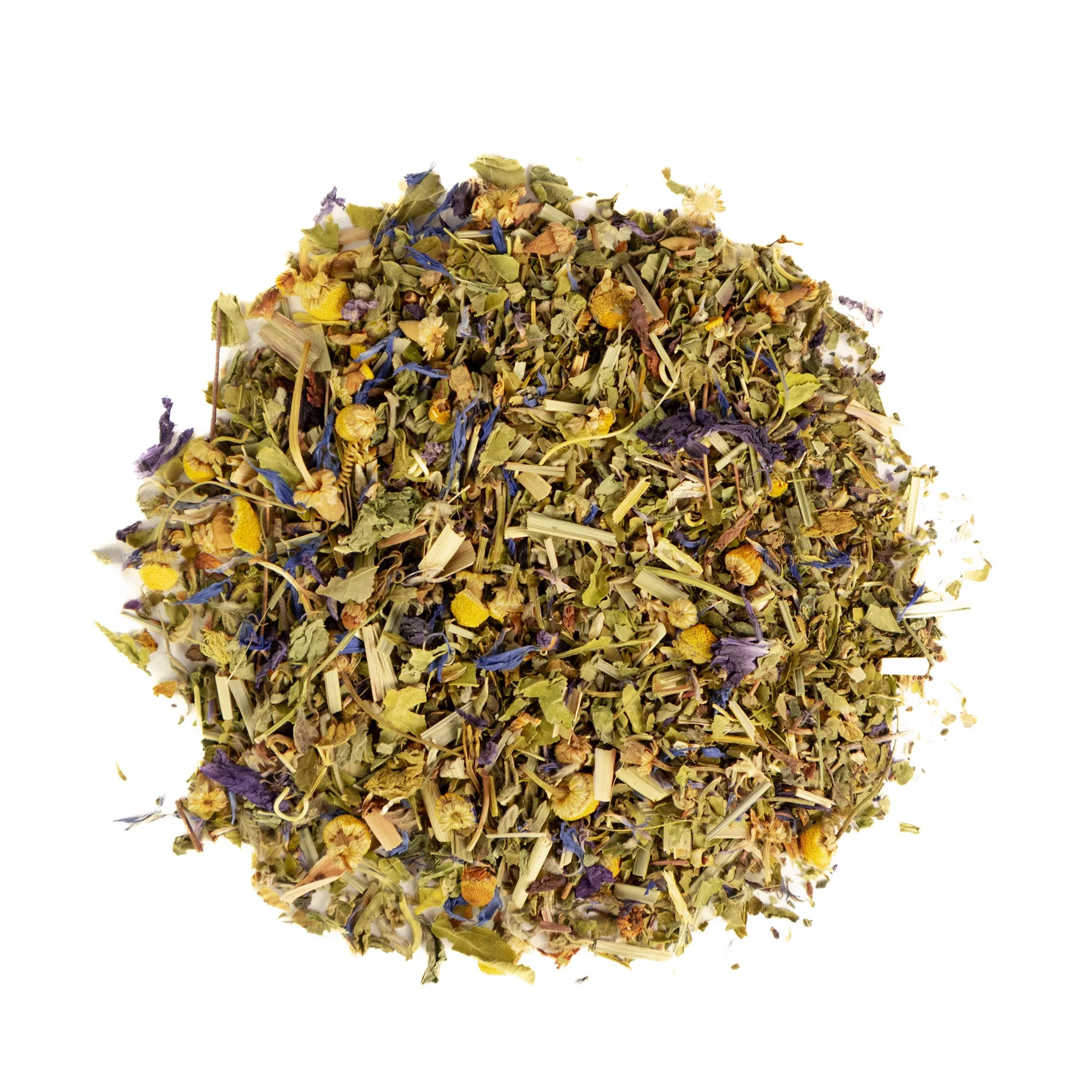
- Stress Less Herbal Tea Blend: Stress Less Herbal Tea Blend is bright, lemony, and vibrantly calming, from a handcrafted luxury tea range of genuinely powerful herbs. Citrus-forward blends lose their top notes quickly, so a small working jar and a tightly sealed main stash keep the lemony character intact.
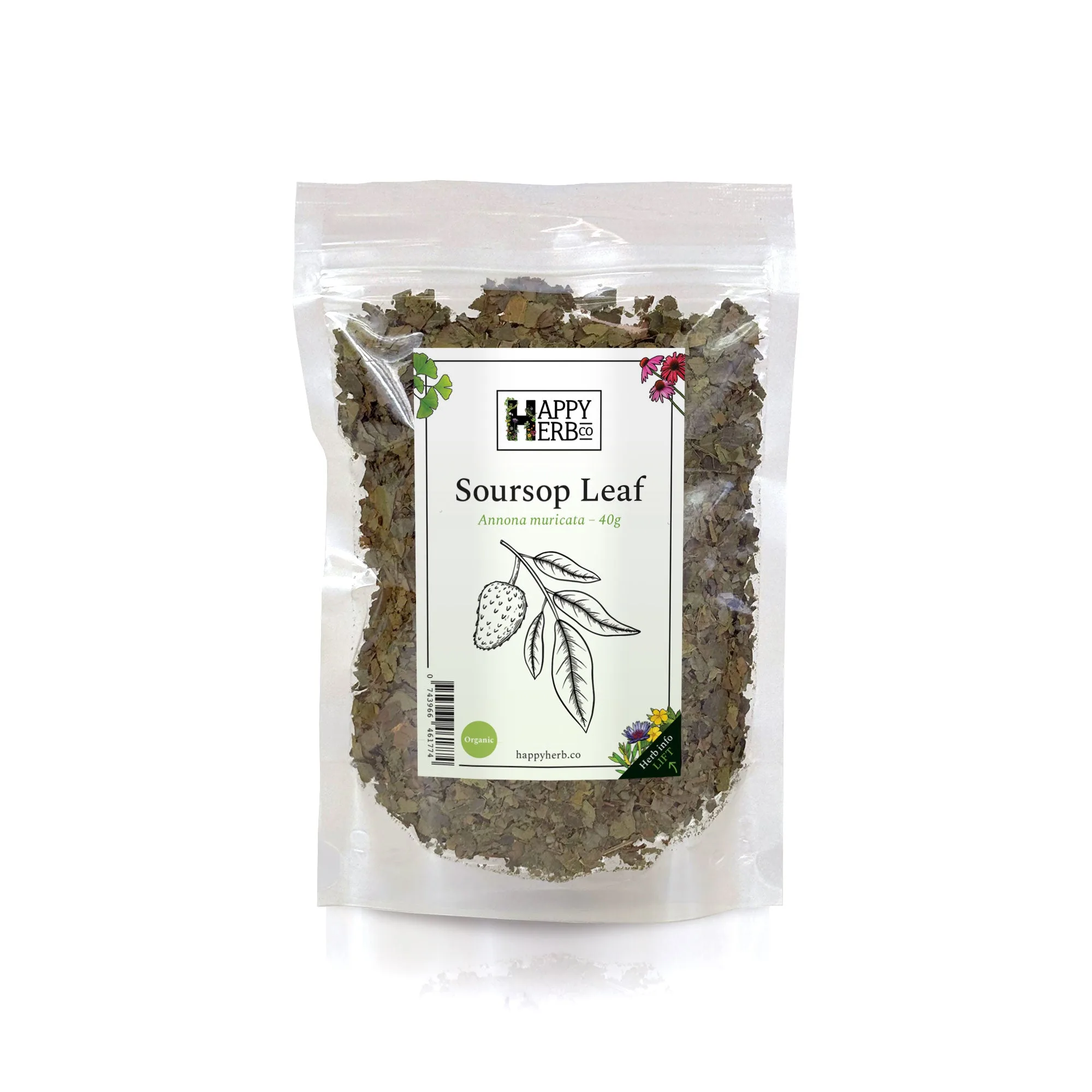
- Soursop Leaf: Soursop Leaf has a gentle, earthy flavor and is traditionally used to support immune function, promote relaxation, and assist restful sleep. Earthy single herbs like soursop leaf are more forgiving than delicate blends, but they still need protection from light, air, and moisture to stay useful.