A fire pit grill grate is the centerpiece of many outdoor cooking setups, turning a simple fire into a versatile cooking station. Whether you're grilling steaks, roasting vegetables, or simmering a pot of chili, the grate takes the heat—literally. But once the flames die down and the coals cool, proper storage becomes essential to keep that grate in top shape. Without the right care, even the best grill grate can rust, warp, or accumulate stubborn residue that ruins future meals.
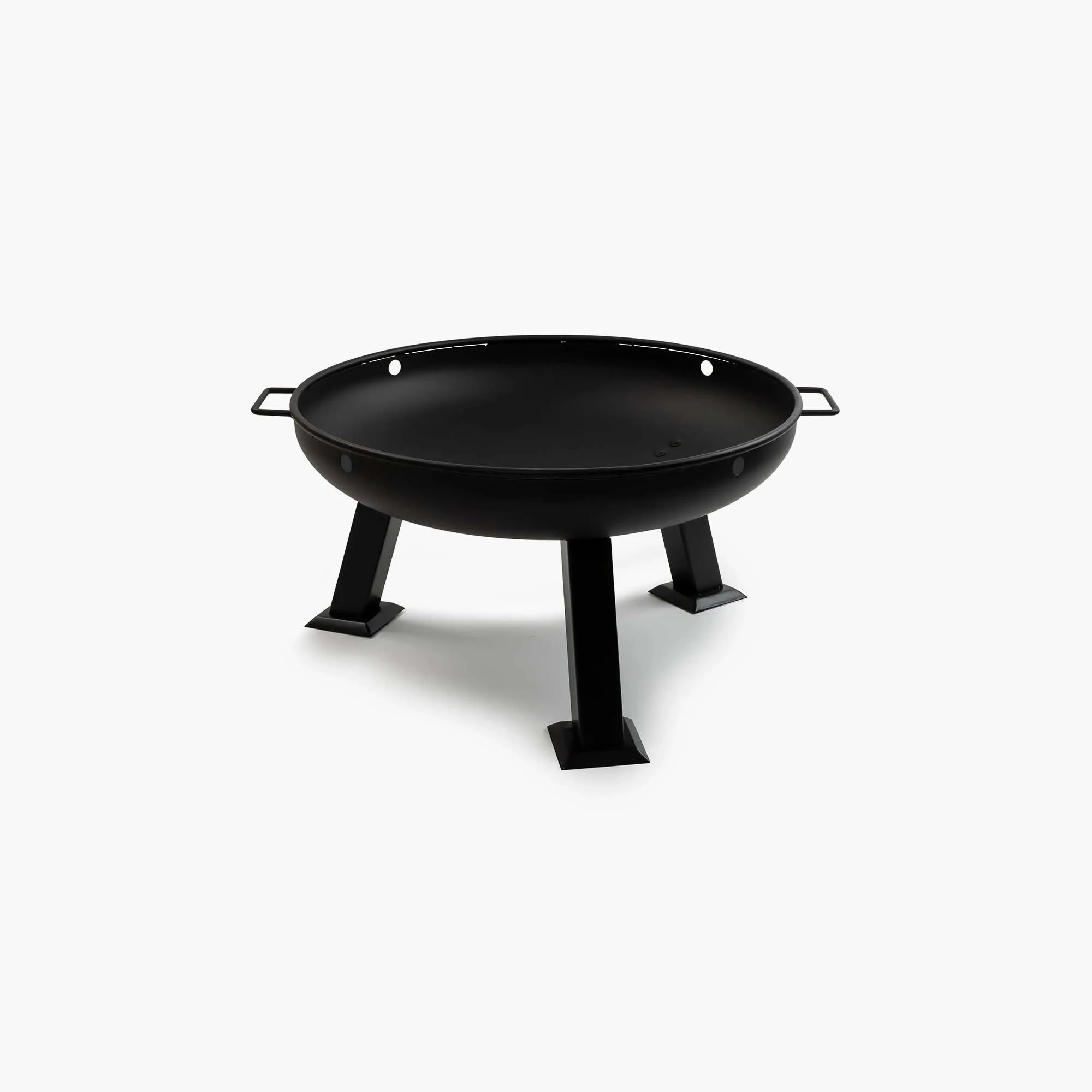
fire pit
In this guide, we'll walk you through the best practices for storing your fire pit grill grate, from immediate post-cooking care to long-term storage solutions. You'll learn how to clean, dry, and protect your grate so it lasts for seasons to come. Plus, we'll highlight a few essential tools from Barebones to make the process easier.
Why Proper Grill Grate Storage Matters
Grill grates are exposed to high heat, moisture, and food acids during cooking. Over time, these elements can cause rust, corrosion, and structural weakening. If you leave a grate exposed to rain, humidity, or even morning dew, moisture seeps into the metal's pores and triggers oxidation. Rust not only looks unsightly but can flake onto food, posing health risks and ruining flavor.
Proper storage also prevents warping. A grate that's left on a hot fire pit without being moved can cool unevenly, leading to bends or cracks. By storing your grate in a dry, stable environment, you extend its lifespan and ensure even cooking performance every time you fire up the pit.
- Rust prevention: Moisture is the enemy. Always dry your grate thoroughly before storage.
- Warp avoidance: Let the grate cool gradually on a flat surface, not directly on the fire pit.
- Hygiene: A clean, stored grate reduces bacterial growth and makes next-use prep faster.
Step 1: Clean Your Grill Grate Immediately After Cooking
The best time to clean a grill grate is while it's still warm—not hot, but warm enough to loosen food particles. Use a stiff wire brush or a scraper to remove charred bits and grease. For stubborn residue, a damp cloth or a spray of water can help, but avoid dousing the grate while it's hot to prevent thermal shock.
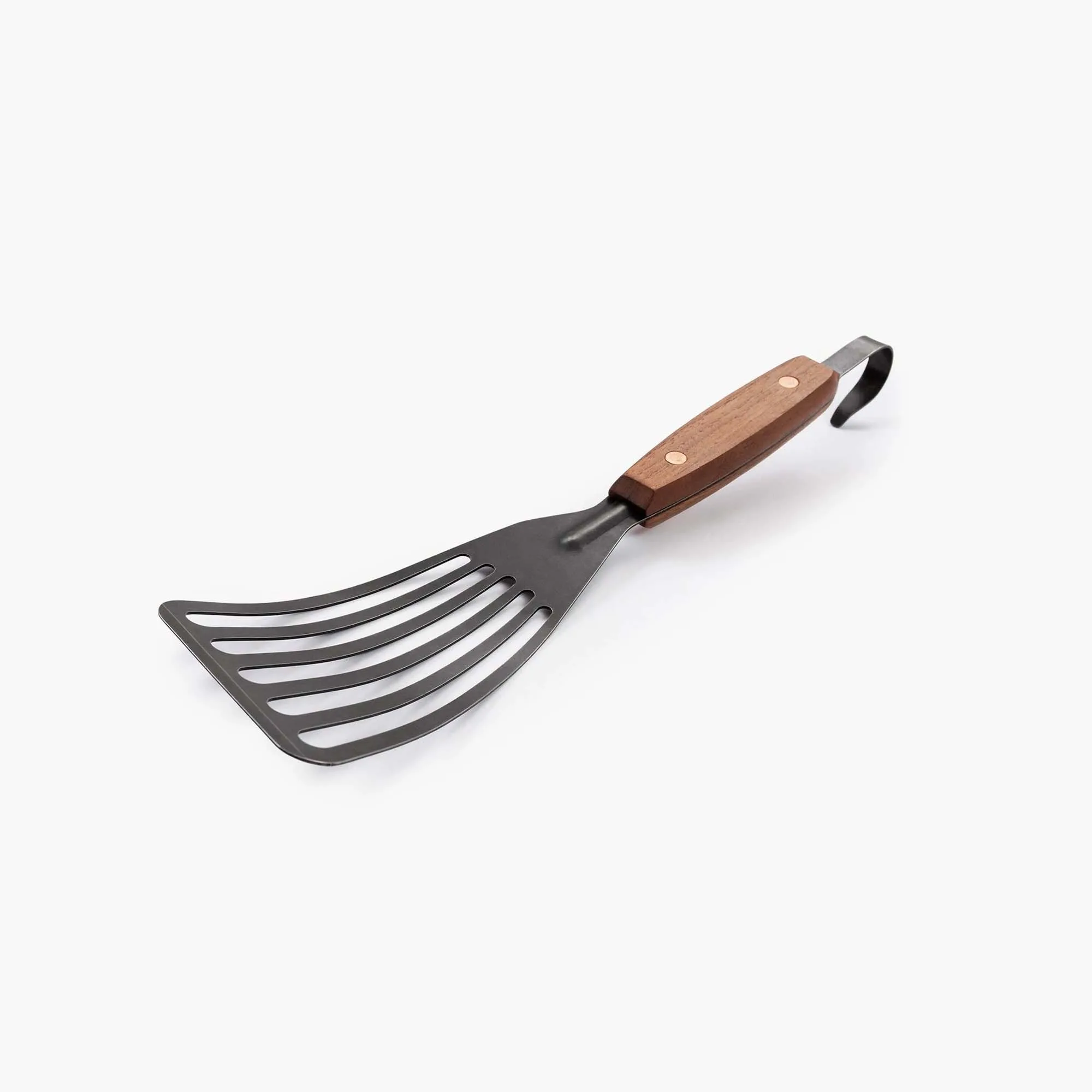
For a deeper clean, soak the grate in warm, soapy water for 15-20 minutes, then scrub with a non-abrasive sponge. Rinse thoroughly and dry immediately with a clean towel. If you cook frequently, consider using a dedicated cleaning tool like the Spade Hand Trowel to scrape off tough buildup without scratching the surface.
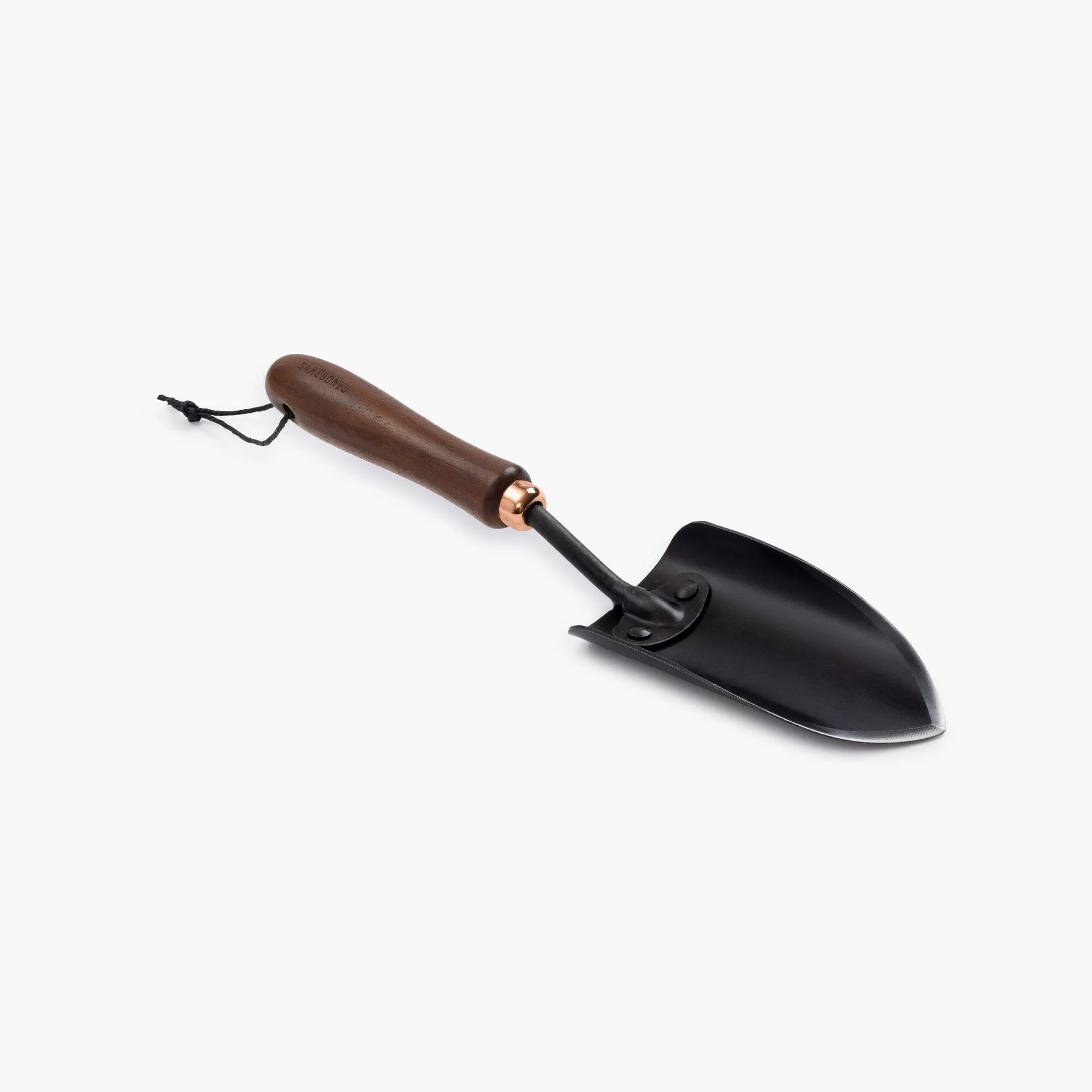
Spade Hand Trowel
- Always wear heat-resistant gloves when handling a warm grate.
- Avoid steel wool on enamel or coated grates—it can scratch the finish.
- For cast iron grates, a light oil coating after cleaning helps prevent rust.
Step 2: Dry Your Grate Thoroughly
Moisture is the number one cause of rust on grill grates. After cleaning, use a lint-free cloth or paper towel to dry every surface, including the bars, edges, and any crevices. If you have compressed air or a leaf blower, you can use it to blast water out of hard-to-reach spots.
For extra protection, place the grate in a warm, dry area—like near a fireplace or in a sunny spot—for an hour or two to ensure all moisture evaporates. Never store a damp grate in a bag or case, as trapped humidity accelerates corrosion.
- Dry the grate immediately after cleaning—don't let it air dry alone.
- If you live in a humid climate, consider using a dehumidifier in your storage area.
- A quick wipe with a paper towel before storage is better than nothing.
Step 3: Apply a Protective Coating (Optional but Recommended)
For cast iron or carbon steel grates, a thin layer of cooking oil can create a barrier against moisture. Use a high-smoke-point oil like vegetable, canola, or flaxseed oil. Apply it with a paper towel, rubbing it into the metal until the surface looks slightly glossy. This process, known as seasoning, not only prevents rust but also improves non-stick properties for your next cook.
For stainless steel or enamel-coated grates, oil isn't necessary, but you can use a silicone-based protectant spray designed for outdoor gear. Avoid petroleum-based products, as they can leave harmful residues. If you're unsure, test a small area first.
- Season cast iron grates after every few uses to maintain the patina.
- Use a food-safe oil—never motor oil or WD-40.
- Reapply oil if the grate feels dry or shows signs of light rust.
Step 4: Choose the Right Storage Location
Indoor storage is ideal, especially in a garage, shed, or basement. If you must store the grate outdoors, use a weatherproof cover or a dedicated storage box. Elevate the grate off the ground to avoid contact with damp soil or concrete, which can wick moisture upward.
Hang the grate vertically on a wall hook or lay it flat on a shelf. Avoid stacking heavy items on top of it, as this can cause bending. If you have multiple grates or accessories, consider using a protective case or bag to keep them organized and dust-free.
- Store in a climate-controlled area if possible—avoid extreme temperature swings.
- If storing outdoors, use a waterproof cover and check regularly for moisture buildup.
- Keep the grate away from chemicals like fertilizers or pool chlorine, which can cause pitting.
Step 5: Use the Right Accessories for Storage and Transport
Having the right tools makes storage easier and safer. A sturdy carry bag or case protects your grate from scratches, dents, and dirt during transport or off-season storage. Look for padded options with reinforced handles for easy carrying.
For cleaning on the go, a compact brush or scraper is essential. The Spade Hand Trowel is a versatile tool that works well for scraping grates and also doubles as a gardening tool. Pair it with a durable apron like the https://solpick.shop/products/classic-crossback-apron-117007https://solpick.shop/products/classic-crossback-apron-117008Classic Crossback Apron to keep your hands free and your tools within reach while you work around the fire pit.
- A dedicated grill grate bag prevents scratches and keeps your car clean.
- Use a hook or rack to hang the grate vertically—saves floor space and improves airflow.
- Label your storage containers if you have multiple grates or accessories.
Common Mistakes to Avoid When Storing Grill Grates
One of the biggest mistakes is storing a grate that's still hot. Thermal shock can warp the metal, and trapped heat can ignite nearby materials. Always let the grate cool to room temperature before putting it away.
Another common error is using harsh chemical cleaners that strip protective coatings. Stick to mild soap and water, or a vinegar solution for tough stains. Never soak a grate for more than 30 minutes, as prolonged exposure to water can seep into micro-cracks and cause internal rust.
Finally, don't neglect the fire pit itself. If your grate sits on a fire pit ring or grill, clean and dry that surface too. Moisture can transfer from the pit to the grate, undoing all your hard work.
- Never store a grate in a plastic bag—traps moisture and promotes mold.
- Avoid stacking grates directly on top of each other without a protective layer.
- Check your grate periodically during long-term storage for early signs of rust.
Seasonal Storage Tips for Fire Pit Grills
If you live in an area with harsh winters, take extra steps before storing your grate for the season. Clean and dry it thoroughly, apply a generous coat of oil, and wrap it in a breathable fabric like cotton or a specialized grill cover. Avoid plastic wrap, which can trap moisture.
During the rainy season, inspect your storage area monthly for leaks or humidity. A simple silica gel pack placed near the grate can absorb excess moisture. For coastal areas with salt air, consider using a corrosion inhibitor spray designed for marine environments.
When spring arrives, give your grate a quick clean and re-season if needed before firing it up. This ensures your first cook of the season is as good as the last.
- Store grates indoors during winter if possible—freeze-thaw cycles can cause cracking.
- Use a breathable cover—not a plastic tarp—to allow airflow.
- Add a rust inhibitor to your storage area for extra protection.
Proper storage of your fire pit grill grate is a simple habit that pays off in better cooking performance and longer equipment life. By cleaning, drying, and protecting your grate after every use, you'll avoid rust, warping, and unnecessary replacements. For a reliable tool that helps with both cleaning and gardening around your fire pit, check out the Spade Hand Trowel from Barebones—it's built to last and makes post-cook cleanup a breeze.