Quick answer
Keep ground nutmeg in an airtight container away from heat and light, and keep dehydrated beetroot sealed in its jar with the lid fully closed after every use. Nutmeg is best used within about six months of opening, while beetroot stays crisp for a few weeks once the seal is broken. If either has lost its aroma or crunch, no storage trick will bring it back.
Why ground nutmeg fades faster than whole nutmeg
Grinding exposes far more surface area to air, so the aromatic oils that give nutmeg its warm, rich fragrance escape quickly. That is why a jar of Casa Pons Nutmeg Powder can smell intense on day one and flat by month six if it sits near the stove. Whole nutmeg keeps for years because the shell protects those oils. Once the shell is gone, you are racing the clock. The practical fix is simple: buy ground nutmeg in a size you will actually finish, then treat the container as a sealed system. Close the lid fully every time, even if you are about to use it again in the same cooking session.
Where to put nutmeg so it stays aromatic
Heat, light, and moisture are the three things that flatten ground nutmeg. The spice rack above the hob is the worst place in the kitchen because steam and radiant heat hit it every time you cook. Move it to a cool cupboard away from the oven, and keep it out of direct sunlight if your kitchen has a bright window. A small jar with a tight-fitting lid works better than a wide-mouth container because you expose less spice to air each time you open it. If you decant nutmeg into a different jar, make sure it is completely dry inside. A single drop of water left from rinsing can turn the powder into a hard clump.
- Store away from the stove, oven, and kettle.
- Choose a dark cupboard rather than an open shelf.
- Keep the original lid or a genuinely airtight replacement.
- Never store nutmeg in the fridge; condensation is the enemy.
How to tell if your nutmeg powder is still good
Do not rely on the printed date alone. Ground nutmeg tells you when it is done. Rub a pinch between your fingers and smell it. Fresh nutmeg releases a sharp, sweet, warm aroma almost immediately. If you have to bring it close to your nose and hunt for the scent, the oils are largely gone. Taste is the second test: a tiny pinch on the tongue should feel warm and slightly sweet. If it tastes dusty or bitter, it will not improve in a curry or a cake. The honest move is to replace it rather than use twice as much to compensate, which throws off the balance of the dish.
Why dehydrated beetroot goes soft in the jar
Dehydrated beetroot is crisp because its moisture content is very low. Every time you open the jar, humid kitchen air gets in. The beetroot absorbs that moisture, and the crunch gradually turns to a chewy texture. In a humid climate this happens faster than most people expect. The resealable jar helps, but only if you actually press the lid down until it clicks or seals. Leaving the jar open while you portion out a snack, even for two minutes, is enough to start the process. Keep the jar in a dry cupboard, not next to the sink or under a window where temperature swings cause condensation inside the glass.
- Seal the jar immediately after taking out what you need.
- Do not tip beetroot into a bowl and leave the jar open.
- Keep the jar away from the sink, dishwasher, and kettle.
- Use a dry spoon or clean fingers, never a wet utensil.
The spice storage mistakes that cost you the most
The biggest mistake is storing spices in clear jars on an open shelf because they look good. Light degrades aroma compounds in ground nutmeg, and heat speeds up the loss. The second mistake is refilling an old jar with new spice without washing and drying it first. Old residue holds stale oils and moisture, and it contaminates the fresh batch. The third is storing dehydrated beetroot in the fridge to keep it cool. Fridge air is moist, and every time you take the jar out, condensation forms on the inside of the glass. A cool, dry cupboard beats the fridge for both products. The fourth mistake is buying the largest size to save money when you cook with the spice only occasionally. A smaller jar that you finish while it still smells strong is better value than a bargain jar you throw away half full.
Diagnose your storage problem
- Nutmeg smells weak but looks fine: The aromatic oils have evaporated because the jar was stored near heat or light, or it has simply been open too long. Move it to a cool, dark cupboard and replace it if the aroma does not return within a day.
- Nutmeg is clumped or hard: Moisture got in, usually from a wet spoon, a damp jar, or steam near the stove. Break up small clumps and use the spice soon in cooked dishes; discard if it is rock hard or smells musty.
- Beetroot has lost its crunch: The jar was left open or stored in a humid spot, and the beetroot absorbed moisture from the air. Spread it on a tray and warm it in a low oven for a few minutes to dry it out, then reseal tightly and use it soon.
- Beetroot tastes stale or smells off: This is past the point where texture fixes help; the flavor has degraded. Discard it and start a fresh jar, keeping it sealed and away from the sink.
- Both products are still fine but you rarely use them: Buying large sizes is the problem, not the storage. Choose the smaller size next time so you finish the product while it is still at its best.
Product facts that affect storage
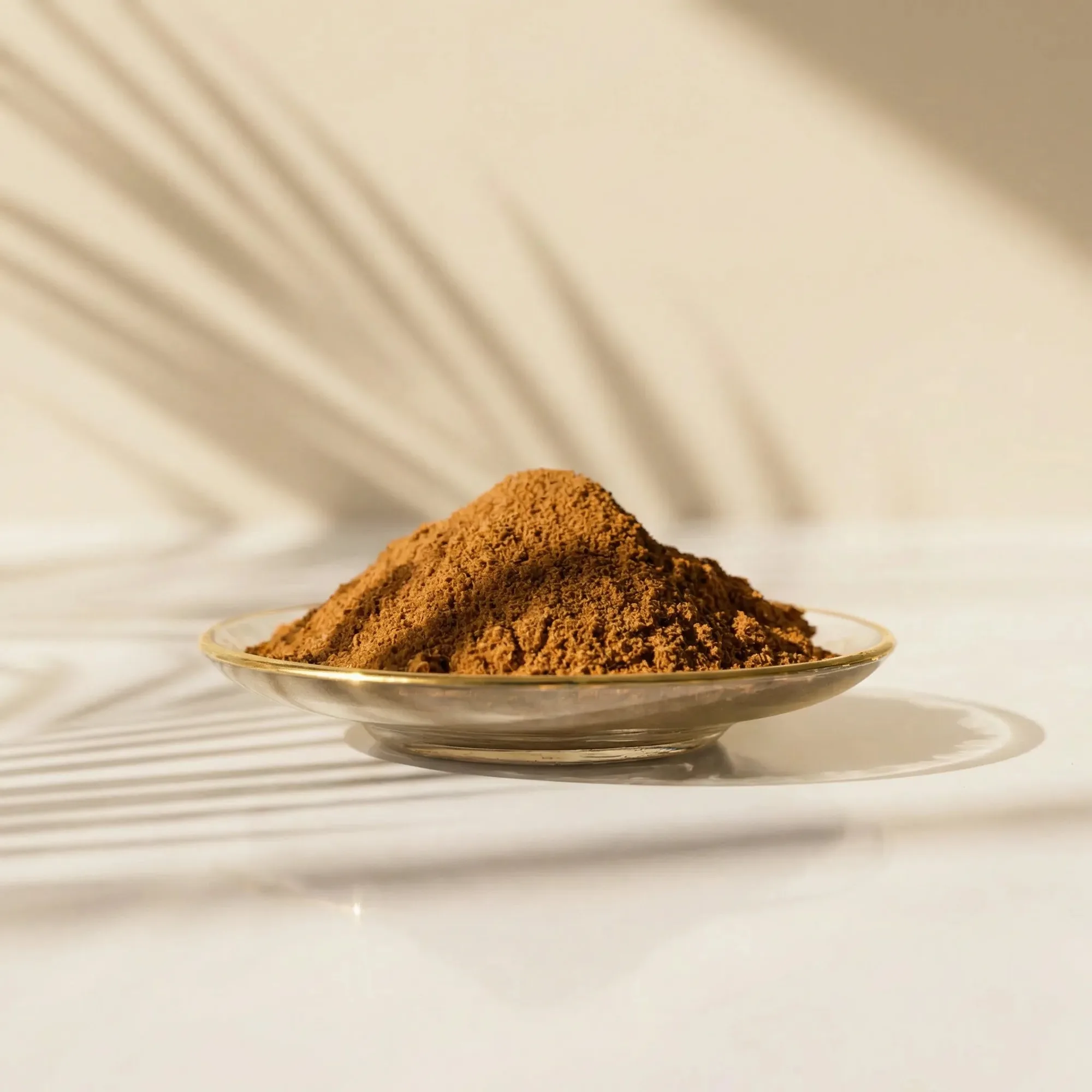
- Nutmeg Powder – Premium Ground Spice: Casa Pons Nutmeg Powder is a premium ground spice with a warm, aromatic flavor and rich fragrance, and it is available in different sizes. Because it is already ground, it has more surface area exposed to air than whole nutmeg, so the size you choose should match how quickly you will use it.
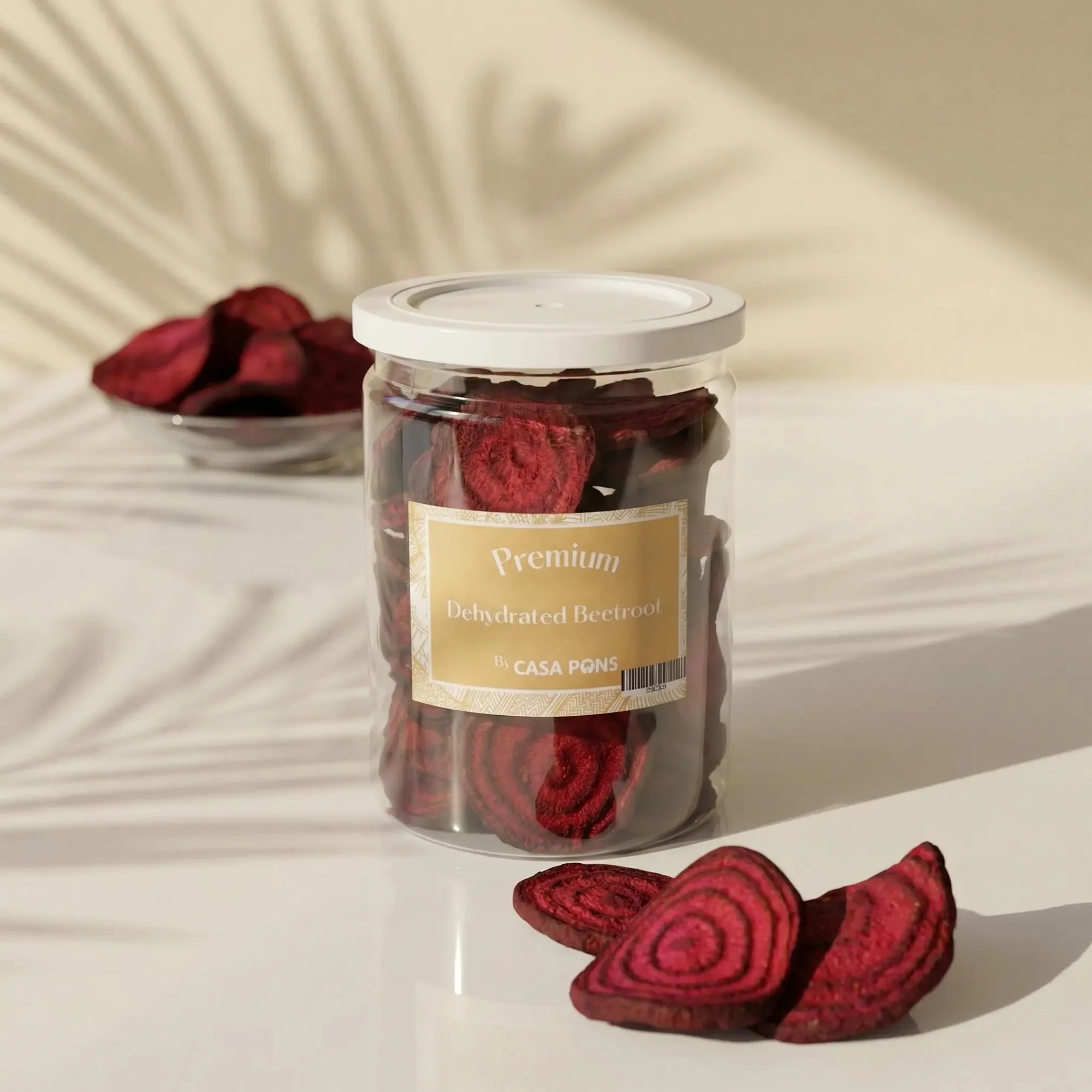
- Dehydrated Beetroot – Jar Pack: Dehydrated Beetroot comes in a resealable jar designed to keep it fresh, with a naturally sweet, crunchy texture. The resealable jar is the main defense against moisture, but it only works if you close it fully after every use and keep it in a dry place.