Quick Answer
Move your gummies out of the bathroom and kitchen, keep the bottle tightly closed with its original desiccant, and store them in a cool, dark, dry cabinet below 25°C (77°F). If your gummies are already fused into a block or sweating, treat that bottle as compromised and replace it rather than trying to dry it out.
Why Humidity Ruins Gummies Faster Than Heat Alone
Gummies are a gel matrix, and that matrix is hygroscopic, meaning it pulls moisture out of the air. In humid weather, the outer surface absorbs water first, turning tacky, then soft, then sticky enough to weld neighboring gummies together. Once moisture is inside the gummy, the texture does not fully recover even if the air dries out again.
Heat compounds the problem by softening the gel, so a humid 30°C kitchen does more damage in a week than a dry 22°C cupboard does in a month. This is also why a bathroom shelf is the worst possible spot: every shower spikes the local humidity, and the bottle breathes that moisture in and out daily.
The Storage Setup That Actually Works
Keep the original bottle, cap, and desiccant packet. The desiccant is doing active work, and transferring gummies into a decorative jar removes your only moisture buffer. If the desiccant is saturated or missing, a food-grade silica packet from a supplement bottle can stand in.
Store in the coolest, driest cabinet you have, ideally away from the stove, dishwasher, kettle, and any window that gets direct sun. A closed pantry shelf at or below 25°C (77°F) is the practical target for most homes. If your only storage space is genuinely hot and humid, a sealed container in the refrigerator door is a reasonable fallback, but expect condensation each time you open it, so keep the bottle capped before it warms up.
Never leave the cap off between doses. The thirty seconds a bottle sits open in a steamy room is enough to start surface tackiness, and that adds up over a 60- or 90-count bottle.
What to Do If Your Gummies Already Changed
Separate the symptom from the cause before you throw anything out. Slight surface tackiness with intact shapes usually means the bottle was exposed to a humid stretch but the interior is fine; wipe the outside of the bottle, add a fresh desiccant, and store it better from now on. A solid fused block, visible syrup, mold, or a sour or fermented smell means moisture penetrated the gummies and the bottle should be discarded.
Do not try to rescue melted or fused gummies by refrigerating, re-drying, or picking them apart. The texture will not return, dosing becomes uneven when pieces break, and any mold you cannot see is a real risk. This is a replace-the-bottle situation, not a salvage one.
How to Read a Bottle's Storage Instructions
Most gummy labels give a temperature range and a 'store in a cool, dry place' line, and that wording is deliberate, not filler. Treat the stated maximum as a hard ceiling for your cabinet, not an average. If a label does not list a specific temperature or humidity range, use the conservative default of below 25°C (77°F) and low humidity, and keep the bottle in its original packaging so you retain whatever stability data the manufacturer did provide.
Check the expiration or best-by date when you buy, and again when you open. A bottle that sat in a humid warehouse or a hot delivery van may already be closer to the end of its usable window than the date suggests. Buying smaller counts in peak humid months is a simple way to reduce the odds of a bottle degrading before you finish it.
Diagnose Your Gummy Storage Problem
- Symptom: gummies are tacky but still separate cleanly: Likely cause is surface moisture from a humid room or an open cap. Corrective action: wipe the bottle dry, add a fresh desiccant packet, and move the bottle to a cool, dark cabinet below 25°C (77°F). Checkpoint: if texture returns to normal within a day in the new spot, keep the bottle.
- Symptom: gummies are fused into one block or leaking syrup: Likely cause is sustained high humidity and heat that let moisture penetrate the gel. Corrective action: discard the bottle. Do not refrigerate, re-dry, or break the block apart. Stop here and replace the bottle; texture and dosing will not recover.
- Symptom: mold, fuzz, or a sour or fermented smell: Likely cause is moisture plus a compromised or missing desiccant over an extended period. Corrective action: discard immediately and check whether other bottles in the same cabinet show the same signs. Stop here and choose another option: replace the product and change the storage location, not just the bottle.
- Symptom: no visible change, but the bottle has been open past its best-by date: Likely cause is time rather than humidity. Corrective action: follow the label's expiration guidance and replace the bottle rather than judging by appearance alone. Checkpoint: appearance is not a reliable freshness test once the date has passed.
Products in This Storage Guide
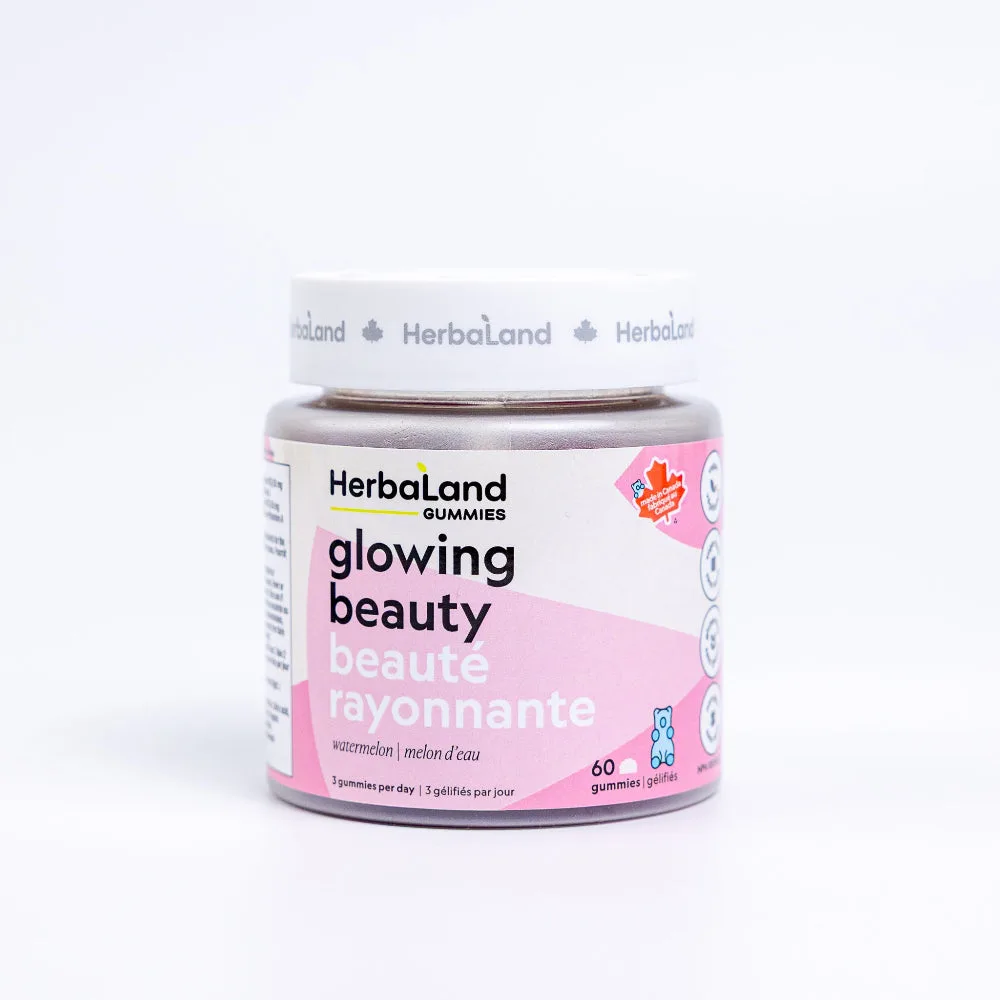
- Glowing Beauty (Vegan Collagen Booster): Sugar-free vegan gummy with L-lysine, vitamin C, amla fruit, and vitamin A, formulated to support natural collagen production for skin, hair, and nails. Sugar-free gummies can still absorb humidity, so the same cool, dry, capped storage rules apply even though the formula skips sugar.
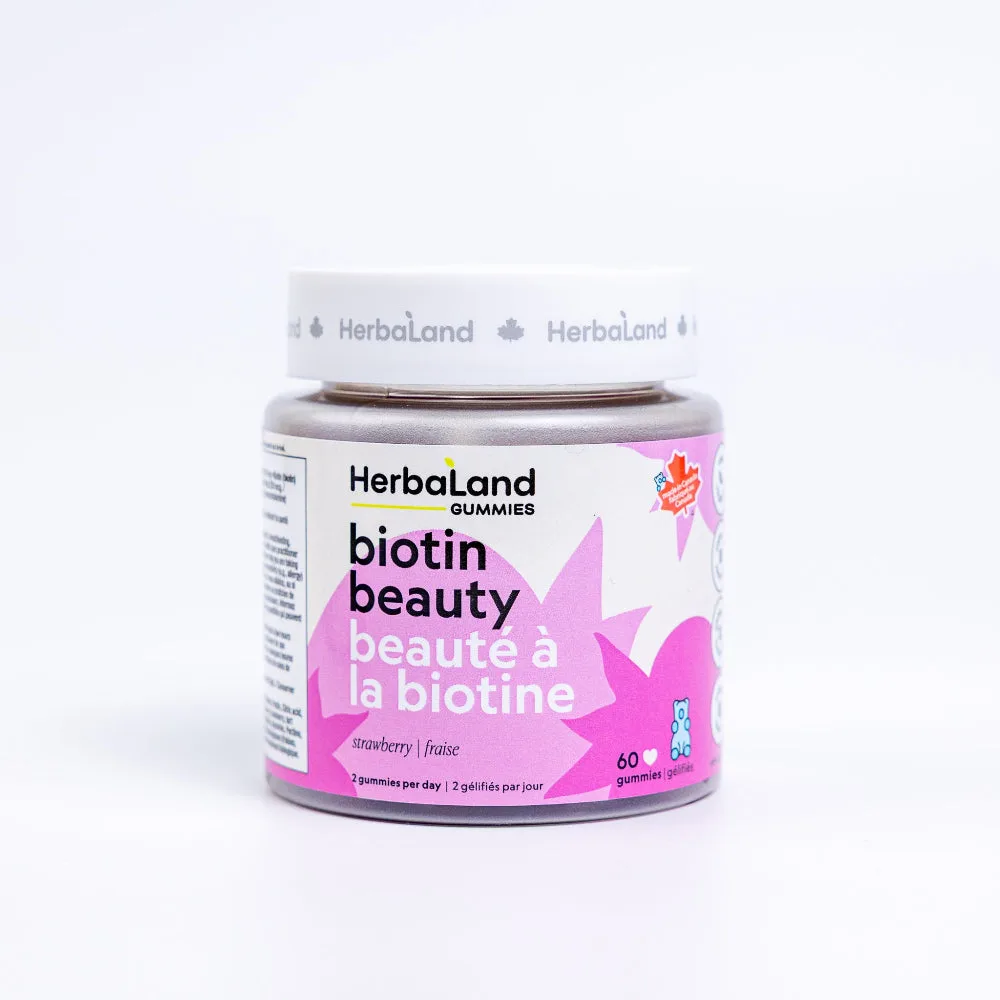
- Biotin Beauty: Sugar-free vegan gummy with 2,500 mcg biotin plus zinc, folate, and vitamin B12 to help maintain healthy hair, nails, and skin. A daily-use bottle like this one is opened often, so each open-cap moment in a humid room is a chance for surface moisture to build up.
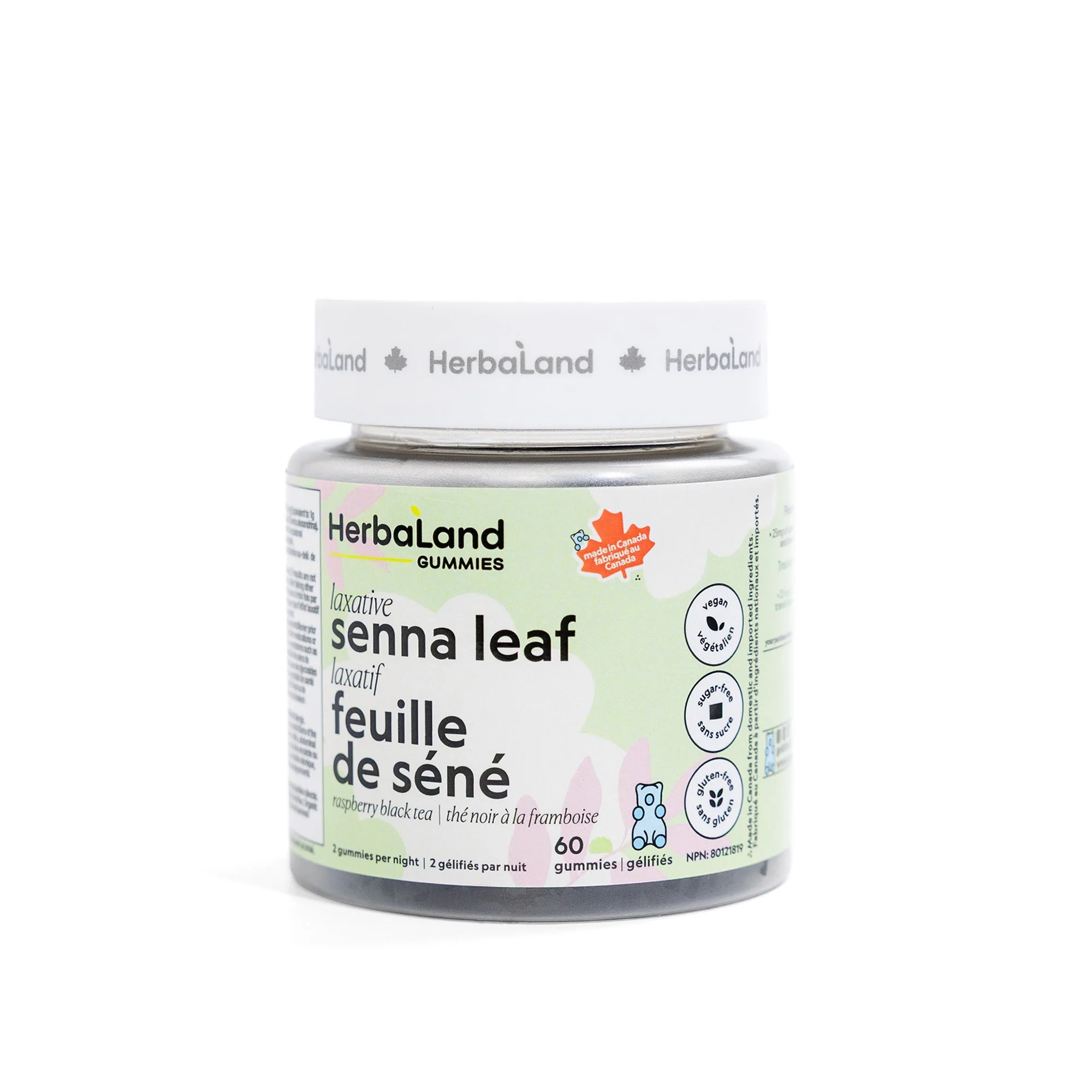
- Senna Leaf (Laxative): Sugar-free senna leaf gummy providing 25 mg senna leaf extract per gummy, equivalent to 1 g of dried senna leaf, for short-term relief from occasional constipation. Because this is a short-term product, buy the size you will actually finish in a humid season rather than storing a large bottle for months.