Quick answer
Store hardcover RPG books upright on a sturdy, level shelf, out of direct sunlight, with the spine facing out and nothing pressing against the covers. Keep the room between 65 and 75°F with humidity around 40–50%, and avoid stacking heavy books on top of each other. If you travel with rulebooks or expansions, use a padded bag or case so corners and spines do not get crushed.
Hardcover RPG books are built to survive years of table use, but they are not indestructible. Warped boards, cracked spines, and sun-faded covers almost always come down to how the books are stored between sessions, not how often they are played. A little shelf discipline goes a long way.
This guide walks through a simple storage routine you can set up in an afternoon. It covers shelving, climate, stacking, travel, and the small checks that catch damage before it becomes permanent. The same habits apply whether you are storing a single core rulebook or a shelf full of expansions.
Choose the right shelf and position
Start with a sturdy shelf that will not sag under load. A bookcase with a solid back and adjustable shelves works better than thin wire racks because it blocks dust and keeps books from sliding. Place the shelf away from radiators, heating vents, and exterior walls that sweat in humid months. Direct sunlight is the fastest way to fade a cover, so pick a spot out of the daily sun path.
Position books upright with the spine facing out and the pages facing inward. This keeps the text block supported by the spine rather than hanging from the covers. Leave a little breathing room at the end of each row so you can pull a book out by the middle of the spine instead of hooking a finger over the top edge, which is a common way to tear a headcap.
- Checkpoint: press down on the shelf with your hand before loading it. If it flexes, it is not ready for heavy rulebooks.
- Avoid shelves deeper than the books themselves; deep shelves invite you to stack things behind the books, which traps dust and moisture.
Control humidity and temperature
Paper and board expand and contract with moisture. A room that swings from damp to dry will slowly warp covers and loosen spines. Aim for a stable 40–50% relative humidity and a temperature between 65 and 75°F. A cheap hygrometer takes the guesswork out of it, and a small dehumidifier or a few silica gel packets in a closed cabinet can handle mild swings.
Do not store books in a basement, garage, or attic unless the space is climate-controlled. Those rooms are the usual suspects behind musty pages, mold spots, and delaminated cover boards. If you live in a humid climate, keep books on an interior wall and run a fan or dehumidifier during the wettest months.
- Common mistake: storing books against a cold exterior wall. Condensation forms behind the books and wicks into the covers.
- Checkpoint: if pages feel cool and slightly limp when you open a book, humidity is too high.
Stack and support books correctly
Upright storage is the default for hardcovers, but very large or heavy books can benefit from lying flat if the shelf is not tall enough to hold them vertically. The key is to avoid leaning. A book that leans for months will develop a permanent twist in the boards and a curved spine. Bookends should support the row firmly without pinching the covers.
Never stack more than two or three hardcovers on top of each other. Weight presses down on the bottom book's spine and cover boards, and over time that pressure shows up as a bowed cover and a cracked hinge. If you must stack, put the largest, heaviest book on the bottom and keep the pile short.
- Common mistake: using heavy bookends that clamp the covers. Use smooth, flat supports that touch only the outer boards.
- Checkpoint: run a finger along the top of a row. If any book rocks or leans, adjust the support before leaving it.
Protect spines, corners, and covers
The spine and corners take the most abuse. When you pull a book off the shelf, grip the middle of the spine, not the top edge. When you open a new hardcover for the first time, lay it flat on a table and gently press down along the inner hinges, a few pages at a time, to loosen a tight binding without cracking it. This is standard practice for any new rulebook or expansion.
For extra protection, a clear, removable book cover or a fabric slipcase keeps dust off the boards and cushions shelf-to-shelf contact. Keep books away from food, drinks, and pets. A single spilled drink can stain pages and swell the text block, and a chewed corner is permanent.
- Common mistake: yanking a book out by the top of the spine. That is how headcaps tear.
- Checkpoint: after a game session, wipe the covers with a dry, lint-free cloth before shelving.
Handle travel and temporary storage
If you bring books to game night, use a padded bag or hard case that holds them upright or flat, not at an angle. A loose tote lets books slide and knock corners together. For longer trips, wrap each book in a soft cloth or place it in a slipcase, and avoid leaving books in a hot car, where heat and humidity can warp covers in a single afternoon.
When you need to store books temporarily during a move or renovation, use clean, dry boxes and line them with plain paper or bubble wrap. Do not seal books in plastic bags for long periods; trapped moisture encourages mold. Label the boxes and keep them off concrete floors, which transfer dampness.
- Common mistake: packing books spine-down in a box. The weight of the text block pulls on the spine and can tear the hinge.
- Checkpoint: after any move, open each book and check the hinges and corners before reshelving.
Storage routine: seven steps to follow
- Pick a stable, shaded shelf: Choose a sturdy bookcase away from sunlight, heat vents, and exterior walls. Make sure the shelf does not flex under the weight of your heaviest rulebooks. Checkpoint: if the shelf bows when loaded, move the books to a stronger unit.
- Set the climate: Aim for 40–50% relative humidity and 65–75°F. Use a hygrometer to monitor the room and a dehumidifier or silica packets if it runs damp. Common mistake: assuming a cool basement is safe. It is usually the dampest room in the house.
- Shelf books upright, spine out: Stand hardcovers vertically with the spine facing out and pages inward. Use smooth bookends to keep the row from leaning, and leave a little space between books. Checkpoint: no book should lean or rock when you nudge the row.
- Limit stacking: If you must stack, keep piles to two or three books and put the largest on the bottom. Never stack heavy hardcovers on top of smaller ones for long periods. Common mistake: leaving a tall pile on a shelf for months, which bows the bottom cover.
- Open new books gently: Lay a new hardcover flat and press down along the inner hinges a few pages at a time. This loosens a tight binding without cracking it. Do this before your first session so the spine breaks in evenly.
- Pull from the middle of the spine: Grip the center of the spine when removing a book. Do not hook a finger over the top edge, which tears the headcap and loosens the hinge. Checkpoint: if the top of the spine feels soft or frayed, handle that book with extra care.
- Pack and travel with support: Use a padded bag or hard case that holds books upright or flat. Wrap books in cloth or a slipcase for moves, and keep them off concrete floors and out of hot cars. After any trip, open each book and check the hinges and corners before shelving.
What this looks like in practice
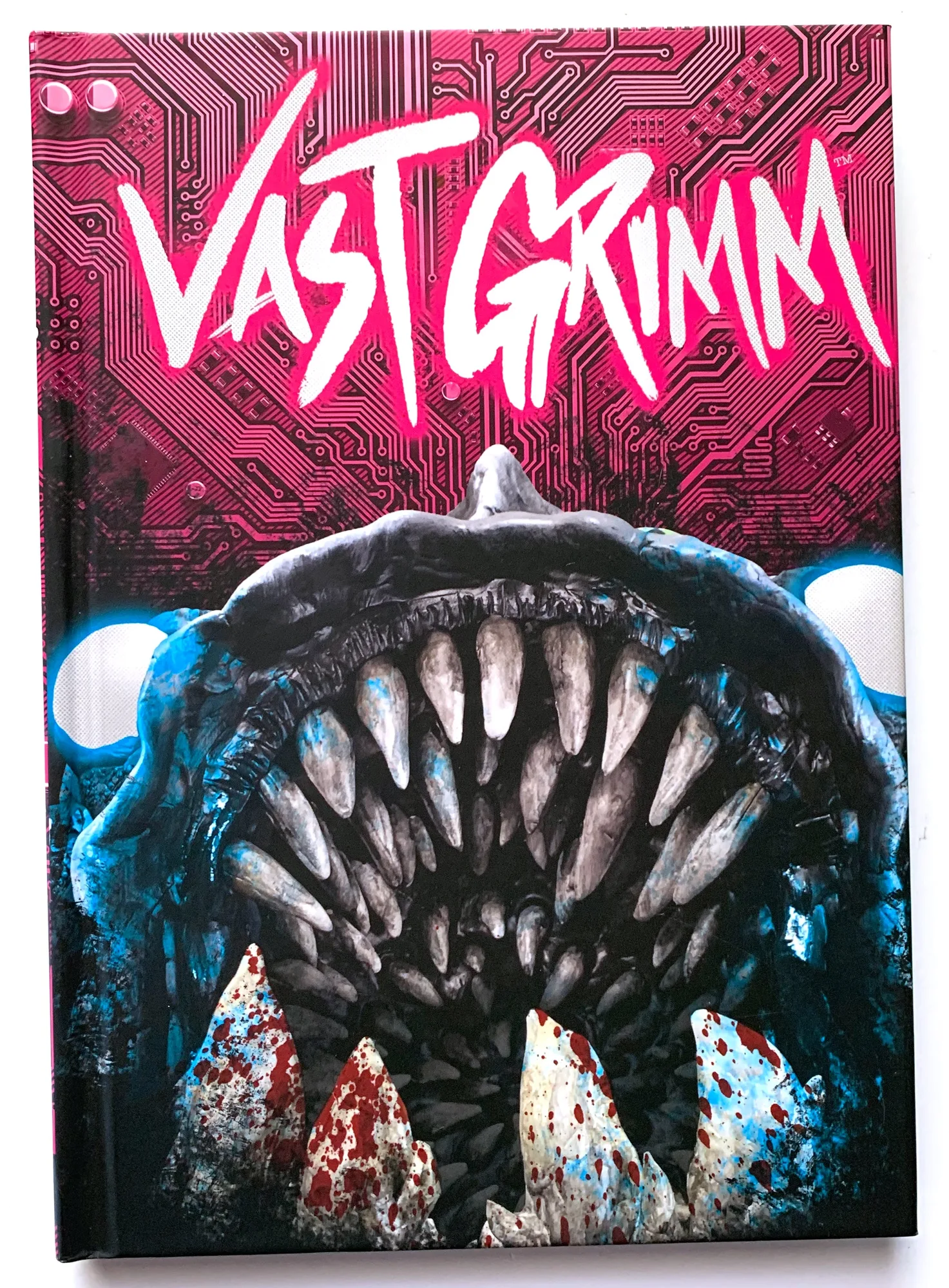
- Vast Grimm – Blood Altared Hardcover Expansion Book: This hardcover expansion is an adventure and expanded content book for Vast Grimm, with blood-soaked maps and caverns for the Mausoleum of THEY and the Fatumite colony on K2-116B. A hardcover expansion like this gets heavy table use and needs the same upright, climate-stable storage as a core rulebook so its maps and spine survive repeated sessions.
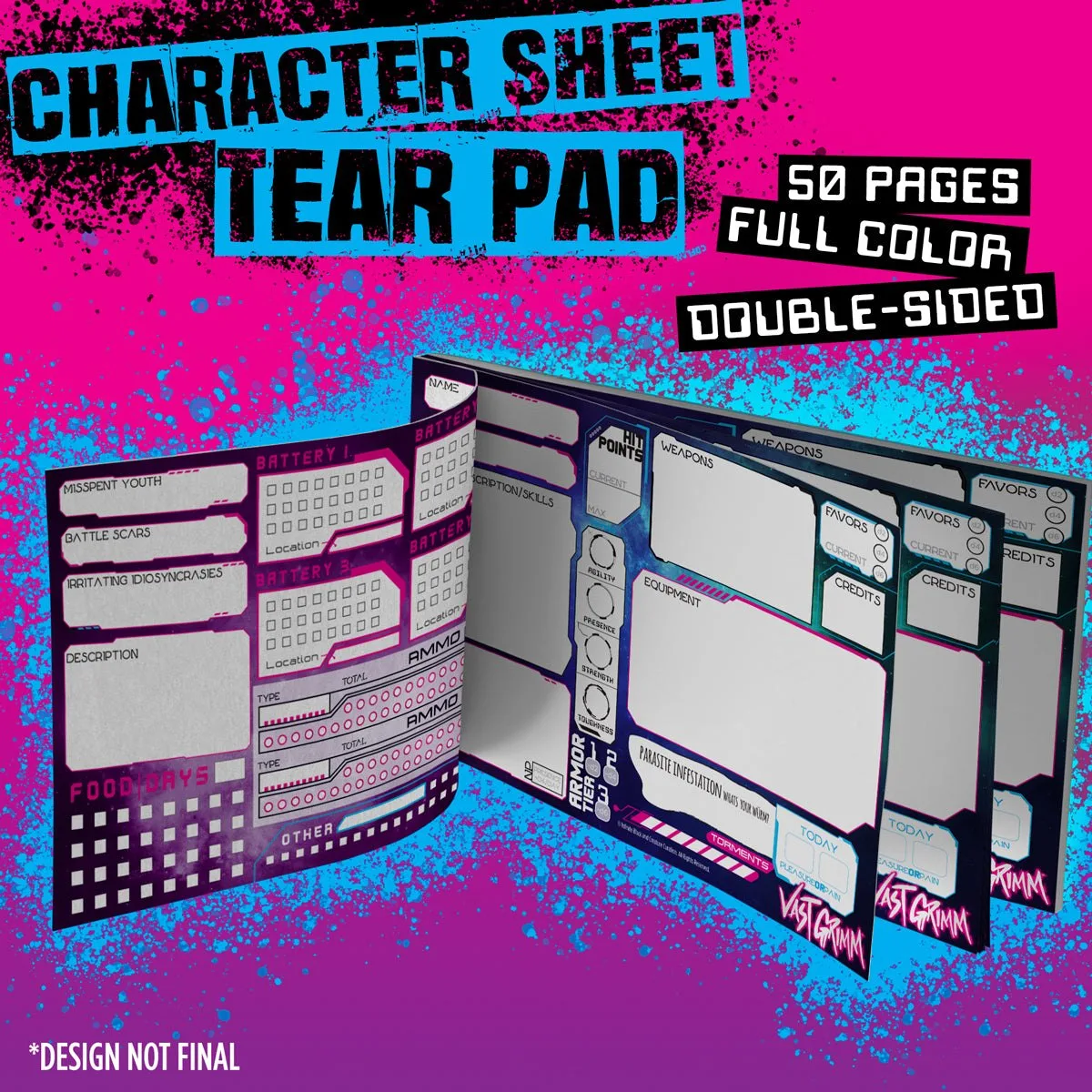
- Vast Grimm Starship Sheet Tear Pad: This tear pad gives you vibrant starship sheets with a hex grid on the back for space combat, so you are not writing starship stats on an index card. Keep the pad flat and dry, ideally in the same shelf area as your rulebooks, so the sheets stay crisp and the hex grid stays usable for combat.
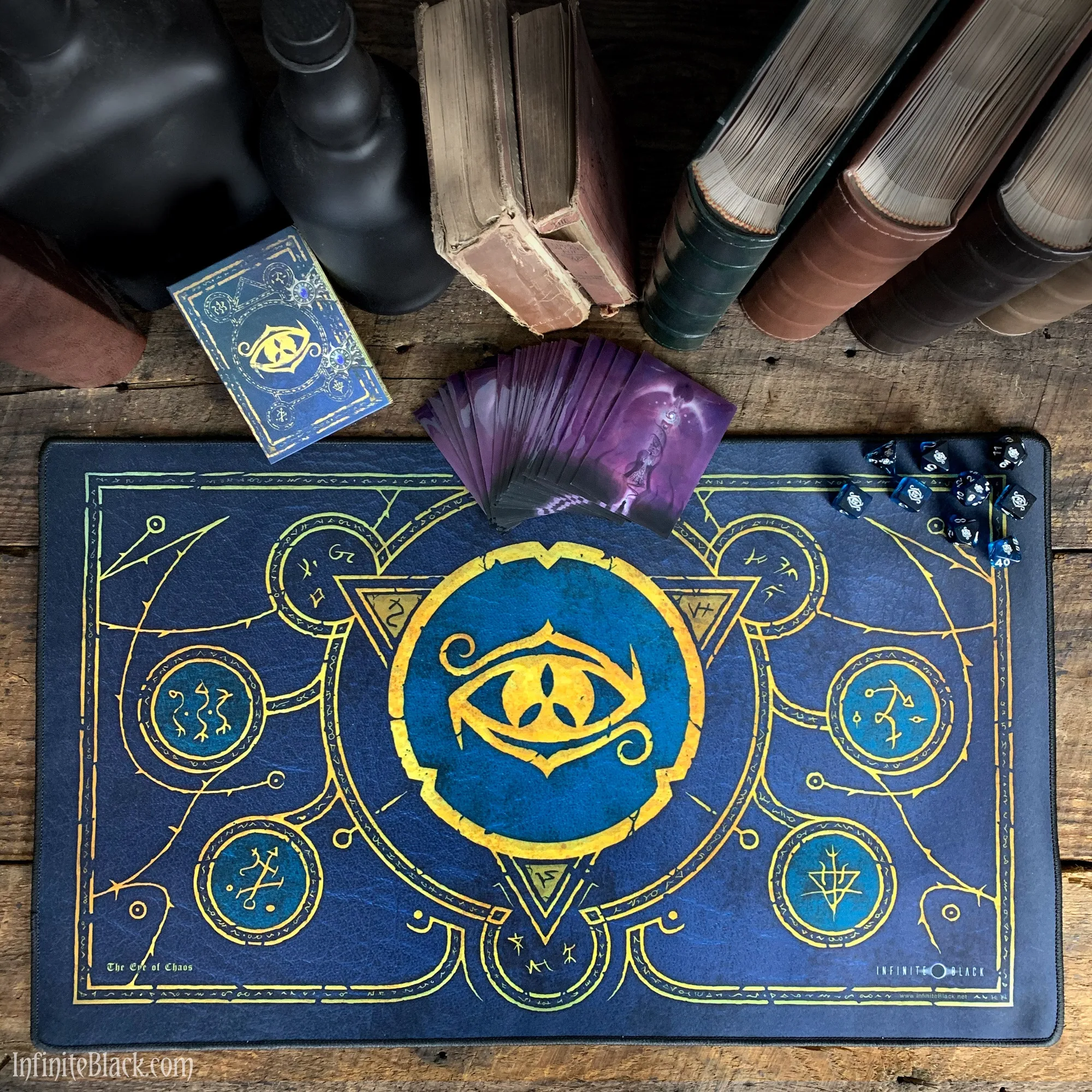
- The Brand of Cthulhu (Eldritch Red) - Premium Playmat: This playmat features The Brand of Cthulhu in Eldritch Red. A playmat is a flat accessory, so store it rolled or laid flat away from heavy books; do not press hardcovers on top of it, which can leave creases.
Good storage is mostly about consistency: a sturdy shelf, a stable room, and a habit of handling spines with care. Set up those three things and your hardcover RPG books will stay flat, clean, and readable through years of campaigns. Check your shelf once a season, and fix small issues before they turn into warped covers or cracked hinges.