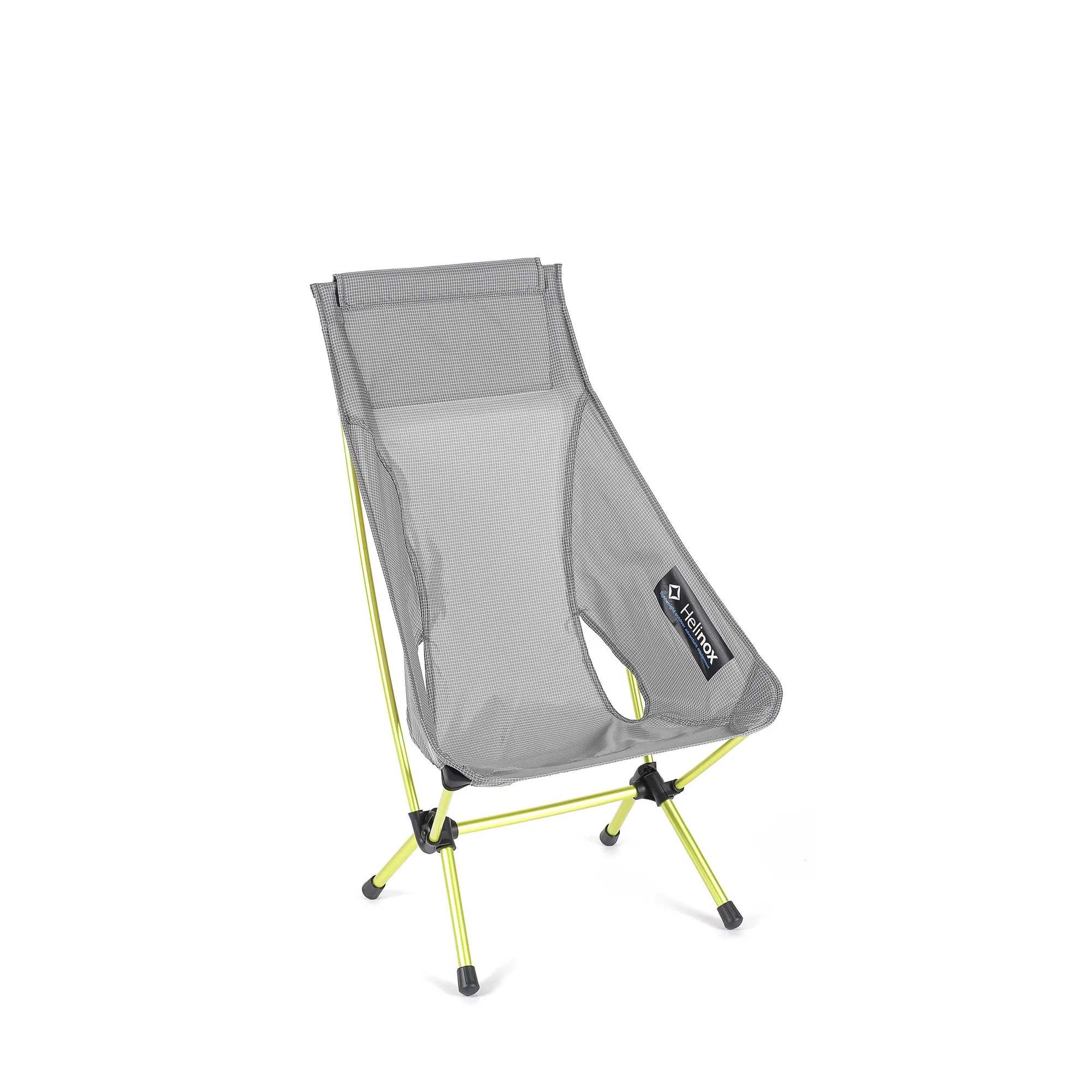
Quick answer
Clean and fully dry every piece, then store your Helinox gear loosely folded in a dry, temperature-stable spot away from concrete floors and direct sun. Keep poles, feet, and seats together in a labeled bin so nothing goes missing, and check the gear once mid-winter. This routine protects the frame coating and fabric, and it makes spring setup a five-minute job instead of a repair project.
Off-season storage is where lightweight gear either quietly survives or quietly degrades. A damp chair packed in a stuff sack for six months can grow mildew and corrode aluminum, while a dry, loose, organized setup comes out of winter looking like it did in October.
The good news is that Helinox gear is designed to pack small, so storage is mostly about three things: moisture, tension, and small parts. Follow these steps once at the end of the season, and you will not spend spring cleaning rust or hunting for a missing replacement foot.
Why off-season storage matters more for ultralight gear
Ultralight gear saves weight by using thin fabrics, anodized aluminum poles, and minimal hardware. Those choices are durable in use, but they are less forgiving of long-term moisture and pressure than heavy steel-and-canvas furniture. Storing a damp chair in a compressed sack traps water against the fabric and frame.
Tension is the second issue. A chair left fully assembled and loaded in a garage or shed keeps stress on the frame and seat for months. Loosening the structure before storage lets the materials rest and reduces the chance of stretched fabric or a bent pole next season.
- Store gear dry, not just dry to the touch.
- Avoid concrete floors, which wick moisture into fabric and metal.
- Keep gear out of direct sun, which fades and weakens synthetic fabric over time.
Clean before you store, not after
Dirt and body oils hold moisture and can abrade fabric when gear is folded. Wipe the frame with a damp cloth and mild soap, then rinse and dry it completely. For the seat, use a soft brush or cloth with lukewarm water; skip harsh detergents and never machine wash a Helinox seat.
Pay attention to the small parts. Replacement feet, hubs, and pole ends collect grit that can work into joints. A quick wipe now prevents a gritty, hard-to-assemble frame in spring.
- Never pack gear away wet, even for a short time.
- Let everything air-dry fully before folding.
- Check zippers and seams for grit or damage while the gear is clean and visible.
Store the chair loose, not compressed
The stuff sack is for transport, not for six months of storage. Fold the chair loosely or hang it by the frame in a dry closet. If you must use the sack, leave it unzipped so air can move and the fabric is not creased along the same lines all winter.
If you have a chair with a high back or armrests, store it in its relaxed shape rather than forcing it into the smallest possible bundle. This is a small habit that keeps the seat shape and frame alignment intact.
- Hang or loosely fold; do not compress.
- Leave the stuff sack open if you use it.
- Keep the chair away from heavy items that could bend poles.
Organize small parts so nothing disappears
Replacement feet, cot hardware, and pole sections are easy to lose in a crowded garage. Use one clear bin or labeled pouch per item type, and keep spare parts with the gear they belong to. This is also the moment to note what is worn and order replacements before spring demand.
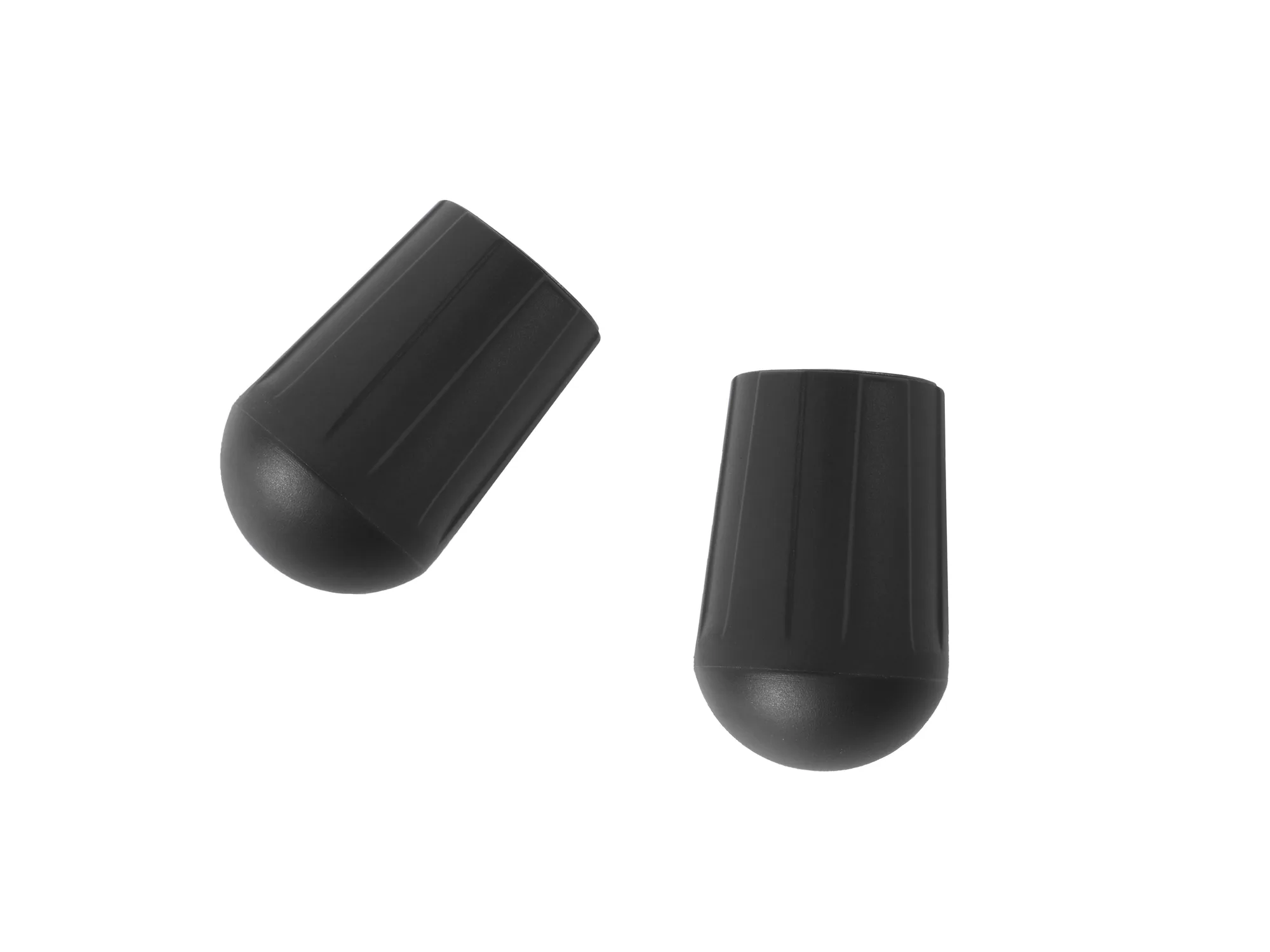
For example, the https://helinoxgx.com/products/cafe-zero-high-back-feet-replacement-set-of-2-8e676853f7ccb1ef03a5f8ad-1905952https://helinoxgx.com/products/chair-zero-high-back-f1104c6c174246beb31cb9e5-1905905Chair Zero High-Back Feet Replacement (set of 2) is a small, inexpensive part that is much easier to install now than to hunt for when you are packing for a trip. The Incline Festival Chair Replacement Seat is another part worth checking and storing with the chair it fits.
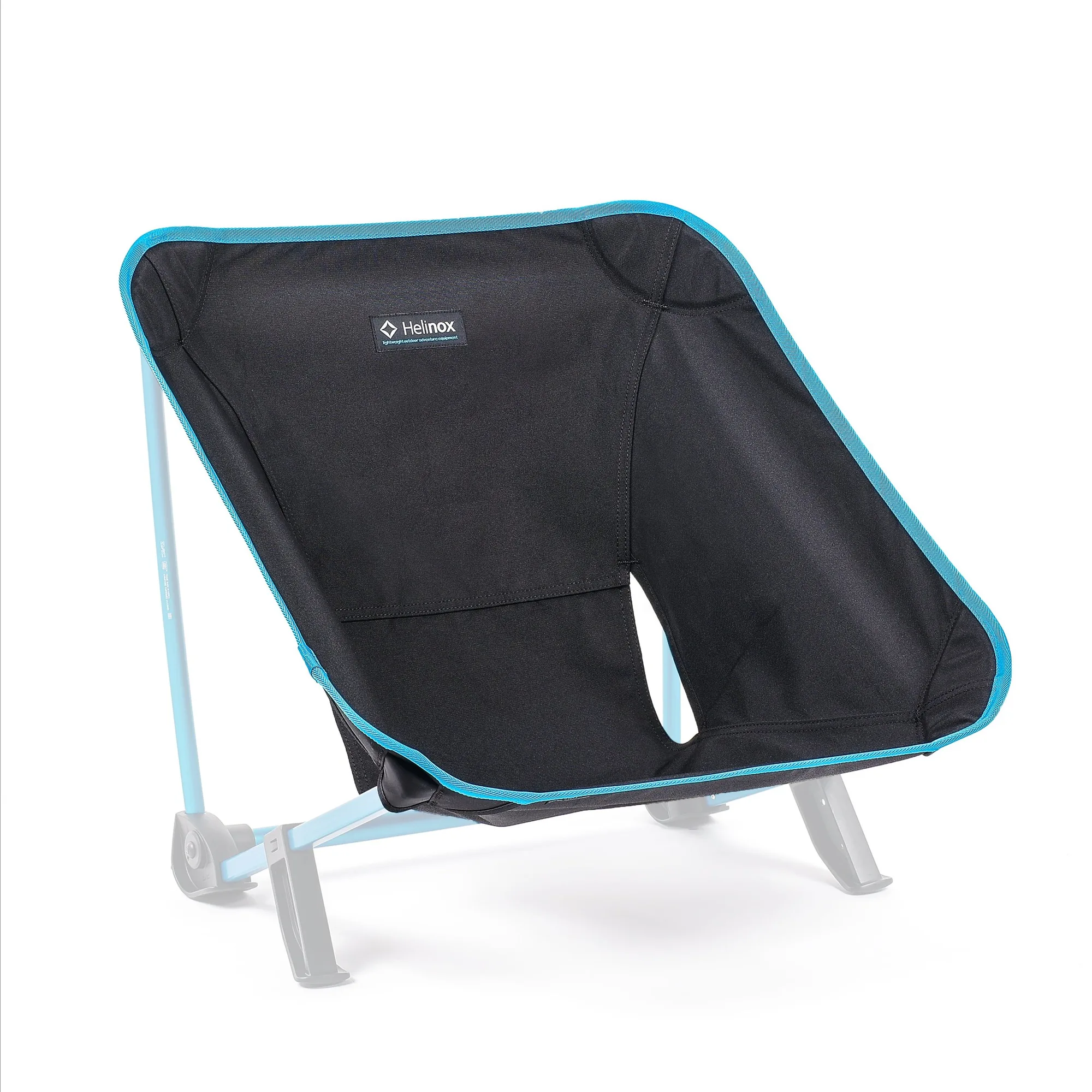
Incline Festival Chair Replacement Seat
- Label bins by product name, not by season.
- Store spare feet and seats with their matching chair.
- Photograph your setup before storing so spring reassembly is obvious.
Choose a dry, stable storage spot
A climate-controlled closet or a dry indoor shelf beats a damp shed, garage, or unheated attic. If indoor space is limited, use a sealed bin with a desiccant pack and raise it off the floor on a shelf or pallet. Avoid storing gear against exterior walls, which can sweat in cold weather.
Temperature swings are less damaging than standing moisture, but both matter. A stable, ventilated spot keeps condensation from forming inside folded fabric and around metal joints.
- Elevate gear off concrete.
- Use a desiccant pack in sealed bins.
- Check the bin once mid-winter for moisture or pests.
Do a mid-winter check and a spring reset
Once in the middle of the off-season, open the bin, confirm everything is dry, and refold the chair along different lines if it is stored folded. This five-minute check catches condensation, mildew, or pest activity before it becomes permanent.
When spring arrives, set the chair up at home before your first trip. Test the frame, check the feet, and confirm the seat tension feels normal. If something is off, you still have time to order a replacement part before the season starts.
- Mid-winter: check for moisture and refold.
- Spring: assemble once at home before packing for a trip.
- Replace worn feet or seats before the first campout.
Off-season storage steps
- Clean and dry every piece: Wipe the frame with mild soap and water, brush the seat, and let everything air-dry completely before folding. Common mistake: packing gear away while it is still damp, which invites mildew and corrosion. Checkpoint: no visible moisture and no grit in joints or feet.
- Loosen tension and store loose: Disassemble the chair and store it loosely folded or hung, not compressed in the stuff sack. Common mistake: leaving the chair assembled and loaded, which keeps stress on the frame and fabric all winter. Checkpoint: the frame is relaxed and the seat is not creased along one line.
- Bag and label small parts: Put replacement feet, seats, and game pieces in labeled pouches with the gear they belong to. Common mistake: tossing loose parts into a general bin, where they vanish by spring. Checkpoint: every chair has its spare feet and seat accounted for.
- Choose a dry, elevated spot: Store bins on a shelf or pallet away from concrete and exterior walls, with a desiccant pack if the space is sealed. Common mistake: storing gear directly on a damp garage floor. Checkpoint: the storage spot stays dry through temperature swings.
- Check mid-winter and reset in spring: Open the bin once mid-season to confirm everything is dry, then assemble the chair at home before your first trip. Common mistake: waiting until you are at the campsite to discover a problem. Checkpoint: the chair sets up normally and all feet are present.
Helinox gear that benefits from off-season care
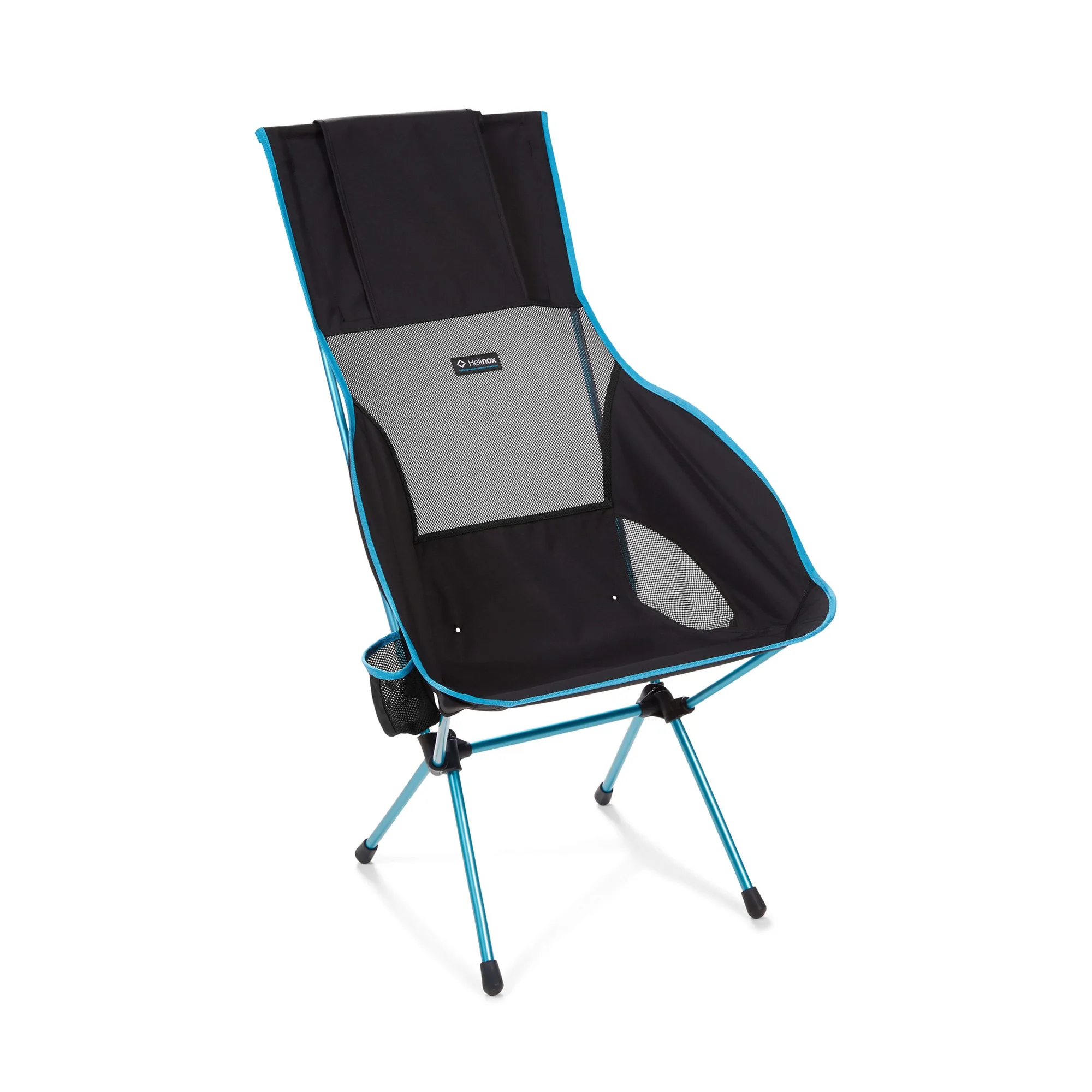
- Savanna Chair: The Savanna Chair comes with armrests, cup holders on both sides, and a tall back for full neck and shoulder support. More structure means more places for grit and moisture to hide, so wipe the armrests and cup holders and store this chair loosely rather than compressed.
- Chair Zero High-Back Feet Replacement (set of 2): Pair of replacement feet for the Chair Zero High-Back. Keeping a spare set with your stored chair means a worn or lost foot does not sideline the chair at the start of next season.
- Incline Festival Chair Replacement Seat: A replacement seat option for the Incline Festival Chair, available in multiple colors. If the seat shows wear at the end of the season, storing a replacement now avoids waiting for a restock when camping weather returns.
- Origami Tote: The Origami Tote is designed to carry four Helinox furniture items and unfolds into a picnic mat when you arrive at your destination. Use it to carry gear to and from storage, then fold it flat and store it dry so the mat side does not mildew.
Off-season storage is mostly about moisture, tension, and small parts. Clean and dry your gear, store it loose in a stable spot, and keep spare parts labeled with the products they fit. Do that once, and your Helinox gear will be ready to use the moment the season turns.