Why Storage Matters for Hot Sauce
Hot sauce is a pantry staple that can elevate everything from fried chicken to avocado toast. But how you store it affects how long it stays vibrant and flavorful. While many sauces are shelf-stable before opening, the way you handle them after opening can make a real difference in taste and texture.
This guide covers the basics of hot sauce storage, what to consider for fermented sauces like those from Red Clay Hot Sauce, and practical tips to keep your bottles at their best.
What the Supplied Information Says About Shelf Life
The product information for Red Clay Hot Sauce's Original and Carolina Hot Sauce duo emphasizes versatility and fermentation, but it does not specify an exact shelf life or storage instructions. This means we can't confirm a precise 'best by' date or whether refrigeration is required after opening.
What we do know: these are fermented sauces, which typically have natural preservative qualities. However, without explicit guidance, it's wise to follow general hot sauce storage principles and observe the sauce for any changes in smell, color, or texture.
General Hot Sauce Storage Tips
While specific instructions for Red Clay sauces aren't provided, these universal tips help maintain quality for most hot sauces:
- Store in a cool, dark place: Heat and light can degrade flavor and color over time. A pantry or cupboard away from the stove is ideal.
- Keep the cap tight: Exposure to air can introduce bacteria and cause oxidation, which may alter the sauce's taste and texture.
- Use clean utensils: Avoid dipping food directly into the bottle. This prevents introducing crumbs or bacteria that can shorten shelf life.
- Refrigerate after opening for longer freshness: While not always required, refrigeration slows down enzymatic activity and microbial growth, helping the sauce stay fresh longer.
- Check for signs of spoilage: If you notice an off smell, mold, or a significant change in texture, it's best to discard the sauce.
What to Know About Fermented Hot Sauces
Fermented hot sauces, like those from Red Clay, rely on beneficial bacteria to develop their complex flavors. This natural fermentation process can contribute to a longer shelf life compared to fresh sauces. However, the same principles of storage apply: keep them cool, sealed, and away from direct sunlight.
The Red Clay duo of Original and Carolina Hot Sauce is described as 'the perfect introduction to our fermented sauces.' This suggests a focus on flavor and quality, but it doesn't override the need for sensible storage practices.
The Red Clay Duo at a Glance
-
Original and Carolina Hot Sauce: This duo includes two bestselling sauces: Original and Carolina Hot Sauce, both fermented. Understanding that these are fermented sauces helps you apply appropriate storage expectations, even without specific instructions.
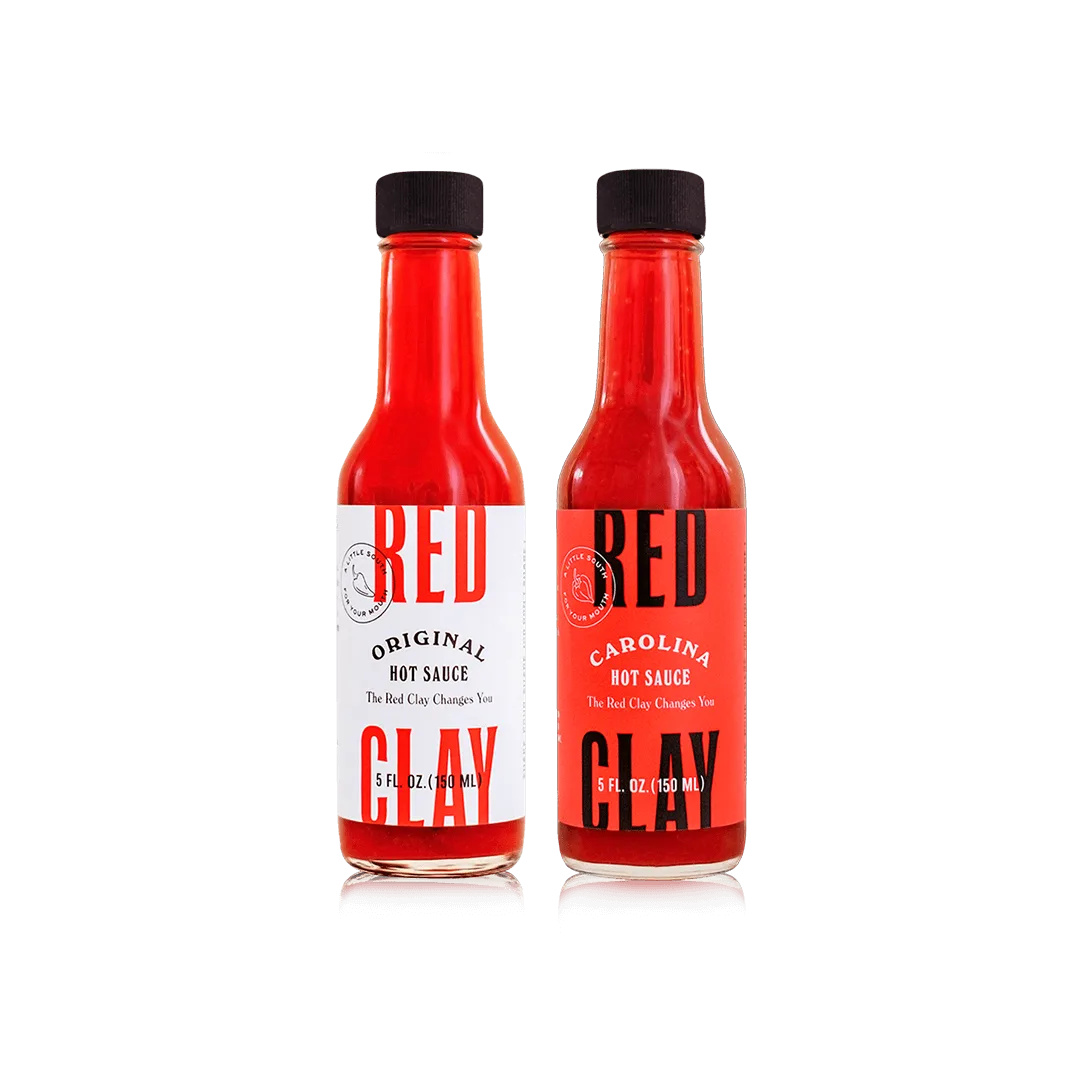
Original and Carolina Hot Sauce
-
Original and Carolina Hot Sauce: The brand suggests using them on fried chicken, oysters, avocado toast, morning scrambles, and pizza. Knowing the intended uses can help you decide how quickly you'll go through the bottle, which influences how you store it.
Making the Most of Your Hot Sauce
Ultimately, the best storage method is the one that keeps your sauce tasting great for as long as you need it. If you use hot sauce daily, a pantry shelf might be perfectly fine. If you're an occasional user, refrigeration after opening is a safer bet.
Pay attention to your sauce. If it looks, smells, or tastes different than when you opened it, trust your senses. With proper care, your Red Clay Hot Sauce duo can be a long-lasting companion to many meals.