Quick answer
Store loose leaf tea in an airtight, opaque container kept in a cool, dark, dry place. Keep it away from heat, light, moisture, and strong odors. For daily use, transfer only a small amount to a tin and refill from a larger sealed bag. This slows the loss of aroma and flavor that begins as soon as you open the pack.
Why tea freshness fades after opening
Once you open a bag of loose leaf tea, the leaves are exposed to oxygen, light, and humidity. These elements cause the delicate oils and compounds that create flavor and aroma to degrade. Green teas and lightly oxidized teas lose their brightness fastest, often within weeks if stored poorly. Black teas and chai blends are more robust but still fade over months. The goal is to slow this process, not stop it entirely. Even with perfect storage, tea will not stay as fresh as the day it was packed. That is why buying in quantities you can finish within a few months is a smart habit. The catalog does not list specific shelf life for each product, so use your senses: if the tea smells flat or looks dull, it is past its best.
Choose the right container for your tea
The container matters as much as the storage location. Look for an airtight, opaque container with a tight-fitting lid. Metal tins with double lids or ceramic jars with rubber gaskets work well. Clear glass jars let light in, which accelerates fading, so if you use glass, store it in a dark cupboard. Avoid plastic containers that can absorb and transfer odors, and never store tea in a container that previously held spices or coffee unless it has been thoroughly washed and aired. For daily use, a small tin that holds about a week's worth of tea is convenient. Keep the rest in its original sealed bag or a larger airtight container, and refill the small tin as needed. This limits how often the main supply is exposed to air.
Where to keep your tea: location matters
Heat, light, and moisture are the enemies of fresh tea. Store your tea in a cool, dark, dry place, such as a pantry or cupboard away from the stove, sink, or sunny windowsill. The refrigerator seems like a good idea, but it is not. Condensation can form each time you take the tea out, introducing moisture that ruins the leaves. If you must refrigerate tea for long-term storage, seal it in an airtight container and let it come to room temperature before opening to avoid condensation. Freezing is not recommended for daily-use tea because of the same condensation risk, and it can damage the delicate leaves. Also, keep tea away from strong-smelling items like onions, garlic, and spices. Tea leaves absorb odors easily, which can ruin their flavor.
How to handle different tea types
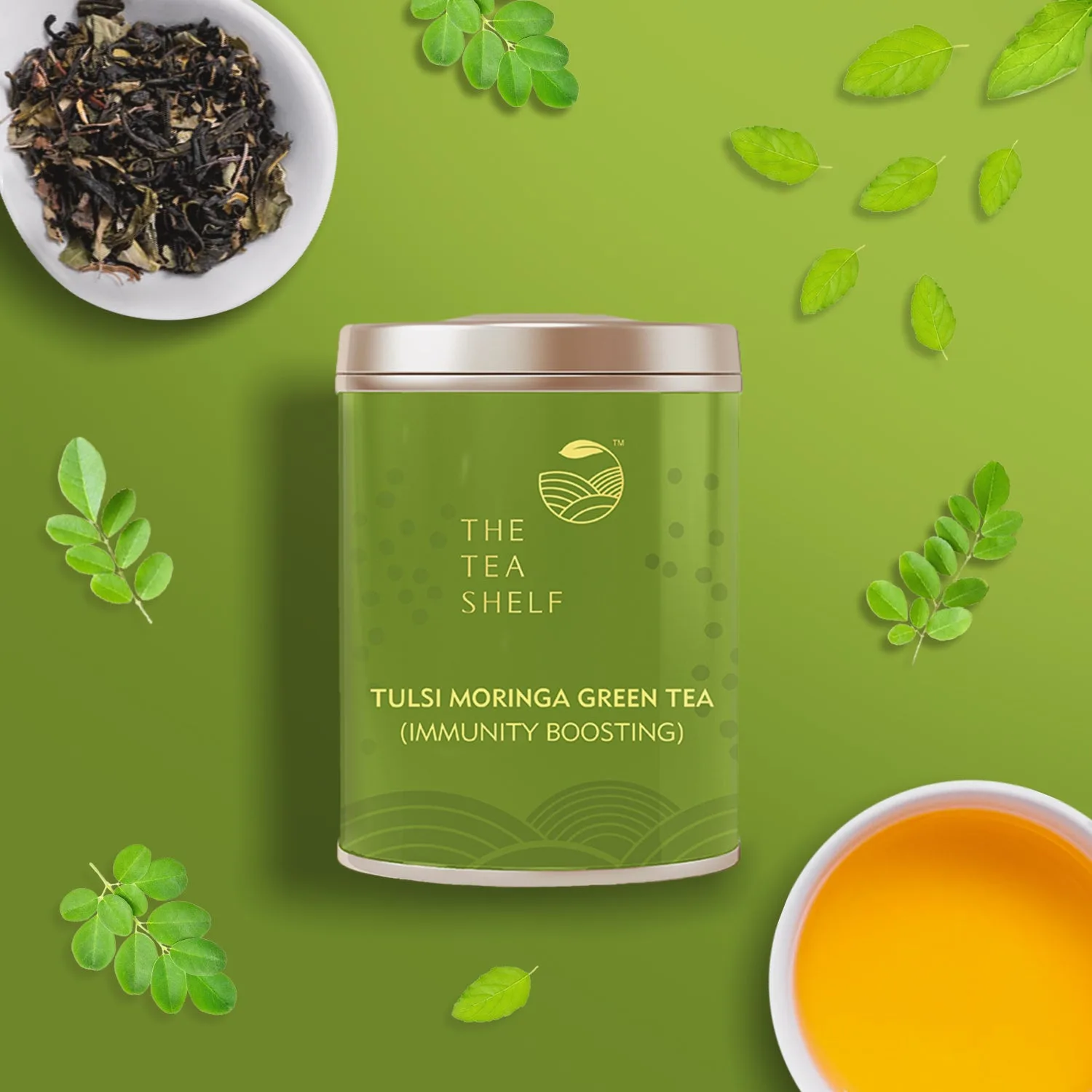
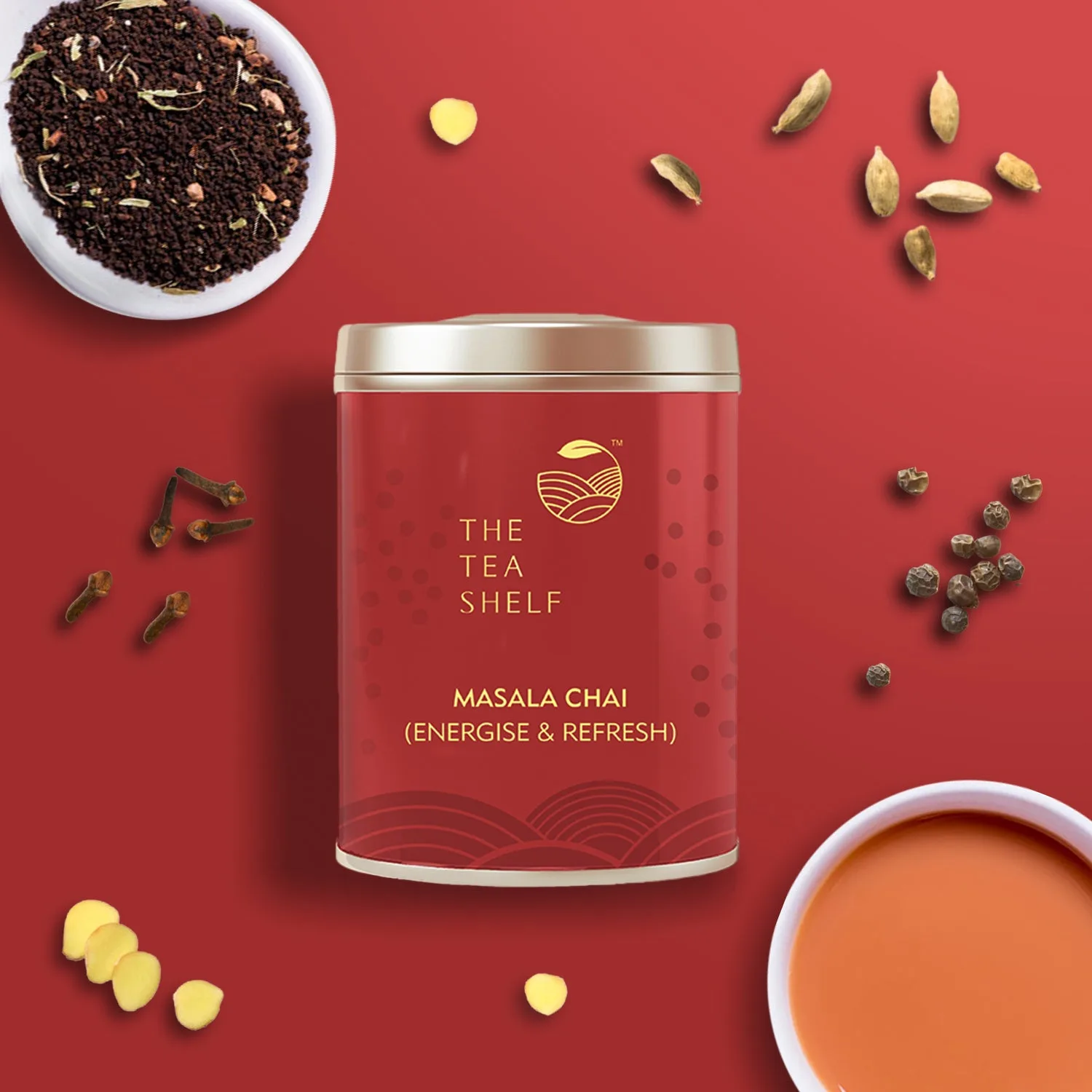
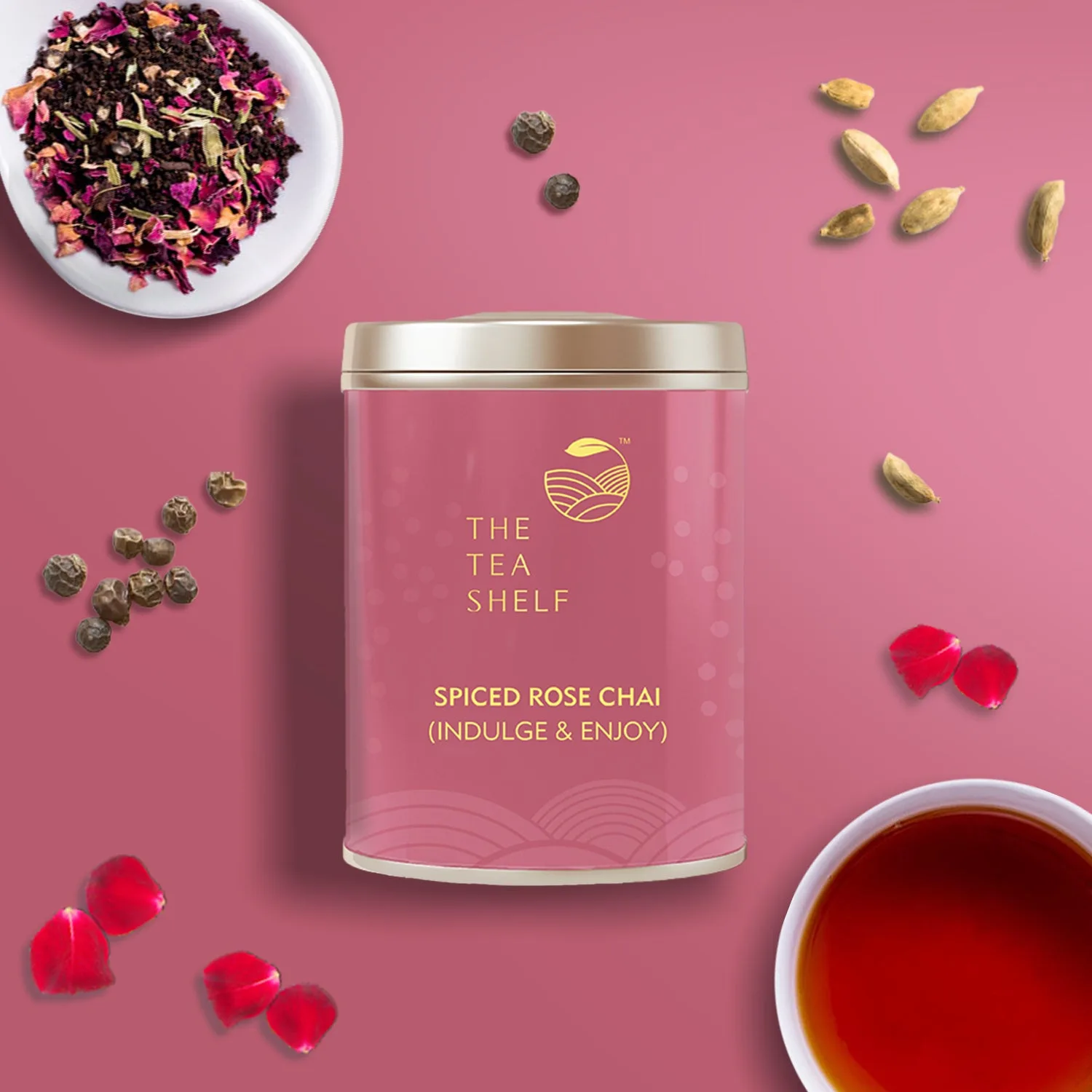
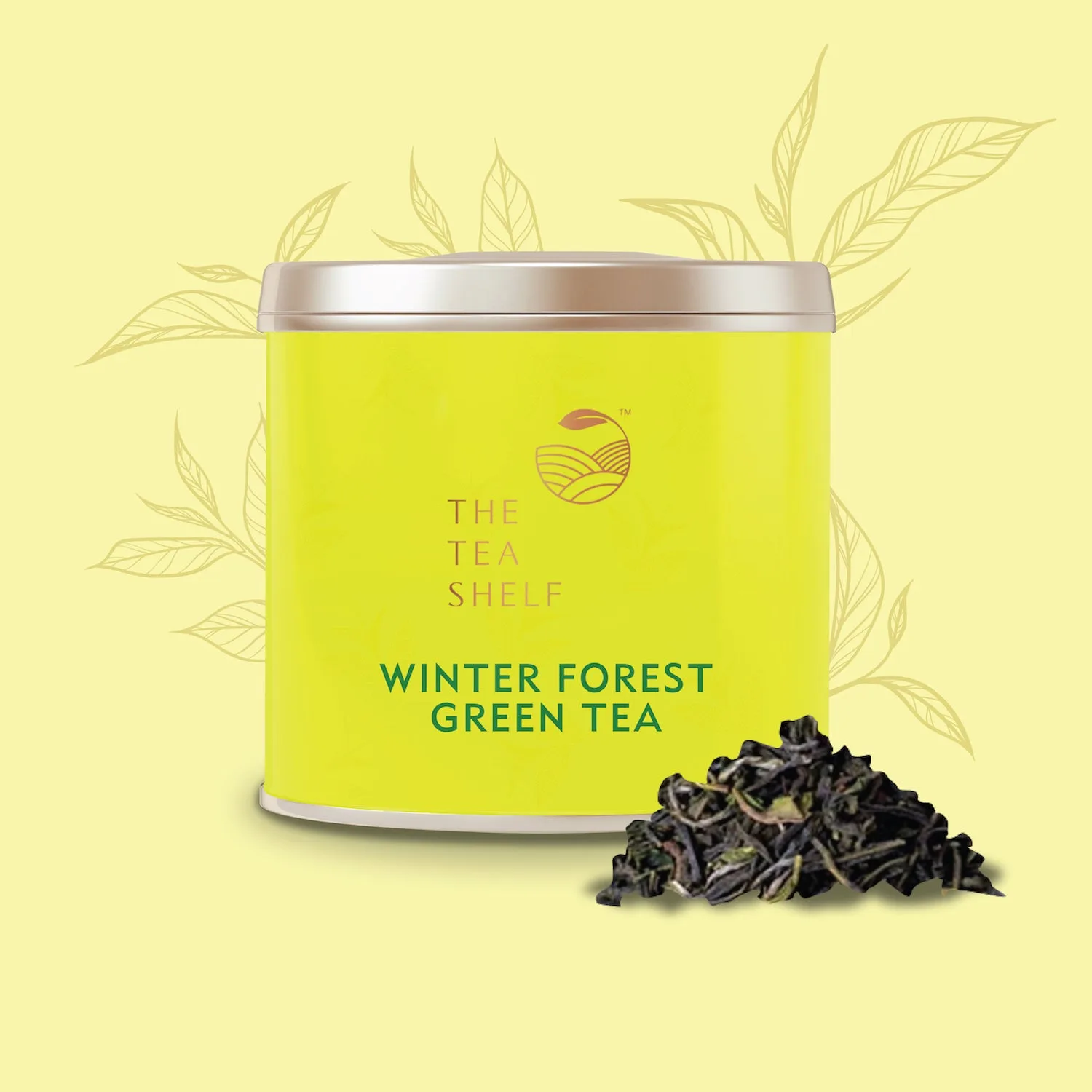
Different teas have different sensitivities. Green teas, like Winter Forest Green Tea, are the most delicate. They benefit from the coolest, darkest storage you can manage and are best consumed within a few months of opening. Black teas and chai blends, such as Spiced Rose Chai, are more forgiving and can last longer, but they still need airtight protection. Herbal blends like Tulsi Moringa Tea often contain dried leaves and flowers that can go stale, so keep them sealed tightly. No matter the type, always use a dry spoon to scoop tea, and never pour tea directly from the container over a steaming kettle, as steam will introduce moisture. If you buy in bulk, consider splitting a large bag into smaller portions and storing only one portion at a time.
Step-by-step tea storage routine
- Step 1: Check your current storage: Gather all your open tea packages. Smell each one. If it smells musty, flat, or like nothing, it has lost its freshness. Check for moisture inside the bags or clumps in the leaves. Discard any tea that shows mold. This step helps you start fresh and identify which teas need better protection. Common mistake: ignoring stale tea and mixing it with new tea, which can ruin the new batch.
- Step 2: Choose airtight, opaque containers: Select containers that seal tightly and block light. Metal tins, ceramic jars with gaskets, or opaque vacuum-sealed bags work well. Avoid clear glass unless stored in a dark cupboard. For each tea, use a separate container to prevent flavor mixing. Label each container with the tea name and date opened. Checkpoint: the container should have a gasket or double lid; if air can get in, it is not airtight.
- Step 3: Portion out daily use: Transfer only about a week's worth of tea into a small tin for daily use. Keep the main supply in its original sealed bag or a larger airtight container. This minimizes air exposure to the bulk of your tea. Always use a dry spoon to scoop, and never pour tea over a steaming kettle. Common mistake: storing all your tea in one large container that you open multiple times a day, exposing the whole supply to air.
- Step 4: Find the right spot: Place your tea containers in a cool, dark, dry cupboard away from the stove, sink, and windows. Avoid the refrigerator for daily tea due to condensation. Keep tea away from strong-smelling foods and spices. If you have limited space, a dedicated tea shelf or drawer works well. Checkpoint: the spot should be consistently cool and dark; if you can feel warmth or see direct sunlight, choose another location.
- Step 5: Monitor and refresh: Check your tea every few weeks. Smell and look at the leaves. If they start to lose aroma or look dull, use them soon. Aim to finish green teas within 2-3 months of opening, and black or herbal blends within 6 months. Buy smaller quantities more often if you drink tea slowly. Next step: mark your calendar to review your tea stash monthly and adjust storage as needed.
Product storage notes
- Winter Forest Green Tea: Winter Forest Green Tea is a green tea with a light, earthy flavor and honey finish. Brewing instructions: 1 tsp per cup, 3 minutes, 60-85°C. Green tea is delicate; store it in the coolest, darkest spot to preserve its subtle notes.
- Spiced Rose Chai: Spiced Rose Chai is a masala chai blend with cardamom, ginger, rose petals, clove, black pepper, and CTC tea. Brewing instructions: 1 tsp per cup, 3 minutes, 90-100°C. The spices and rose petals can absorb surrounding odors, so keep it in an airtight container away from strong smells.
- Tulsi Moringa Tea: Tulsi Moringa Tea is a herbal blend with moringa, tulsi, and green tea. Brewing instructions: 1 tsp per cup, 3 minutes, 90-100°C. Herbal blends with dried leaves and flowers can lose aroma quickly; seal tightly and use within a few months.