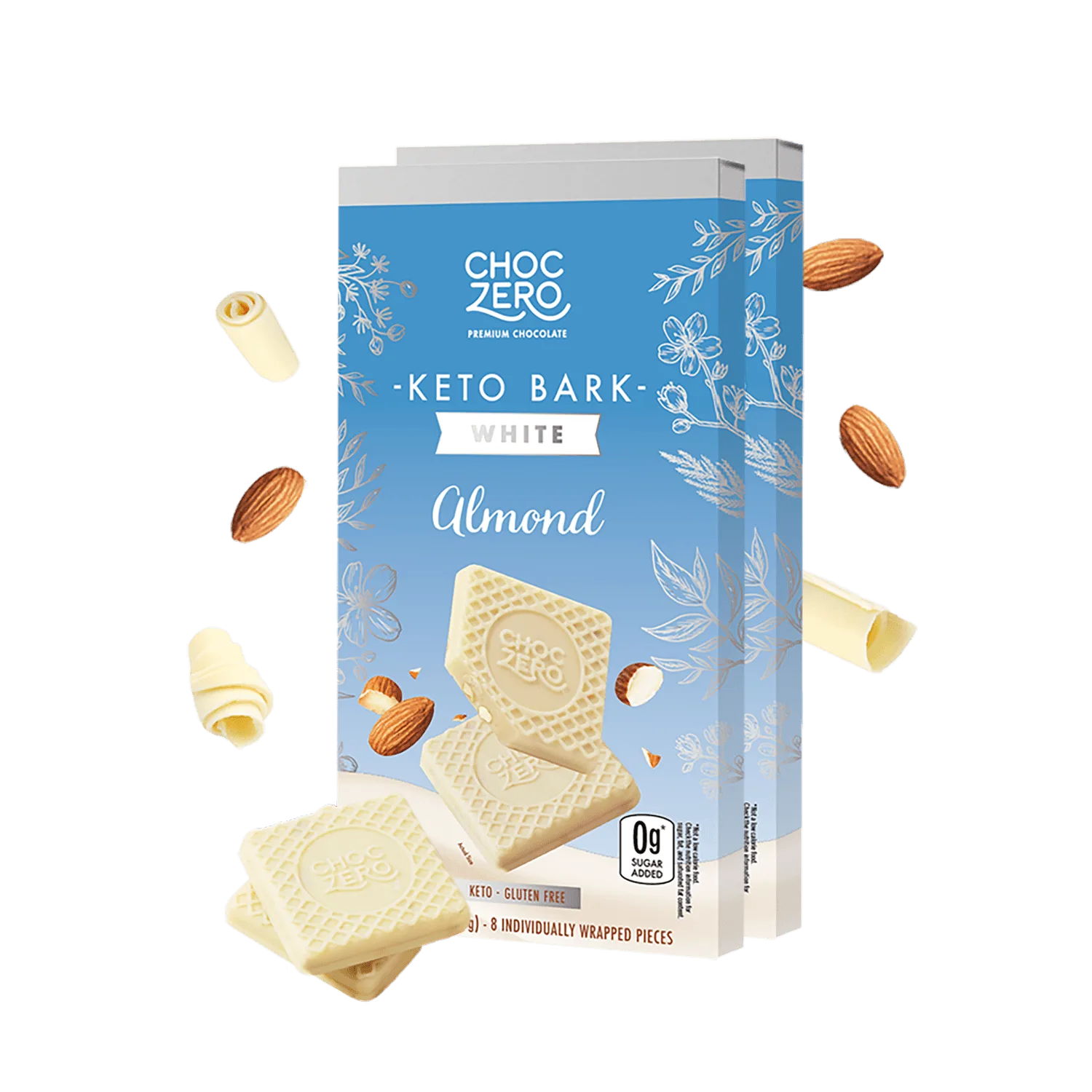
Why Proper Storage Matters for These Almonds
Choczero Milk Chocolate Covered Coconut Almonds combine crunchy almonds, sweet coconut, and a creamy milk chocolate coating. To keep that satisfying texture and rich taste, you need to protect them from heat, moisture, and air. The good news? A few simple habits will keep your stash fresh for weeks.
What the Label Tells Us
-
Milk Chocolate Covered Coconut Almonds: These treats feature a crunchy almond center with a coconut and milk chocolate coating, made with keto-friendly sweeteners and no sugar alcohols or artificial sweeteners. The crunchy center and creamy coating are the main textures you want to preserve. Proper storage prevents the chocolate from blooming or melting and keeps the almonds crisp.
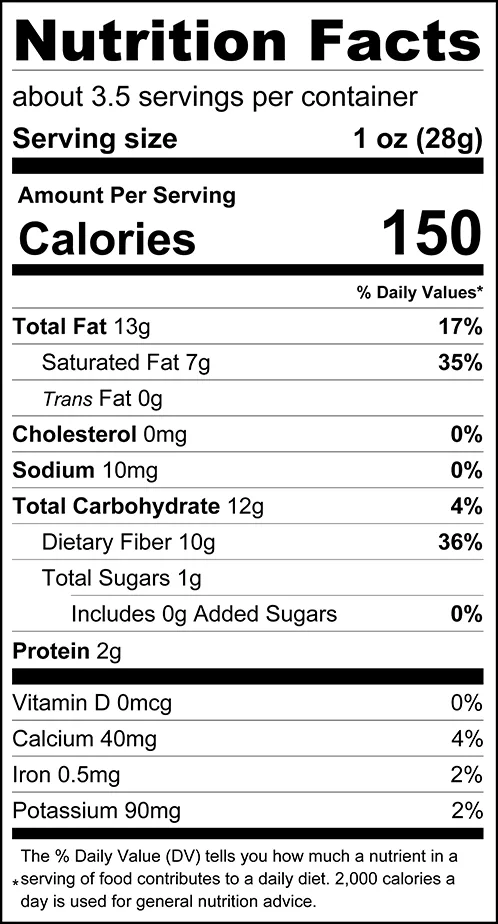
Milk Chocolate Covered Coconut Almonds
Simple Storage Steps
Follow these steps to keep your Milk Chocolate Covered Coconut Almonds at their best.
- Keep them in a cool, dry place: Store the bag or an airtight container in a pantry or cupboard away from direct sunlight, stoves, or dishwashers. Temperatures above 70°F can soften the chocolate coating; follow the product instructions for optimal storage conditions.
- Seal the bag tightly after each use: If you don't finish the bag, press out excess air and reseal it. For longer storage, transfer the almonds to an airtight container or a resealable plastic bag.
- Avoid the refrigerator unless necessary: Refrigeration can introduce moisture when the bag is opened and closed, which may cause the chocolate to bloom or the almonds to lose crunch. Only refrigerate if your home is very warm (above 75°F) and you plan to eat them within a few days; follow the product instructions for specific temperature guidance.
- Eat within 2–3 weeks for best quality: While the product doesn't have a printed shelf life in the supplied information, most chocolate-covered nuts stay fresh for about 2–3 weeks after opening if stored properly. After that, the coating may develop a white bloom (harmless but less appealing) and the almonds may soften.
What to Do If the Chocolate Blooms
If you see a white or grayish film on the chocolate surface, that's fat bloom—cocoa butter that has melted and recrystallized. It's safe to eat and doesn't affect the flavor, but it changes the texture slightly. To minimize bloom, store the almonds consistently at a stable, cool temperature.