Quick answer
To store plush toys long-term without damage, start with a clean, completely dry toy. Place it in an acid-free, breathable container like a cotton pillowcase or a ventilated storage bin, and keep it in a cool, dark, dry space away from direct sunlight and pests. Avoid vacuum-sealing or compressing plush for extended periods, as this can crush fibers and distort shapes.
Whether you're rotating a collection, saving childhood favorites, or protecting limited editions, storing plush toys the right way keeps them soft, colorful, and intact. Unlike hard toys, plush can attract pests, hold moisture, and lose its shape if packed incorrectly. This guide walks you through a simple, step-by-step process to store plush toys long-term without damage.
You don't need expensive supplies. With a few common materials and some careful handling, you can preserve plush toys for years. The key is to control three things: cleanliness, moisture, and pressure. Let's go through each step.
Step 1: Clean and inspect each plush toy
Before storing any plush toy, clean it thoroughly. Dust, oils from hands, and hidden crumbs can attract insects or cause stains over time. Check the care label for washing instructions. Most plush toys can be surface-washed with a mild detergent and a damp cloth, while some are machine-washable on a gentle cycle. If you're unsure, spot-clean with a soft cloth and let it air-dry completely.
While cleaning, inspect for tears, loose seams, or missing parts. Repair any damage now—once in storage, small tears can grow and stuffing can escape. A quick stitch with matching thread can prevent bigger problems later.
- Common mistake: Storing a toy that's still damp. Even slight moisture can lead to mold and mildew.
- Checkpoint: The plush should be completely dry, with no lingering detergent smell or damp spots.
Step 2: Choose the right storage container
Not all containers are safe for plush. Plastic bins can trap moisture if the toy isn't fully dry, and vacuum-sealed bags crush fibers and distort shapes. For long-term storage, opt for breathable materials like cotton pillowcases, muslin bags, or acid-free cardboard boxes with ventilation holes. If you use plastic bins, choose ones with gaskets and add silica gel packets to absorb moisture, but open them periodically to let air circulate.
For extra protection, line the container with acid-free tissue paper. This prevents direct contact with wood or cardboard, which can leach acids over time and yellow fabrics.
- Common mistake: Using airtight plastic bags for long-term storage. They can cause condensation and crush the plush.
- Checkpoint: The container should allow some airflow while keeping out dust and pests.
Step 3: Pack plush toys without compression
When placing plush toys in a container, avoid stacking heavy items on top. Compression flattens stuffing and can leave permanent creases. Instead, lay toys side by side or gently nestle smaller ones between larger ones. If you must stack, put the heaviest plush at the bottom and lighter ones on top, with a layer of acid-free tissue between them.
For very large plush, consider storing them upright in a breathable bag or a clean cotton pillowcase. This maintains their shape and reduces stress on seams.
- Common mistake: Overpacking the container. Leaving a little space prevents pressure buildup.
- Checkpoint: Toys should hold their shape and not feel squashed when you close the container.
Step 4: Store in a cool, dark, dry place
Location matters as much as packing. Heat and sunlight fade colors and degrade fabrics, while damp basements or attics encourage mold. Aim for a stable environment with temperatures between 60–70°F (15–21°C) and humidity below 50%. A closet shelf, under-bed storage, or a climate-controlled room works well.
Keep containers off the floor to avoid pests and potential water damage. If storing in a garage or shed, use sealed bins and check regularly for signs of moisture or insects.
- Common mistake: Storing plush in direct sunlight or near heat sources like radiators.
- Checkpoint: The storage area should be dark, dry, and free of temperature swings.
Step 5: Rotate and inspect periodically
Even in ideal conditions, plush toys need a check-up every 6–12 months. Open containers, gently feel for dampness, and look for signs of pests like webbing or droppings. If you spot any issues, clean and repack immediately. Rotating toys also gives them a chance to air out and regain loft.
For collectible plush, take photos before storing to document condition. This helps with insurance or resale later.
- Common mistake: Forgetting about stored toys for years. Regular checks catch problems early.
- Checkpoint: Set a calendar reminder to inspect your plush storage twice a year.
Your 5-step plush storage checklist
- Clean and dry: Surface-clean or wash according to care labels, then air-dry completely. Repair any tears before storage. Checkpoint: No dampness, no lingering odors.
- Choose breathable containers: Use cotton bags, muslin, or ventilated boxes. Avoid vacuum-sealed bags and airtight plastic for long-term storage. Checkpoint: Container allows airflow but keeps out dust.
- Pack without compression: Lay toys side by side or nestle gently. Use acid-free tissue between layers. Don't overpack. Checkpoint: Toys hold their shape when container is closed.
- Store in a cool, dark, dry place: Keep away from sunlight, heat, and dampness. Elevate containers off the floor. Checkpoint: Stable temperature and humidity below 50%.
- Inspect every 6–12 months: Open containers, check for pests or moisture, and let toys air out briefly. Rotate if needed. Checkpoint: Set a reminder and document condition with photos.
Product facts to guide your storage choices
- P.C. Popple 8" Small Plush: Standing at a compact 8" tall, this nostalgic small plush is part of the original Popples line. Small plush like this fits easily in a breathable cotton bag or a small acid-free box, making it simple to store without compression.
- Pancake Popple 11" Large Plush: Standing at a large 11" tall, this nostalgic plush is built for big hugs. Larger plush need more space to avoid squashing. Store upright in a ventilated container or on a shelf with acid-free tissue between toys.
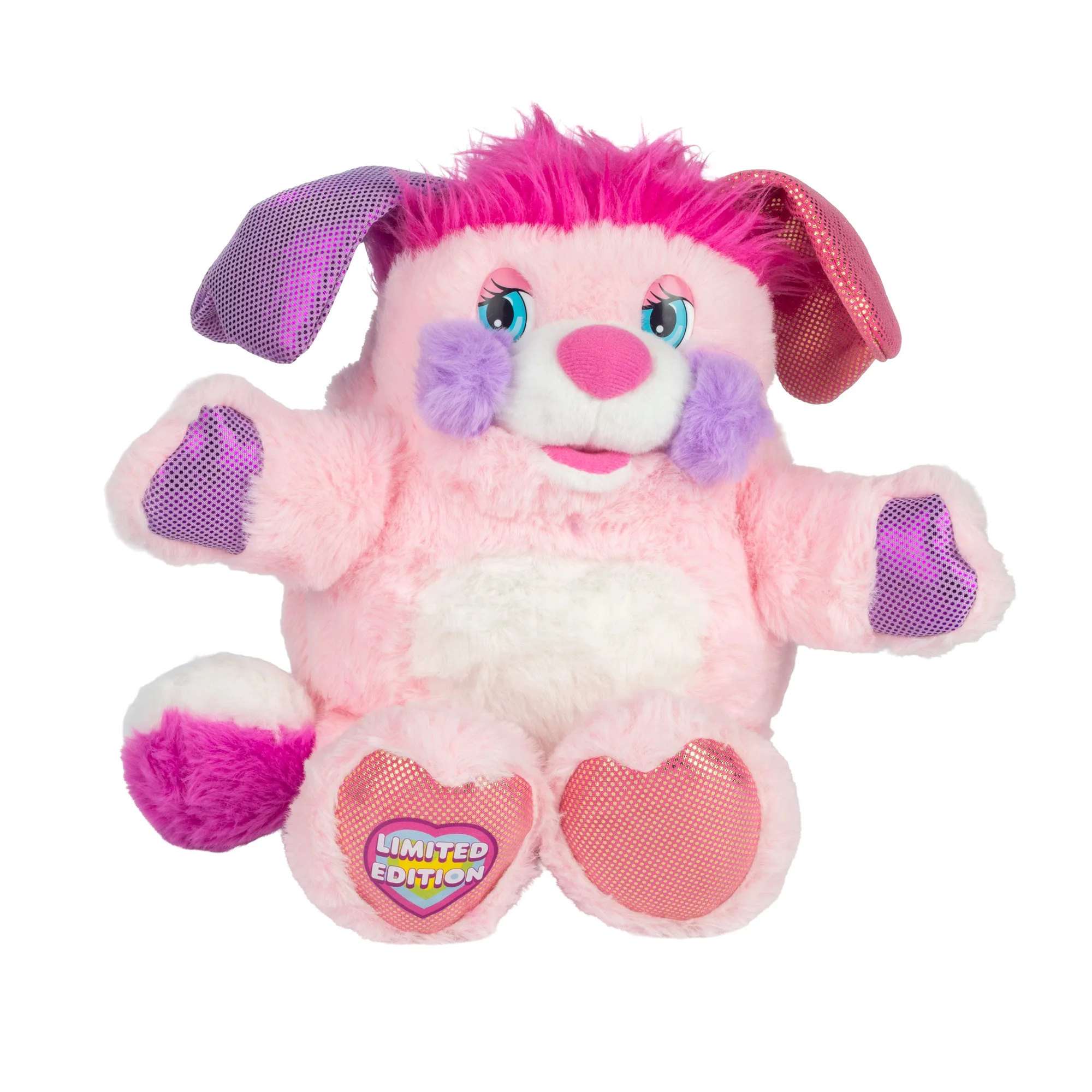
- PARTY Popple – Large Plush (Limited Edition): This 11” PARTY Popple plush features bright, bold colors, sparkling textured hearts on the feet, and its signature ability to “pop” inside out. Limited editions with special textures or pop mechanisms should be stored without pressure on those features. Keep them in a breathable bag and avoid stacking.
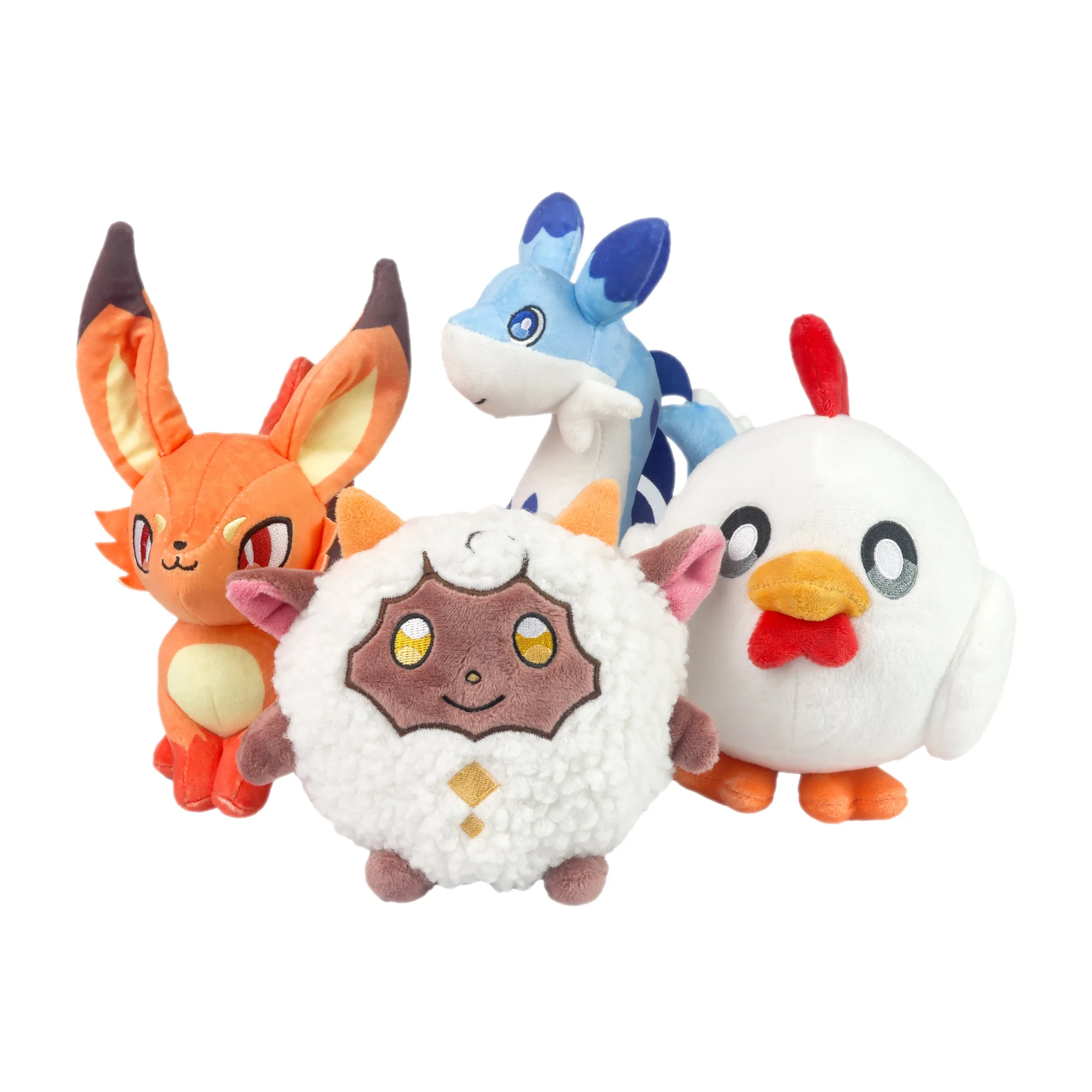
- Palworld 7–8” Small Plush Series 1 Complete PDQ Display Set: Each plush has super soft, premium fabric with embroidered and sublimated features for on the go cuddling. Embroidered and sublimated details can snag or fade if stored in direct sunlight. Keep the set in a dark, dry place, ideally in its original display box if you want to preserve collector value.
Storing plush toys long-term without damage comes down to preparation and the right environment. By following these steps, you'll keep your plush—whether it's a nostalgic Popple or a modern collectible—soft, colorful, and ready to enjoy for years to come.