Why storage determines whether your press-ons stay reusable
Press-on nails are designed to be worn more than once, but whether they actually survive a second wear comes down to how you store them between uses. The adhesive layer, the shape, and the finish all depend on keeping each nail protected from dust, pressure, and moisture. A set tossed loose into a drawer will gather lint, lose its stick, and risk bending — especially with shorter almond shapes that have a narrow tip.
The good news is that reusable press-on nails don't need a complicated system. A few consistent habits will keep the adhesive tacky and the art intact, so your next application starts as clean as the first.
Step-by-step method for keeping press-ons sticky and organized
The exact steps depend on the adhesive you used and how long you wore the set, but this general routine works for most press-on collections.
- Remove each nail gently: Use a cuticle stick or your fingertip to lift from the side cuticle edge rather than pulling from the tip. Pulling from the tip can bend the nail or separate the design layer from the base.
- Remove leftover adhesive from the back: Peel or roll off any remaining glue tabs with your fingers. If you used liquid glue, gently buff the residue with a soft file — but avoid filing the inside of the nail too aggressively, since that can thin the press-on and shorten its lifespan.
- Clean the inside surface: Wipe the back of each nail with a lint-free wipe and a little rubbing alcohol or nail polish remover. This removes oils from your natural nails that can dull the adhesive's grip on the next wear.
- Sort by size and return to the original tray: Place each nail back in its labeled spot in the original packaging. The tray keeps sizes paired with the correct fingers, which is especially important for almond shapes where the fit is less forgiving than other silhouettes.
- Store flat in a cool, dry place: Keep the closed tray away from direct sunlight, radiators, and humid bathrooms. Heat can soften the adhesive and cause it to migrate; moisture can cloud glossy finishes over time.
The trade-off between original trays and custom organizers
The original tray is usually the best way to store false nails because it was molded to hold each nail without pressure on the design. But if you've mixed sets or lost a tray, a compartmentalized organizer with individual slots works nearly as well — just make sure each nail sits flat and doesn't touch its neighbors.
The main thing to avoid is stacking nails directly on top of each other. The adhesive on one nail can stick to the design of the nail beneath it, pulling off art or leaving residue. If you must stack, place a small piece of wax paper between layers.
What to know about the sets you're storing
Both of these short almond sets benefit from careful storage because their designs are part of the appeal — one relies on crisp graphic lines, the other on a high-gloss finish that can dull with rough handling.
-
Red Outline Short Almond Press-On Nails: The Red Outline Short Almond press-on nails feature clean, graphic outlines that create a bold look with a light, airy touch. The minimalist line art is the whole point of this set, so storing each nail flat and separated protects the crisp edges from scratches that would ruin the graphic effect.
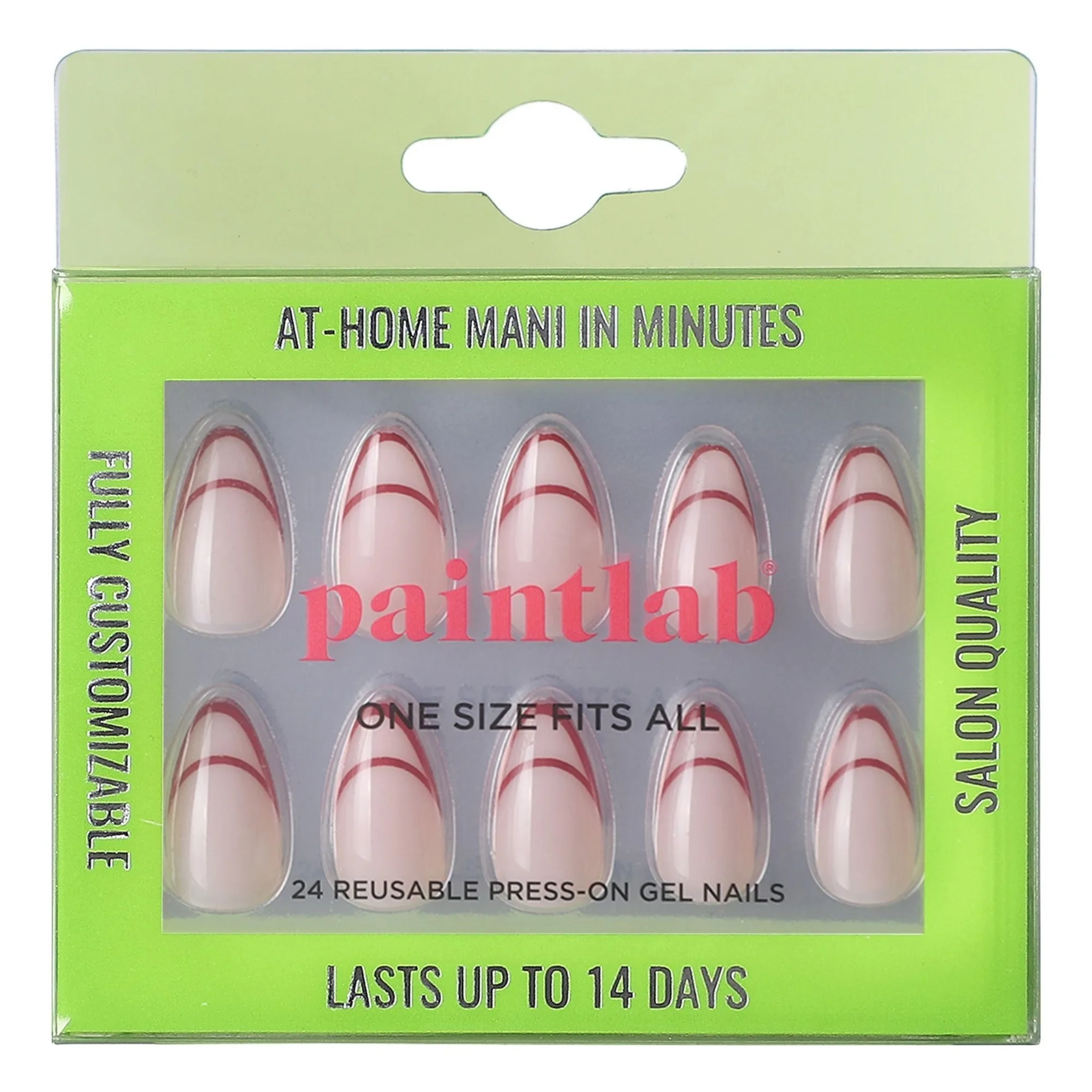
Red Outline Short Almond Press-On Nails
-
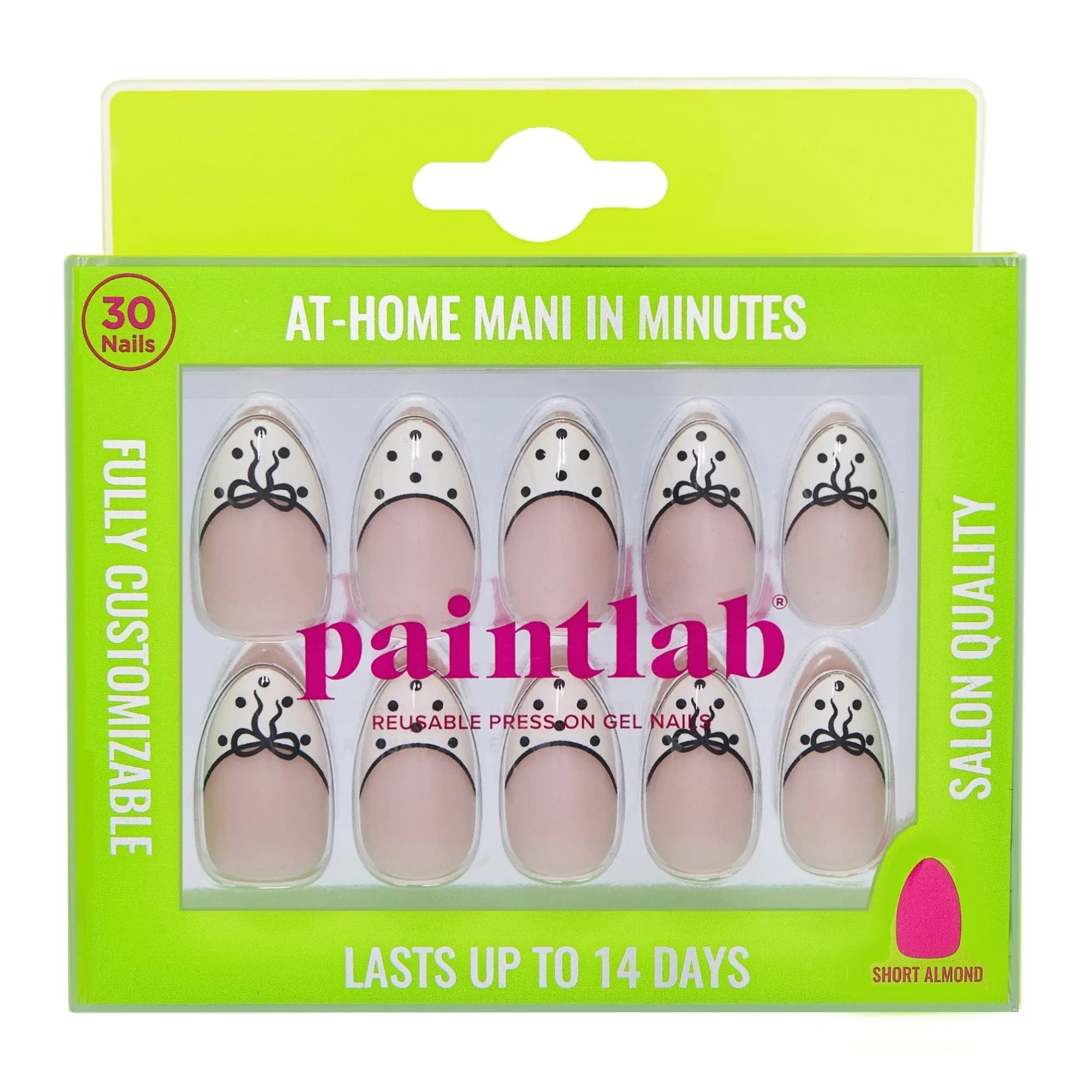
Glossy Glazed Short Almond Press-On Nails: The Glossy Glazed Short Almond press-on nails give the appearance of being coated in liquid glass — buttery, smooth, and impossibly shiny. A high-shine finish shows fingerprints and micro-scratches easily. Keeping this set in its tray with the glossy side up preserves that liquid-glass effect for repeat wears.
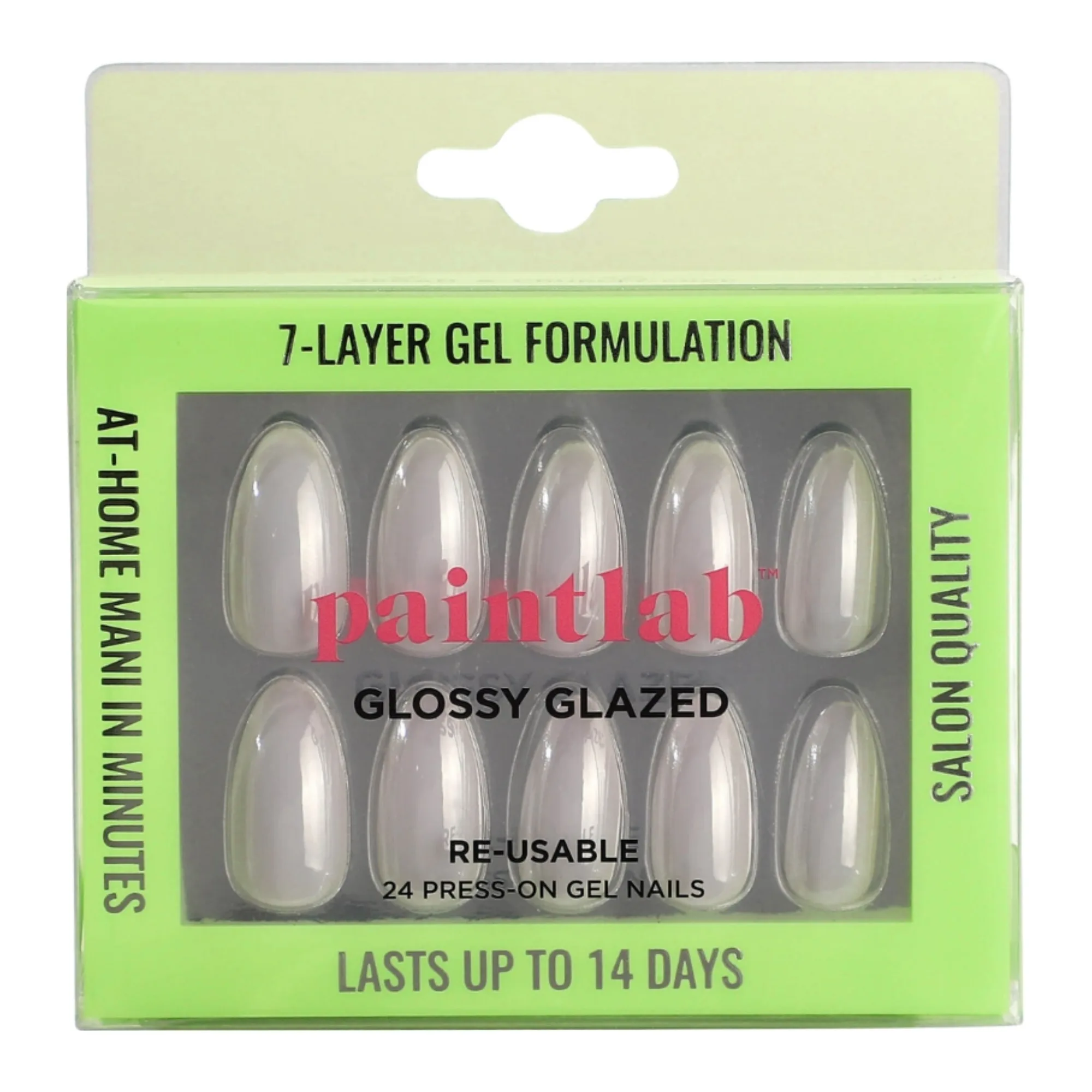
Glossy Glazed Short Almond Press-On Nails
How to keep press-on nails sticky between wears
The adhesive is the first thing to go when press-ons aren't stored properly. Dust and oils are the main culprits — they coat the sticky side and reduce its grip. That's why cleaning the inside of each nail before storage matters as much as the storage itself.
If a set has lost some tack after a few wears, fresh adhesive tabs are the simplest fix. The press-on itself is still perfectly reusable; only the adhesive needs replacing. This is the key difference between a set that lasts one event and a set that becomes part of your rotation.
One note: not every press-on set comes with extra tabs, and the supplied product details for these two sets don't confirm whether extras are included. If you're planning to reuse a set multiple times, it's worth checking what's in the box before you commit.
When storage won't save a set
Even with perfect storage, press-ons have a natural lifespan. If a nail has developed a crack, if the design layer is peeling at the edges, or if the shape has warped from being bent, it's time to retire that nail rather than force another wear. A warped almond tip won't sit flush against your natural nail, which means it will lift early and look off.
Storage keeps good nails good — it can't resurrect a damaged one. The practical approach is to inspect each nail as you store it and set aside any that show real wear, so you're not surprised mid-application.