Why a 1.5 ml vial needs its own routine
A 1.5 ml fragrance sample is small enough to disappear into a drawer, a bag pocket, or a jacket. That convenience is exactly why it needs a deliberate storage habit. The vial holds only a few wears, so every bit of care protects the experience you get from it.
The goal is simple: keep the liquid inside the vial, keep the vial upright, and keep it away from conditions that make a small sample feel different from the scent you remember. The steps below work for any 1.5 ml sample, including Lys Sølaberg 1.5 ml.
A simple storage routine for 1.5 ml samples
- Keep the vial upright: Stand samples vertically in a small tray, box, or dedicated drawer divider. Upright storage reduces the chance of leakage around the cap and keeps the label readable so you can identify the scent quickly.
- Close the cap fully after every use: A 1.5 ml vial is easy to recap loosely. Check that the cap is seated before you put it away, especially after testing on the go.
- Choose a cool, dark spot: A closed drawer or cabinet away from direct sun and heat is a better home than a windowsill or bathroom shelf. Light and warmth are the usual suspects when a sample stops smelling as expected.
- Separate samples from strong odors: Store fragrance vials away from cleaning products, spices, or anything with a strong smell. Small vials are not airtight forever, and nearby odors can make a sample harder to judge.
- Rotate what you keep close: Keep the samples you are actively testing in one small tray and move the rest to longer-term storage. This prevents a 1.5 ml vial from being opened, knocked over, and forgotten.
Travel storage that protects a small vial
Travel is where a 1.5 ml sample is most useful and most vulnerable. A few small habits make the difference between a tidy travel kit and a scented bag.
- Use a hard-sided pouch: A small rigid case or a padded pouch keeps the vial from being crushed by keys, chargers, or a water bottle.
- Bag it separately: Place the vial in its own small zip pouch so any residue stays contained and does not transfer to clothing or electronics.
- Keep it upright in transit: Pack the pouch in a pocket or compartment where the vial can stand or lie flat without pressure on the cap.
- Do not leave it in a hot car: Heat is the main risk for any fragrance sample. Take the vial with you rather than leaving it in a parked car or a sunny bag.
What the Lys Sølaberg 1.5 ml format gives you
-
Lys Sølaberg 1.5 ml: Lys Sølaberg 1.5 ml is presented in a 1.5 ml format described as ideal for sampling or travel. The small format is designed to move with you, so a travel pouch and upright storage are part of using it well.
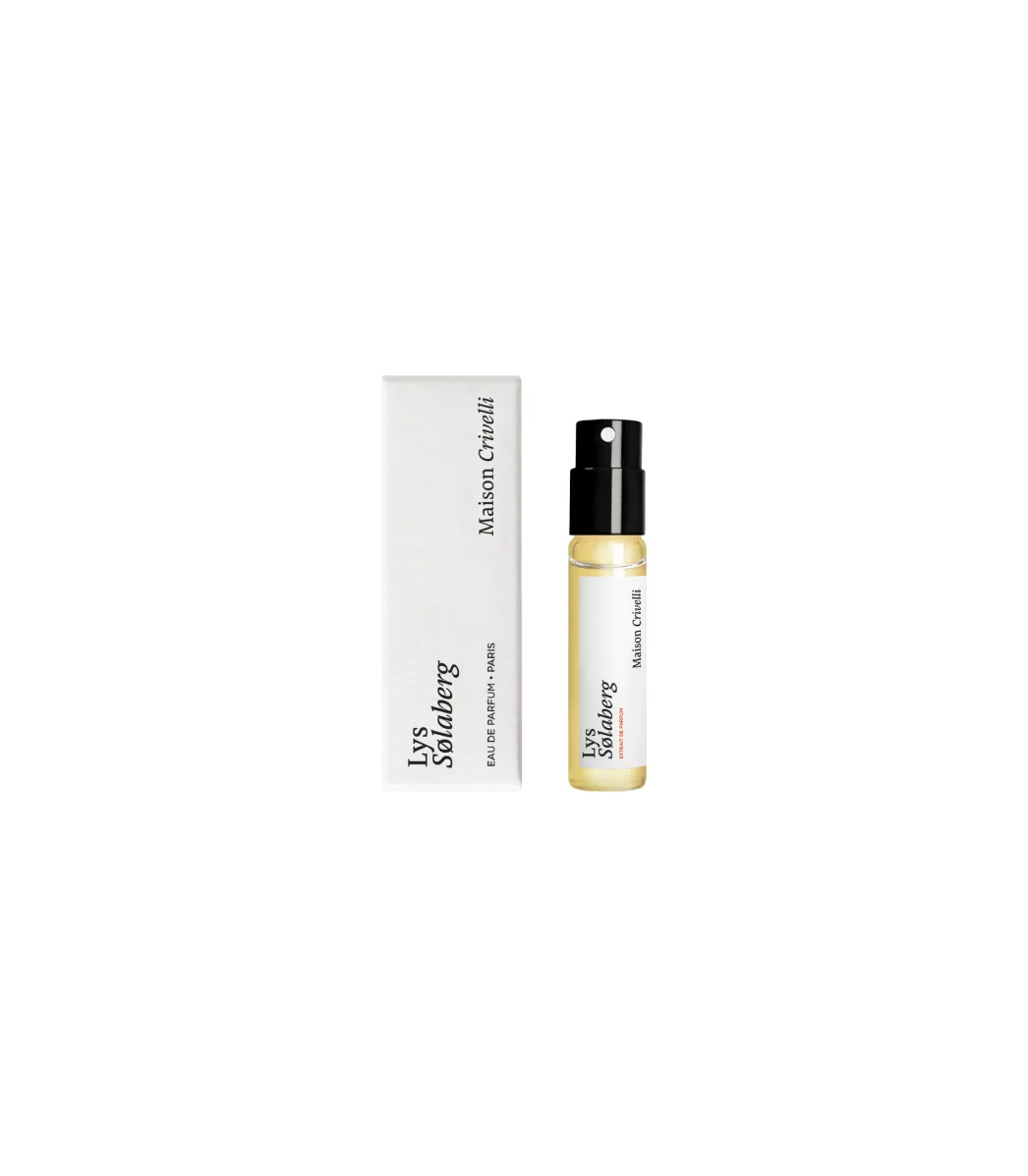
Lys Sølaberg 1.5 ml
-
Lys Sølaberg 1.5 ml: The catalog describes the vial as convenient for on-the-go use. On-the-go use means the cap and vial will be handled often; recapping fully and storing it upright matter more than with a bottle kept at home.
-
Lys Sølaberg 1.5 ml: Lys Sølaberg 1.5 ml is part of the Lys Sølaberg line. If you keep several samples from the same line, label or group them together so you can compare them without opening every vial.
What to check before you judge a sample
If a 1.5 ml sample smells different from what you expected, check storage first. Was it left in sunlight, near a radiator, or in a bag with a strong-smelling product? Was the cap loose? Has it been sitting for months in a warm room?
The supplied product information for Lys Sølaberg 1.5 ml does not include specific care instructions or shelf-life claims, so treat the routine above as general good practice rather than a manufacturer schedule. When in doubt, test the sample on skin in a quiet moment rather than making a decision from the vial alone.
Checkpoints for keeping samples fresh
- Label the date you received it: A small sticker or note on the storage tray helps you rotate older samples first.
- Inspect the cap and seal: If a vial looks wet around the neck, clean it and store it separately so it does not affect neighboring samples.
- Keep a testing tray small: Limit the number of open vials in active rotation. Fewer open samples means less handling and less chance of a spill.
- Store the rest out of sight: A closed box in a cool drawer protects samples you are not using this month.