Protein bars are a go-to snack for fitness enthusiasts, busy professionals, and anyone looking for a convenient, high-protein boost. Whether you stock up on your favourite flavours or buy in bulk to save money, proper storage is key to maintaining their texture, taste, and nutritional value. Nothing is worse than reaching for a bar only to find it rock-hard, melted, or stale. In this guide, we'll cover everything you need to know about protein bar storage, from ideal temperature and humidity to packaging tricks that keep them fresh for longer.
Understanding how to keep protein bars fresh isn't just about convenience—it's about getting the most out of your investment. With the right storage methods, you can enjoy bars like the Soft Core Chocolate Peanut Butter Protein Bar or the Chocolate Chip Cookie Dough Protein Bar at their peak quality, even weeks after purchase. Let's dive into the science and best practices behind protein bar freshness.
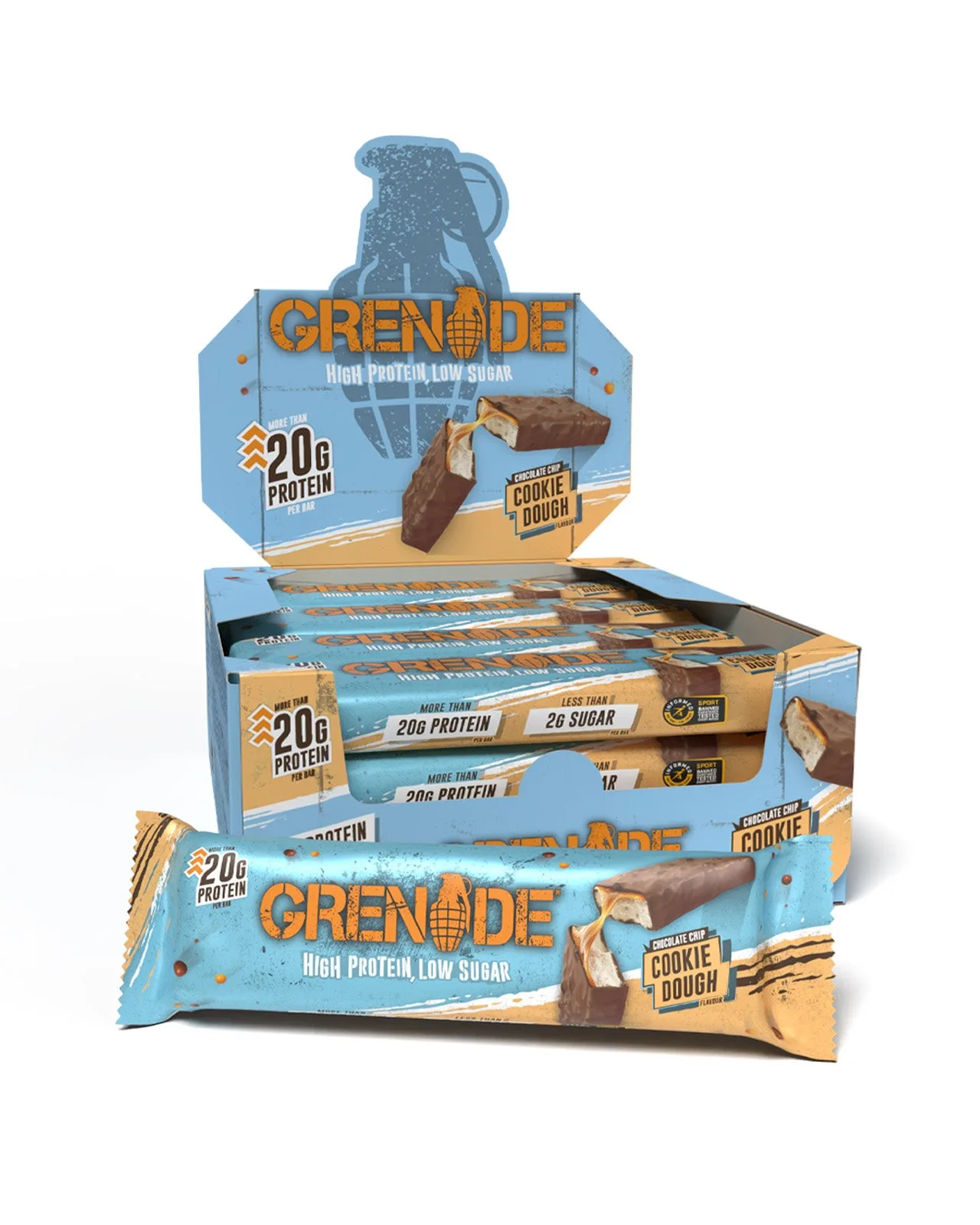
Chocolate Chip Cookie Dough Protein Bar
Why Protein Bars Go Bad: Understanding the Science
Protein bars are a blend of proteins (whey, casein, plant-based), carbohydrates, fats, sweeteners, and often added ingredients like chocolate, nuts, or fruit. Each component has its own sensitivity to environmental factors. For example, the fats in nuts or chocolate can oxidize when exposed to oxygen, leading to rancidity and off-flavours. Meanwhile, protein powders can absorb moisture from the air, causing the bar to become hard or crumbly. Sugar alcohols and humectants (like glycerin) help retain moisture, but if the bar dries out, they can crystallize, ruining the texture.
Heat is another enemy. Warm temperatures can melt chocolate coatings or cause the bar to soften and lose its shape. Conversely, extreme cold can make bars brittle. The sweet spot for most protein bars is a cool, dark place with stable temperature and low humidity. Understanding these factors helps you choose the right storage location and methods to maximize shelf life.
- Store bars in a cool, dry place away from direct sunlight and heat sources like ovens or radiators.
- Avoid storing in the refrigerator unless you plan to eat them cold—condensation can cause mould.
Optimal Storage Conditions: Temperature, Humidity, and Light
The ideal storage temperature for protein bars is between 15°C and 21°C (59°F to 70°F). Temperatures above 25°C (77°F) can cause chocolate to bloom (white streaks) and bars to become sticky or melt. High humidity (above 60%) encourages moisture absorption, leading to a gummy or soggy texture. Conversely, very dry air can dehydrate bars, making them hard and crumbly. A pantry or cupboard away from the stove, fridge exhaust, or windows is usually perfect.
Light exposure, especially UV light, can degrade certain vitamins and fats, accelerating spoilage. Keep bars in opaque containers or in their original packaging. If you buy in bulk, consider transferring them to an airtight container or resealable bag with a desiccant packet (like those found in beef jerky) to control humidity. For long-term storage (more than a few months), the freezer is a viable option—just ensure bars are tightly wrapped to prevent freezer burn.
- Use airtight containers or vacuum-sealed bags for bulk storage.
- Add a food-safe desiccant pack to absorb excess moisture in humid climates.
Do Protein Bars Expire? Understanding Shelf Life and Best-By Dates
Yes, protein bars do expire, but the 'best by' date is usually an indicator of peak quality, not safety. Most bars last 6 to 12 months from manufacture when stored properly. After that, they may still be safe to eat but could have a drier texture, faded flavour, or rancid taste. Ingredients like chocolate, nuts, and certain protein isolates degrade faster. Bars with higher moisture content (like soft-core varieties) have a shorter shelf life than drier, crunchy bars.
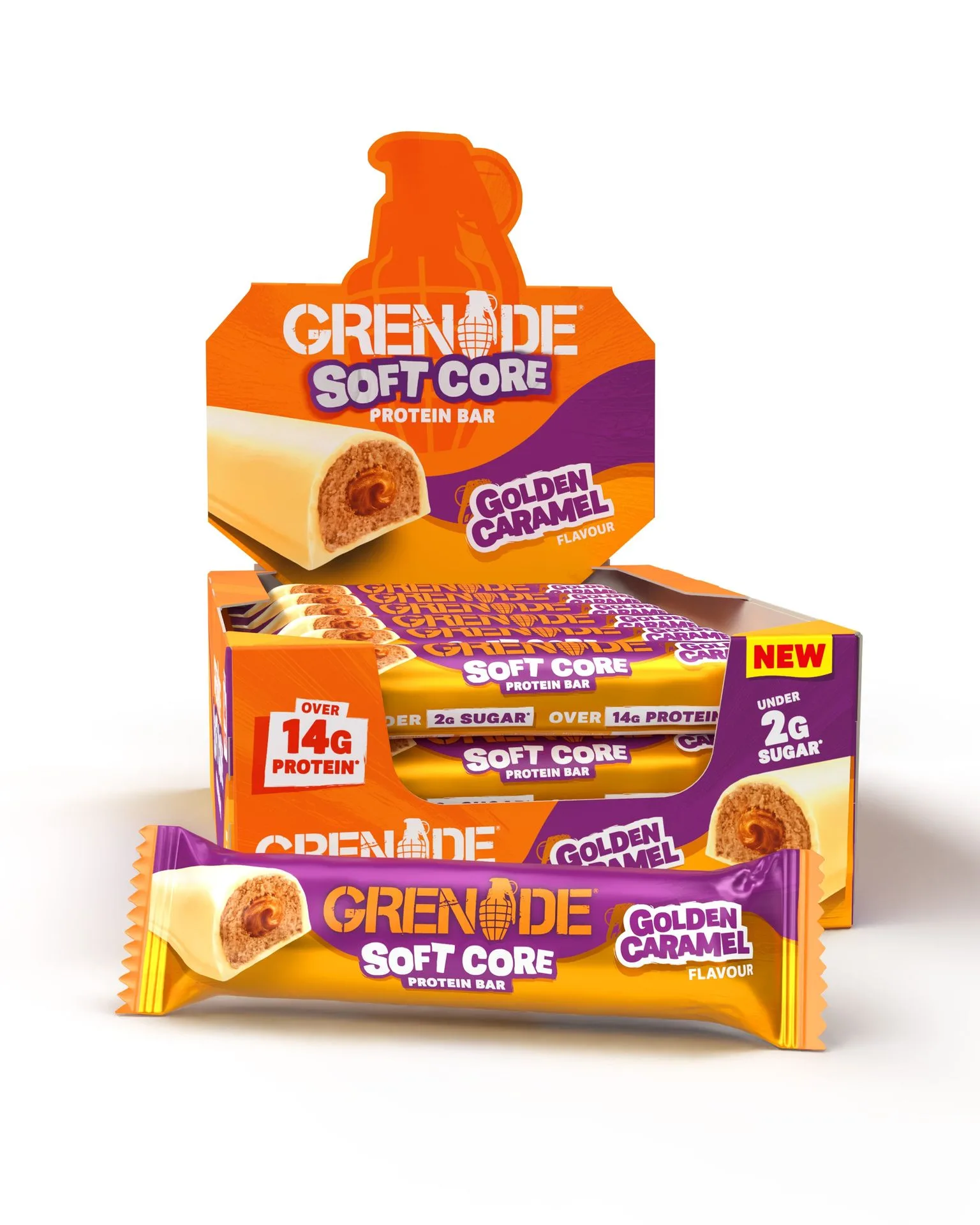
Always check the packaging for the best-by date and inspect bars before eating. If you notice an off smell, mould, or a hard, crumbly texture that doesn't soften at room temperature, it's best to discard them. For bars like the Soft Core Golden Caramel Protein Bar, which have a soft centre, freshness is especially important—store them in a cool place and consume within a few months of purchase for the best experience.
- Rotate your stock: use older bars first (first in, first out).
- Freeze bars you won't eat within 3 months to extend shelf life up to a year.
Best Practices for Storing Different Types of Protein Bars
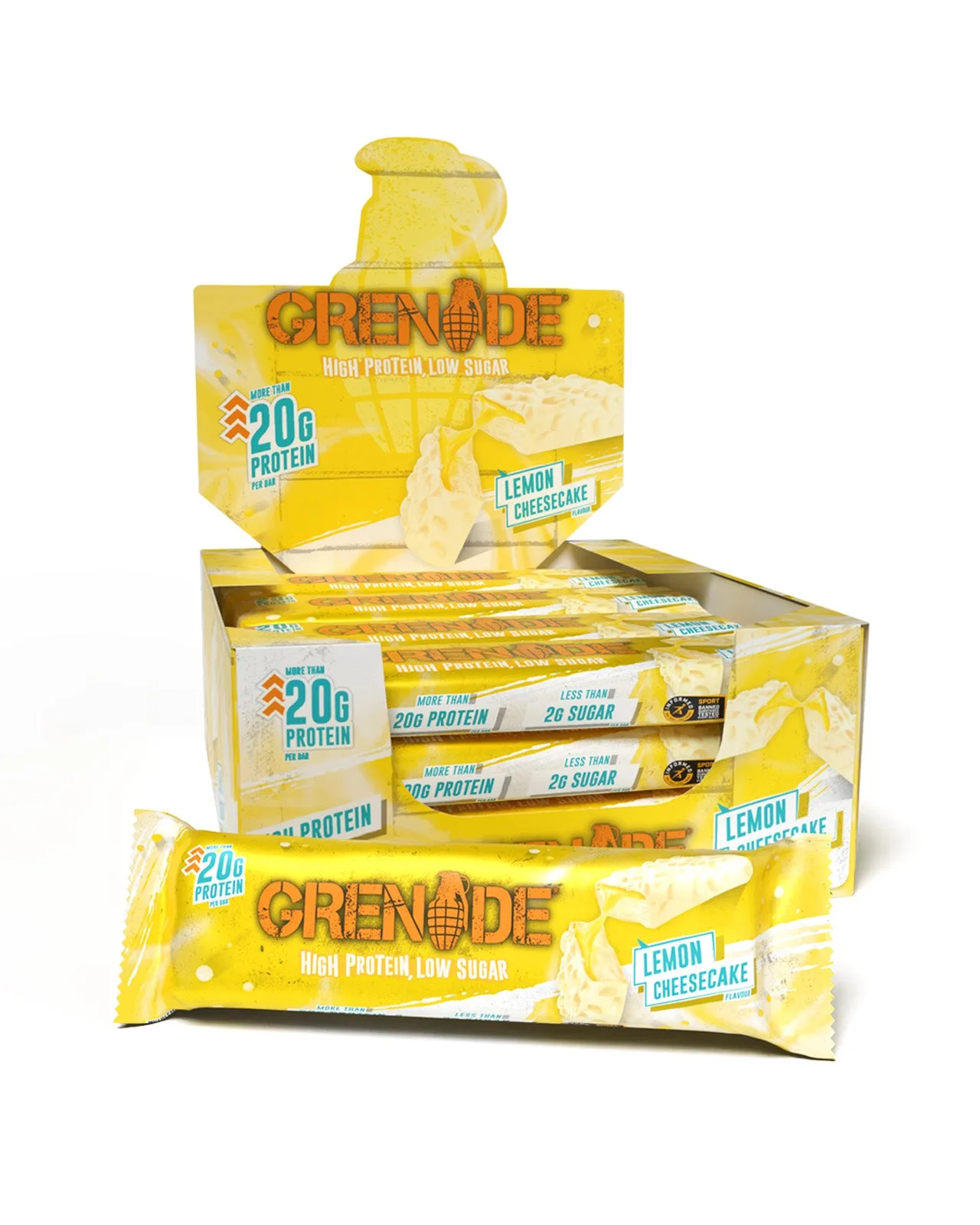
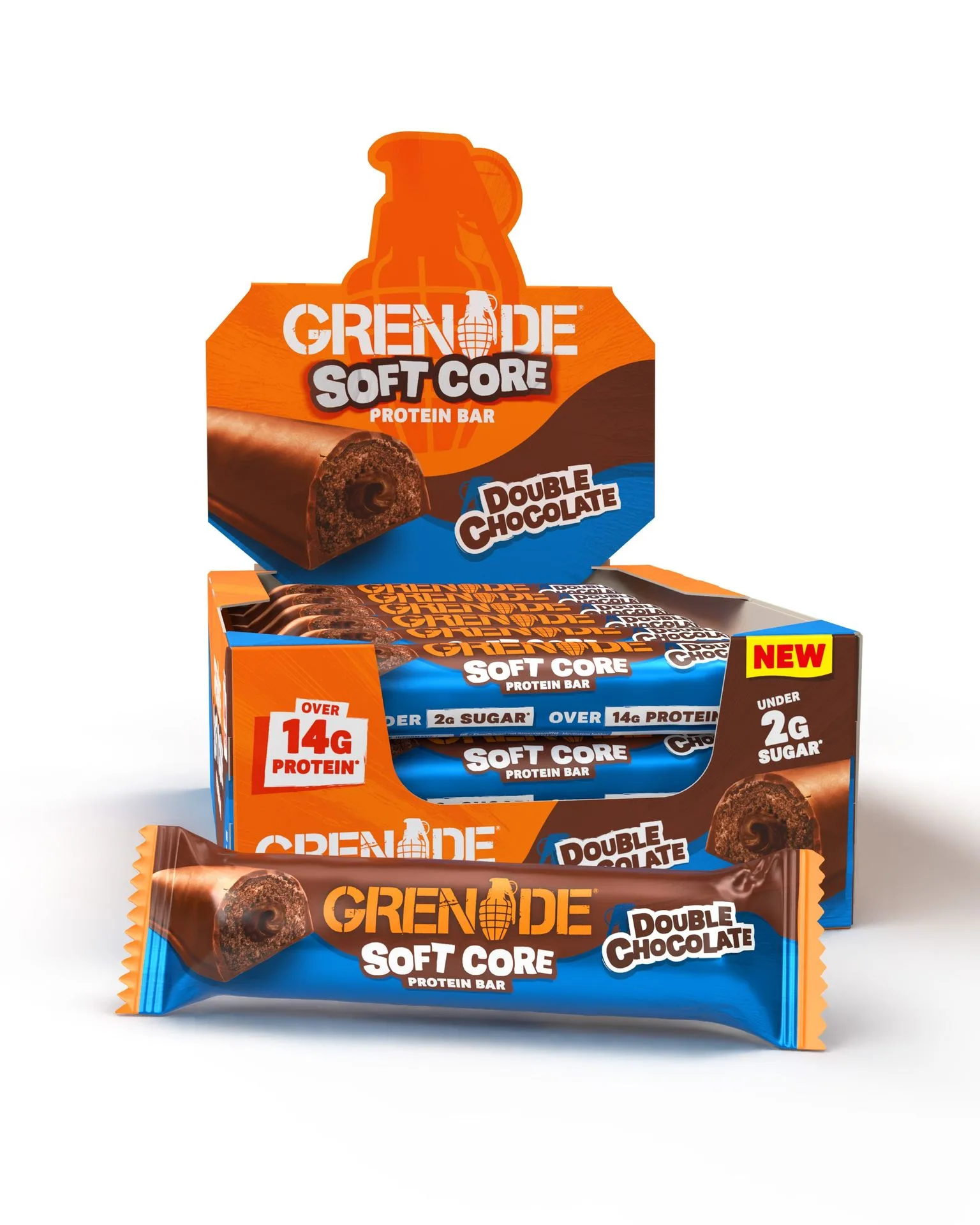
Not all protein bars are created equal. Soft-core bars, like the Soft Core Double Chocolate Protein Bar, contain a higher moisture content and are more prone to drying out or becoming sticky. Store them in a cool, dark place and avoid temperature fluctuations. Chocolate-coated bars can bloom if exposed to heat, so keep them away from direct sunlight. Bars with fruit or nut inclusions (like the Lemon Cheesecake Protein Bar) may have a shorter shelf life due to the natural oils and moisture in those ingredients.
For bars sold in multi-packs, keep them in the original box or a sealed container to protect them from light and air. If you carry a bar in your gym bag, eat it within a day or two, as the bag's heat and humidity can accelerate spoilage. A simple tip: store a few bars in the fridge for a refreshing cold snack, but let them come to room temperature for 5 minutes before eating to restore softness.
- Keep soft-core bars in a consistent environment to maintain their chewy texture.
- Avoid storing bars in the car—especially in summer—as temperatures can soar.
Common Storage Mistakes and How to Avoid Them
One of the biggest mistakes is storing protein bars in the refrigerator long-term. While it can extend shelf life, the cold temperature and humidity can cause condensation when you take them out, leading to mould growth. If you must refrigerate, use an airtight container and let bars warm up before opening the package. Another common error is leaving bars in a gym bag or backpack for days—the heat and moisture create a breeding ground for bacteria and spoilage.
Also, avoid storing bars near strong-smelling foods like onions or spices, as protein bars can absorb odours. Finally, don't assume that all bars are the same—check the label for specific storage instructions. Some bars with natural ingredients may require refrigeration after opening. By avoiding these pitfalls, you can enjoy your bars at their best, whether it's a Chocolate Chip Salted Caramel Protein Bar or a classic Fudge Brownie Protein Shake.
- Never store bars in direct sunlight or near heat-emitting appliances.
- Use a dedicated pantry or drawer for protein bars to keep them separate from odorous items.
Proper protein bar storage is simple once you know the basics: keep them cool, dry, and away from light. By following these tips, you can extend the shelf life of your favourite bars and enjoy them at peak freshness every time. Ready to stock up? Explore our selection of high-quality protein bars, including the popular Soft Core Chocolate Peanut Butter Protein Bar, and keep them fresh with confidence.