Your tactical gear is an investment. Whether you use it for work, airsoft, or outdoor adventures, proper storage is essential to keep it in top condition. Improper storage can lead to mold, mildew, and fabric degradation, shortening the lifespan of your gear and compromising its performance.
In this guide, we'll cover the best practices for storing tactical gear, from pouches to backpacks, with a focus on preventing mold and damage. You'll learn how to control moisture, choose the right storage environment, and maintain your gear so it's ready when you need it.
Why Proper Storage Matters
Tactical gear is made from durable materials like nylon, Cordura, and polyester, but these materials are not immune to environmental damage. Moisture is the biggest enemy. When gear is stored in damp or humid conditions, mold and mildew can develop, leaving musty odors and weakening the fabric. Additionally, prolonged exposure to sunlight can cause fading and material breakdown.
Proper storage not only prevents mold but also maintains the structural integrity of your gear. Pouches, holsters, and backpacks are designed to hold specific shapes; improper storage can cause them to deform, making them less functional. By following the right storage techniques, you can extend the life of your gear and ensure it performs when you need it most.
- Always store gear in a cool, dry place away from direct sunlight.
- Avoid storing gear in plastic bags, which trap moisture.
- Clean and dry gear thoroughly before storage.
Moisture Control: The Key to Preventing Mold
Moisture control is the most critical aspect of tactical gear storage. Even in a dry climate, humidity can cause issues. To prevent mold, you need to manage the environment where your gear is stored. Use silica gel packets or desiccant packs in your storage containers to absorb excess moisture. These are inexpensive and effective.
Another option is to use a dehumidifier in your storage area, especially if you live in a humid region. Alternatively, you can store gear with moisture-absorbing products like DampRid. For long-term storage, consider vacuum-sealing bags, but ensure the gear is completely dry before sealing to avoid trapping moisture.
- Place silica gel packs inside storage bins or bags.
- Use a dehumidifier in closets or storage rooms.
- Check gear periodically for any signs of moisture or mold.
Storing Pouches and Accessories
Pouches and small accessories like the Single Pistol Mag Pouch or the Double M4 Mag Pouch can be stored in various ways. The key is to keep them organized and protected. Use a dedicated storage bin or drawer with dividers to prevent them from being crushed. You can also hang them on a pegboard or a MOLLE panel, which keeps them visible and accessible.
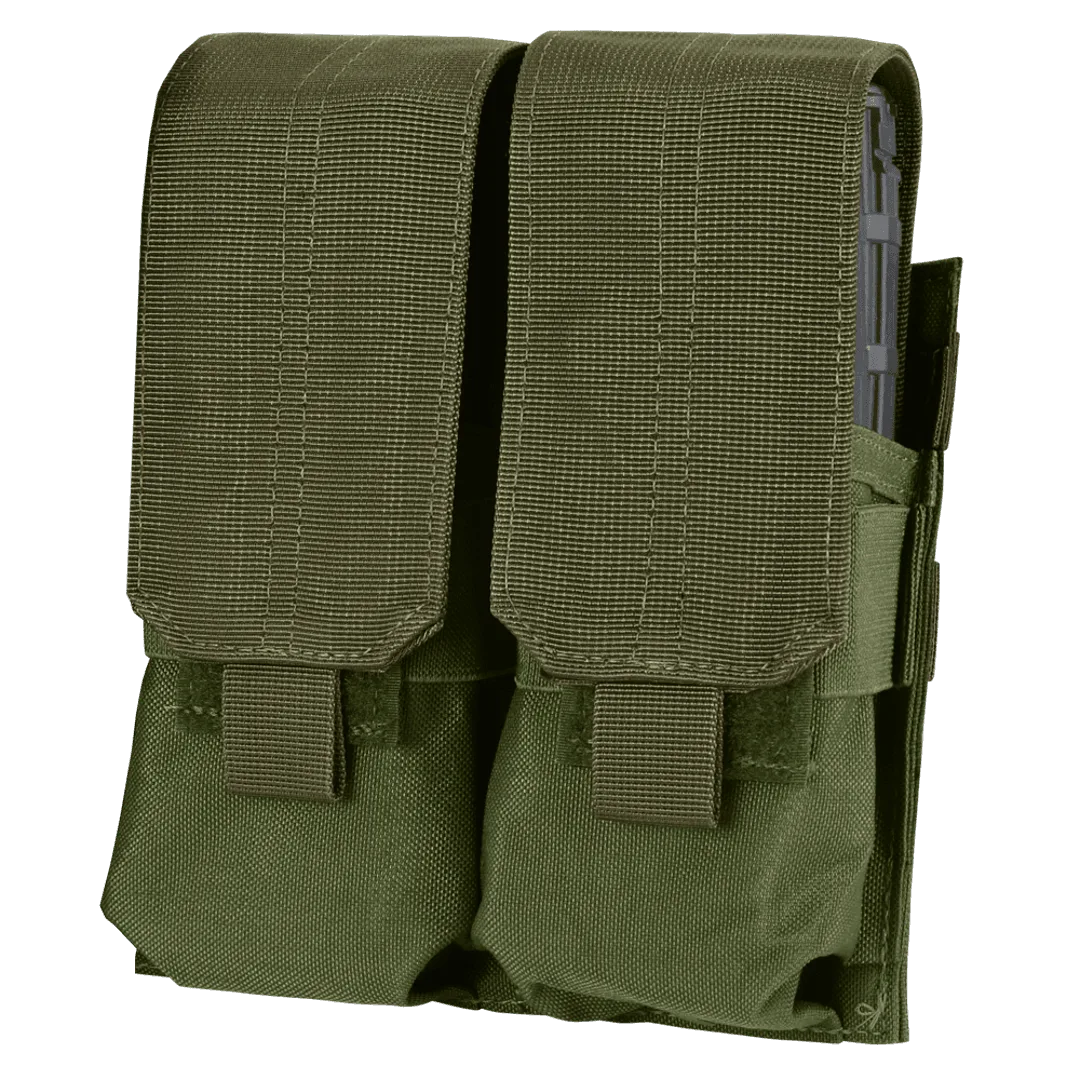
Double M4 Mag Pouch
For pouches that are not in use, consider storing them in a larger pouch or bag to keep them together. For example, you can use a Tech Pouch to store smaller items, but note that the Tech Pouch itself should be stored properly. Ensure all zippers are closed and any Velcro is fastened to prevent debris from getting inside.
- Use clear, stackable bins to see contents at a glance.
- Hang pouches on a pegboard to maintain their shape.
- Store similar items together for easy access.
Backpack Storage Tips
Backpacks, such as assault packs or daypacks, require special attention. Always empty your backpack before storage. Remove all contents, including any small items that might be left in pockets. Shake out debris and clean the interior and exterior with a mild soap solution. Allow it to air dry completely.
When storing, avoid folding or crushing the backpack. Instead, stuff it with packing material or a towel to help it retain its shape. Hang it on a sturdy hook or lay it flat on a shelf. If you need to store it for an extended period, consider using a breathable garment bag to protect it from dust while allowing air circulation.
- Empty and clean your backpack before storage.
- Stuff with towels or packing material to maintain shape.
- Hang or lay flat to prevent deformation.
Organizing Your Storage Space
A well-organized storage space makes it easier to maintain your gear and prevents clutter that can lead to damage. Designate a specific area for your tactical gear, whether it's a closet, a shelf, or a storage room. Use shelving units, bins, and hooks to keep everything in its place.
Labeling your storage containers can save time when you need to find a specific item. Also, consider rotating your gear if you have multiple sets, using the ones you haven't worn in a while to ensure even wear. This also gives you a chance to inspect for any signs of mold or damage.
- Create a dedicated gear storage area.
- Label bins and shelves for quick identification.
- Rotate gear to ensure even use and inspection.
Maintaining Gear During Storage
Even with proper storage, it's important to periodically check your gear. Set a reminder to inspect your gear every few months. Look for any signs of mold, mildew, or insect damage. If you find mold, clean it immediately with a mixture of water and vinegar, then dry thoroughly.
Also, check zippers, buckles, and Velcro for functionality. Lubricate zippers with a silicone-based lubricant if they become stiff. For leather items, apply a conditioner to prevent cracking. By staying proactive, you can catch issues early and keep your gear in excellent condition.
- Inspect gear every 3-6 months for mold or damage.
- Clean mold with water and vinegar solution.
- Lubricate zippers and maintain leather components.
Proper storage of your tactical gear is essential to prevent mold and damage, ensuring your equipment lasts for years. By controlling moisture, organizing your space, and maintaining your gear, you can keep everything ready for action. For more gear storage solutions, explore our selection of pouches and accessories designed to keep your equipment protected.