Quick Answer
Store TePe interdental brushes upright in a dry, ventilated container away from moisture. Rinse and air-dry them fully after each use before capping or storing. This prevents bacterial growth and keeps the bristles effective longer.
Why Proper Storage Matters for Interdental Brush Hygiene
Interdental brushes like TePe Extra Soft models are designed to reach tight spaces between teeth, but their fine bristles can trap moisture and debris. If stored in a damp, closed container, bacteria can multiply quickly, making the brush less hygienic for daily use. Proper storage is key to maintaining both the brush's cleaning power and your oral health.
Choosing the Right Storage Container
A ventilated container or a brush holder with drainage holes allows air to circulate and moisture to evaporate. Avoid airtight jars or plastic bags, as they trap humidity. Many users repurpose a small cup or a dedicated interdental brush stand, as long as it lets the brush stand upright and dry freely.
How to Store TePe Interdental Brushes: Step by Step
- Rinse thoroughly after use: Hold the brush under warm running water and gently rub the bristles with your thumb to remove plaque and food particles. Shake off excess water. Common mistake: rinsing with cold water only – warm water helps dissolve residue better.
- Air-dry completely before capping: Place the brush upright in a clean, dry cup or holder with the bristles facing up. Leave it uncovered for at least 30 minutes until no moisture remains between the bristles. Checkpoint: if you see water droplets inside the cap after storing, the brush wasn't dry enough.
- Store in a ventilated container: Once dry, place the brush in a container with holes or a stand that allows airflow. Keep it away from the bathroom sink, toilet, or humid areas. Common mistake: storing brushes in a closed drawer or medicine cabinet where moisture collects.
- Replace the cap loosely (if using one): If your TePe brush came with a protective cap, snap it on loosely so air can still circulate. Do not seal it tight while the brush is even slightly damp. Checkpoint: a musty smell means the cap was sealed too soon – wash and dry the brush again.
- Replace brushes regularly: Even with perfect storage, replace your interdental brush every 1-2 weeks or when bristles appear frayed or bent. A worn brush is less effective and harder to clean. Final tip: mark your calendar or tie replacement to a weekly routine, like Sunday night.
Product Facts: TePe Extra Soft Interdental Brushes
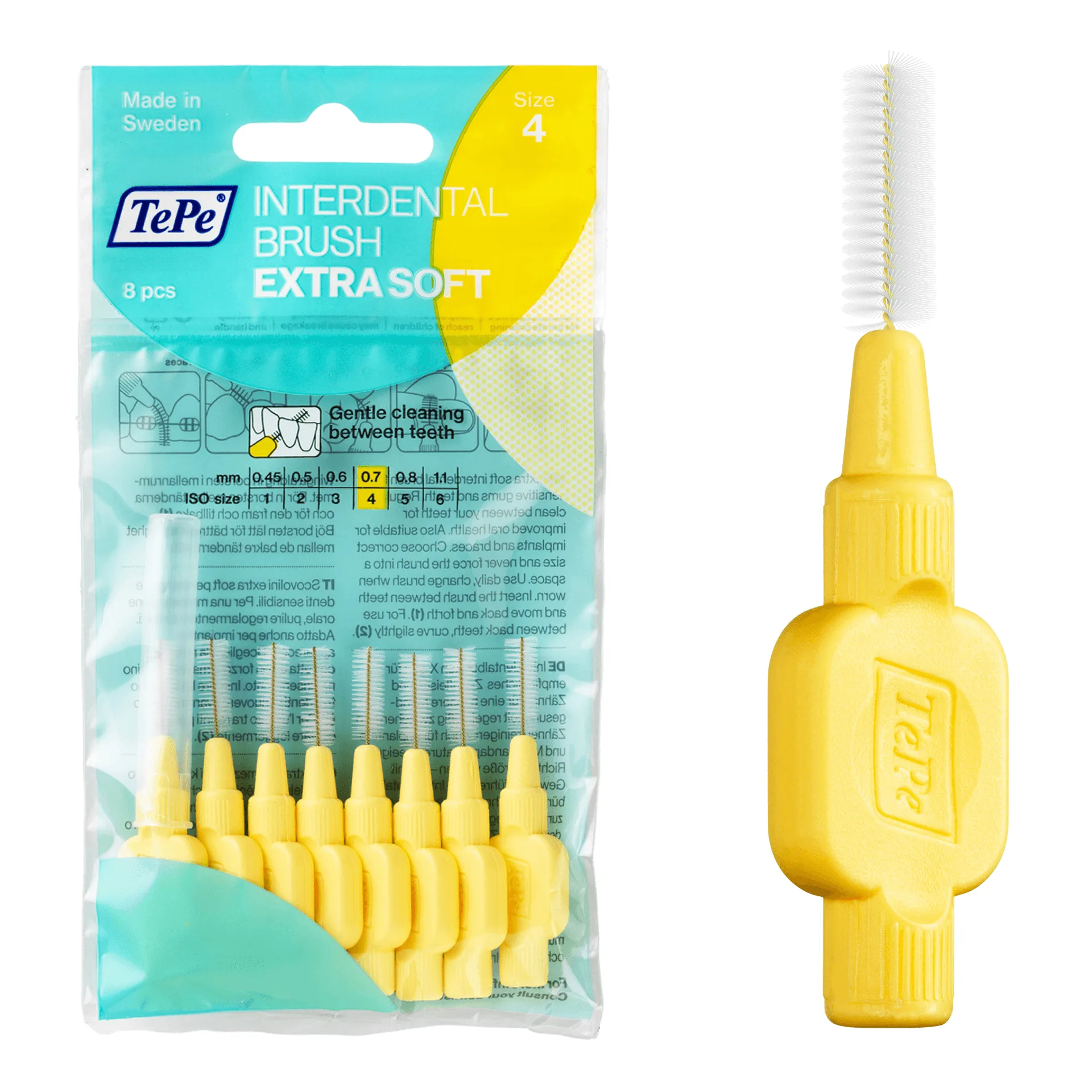
- TePe® Interdental Brushes Extra Soft Yellow - 0.7 mm (ISO 4): TePe Extra Soft™ Interdental Brushes have Extra Soft bristles for the most gentle clean – recommended for patients with sensitive teeth, dry mouth or after oral surgery – available in 6 sizes. Because these brushes are extra gentle, their fine bristles can bend or degrade if stored improperly. Keeping them dry and upright preserves the soft texture and prevents deformation.
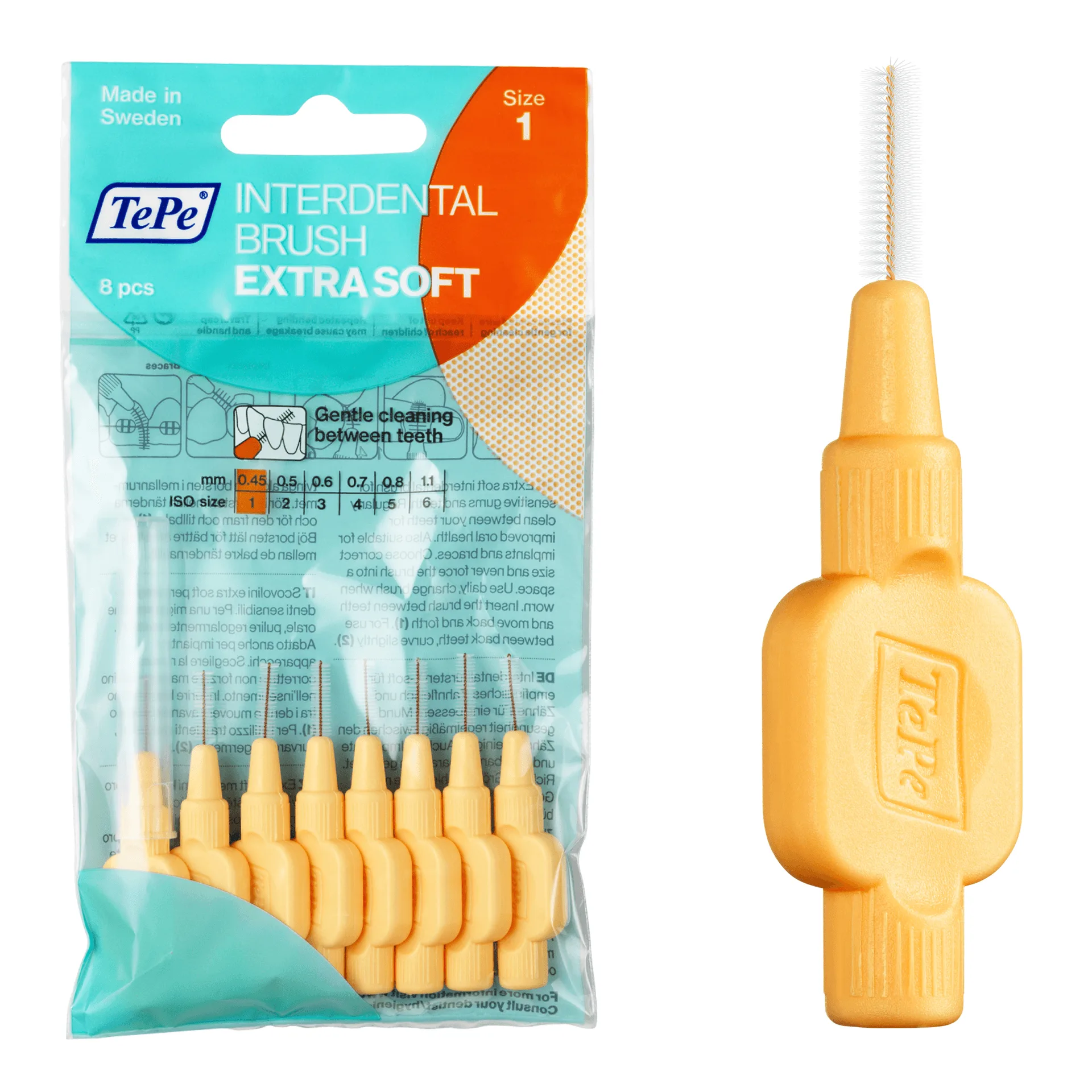
- TePe® Interdental Brushes Extra Soft Orange - 0.45 mm (ISO 1): This interdental brush has Extra Soft bristles for the most gentle clean – recommended for patients with sensitive teeth, dry mouth or after oral surgery – available in 6 sizes. The 0.45 mm size fits very narrow gaps. Storing it in a clean, dry place ensures the thin wire and bristles stay aligned and effective for precise cleaning.
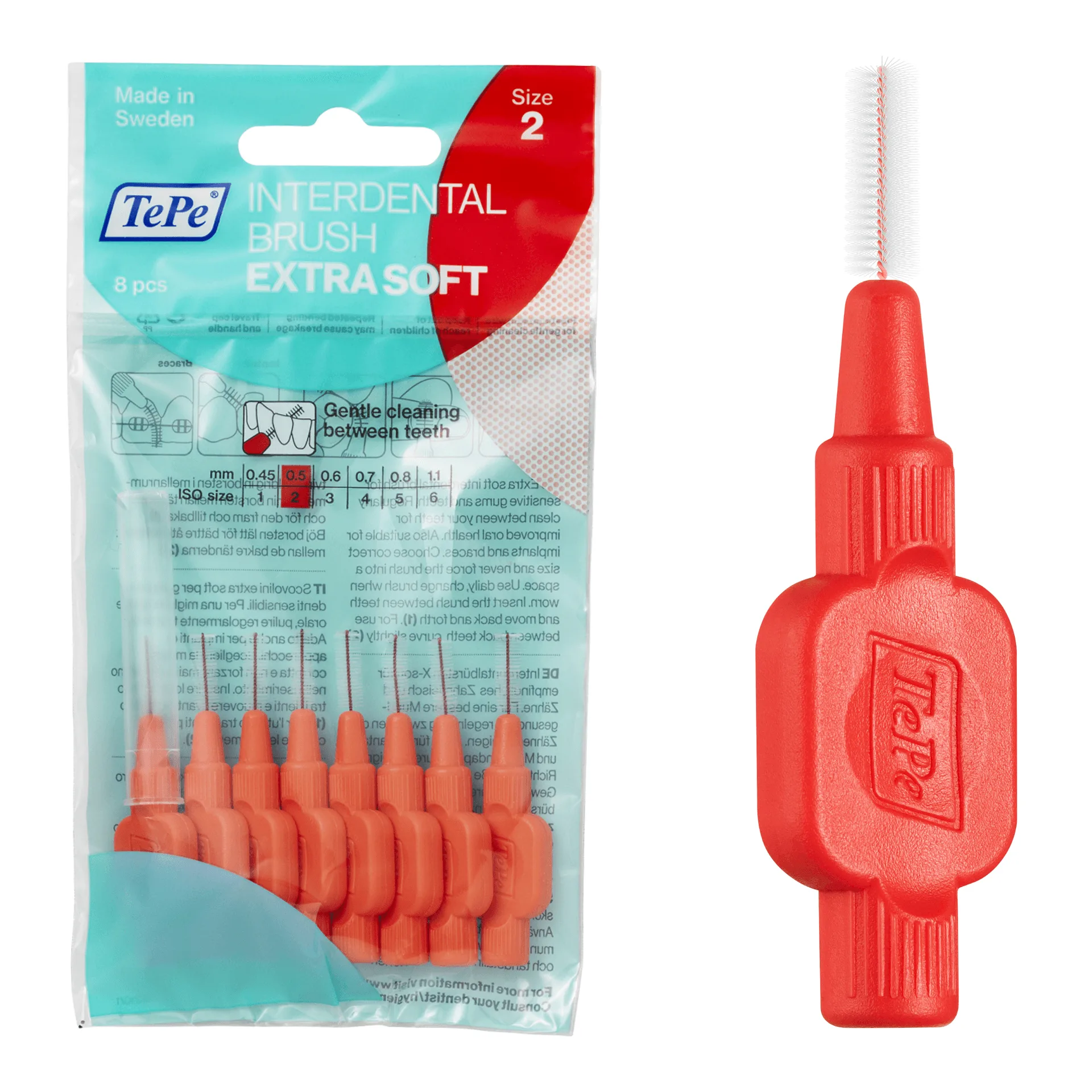
- TePe® Interdental Brushes Extra Soft Red - 0.5 mm (ISO 2): TePe Extra Soft™ Interdental Brushes are designed to clean the gaps between the teeth, where a regular toothbrush is unable to reach. Since these brushes reach areas a regular toothbrush misses, keeping them hygienic is essential to avoid reintroducing bacteria into those clean spaces.