Quick Answer
Store toothpaste tablets and toothpowder in a cool, dry place away from direct sunlight and humidity. Keep them in their original airtight containers or transfer to a sealed glass jar. Avoid leaving them in the bathroom where moisture can cause clumping or degradation.
Toothpaste tablets and mineral toothpowder are convenient, eco-friendly alternatives to traditional toothpaste. But their format makes them more sensitive to moisture and air than a standard tube. If you've ever found your tablets stuck together or your toothpowder clumping, you know the frustration.
Proper storage not only preserves the texture and flavor but also extends the shelf life of these products. Here are the dos and don'ts to keep your oral care products in top condition.
Why Storage Matters for Toothpaste Tablets and Powders
Both toothpaste tablets and toothpowder are formulated with mineral-rich ingredients that can absorb moisture from the air. Humidity can cause tablets to soften and lose their crunch, while powders may clump and become difficult to use. In extreme cases, moisture can encourage microbial growth, compromising the product's safety.
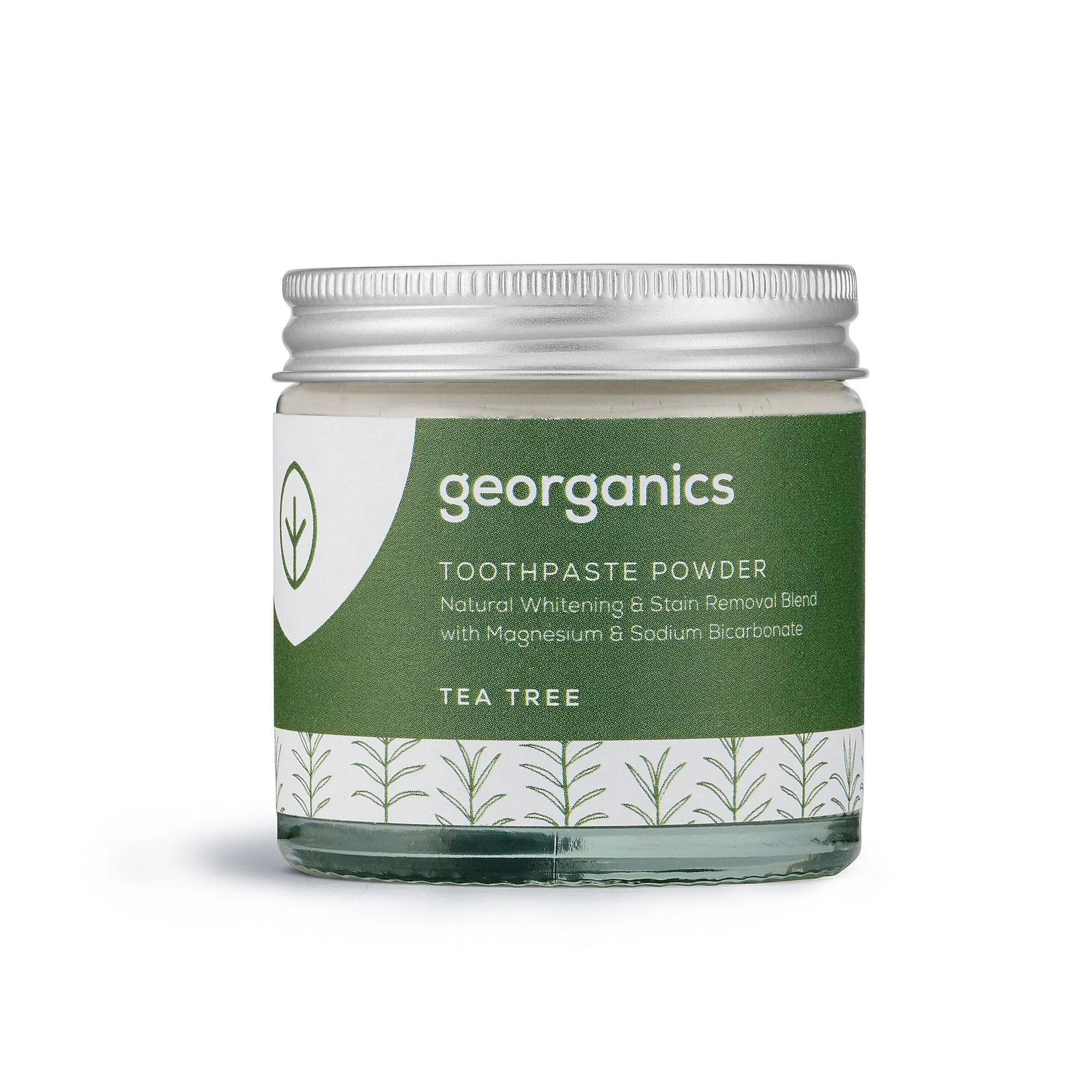
Additionally, exposure to air can cause essential oils and flavors to evaporate, reducing the freshness and effectiveness of the product. For example, tea tree oil and orange essential oil are volatile and can degrade when exposed to oxygen. Proper storage helps maintain the integrity of these active ingredients.
- Keep products sealed when not in use to minimize air exposure.
- Avoid storing in the bathroom if it's humid; consider a bedroom drawer or cabinet.
The Dos of Storing Toothpaste Tablets and Powders
First, always store your tablets and powders in a cool, dry place. The ideal temperature range is between 15°C and 25°C (59°F-77°F). Avoid areas near stoves, radiators, or windows where heat can accelerate degradation.
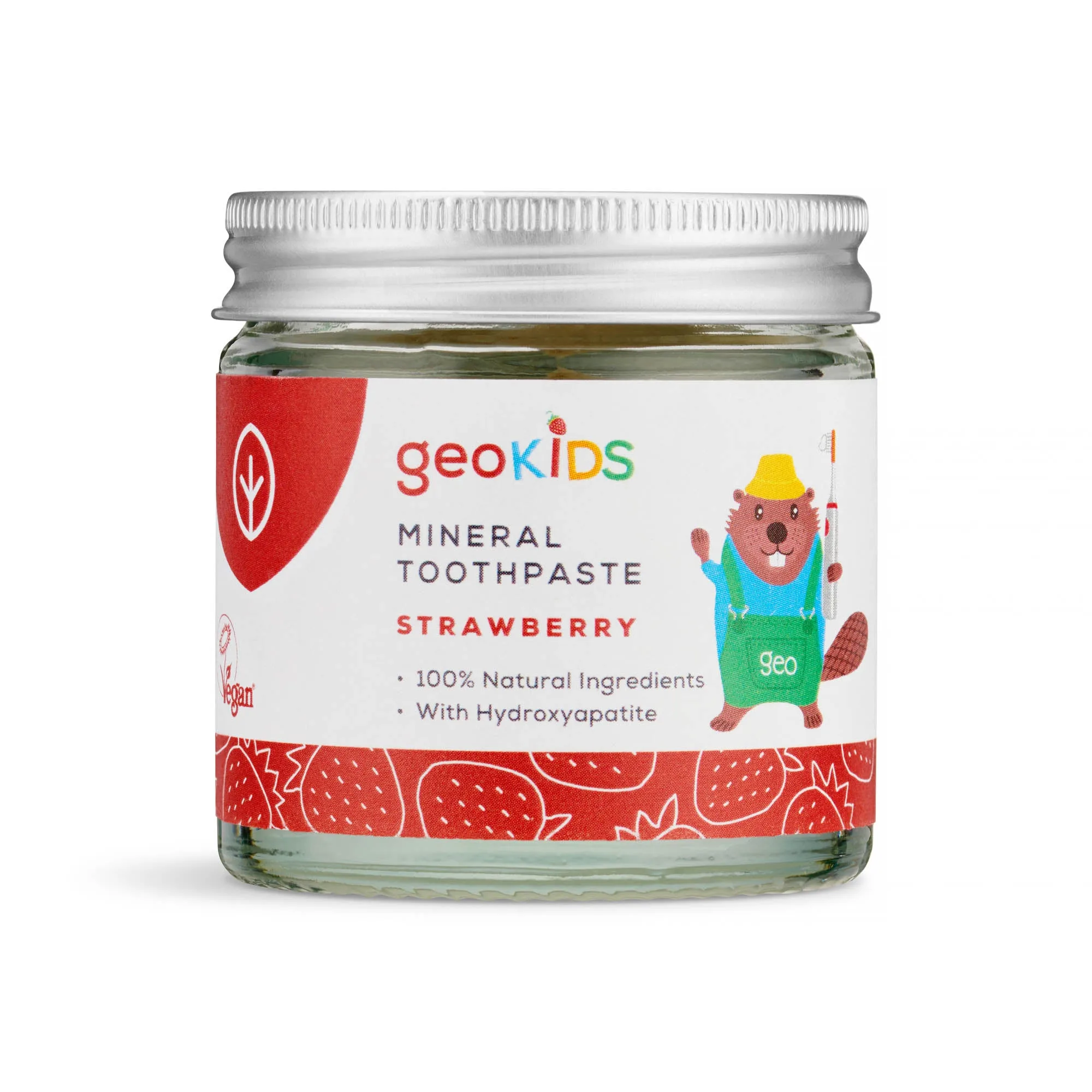
Second, use an airtight container. Many products come in glass jars with tight-fitting lids, like Georganics' Mineral Toothpaste Powder jars. If you transfer to another container, ensure it is clean, dry, and completely sealed. For tablets, the original packaging is often resealable—use it.
Third, keep the product away from direct sunlight. UV rays can break down some ingredients and alter the flavor. Store in a dark cupboard or drawer.
- Check the seal on the container after each use.
- If you live in a humid climate, consider adding a silica gel packet to the container to absorb excess moisture.
The Don'ts of Storing Toothpaste Tablets and Powders
Don't store them in the bathroom if it's humid. The steam from showers can seep into containers, causing clumping and reducing shelf life. Instead, keep them in a dry area like a bedroom drawer.
Don't use wet hands or a wet toothbrush to scoop out powder or tablets. Moisture introduced into the container can ruin the whole batch. Always use the provided spatula or a dry spoon.
Don't leave the container open while brushing. It's tempting to keep it handy, but every second it's open, it's exposed to humidity and air. Close it immediately after use.
- Avoid storing in the refrigerator—condensation can form when the container is opened.
How to Tell If Your Toothpaste Tablets or Powder Have Gone Bad
Signs of degradation include a change in texture—tablets becoming soft or crumbly, powder forming hard clumps. A loss of flavor or a rancid smell can also indicate that the essential oils have oxidized.
If you notice any of these signs, it's best to discard the product and replace it. Using degraded product may not be harmful, but it won't be effective and the experience will be unpleasant.
- Always check the expiration date if available, but trust your senses as well.
Step-by-Step Storage Routine
- Choose a dry, cool spot: Find a cabinet or drawer away from heat sources and humidity. Avoid the bathroom if it's not well-ventilated. Checkpoint: Is the area away from the shower and sink?
- Keep the container sealed: Always close the lid tightly after each use. If the original packaging is not airtight, transfer to a glass jar with a secure lid. Checkpoint: Does the lid click or seal securely?
- Use dry tools only: Use the provided spatula or a completely dry spoon to scoop out powder. For tablets, pour into your hand—don't touch the tablets with wet fingers. Checkpoint: Is your spatula dry before dipping it in?
- Monitor for signs of moisture: Periodically check for clumping or softening. If you notice any, transfer to a new airtight container and consider adding a silica gel packet. Verdict: If clumping persists, the product may be past its prime—replace it.
Product Storage Notes
- Mineral Toothpaste Powder - Orange: Plastic-free glass jar with reusable spatula included The glass jar with a spatula helps you avoid introducing moisture from your toothbrush, and the airtight seal keeps the powder fresh.
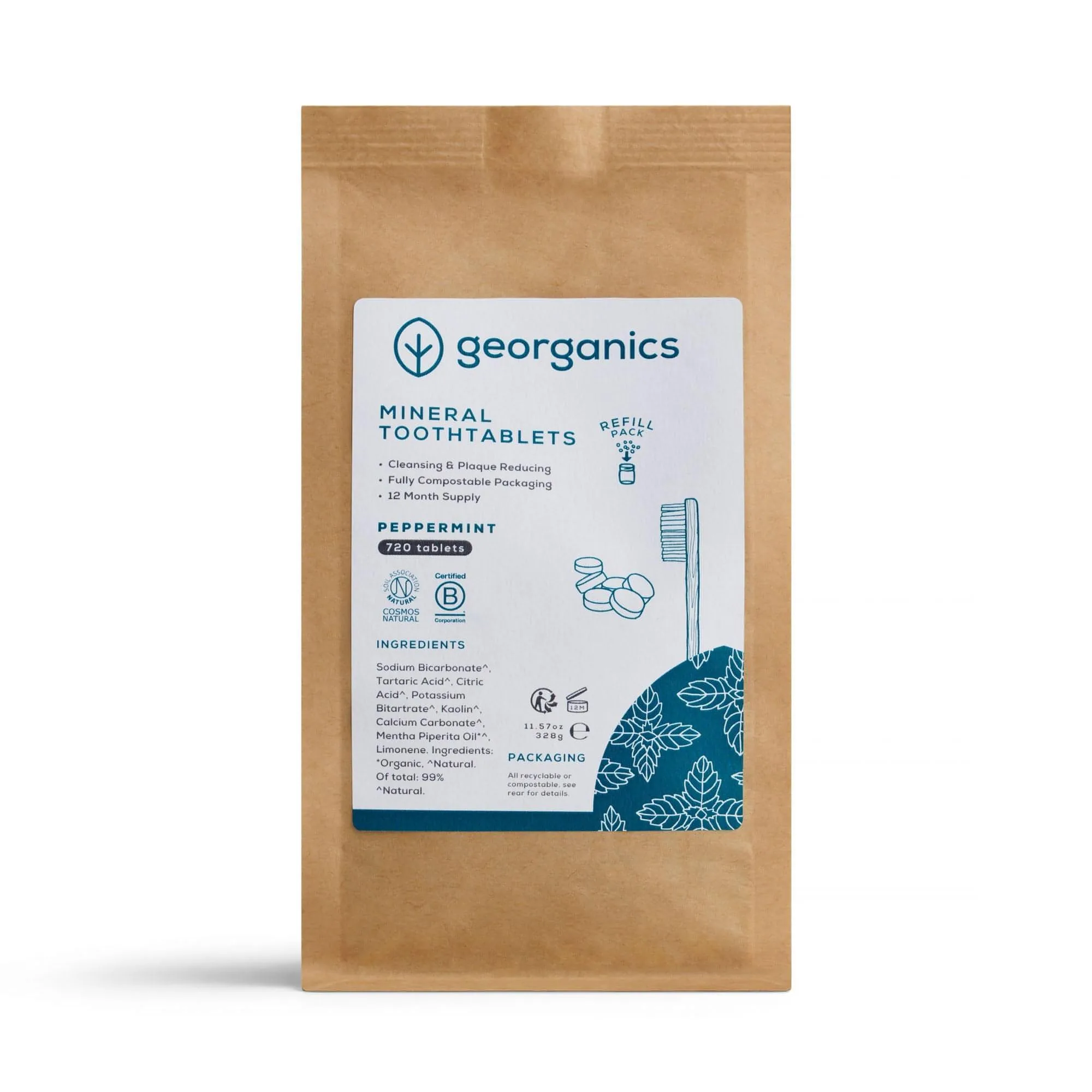
- Mineral Toothpaste Tablets - English Peppermint 720 Tablets: Plastic-free, travel-friendly alternative to conventional toothpaste The refill size is great for stocking up, but you'll need to transfer tablets to an airtight container if the original packaging isn't resealable.
Proper storage is simple but essential for getting the most out of your toothpaste tablets and toothpowder. By keeping them dry, sealed, and away from humidity, you'll enjoy fresh, effective oral care every time you brush.