Quick answer
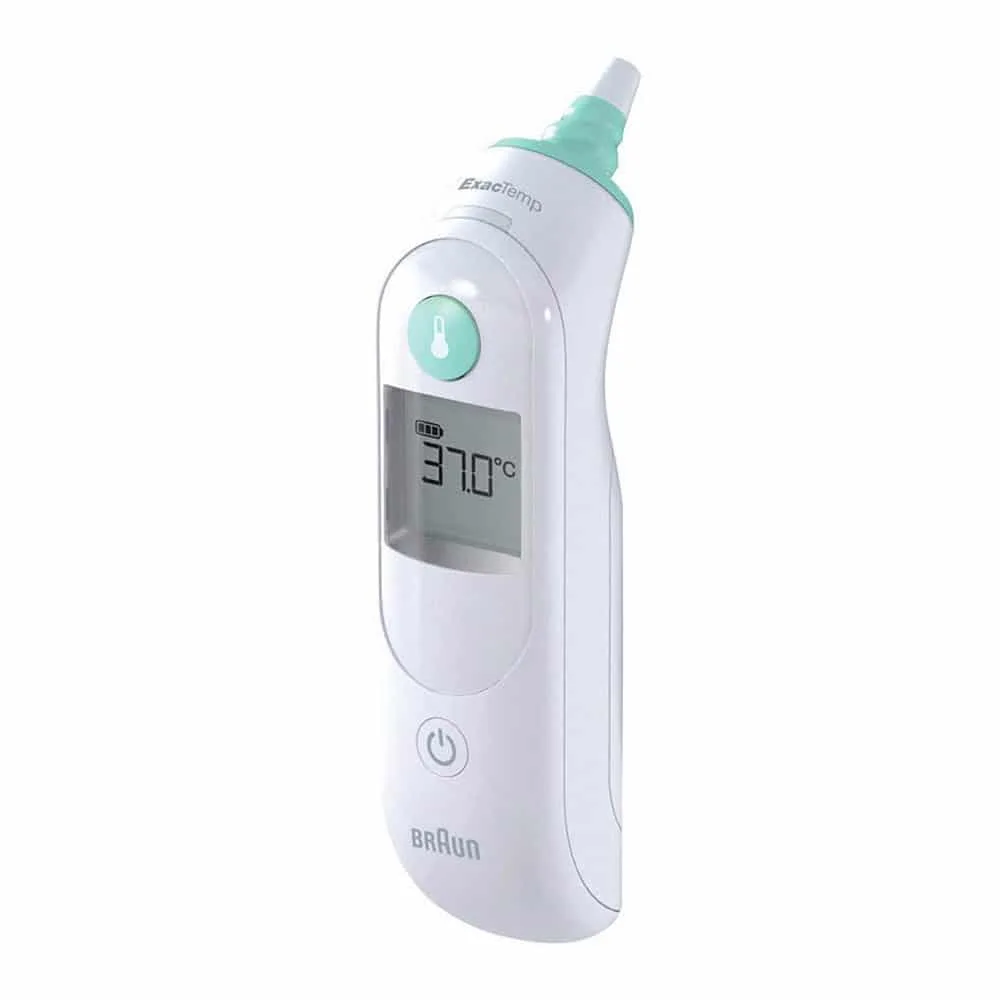
Store your baby thermometer in its own dry, room-temperature case away from direct sunlight, and clean it before and after every use. For digital models, check the battery and probe condition monthly, and always follow the manufacturer's instructions for your specific thermometer type.
Why storage conditions affect thermometer accuracy
Extreme heat, cold or humidity can affect the calibration of digital thermometers over time. A bathroom cabinet may seem convenient, but steam from showers and baths can introduce moisture that damages the probe or the display. A bedroom drawer or a dedicated shelf in a cool, dry room is a better choice. Keep the thermometer in its protective case or cover to prevent dust and scratches from settling on the sensor.
How to clean and disinfect your baby thermometer safely
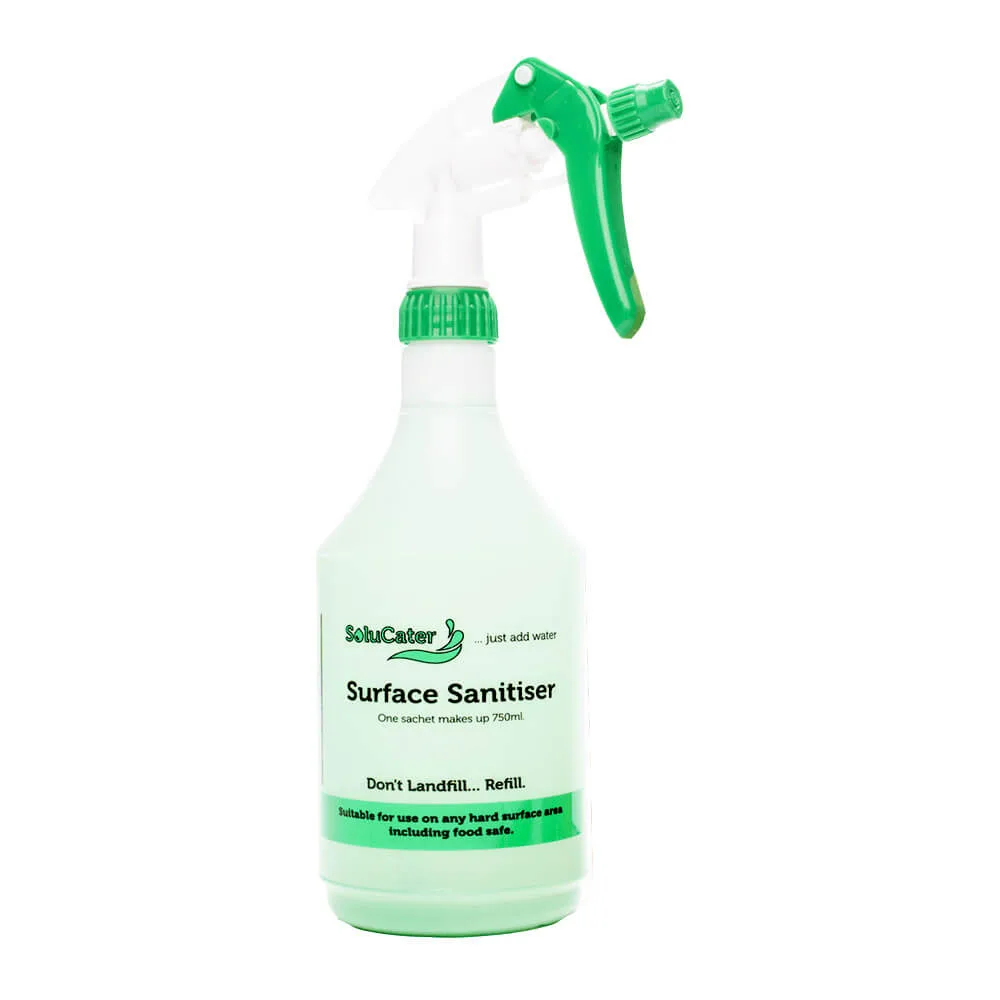
Most digital thermometers have a waterproof tip that can be wiped with a soft cloth dampened with soapy water or an alcohol wipe, but always check the manufacturer's guidance first. Never submerge the display or battery compartment in water. For a more thorough clean, use a surface cleaner that is independently tested to EN 14476+A2:2015, such as SoluClean Anti Viral Cleaner, which is suitable for all surfaces where hygiene is paramount. Wipe the probe, let it air dry completely, and store it back in its case.
When and how to check your thermometer's accuracy
Digital thermometers rarely need calibration, but it is worth checking accuracy if the thermometer has been dropped or exposed to extreme temperatures. You can do a simple ice-point test: fill a glass with crushed ice and a little water, stir, and insert the probe without touching the sides. After 30 seconds, it should read close to 0°C (32°F). If it is off by more than 0.5°C, replace the thermometer or follow the manufacturer's calibration steps. Keep a spare thermometer on hand so you are never caught out.
Step-by-step: storing and using a baby thermometer
- Choose the right storage spot: Pick a cool, dry place out of direct sunlight, such as a bedroom drawer or a shelf away from radiators and windows. Keep the thermometer in its case. Checkpoint: avoid bathrooms and kitchen areas where steam and moisture are common.
- Clean before and after every use: Wipe the probe with a soft cloth dampened with soapy water or an alcohol wipe, then dry thoroughly. For extra reassurance, use a surface cleaner tested to EN 14476+A2:2015. Mistake to avoid: never immerse the display or battery compartment in water.
- Use the correct technique for your thermometer type: For a digital thermometer, place the tip under the tongue, in the armpit, or rectally as instructed. Hold it in place until it beeps, then read the display. Checkpoint: wait at least 15 minutes after your child has had a hot or cold drink before taking an oral reading.
- Record the reading and note the time: Write down the temperature and the time so you can spot a trend. If you need to check again, wait at least 30 minutes to let the body settle. Next step: if the temperature is 38°C (100.4°F) or higher in a baby under 3 months, seek medical advice immediately.
- Recheck accuracy monthly and after any drop: Do a simple ice-point test: insert the probe into a glass of crushed ice and water, stir, and wait 30 seconds. It should read close to 0°C (32°F). Mistake to avoid: don't rely on a thermometer that reads more than 0.5°C off—replace it.
Products that support thermometer hygiene
- SoluClean Anti Viral Cleaner 1×10 Sachets: SoluClean Anti Viral Cleaner is independently tested to EN 14476+A2:2015 and suitable for use on all surfaces where hygiene is paramount. Use it to wipe down thermometer probes and storage cases between uses, especially when illness is in the house.
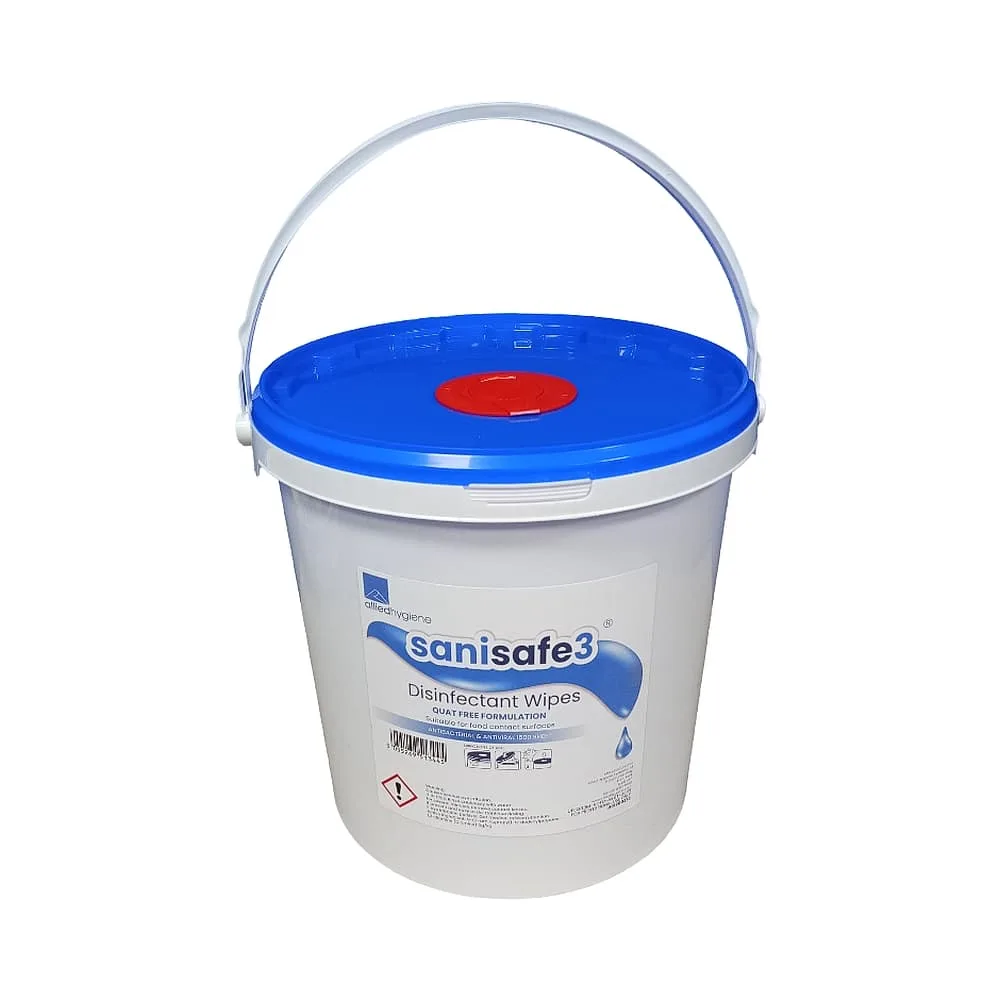
- Sanisafe3 Disinfectant Wipes Bucket – 1 x 200: Sanisafe3 Disinfectant Wipes are alcohol-based, quick-drying and rinse-free, with efficacy against Gram-positive and Gram-negative organisms. Convenient for a fast wipe of the thermometer tip and your hands before and after a temperature check.