Vitamin C is one of the most powerful antioxidants in skincare, but it's also one of the most unstable. If you've ever noticed your serum turning a deep orange or brown, you've witnessed oxidation in action. Once oxidized, vitamin C loses its effectiveness and can even irritate the skin. That's why knowing how to store your vitamin C serum properly is essential to get the most out of every drop.
In this guide, we'll cover the science behind vitamin C oxidation, the best storage practices, and how to choose packaging that protects your serum. Whether you use a daily serum or prefer the convenience of single-use pouches, these tips will help you maintain potency and extend shelf life.
Why Vitamin C Serums Oxidize So Quickly
Vitamin C, particularly in the form of L-ascorbic acid, is highly sensitive to light, heat, and air. When exposed to these elements, it undergoes oxidation, turning a yellow-orange color and losing its antioxidant power. This process is accelerated by improper storage, which is why many serums come in dark, airtight bottles.
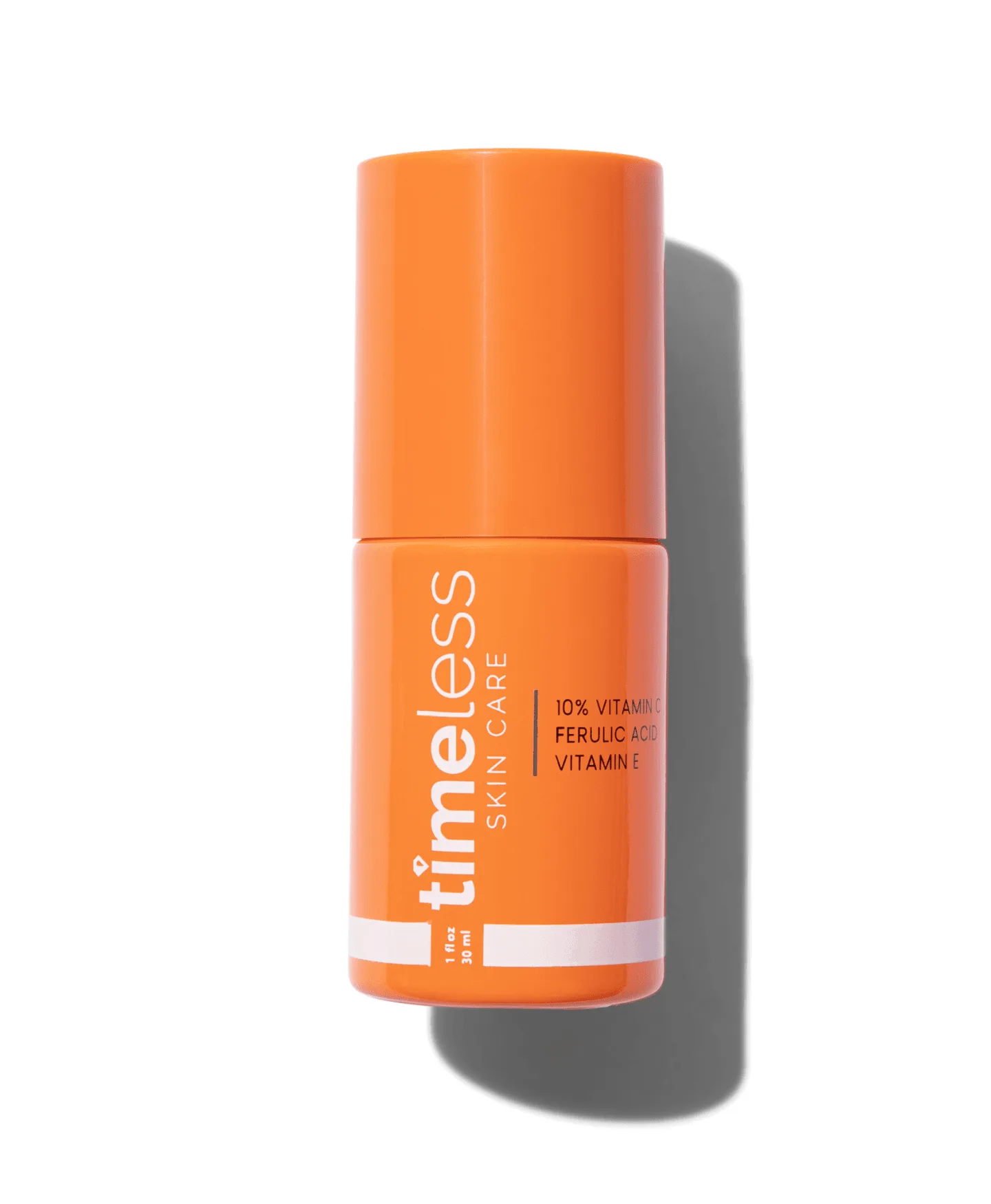
The rate of oxidation also depends on the formulation. Serums that combine vitamin C with stabilizing ingredients like ferulic acid and vitamin E are more resistant to degradation. For example, the 10% Vitamin C + E Ferulic Acid Serum and the 20% Vitamin C + E Ferulic Acid Serum are formulated to enhance stability, but they still require proper storage to maintain their efficacy.
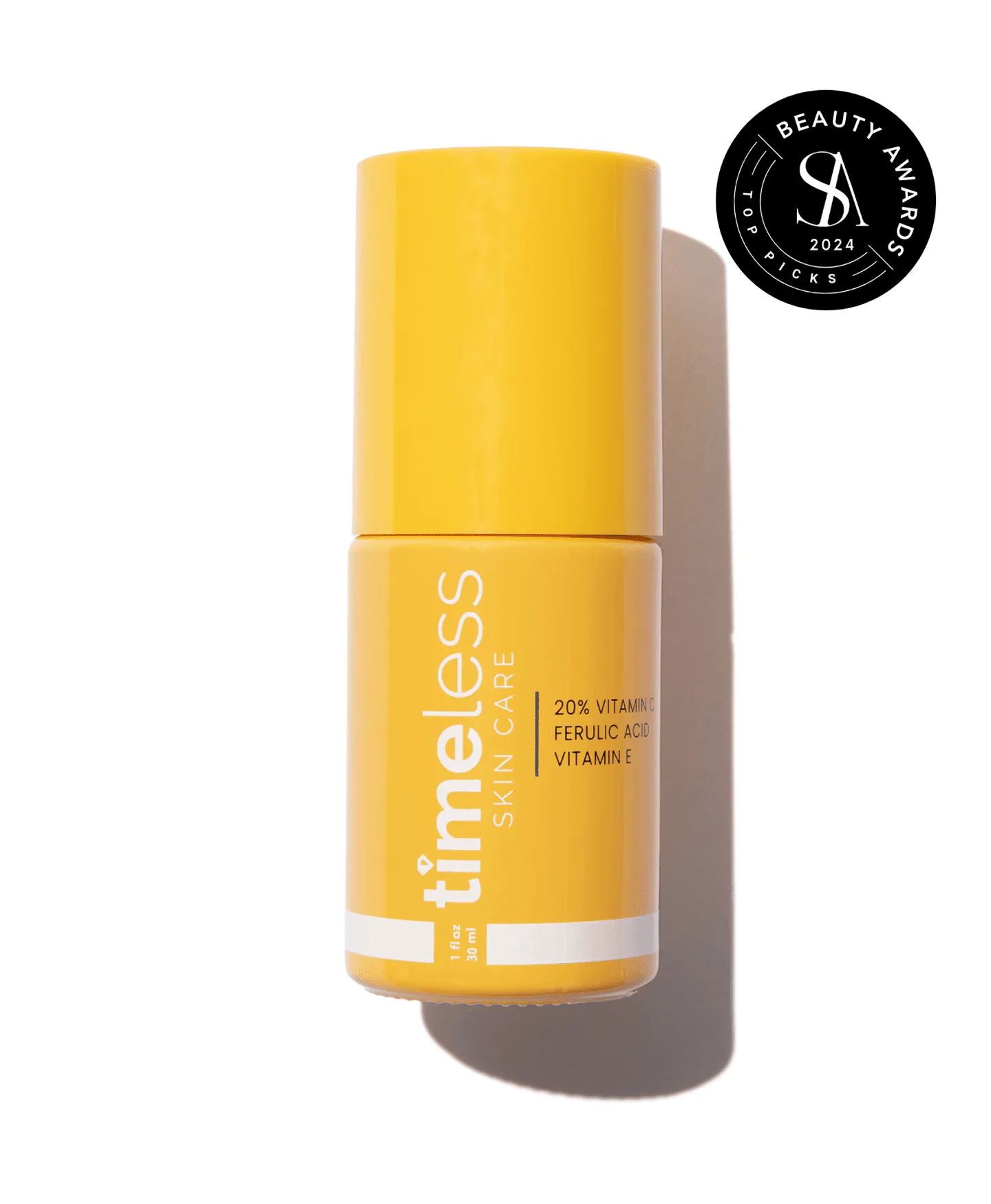
20% Vitamin C + E Ferulic Acid Serum
- Oxidation is triggered by light, heat, and air exposure.
- L-ascorbic acid is the most unstable form of vitamin C.
- Ferulic acid and vitamin E help stabilize vitamin C.
Best Practices for Storing Your Vitamin C Serum
To keep your vitamin C serum fresh, always store it in a cool, dark place away from direct sunlight. A bathroom cabinet is often too warm and humid due to showers, so consider a bedroom drawer or a refrigerator. Refrigeration can significantly slow down oxidation, but make sure the serum is in an airtight container to prevent moisture from getting in.
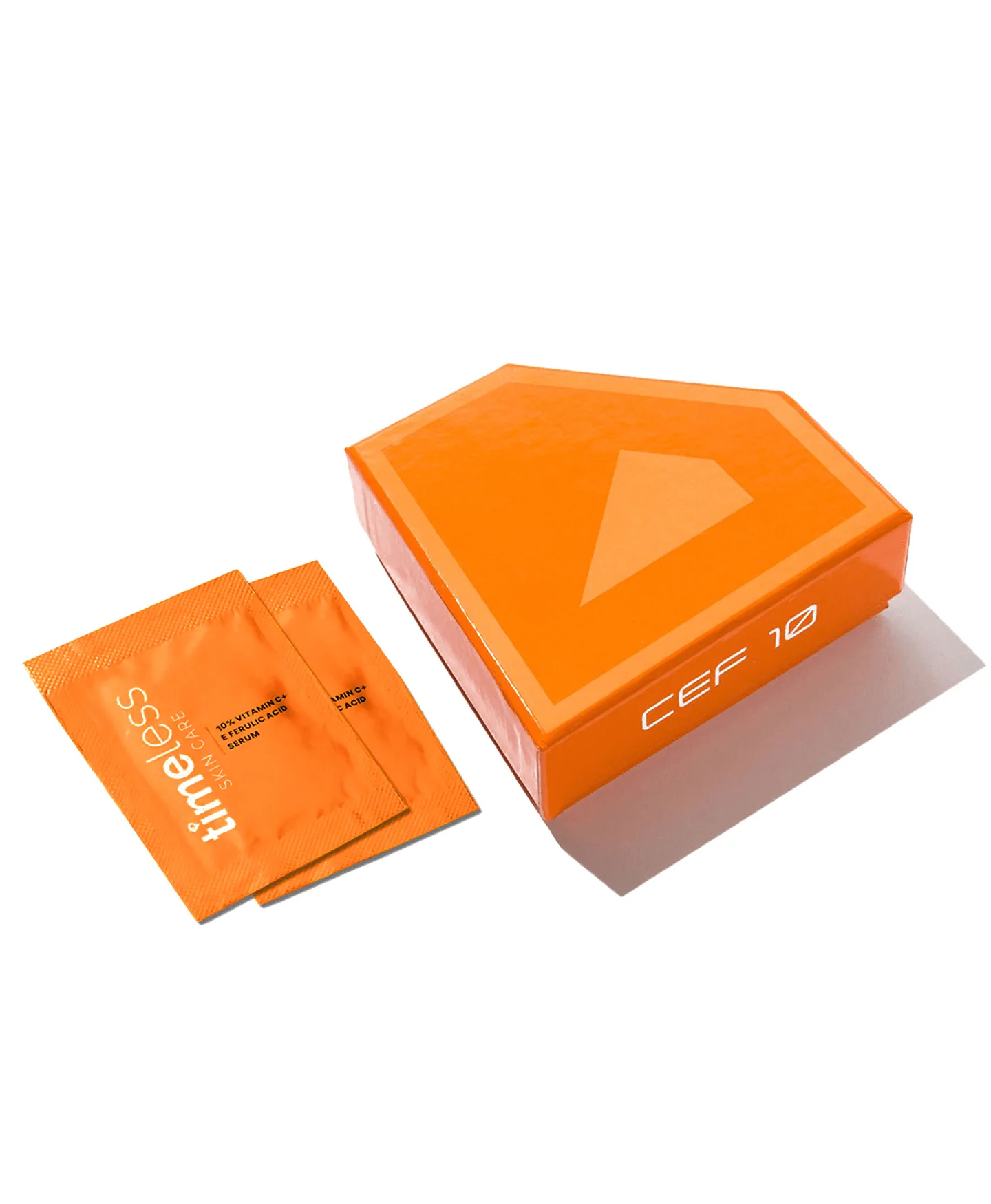
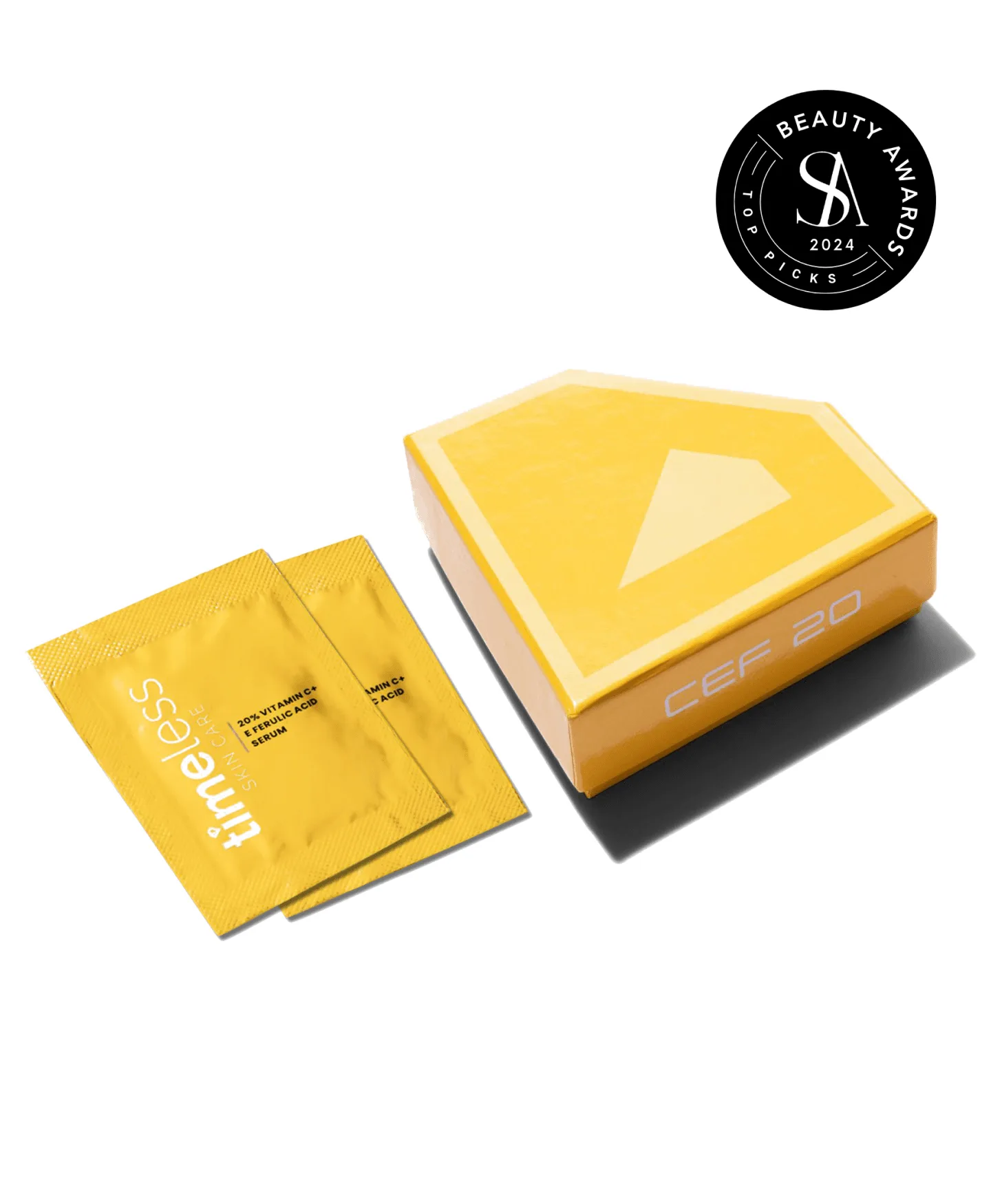
Another key tip is to minimize air exposure. Always screw the cap on tightly after each use and avoid shaking the bottle, which introduces oxygen. If you use a dropper, never touch your skin with it—this can introduce bacteria that accelerate degradation. For travel, consider single-use pouches like the 10% Vitamin C + E Ferulic Acid Serum | Pouches or the 20% Vitamin C + E Ferulic Acid Serum | Pouches, which eliminate air exposure entirely.
- Store in a cool, dark place—refrigeration is ideal.
- Keep the cap tightly closed and avoid shaking.
- Use a clean dropper or spatula to avoid contamination.
- Opt for single-use pouches for maximum freshness.
How to Tell If Your Vitamin C Serum Has Gone Bad
The most obvious sign of oxidation is a color change from pale yellow to dark brown. The serum may also develop a distinct, slightly sour smell. If you notice either of these changes, it's time to replace the product. Using oxidized vitamin C can cause skin irritation and won't provide the antioxidant benefits you're looking for.
To avoid wasting product, always check the expiration date and note when you opened the serum. Most vitamin C serums are formulated to last about three to six months after opening, depending on the packaging and formulation. If you're someone who uses serums slowly, consider purchasing smaller sizes or pouches to ensure you finish them before they oxidize.
- Color change to dark brown or orange indicates oxidation.
- A sour or metallic smell is another red flag.
- Replace your serum every 3-6 months after opening.
Packaging Matters: Choosing the Right Container
The packaging of your vitamin C serum plays a crucial role in its shelf life. Dark glass bottles, especially amber or cobalt blue, protect the serum from UV light. Airless pumps are also excellent because they prevent oxygen from entering the container. Avoid clear plastic bottles and wide-mouth jars, which expose the serum to too much air and light.
If you're looking for a serum that prioritizes stability, the 20% Vitamin C + E Ferulic Acid Serum comes in a dark glass bottle with a dropper, while the 10% Vitamin C + E Ferulic Acid Serum offers similar protection. For those who prefer a spray application, the HA Matrixyl® 3000 w/ Rose Spray is a great option that combines hydration with anti-aging benefits, though it's not a vitamin C serum.
- Choose dark glass bottles or airless pumps.
- Avoid clear containers and jars.
- Consider single-use pouches for travel or occasional use.
Proper storage is key to getting the most out of your vitamin C serum. By keeping it cool, dark, and airtight, you can slow oxidation and maintain its potency. If you're looking for a fresh, stabilized formula, check out our 10% Vitamin C + E Ferulic Acid Serum—it's a great addition to any skincare routine.