Quick answer
Roll your mat with the top surface facing outward, let it dry fully before storing, and keep it out of direct sun and extreme heat. Hanging storage works best for daily-use mats, while rolling is safer for travel and long-term storage. Fold only when you need to save space, and never store a damp mat in a closed bag.
Most mats do not wear out from practice alone. They wear out from what happens between sessions: rolled up damp, left in a hot car, or crushed under a bag for weeks. Storage is the part of mat care people skip, and it is often the reason grip fades or edges start to curl.
The good news is that a storage routine takes about a minute. This guide walks through the steps in order, from the moment you finish a session to how you keep a mat when you are not using it for months. Along the way, you will see how specific Liforme mats fit different storage situations.
Why storage affects grip and mat life
A yoga mat's surface does two jobs: it grips the floor and it grips you. Heat, moisture, and pressure all work against that surface over time. Sweat left on a mat can break down the top layer, and a mat rolled while damp traps that moisture against itself. Direct sunlight and hot cars accelerate the process, which is why a mat stored on a sunny windowsill or in a trunk tends to age faster than one kept in a cupboard.
Pressure matters too. A mat compressed under heavy bags or folded tightly along the same crease for months can develop permanent lines and weak spots. The alignment markings printed on Liforme mats are durable, but they still last longest when the mat is stored clean, dry, and uncompressed.
- Store away from direct sun, radiators, and hot cars.
- Never seal a damp mat in a bag or a closed cupboard.
- Avoid stacking heavy objects on a stored mat.
Step 1: Wipe and dry before anything else
After practice, wipe the mat with a damp cloth or a cleaner made for yoga mats, then let it air dry completely. Lay it flat or drape it over a chair or drying rack so air reaches both sides. This step is the one people rush, and it is the one that matters most. A mat that feels dry to the touch can still hold moisture in the padding, so give it time, especially after a hot or sweaty session.
If you use a cleaner, follow its instructions and avoid soaking the mat. For deeper cleaning guidance, our separate guide on cleaning a Liforme mat without damaging the grip covers the full process.
- Checkpoint: the mat should feel dry on both sides, not just the top.
- Do not use a dryer, a heater, or direct sun to speed drying.
Step 2: Choose rolled or folded
Rolling is the default for good reason. It spreads pressure evenly and keeps the mat's surface from creasing. Roll with the top surface facing outward so the grip side is not pressed against itself, which also helps the mat lie flatter when you unroll it. Folding is fine for short trips or tight shelves, but repeated folding along the same line can leave a permanent crease.
The answer to yoga mat rolled or folded is usually rolled for storage and folded only when space demands it. If you fold, alternate the fold lines and unfold the mat as soon as you can. Thin travel mats tolerate folding better than thick ones, but the same principle applies.
- Roll from one end, keeping the roll loose rather than tight.
- If you must fold, change the crease positions each time.
Step 3: Pick a storage spot that fits your space
Yoga mat storage ideas range from a dedicated rack to a simple hook behind a door. The best spot is cool, dry, and out of the way of foot traffic. A closet shelf, an under-bed space, or a wall hook all work. If you practice daily, hanging storage keeps the mat open to air and ready to grab, which also means it dries faster between sessions.
For mats you use less often, a breathable bag or a loose roll on a shelf is better than a sealed container. Avoid storing a mat in a garage or attic where temperatures swing. If your only option is a car, bring the mat inside when you get home rather than leaving it there overnight.
- Hanging storage suits daily-use mats and humid climates.
- Shelf or bag storage suits mats used a few times a month.
Step 4: Match storage to the mat you own
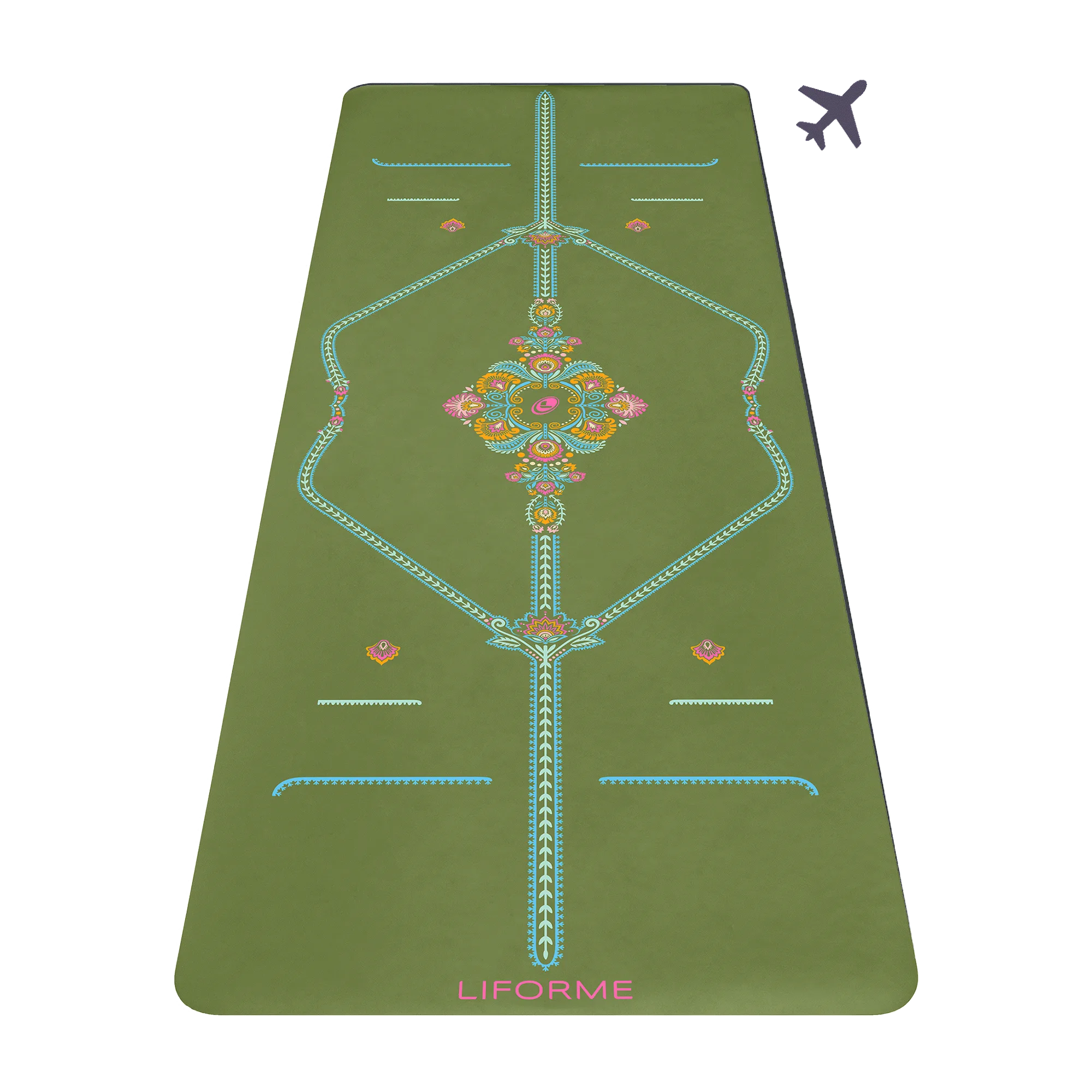
Different mats suit different storage habits. A full-size mat like the Liforme Mindful Garden XL Yoga Mat has more surface area to dry and benefits from hanging or a loose roll on a wide shelf. A travel mat is designed to be rolled small and carried, so it spends more time compressed in a bag, which makes drying it fully before packing even more important.
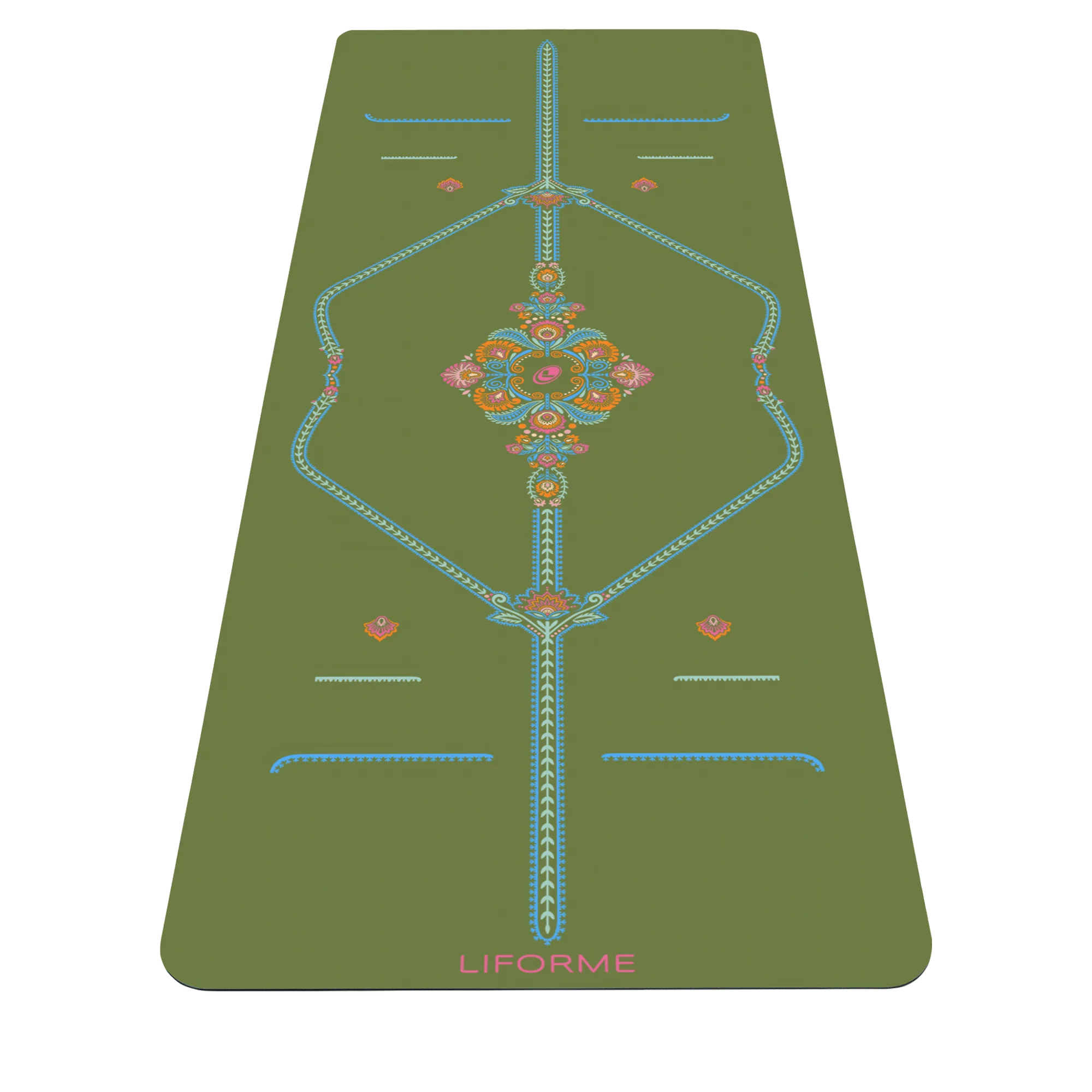
Liforme Mindful Garden XL Yoga Mat
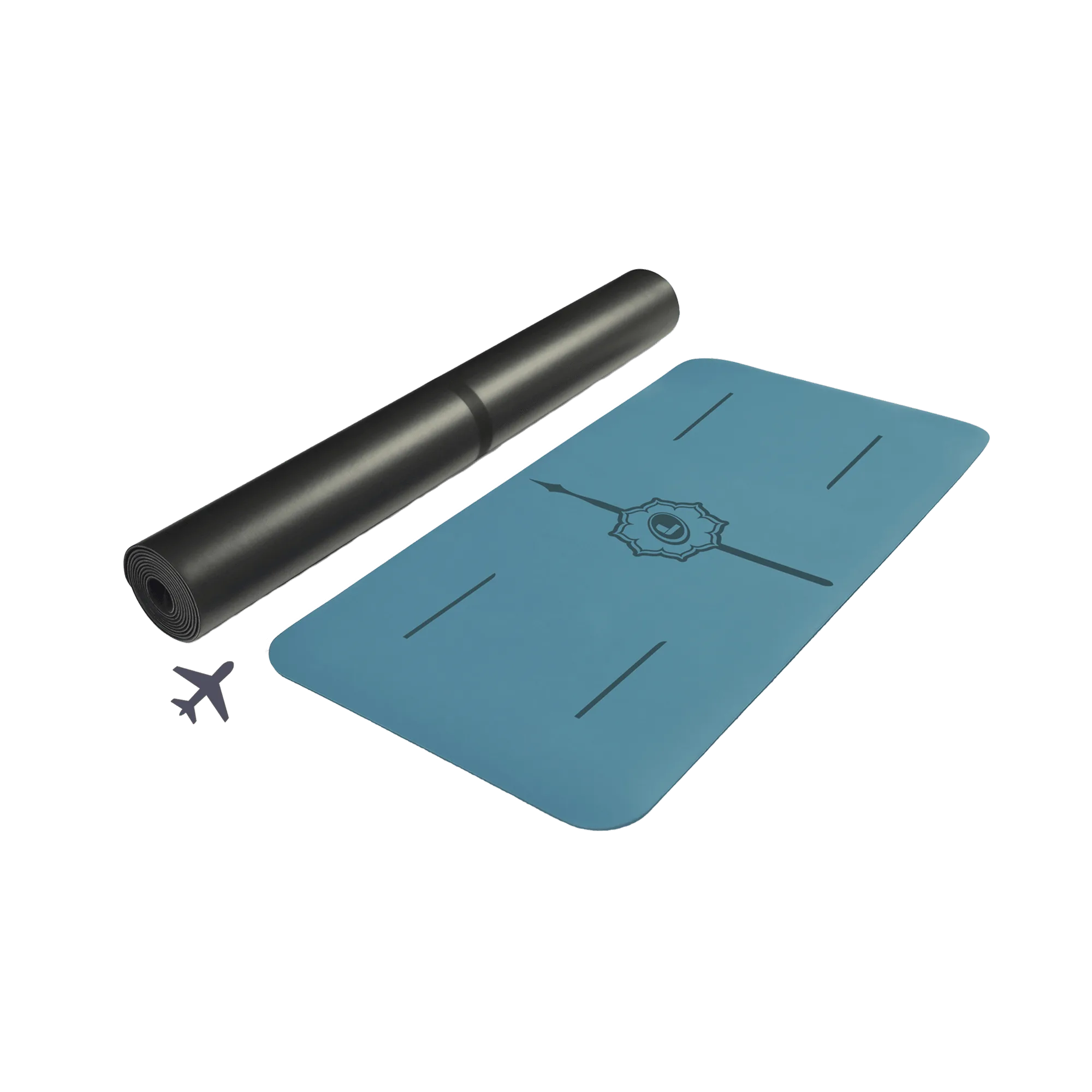
If you keep several mats, store the one you use most where it can breathe and keep the rest rolled loosely. Bundles that include a mat and a pad, such as the https://liformemu.com/products/liforme-classic-travel-yoga-mat-and-yoga-pad-bundle-7489036e939c8e4c20d2022c-1689763Liforme Classic Travel Yoga Mat and Yoga Pad Bundle, come with their own bags, which makes packing easy but also means you should unpack and air them out after each trip.
- Large mats: hang or store in a loose roll on a wide shelf.
- Travel mats: dry fully before they go back in the bag.
Step 5: Check and reset every few months
Storage is not a one-time decision. Every few months, unroll the mat, check for sticky spots, lingering smells, or new creases, and give it a clean and a full air dry. This is also a good time to rotate how the mat is rolled so the same area is not always on the inside of the curve. A quick reset keeps a mat feeling new for longer and catches small issues before they become permanent.
If you notice the mat sliding on the floor, check whether the underside is dusty rather than assuming the grip is gone. A wipe and a full dry often restore it.
- Checkpoint: no smell, no sticky patches, no deep creases.
- Rotate the roll direction each time you reset.
Your five-step mat storage routine
- Dry it completely: Wipe the mat after practice and let it air dry flat or draped until both sides feel dry. Checkpoint: if it feels cool or damp anywhere, it is not ready to store.
- Roll it top-side out: Roll loosely from one end with the grip surface facing outward. This keeps the grip from pressing against itself and helps the mat lie flat next time.
- Choose a cool, dry spot: Use a closet shelf, under-bed space, or a wall hook away from sun and heat. Hanging works best for daily-use mats; shelves suit occasional use.
- Match storage to the mat: Hang or loosely roll large mats, and dry travel mats fully before they go back in their bags. Bundles with bags are convenient, but unpack and air them out after trips.
- Reset every few months: Unroll, clean, air dry, and rotate the roll direction. Checkpoint: no smells, sticky patches, or deep creases.
How Liforme mats fit into a storage routine
- Liforme Mindful Garden XL Yoga Mat: Features a floral AlignForMe® alignment guide printed in six vibrant, non-toxic, durable eco-friendly ink colours. The printed alignment markers are part of the mat's surface, so storing the mat clean and dry helps keep those markings looking sharp for longer.
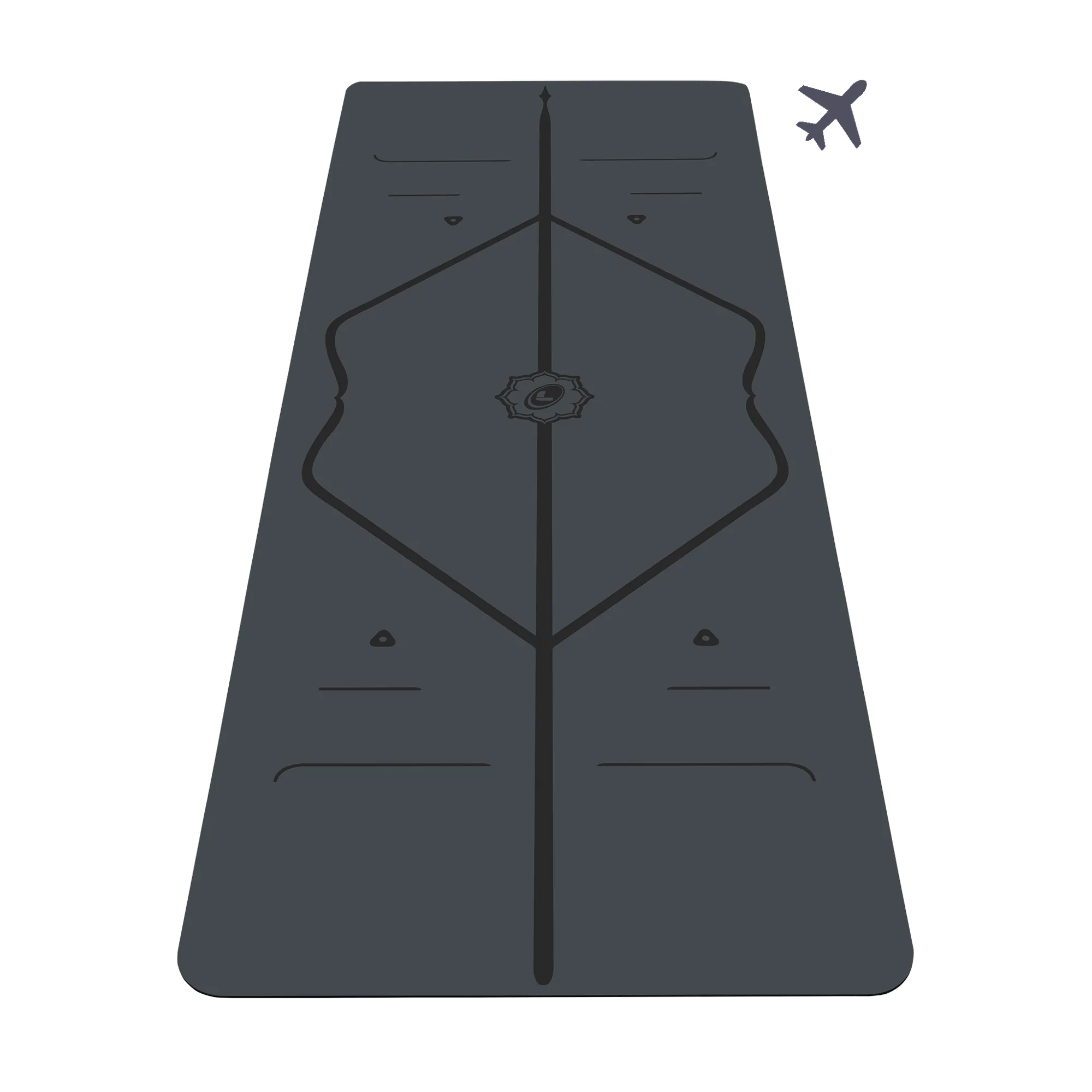
- Liforme Classic Travel Yoga Mat and Yoga Pad Bundle: Includes a lightweight Liforme Travel Mat plus a mini Liforme Yoga Pad, each with its own mat bag. The included bags make travel storage simple, but the mat and pad should be unpacked and aired out after each trip before going back in.
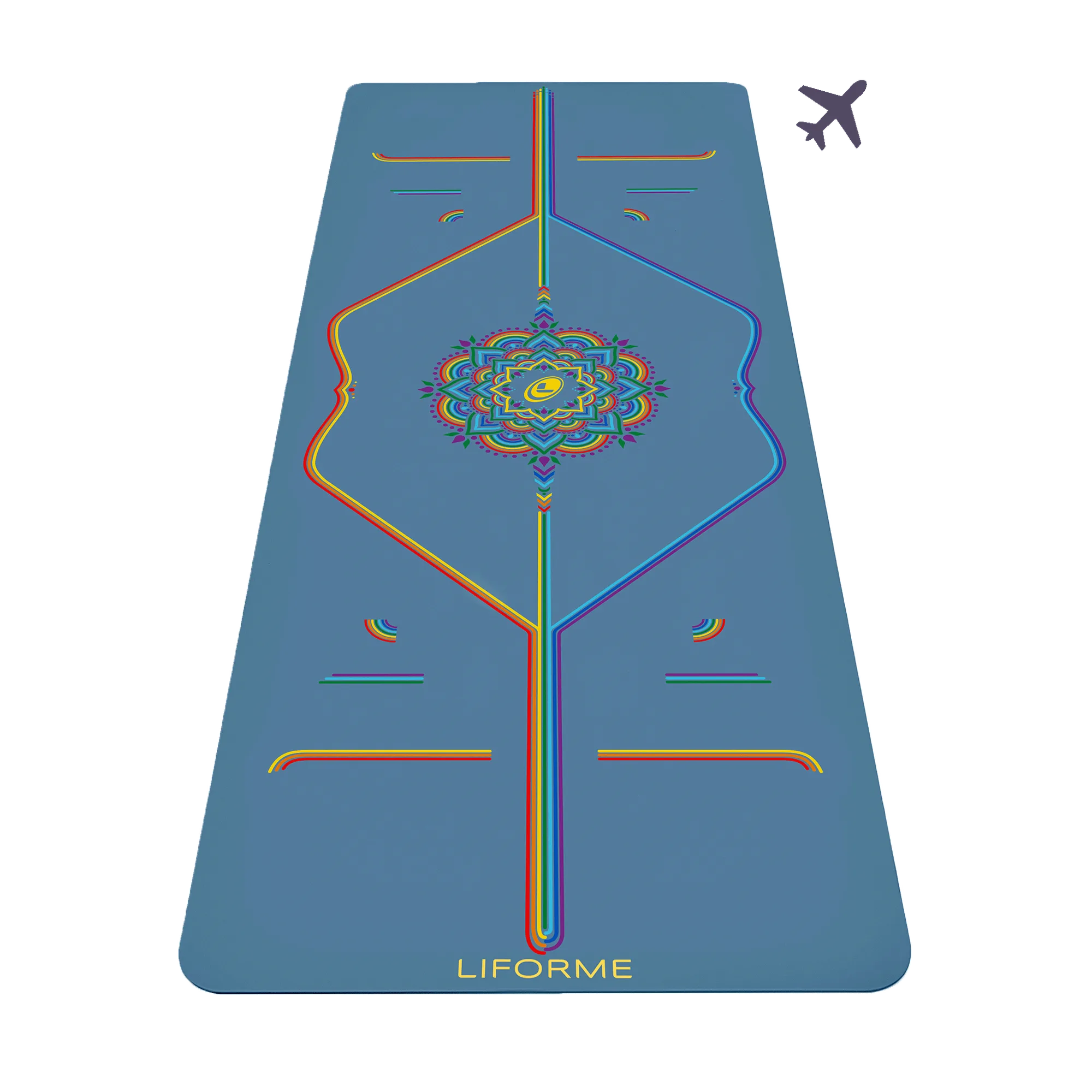
- Liforme Rainbow Travel Yoga Mat: Features a rainbow variation of the signature AlignForMe® posture alignment design, available on Yellow, Blue, or Grateful Pink surfaces. A travel mat is often rolled tight for transport, so giving it a full dry and a loose roll at home helps it recover its shape.
Storing a yoga mat well is less about gear and more about a few consistent habits: dry it, roll it loose, keep it cool, and check it now and then. Do that, and your mat's grip and alignment markings will hold up through years of practice.