Quick answer
To stuff a one size pocket diaper, start with one insert for daytime, then add a second absorbent layer for nights or heavy wetters. Use natural-fiber inserts when possible, smooth everything flat inside the pocket, and always check that the diaper fits snugly at the legs and waist before relying on it overnight.
Why stuffing choices change everything
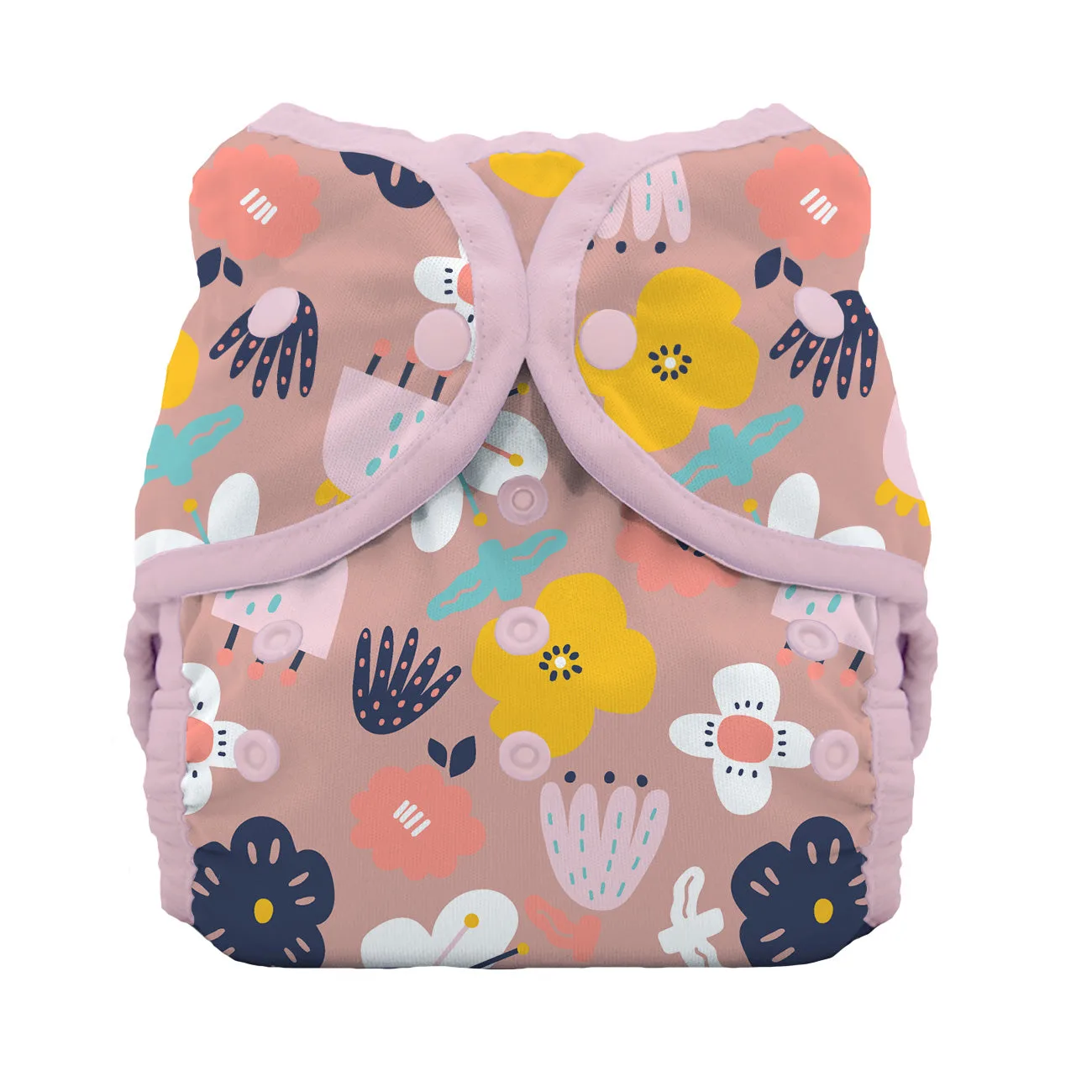
A pocket diaper is only as good as what you put inside it. The pocket holds the absorbent layers, and the outer shell stays waterproof. For daytime, one insert usually handles normal wetting. For nights or heavy wetters, you need more absorbency without making the diaper so bulky that it gaps at the legs.
One size pocket diapers adjust to fit most babies as they grow, but the amount of absorbency you need changes over time. A newborn may need just one small insert, while a toddler might need two full-size inserts plus a booster. The key is to match absorbency to output, not to guess based on the diaper's size label alone.
Choose your inserts and layer them
Natural fibers like cotton, hemp, and bamboo absorb more slowly but hold more liquid than microfiber. Microfiber is fast but can release liquid back onto the skin under pressure, which is why many parents use it only as a top layer or avoid it for nights. A common setup is a cotton insert on top and a hemp insert underneath for nighttime.
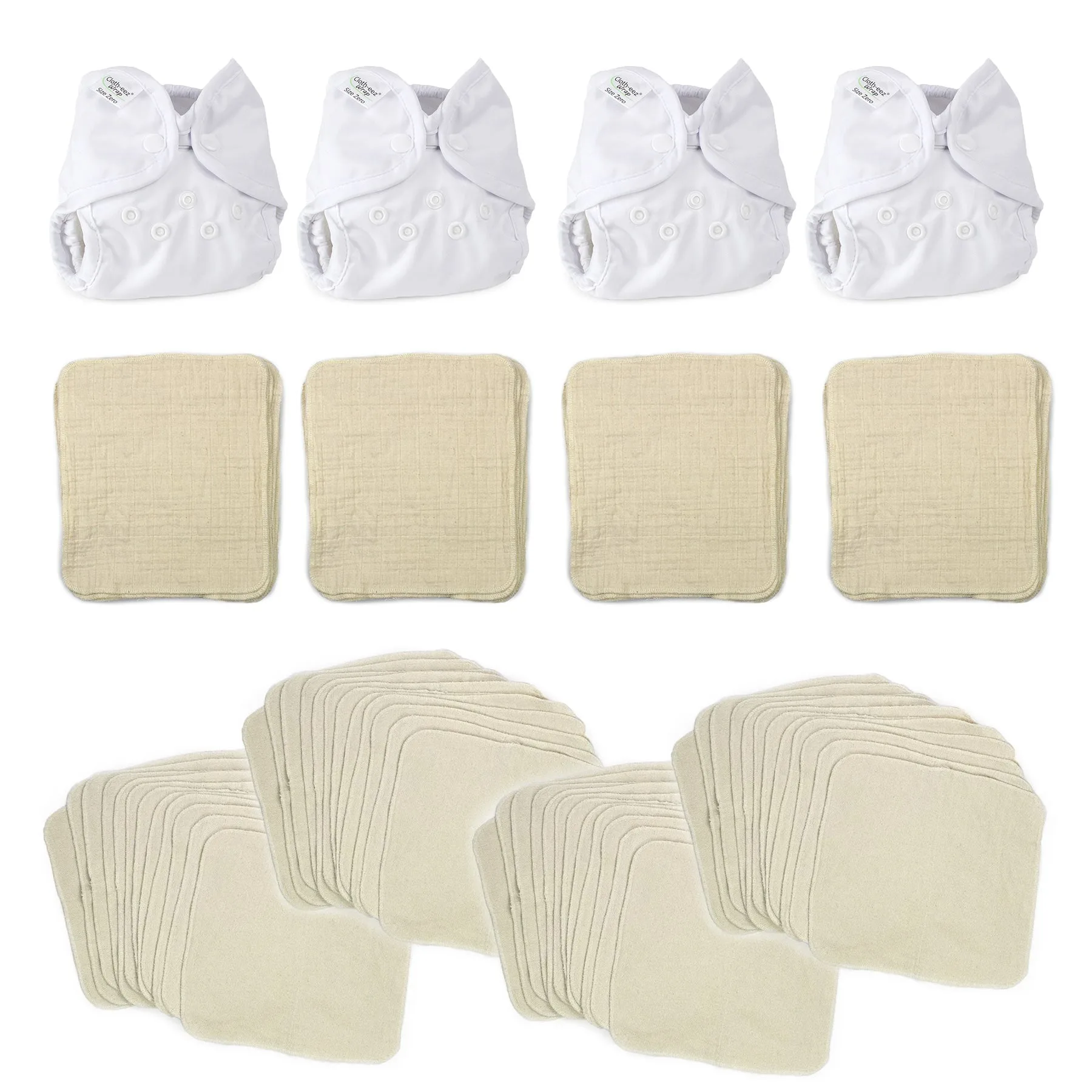
If you are using a one size pocket diaper, check whether it came with inserts. Some include two inserts of different sizes, like a small newborn insert and a larger one-size insert. You can use both together for older babies, or just the larger one for daytime. Layering a quick-absorbing fiber over a slow-absorbing fiber helps the diaper stay dry longer.
Stuff the pocket without bunching
Reach into the pocket and pull the insert all the way to the back seam. Smooth out any folds or lumps, especially at the front where boys wet most. If you are using two inserts, stack them flat against each other before pushing them in. Bunching creates gaps where liquid can pool and leak.
For snap closure diapers, make sure the insert does not stick out at the waist or legs. The waterproof shell needs to sit directly against the skin at the edges to create a seal. If the insert is visible, it will wick moisture to clothing.
Adjust the rise and fit for day or night
Daytime fit should be trim enough for movement but snug at the legs. Nighttime fit can be slightly bulkier, but you still need a good seal. Use the rise snaps to shorten the diaper for smaller babies or to create more room for extra inserts at night. Check that the waist is snug but not tight enough to leave red marks.
A common mistake is overstuffing the pocket, which causes gaps at the legs. If you can fit more than two fingers under the leg elastic, the diaper is too loose. If you see red marks or the diaper leaves indentations, it is too tight. Adjust the rise snaps or remove an insert if needed.
Step-by-step stuffing for day and night
- Start with a clean, dry diaper: Make sure the pocket is empty and the shell is completely dry before stuffing. Dampness can cause odors or mildew. Checkpoint: If the pocket feels cool or damp inside, air it out longer before stuffing.
- Insert the first absorbent layer: Use a cotton or bamboo insert for daytime. Push it all the way to the back seam and smooth it flat. For a one size pocket diaper, this is often the larger insert included with the diaper. Checkpoint: The insert should lie flat with no folds or bunches.
- Add a second layer for nights or heavy wetters: Place a hemp or additional cotton insert on top of the first one. Hemp holds more liquid but absorbs slowly, so put it underneath a faster-absorbing fiber if possible. Checkpoint: If the diaper feels stiff or overly bulky, try a thinner booster instead of a full second insert.
- Smooth and position the inserts: Reach into the pocket and run your hand along the inserts to remove any twists. Make sure they reach the front and back but do not stick out at the edges. Checkpoint: No insert should be visible outside the waterproof shell.
- Adjust the rise snaps: For smaller babies, snap the rise down to shorten the diaper. For nights, you may need to let the rise out to accommodate extra bulk without squeezing the legs. Checkpoint: The diaper should fit snugly at the legs and waist without gaps or red marks.
- Do a fit check before use: Run a finger around the leg elastics to feel for gaps. Tug gently at the waist. If you can fit more than two fingers under the leg, it is too loose. If the elastic leaves deep marks, it is too tight. Checkpoint: Adjust rise snaps or remove an insert until the fit is secure but comfortable.
Product facts to know
- Thirsties Natural One Size Pocket Diaper - Snap: Thirsties Natural One Size Pocket Diaper - Snap has a cotton pocket and includes two inserts. It fits 8-40 pounds, but is suggested from 14 to 40 pounds and best at 4 months and up. The cotton pocket means no polyester plastic against the baby's skin, and the two included inserts let you adjust absorbency for day or night without buying extra pieces.
- Thirsties Diaper Cover - Snap - sized diaper cover: Thirsties Diaper Cover - Snap - sized diaper cover is a true-sized cover without rise snaps, available in sizes XSmall through Large. If you use fitted diapers or prefolds instead of pockets, this cover gives you a waterproof layer, but you will need to size it correctly rather than adjusting rise snaps.