Quick answer
For a standard sofa, start with two large square pillows (20–22 inches) at the arms, add two medium squares (18 inches) in front, and finish with one lumbar pillow in the center. That five-pillow formula gives you balanced layers without hiding the seat. If your sofa is small or you prefer a cleaner look, drop to three pillows: one square per arm and one lumbar in the middle.
Start with the right pillow count for your sofa size
The most common mistake is treating every sofa the same. A two-seat loveseat looks best with three to four pillows, while a three-seat sofa can handle five to seven. Measure your seat width first: under 60 inches, use three pillows; 60–80 inches, use five; over 80 inches, use five to seven. Always keep at least one-third of the seat depth visible so the sofa still looks like a place to sit.
Mix sham and lumbar pillows by scale, not by matching sets
Designers rarely use a matched set of pillows. Instead, they combine a large square (often called a sham) with a smaller lumbar or bolster. The contrast in shape creates depth. A 22-inch square behind a 12x20-inch lumbar is a reliable pairing. If you use two shams, place them at the back corners and angle them slightly outward so the lumbar sits in front without being hidden.
Choose a color and texture plan before you arrange
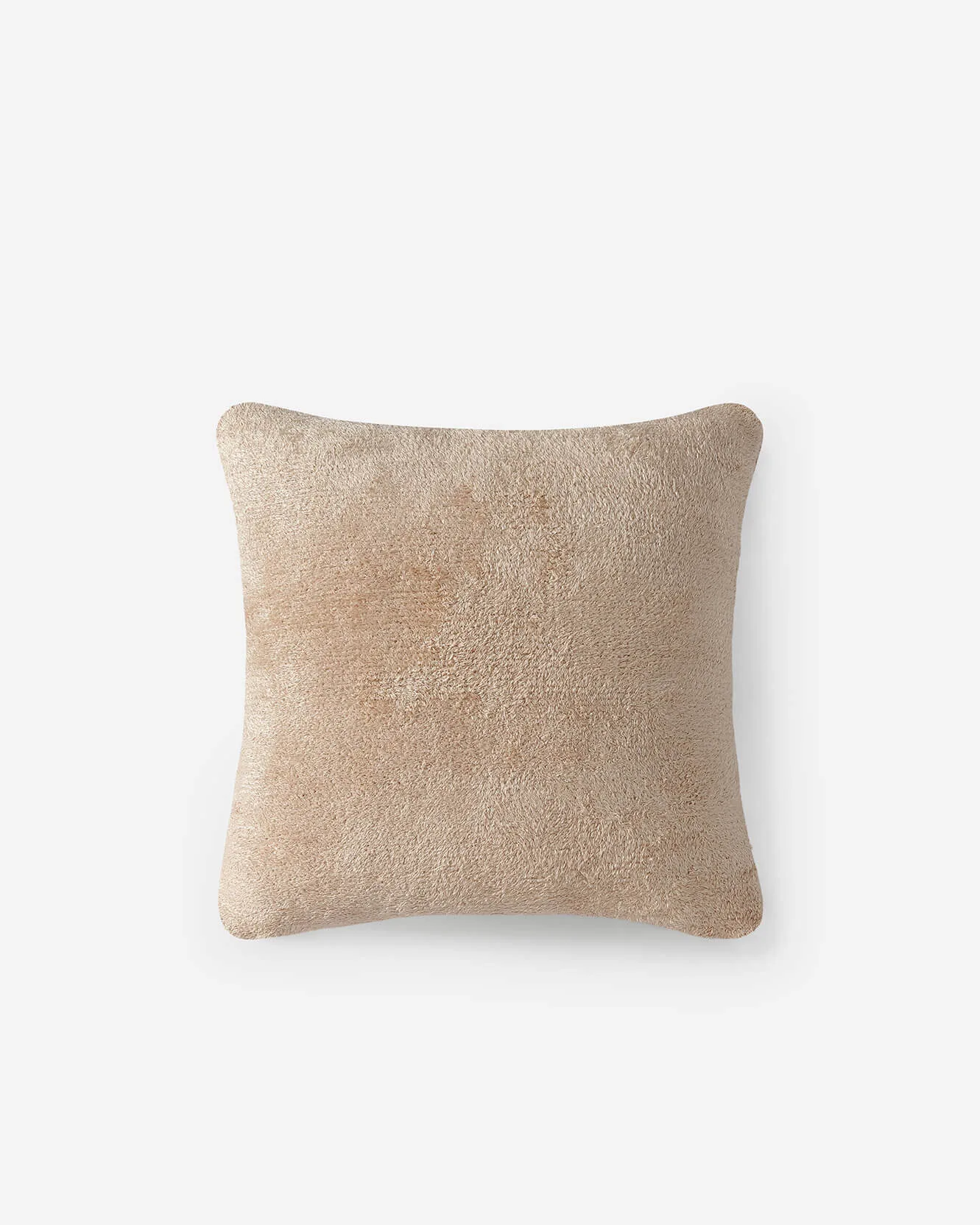
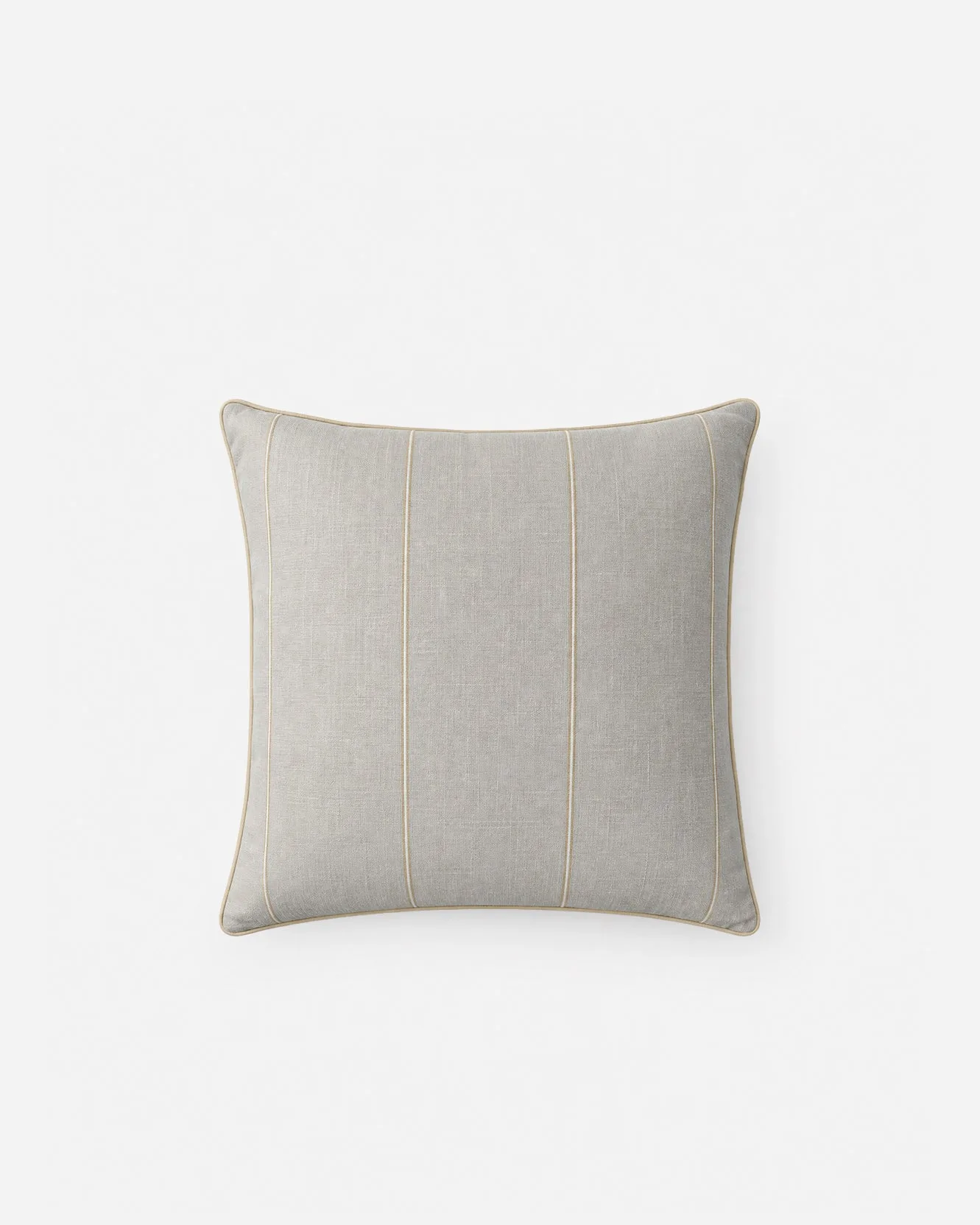
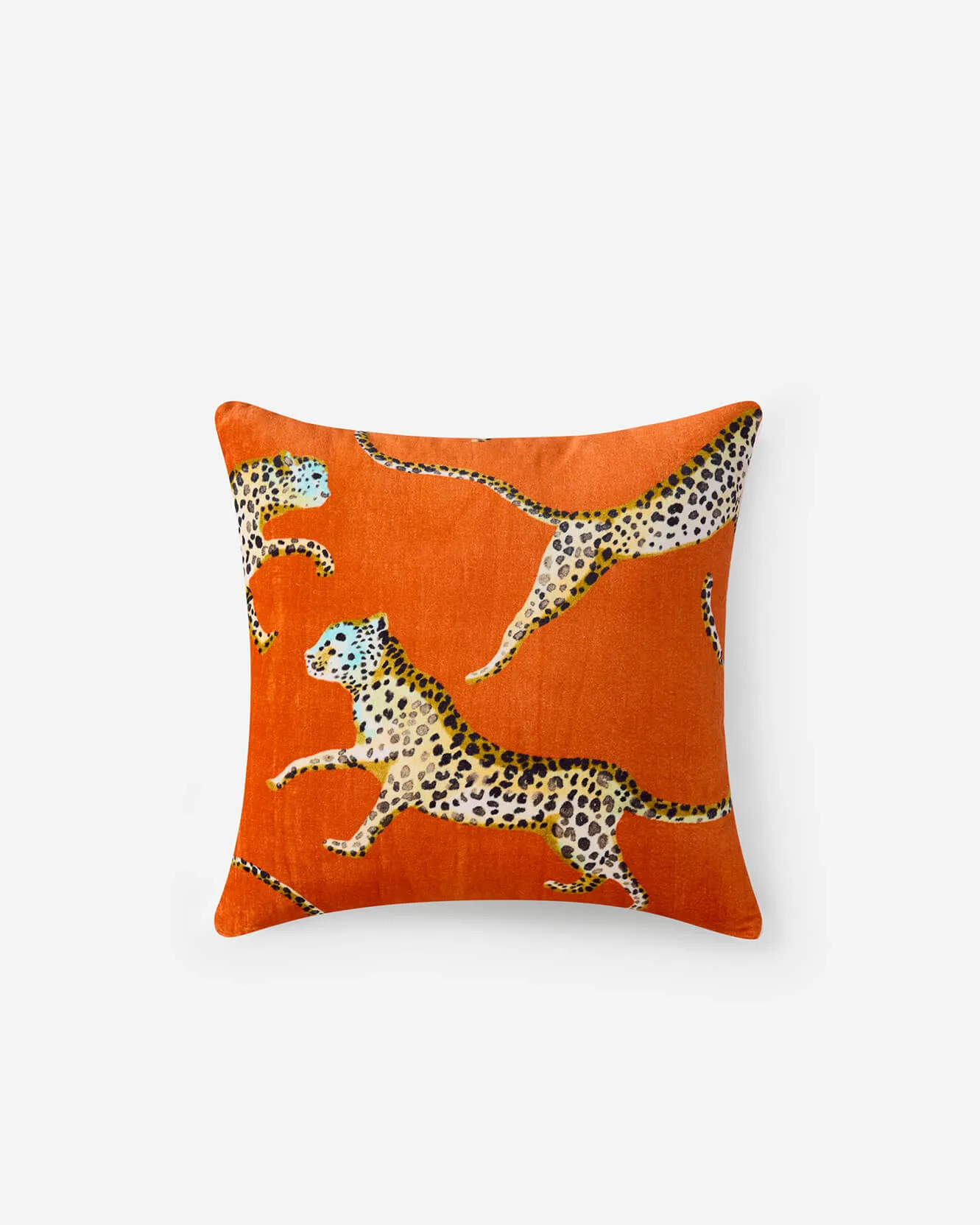
Pull one color from your rug or art, then add a neutral and a texture. For example, a solid cotton lumbar in a soft neutral can ground a pair of embroidered or patterned squares. If your sofa is already busy, keep pillows solid or tone-on-tone. If your sofa is plain, use one patterned pillow as the focal point and keep the rest quiet.
Five designer layouts you can copy today
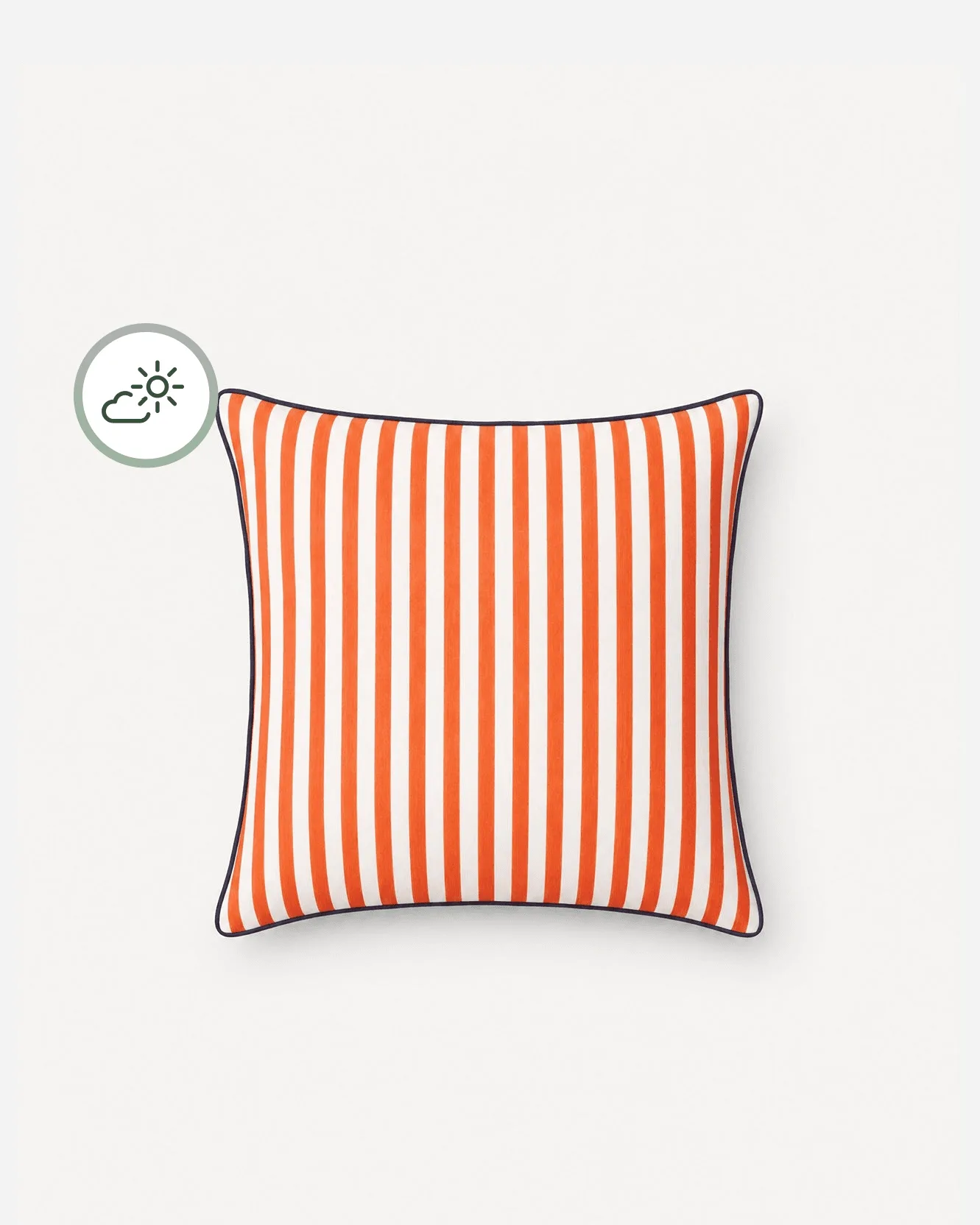
1. Symmetrical classic: two large squares at the arms, two medium squares angled in front, one lumbar centered. 2. Asymmetrical modern: one large square on the left, two smaller squares on the right, one lumbar off-center. 3. Coastal Americana: two striped or textured squares, one palm or botanical accent, one solid lumbar. 4. Minimalist: one square per arm and one long lumbar in the middle. 5. Layered boho: three squares of different sizes on one side, one oversized square on the other, two lumbars stacked in the center.
Adjust the arrangement until it looks intentional
After placing pillows, step back three feet and check the silhouette. The tallest pillows should be at the back, with shorter ones in front. Fluff each pillow by karate-chopping the top edge, then angle the front pillows slightly toward the center. If a pillow keeps sliding, it may be too smooth or too small for the seat depth. A quick fix is to place a non-slip rug pad under the cushion or choose a pillow with a bit more structure, like a cotton bolster.
Step-by-step: arrange your sofa pillows in 5 moves
- 1. Clear the seat and decide your pillow count: Remove all pillows, then measure your sofa seat width. Use three pillows for under 60 inches, five for 60–80 inches, and five to seven for over 80 inches. Checkpoint: you should still see at least one-third of the seat cushion depth after arranging.
- 2. Place the largest squares at the back corners: Set two large square pillows (20–22 inches) against the backrest, one at each arm. Angle them slightly outward so they frame the sofa. Common mistake: pushing them flat against the backrest, which makes the sofa look stiff.
- 3. Add medium squares in front, angled inward: Layer two 18-inch squares in front of the large ones, turning the top corners slightly toward the center. This creates a layered, designer look. Checkpoint: the medium pillows should not completely cover the large ones—offset them by a few inches.
- 4. Finish with a lumbar or bolster in the center: Place one lumbar or bolster pillow in the middle, either horizontally or at a slight angle. This adds a contrasting shape and extra support. Common mistake: using a lumbar that is too wide and overlaps the arm pillows; keep it 12–20 inches wide for a standard sofa.
- 5. Fluff, chop, and step back: Karate-chop the top edge of each pillow to remove creases, then step back three feet and adjust any pillow that looks too flat or too crowded. Next step: rotate or swap one pillow with a different texture or color every few months to refresh the look without buying a whole new set.
Product facts to guide your pillow choices
- Snug Lumbar Pillow: Snug Lumbar Pillow is a versatile triple treat that decorates and supports your head, lower back, or between your legs; OEKO-TEX® certified. A lumbar pillow is the easiest way to finish a sofa layout because it adds shape and comfort without blocking the seat. The certification gives peace of mind for everyday use.
- Palm Leaf Embroidered Throw Pillow: Palm Leaf Embroidered Throw Pillow features detailed palm motifs in contrasting tones, adding texture and depth; removable cover. This works as a focal accent pillow in a coastal or nature-inspired layout. The removable cover makes it practical to clean and switch seasonally.
- Tile Bolster Pillow: Tile Bolster Pillow is a 100% cotton bolster with an intricate woven pattern, invisible zipper, and plush insert; removable cover. A bolster adds a different shape than a square or lumbar, which helps break up a row of same-size pillows. The cotton cover and removable design make it a low-maintenance option for daily use.