Quick answer
To style a runner rug in a hallway or kitchen, measure your clear floor space first, then choose a size that leaves a small border of visible floor on each side. For a hallway, run the rug lengthwise and keep it centered; for a kitchen, place it where you stand most, usually in front of the sink or prep area. Pick a pattern that either blends with or intentionally contrasts your flooring, and secure the rug so it stays flat.
Start with a real measurement, not a guess
Measure the length and width of your clear floor area in both the hallway and kitchen. For hallways, subtract at least 4 to 6 inches from the total width so the rug does not touch the walls or baseboards. For kitchens, measure the open floor between cabinets and the island, then subtract a similar margin so doors and drawers can open freely. Write these numbers down before you shop, because runner sizes vary and a rug that is too wide will look cramped.
Choose a length that matches the traffic path
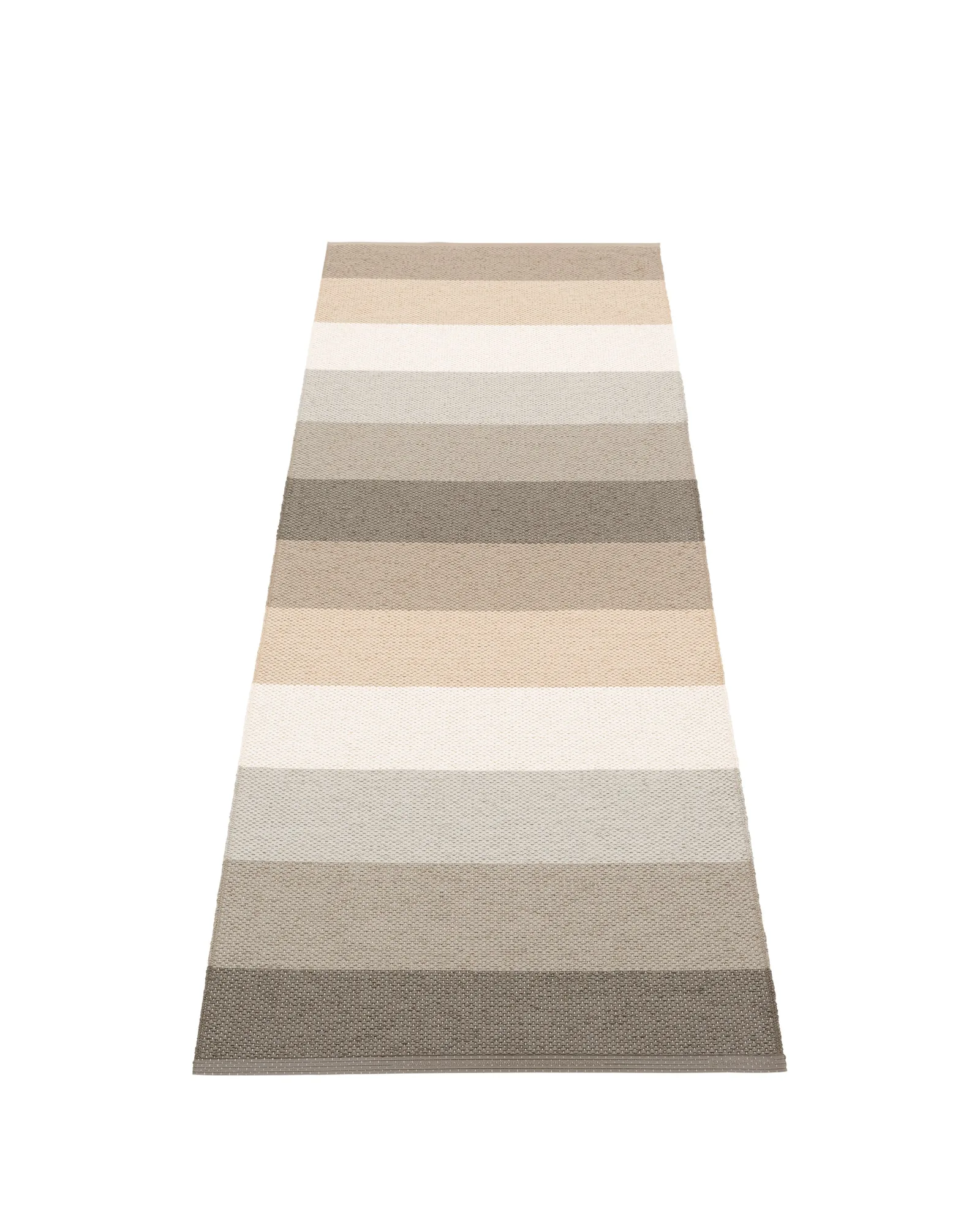
A hallway runner should cover most of the walkway length but stop short of doorways so it does not curl or get caught. If your hallway is long, you can use two runners with a small gap between them, but keep the gap centered under a light or architectural feature. In a kitchen, a runner should sit where you stand the most, typically parallel to the counter. If your kitchen has a long galley layout, a single long runner works better than two short ones because it creates one continuous path.
Pick a pattern that works with your floor and lighting
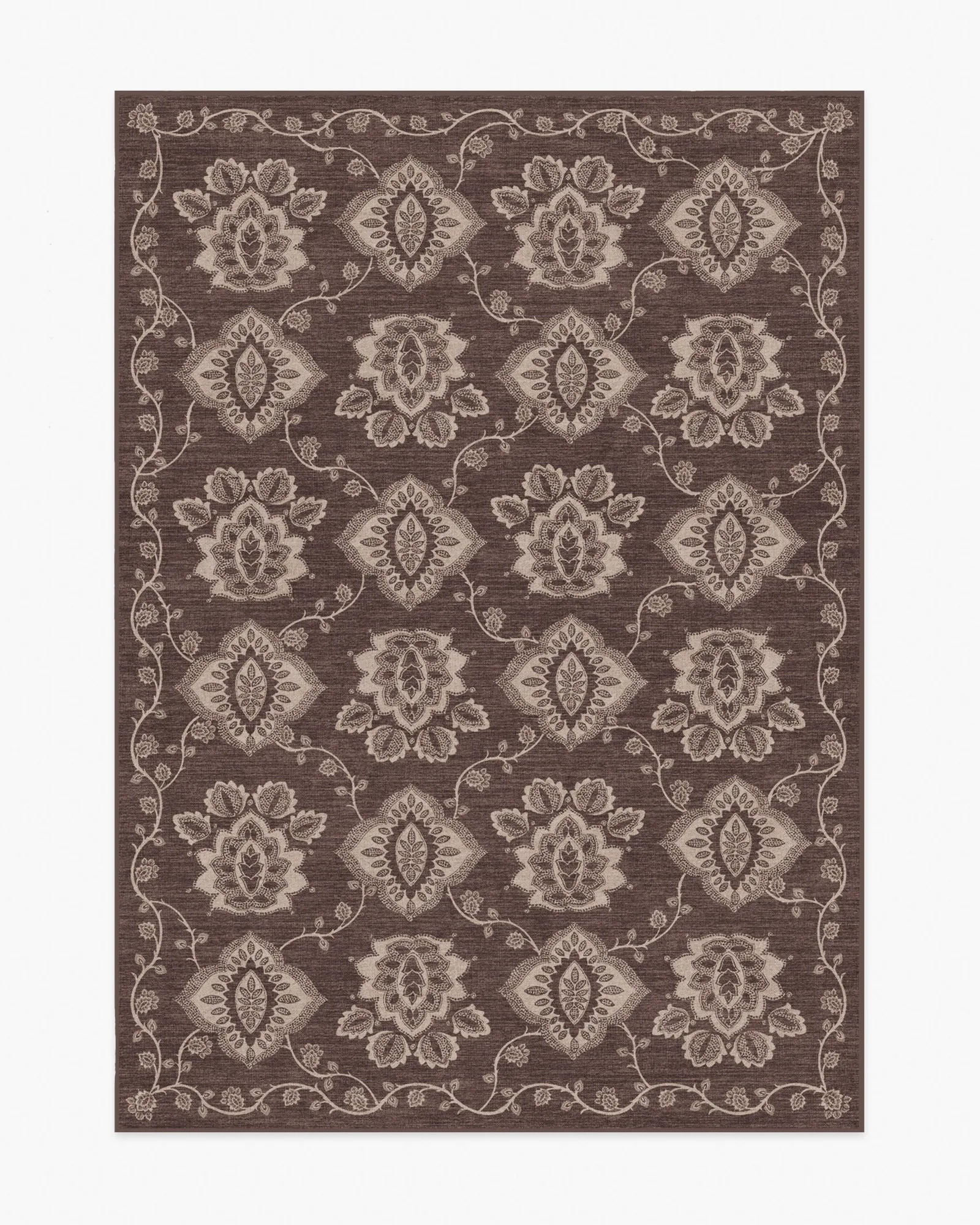
Busy flooring, such as heavily veined tile or patterned wood, pairs well with a simple, repeating geometric pattern that adds structure without competing. Plain floors can handle a bolder graphic design. In dark hallways, a lighter rug with a clear pattern helps define the path; in bright kitchens, a darker rug can ground the space. Reversible rugs give you two looks in one, so you can flip them when you want a quieter or more graphic expression.
Place the rug where it will not become a trip hazard
In hallways, center the runner on the walkway and make sure it lies flat with no ripples. If the rug slides on hardwood or tile, use a thin, high-quality rug pad or double-sided tape designed for hard floors. In kitchens, keep the runner away from the stove’s front edge and the refrigerator door swing. Check that the rug does not block the dishwasher or pull-out drawers. A runner that shifts or bunches is a sign it needs a pad or a different size.
Style the runner with the rest of the room
Treat the runner as a foundation, not an afterthought. In a hallway, use it to connect artwork or wall lights by aligning the rug’s edges with those features. In a kitchen, coordinate the rug’s accent color with cabinet hardware, a tea towel, or a bowl on the counter. Avoid matching everything exactly; a little contrast keeps the space from looking flat. If you have an open-plan kitchen and hallway, choose a rug that works in both zones so the transition feels intentional.
Step-by-step runner styling process
- Measure twice, buy once: Measure the clear floor length and width in your hallway or kitchen. Subtract 4–6 inches from the width to leave a border. For length, stop short of doorways and appliance swings. Checkpoint: your measurements should leave at least 2 inches of visible floor on each side.
- Test the size with painter’s tape: Mark the rug’s footprint on the floor with painter’s tape. Walk the path for a day to see if the size feels right and if doors or drawers clear it. Common mistake: skipping this step and discovering the rug is too wide after it arrives.
- Choose pattern based on your floor: If your floor is busy, pick a simple repeating pattern. If your floor is plain, a bold geometric design adds energy. Use a reversible rug to get two looks. Checkpoint: the rug should either calm the floor or intentionally contrast it, not fight it.
- Place and secure the rug: Center the runner in the walkway. In kitchens, position it in front of the sink or prep area, away from the stove. Add a rug pad or tape if it slides. Common mistake: ignoring slight bunching; it can become a trip hazard over time.
- Style with surrounding elements: Align the rug with wall art, lights, or cabinet lines. Pull one accent color from the rug into a small kitchen or hallway accessory. Next step: flip a reversible rug seasonally to refresh the space without buying new.
Product facts
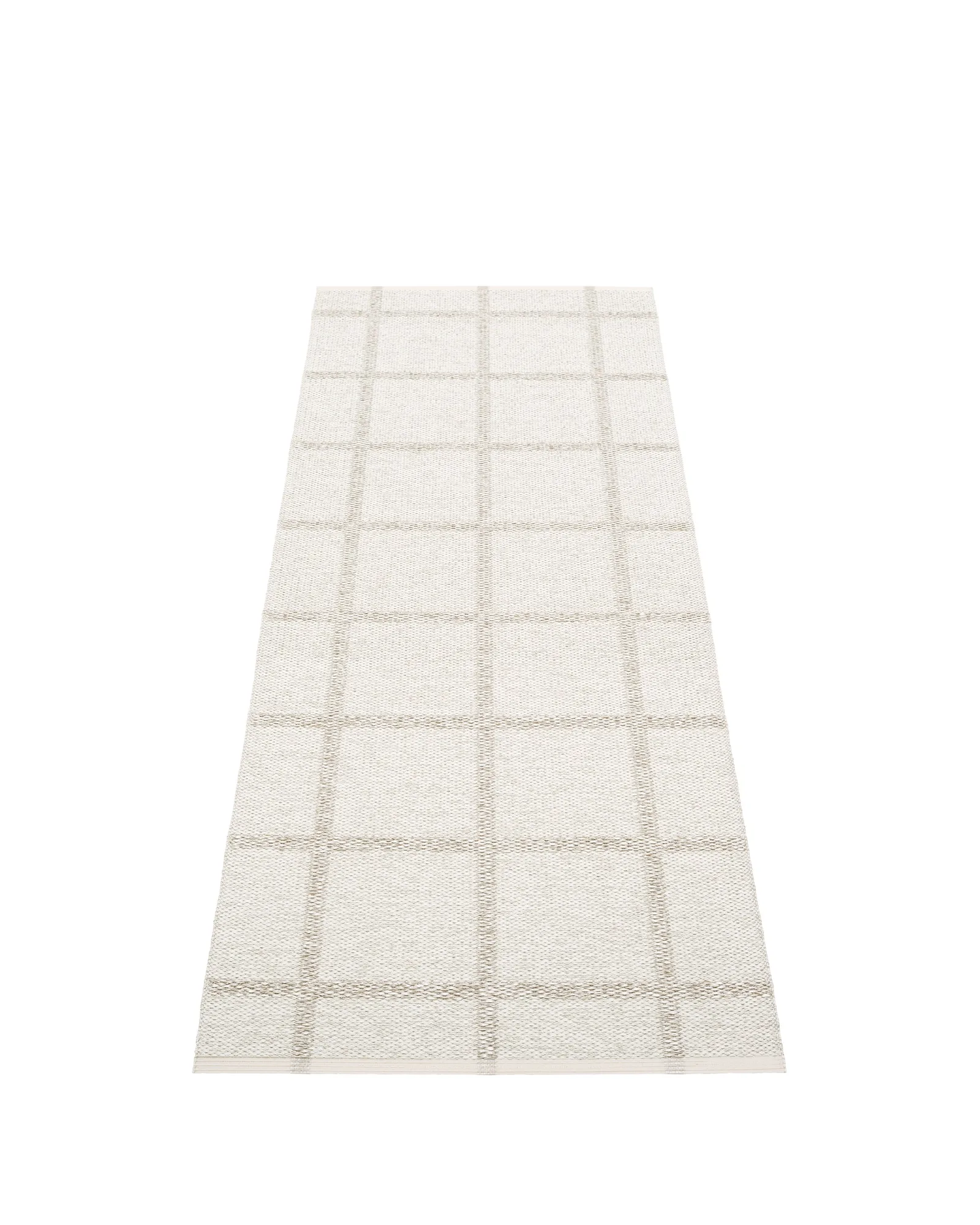
- ADA Fossil Grey - Runner Rug: ADA Fossil Grey - Runner Rug is defined by a clean grid pattern where evenly spaced lines intersect to create a composed and structured surface. The grid adds subtle order to a hallway without overwhelming artwork or architectural details.
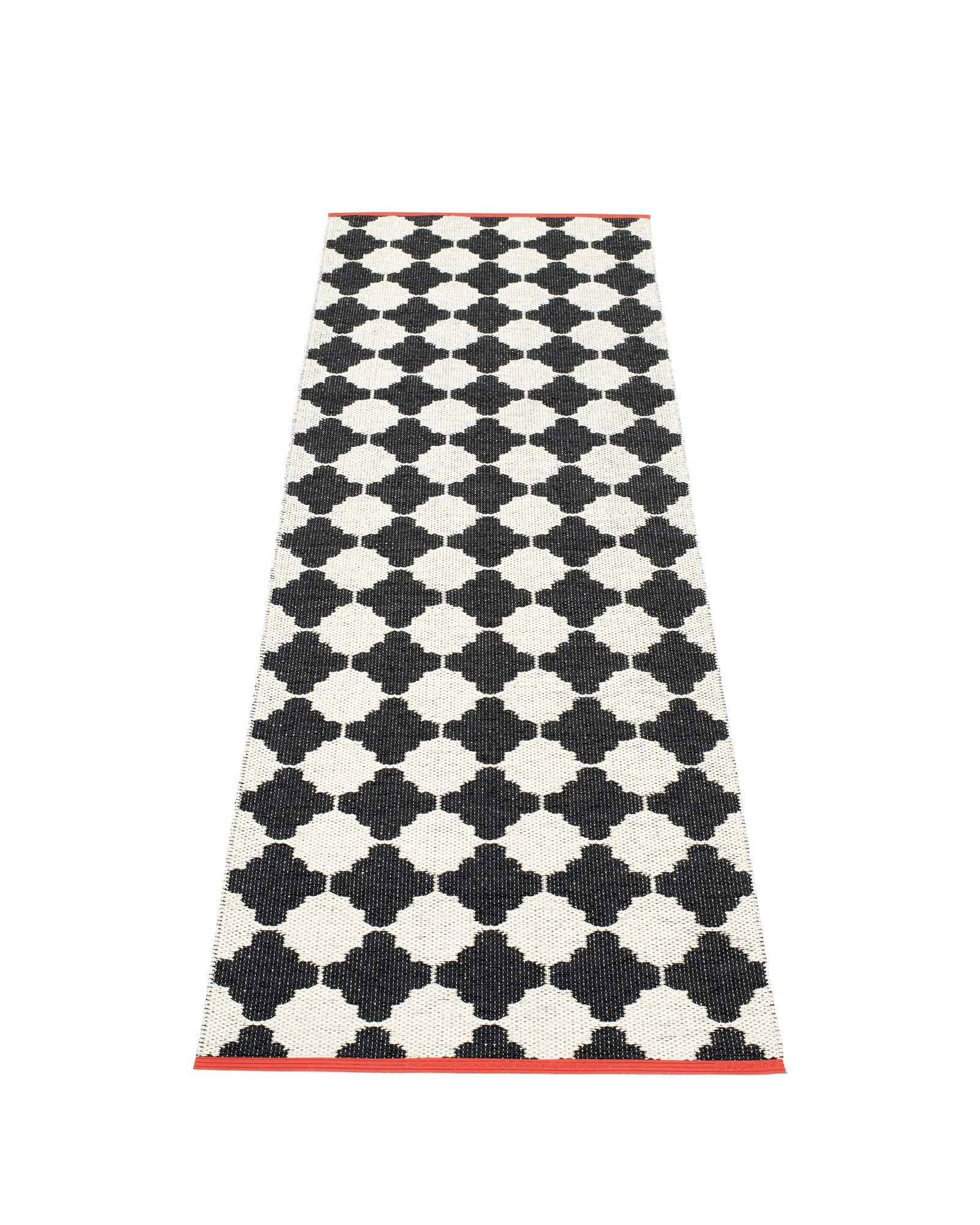
- MARRE Black - Runner Rug: MARRE Black - Runner Rug has a bold geometric pattern, and one side is finished with a welded edge in a bold contrasting color. The contrasting edge gives a kitchen runner a sharp accent that can tie into dark cabinet hardware or appliances.