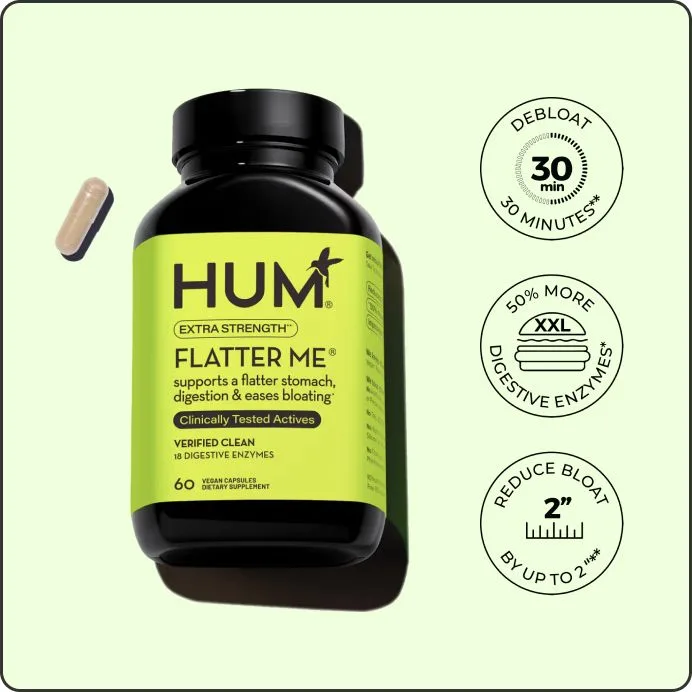
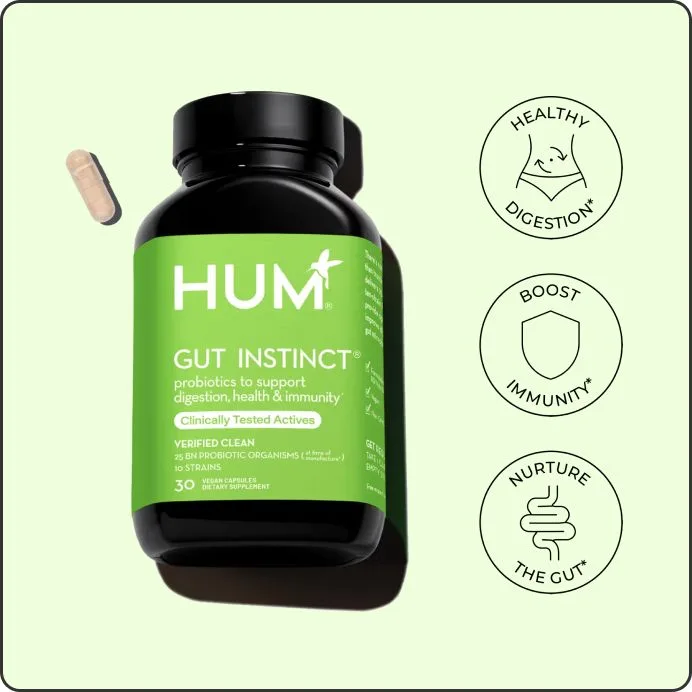
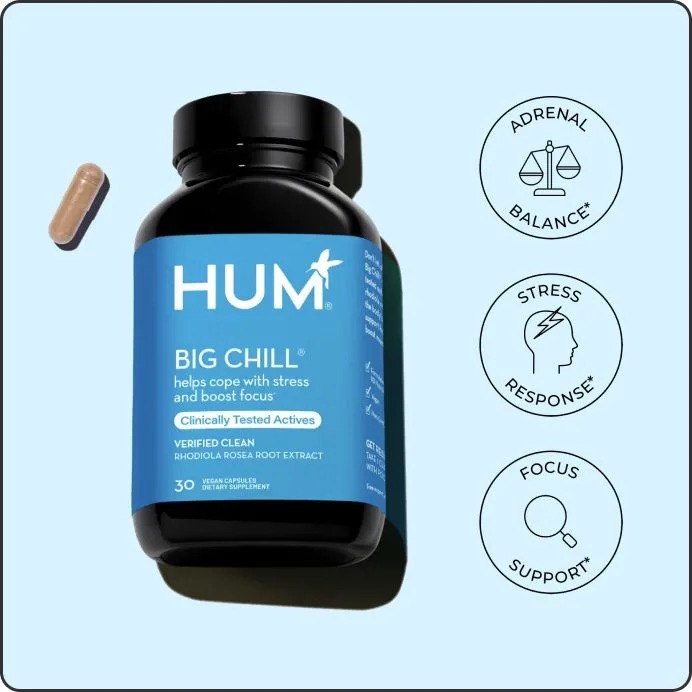
Your gut does far more than digest food—it's home to trillions of bacteria that influence everything from your immune system to your mood. When your gut microbiome is balanced, you feel energetic, focused, and regular. But when it's off, you might experience bloating, fatigue, or brain fog. That's where gut health supplements come in.
Probiotics are live beneficial bacteria that help restore and maintain a healthy gut. In this complete guide, we'll explore how probiotics work, how to choose the right one, and practical tips for incorporating them into your daily routine. Whether you're new to gut health or looking to optimize your regimen, this guide has you covered.
What Are Probiotics and How Do They Work?
Probiotics are live microorganisms that, when consumed in adequate amounts, provide health benefits by improving or restoring the gut flora. They help balance the 'good' and 'bad' bacteria in your digestive tract, supporting digestion, nutrient absorption, and immune function.
Your gut microbiome is unique to you, shaped by diet, stress, sleep, and even where you live. When it's disrupted by factors like antibiotics, poor diet, or chronic stress, probiotics can help repopulate beneficial bacteria. Research suggests that a healthy gut microbiome may also influence mental health through the gut-brain axis.
- Look for probiotics with multiple strains, as different strains offer different benefits.
- Check the colony-forming units (CFUs) to ensure potency—typically 1-10 billion CFUs per dose.
How to Choose the Right Probiotic Supplement
Not all probiotics are created equal. When selecting a gut health supplement, consider the specific strains, CFU count, and delivery method. For example, Lactobacillus and Bifidobacterium are common strains that support digestion and immunity, while Saccharomyces boulardii may help with antibiotic-associated diarrhea.
Also, consider the form: capsules, gummies, or powders. Gummies like HUM Nutrition's Ashwagandha Calm Gummies are a convenient option if you prefer a tasty, easy-to-take supplement, though they may have fewer CFUs than capsules. Always check the label for live cultures and expiration date to ensure efficacy.

Ashwagandha Calm Gummies
- Choose a probiotic with strains that match your specific health goals.
- If you have a sensitive stomach, start with a lower CFU count and gradually increase.
Best Time to Take Probiotics for Maximum Benefit
Timing can affect how well probiotics survive your stomach acid and reach your intestines. While research is ongoing, many experts recommend taking probiotics on an empty stomach or just before a meal, as the lower acidity may help more bacteria survive. However, some strains are more resilient and can be taken with food.
Consistency is more important than perfect timing. Choose a time you can stick to daily, whether it's morning or evening. Some people find that taking probiotics with a meal containing healthy fats aids absorption. If you're also taking antibiotics, space them apart by a few hours to prevent the antibiotic from killing the beneficial bacteria.
- Set a daily reminder to take your probiotic at the same time each day.
- If you experience mild bloating initially, it usually subsides within a week.
How to Incorporate Probiotics into Your Daily Routine
Adding a probiotic supplement is just one piece of the gut health puzzle. To maximize benefits, combine it with a fiber-rich diet, adequate hydration, and stress management. Prebiotics—non-digestible fibers that feed probiotics—are also essential. Foods like garlic, onions, bananas, and oats are great sources.
Consider pairing your probiotic with other gut-supporting supplements. For example, HUM Nutrition's Core Strength is a berberine supplement that supports metabolic health and may complement a probiotic by promoting a healthy gut environment. Always consult with a healthcare professional before starting any new supplement regimen, especially if you have underlying health conditions.

Core Strength
- Eat a variety of plant-based foods to diversify your gut microbiome.
- Limit processed foods and added sugars, which can harm beneficial bacteria.
Common Mistakes to Avoid When Taking Probiotics
One common mistake is expecting immediate results. Probiotics take time to colonize your gut, so consistency over weeks or months is key. Another mistake is choosing a supplement with too few CFUs or strains that don't match your needs. Also, be wary of products that don't guarantee live cultures at the time of expiration.
Another pitfall is ignoring the importance of storage. Some probiotics require refrigeration, while others are shelf-stable. Always read the label and store accordingly. Finally, don't rely solely on probiotics—they work best when combined with a healthy lifestyle. For a holistic approach, consider supplements like HUM Nutrition's Here Comes the Sun for vitamin D, which supports immune health and may positively influence gut health.
- Store your probiotics as directed to maintain potency.
- Be patient and give your gut time to adjust.
Supporting your gut health with probiotics is a smart investment in your overall well-being. By choosing the right supplement, timing it well, and pairing it with a healthy lifestyle, you can nurture a thriving microbiome. Explore HUM Nutrition's range of gut health supplements to find the perfect addition to your daily routine.