Quick answer
To support cardiovascular health, prioritize omega-3 fatty acids, CoQ10, and magnesium, but always choose high-quality, third-party tested supplements. For most people, a fish oil supplement with EPA and DHA is a solid starting point. Focus on products that list specific amounts of active ingredients and avoid proprietary blends.
Cardiovascular health is a top priority for many, and supplements can play a supportive role—but only when chosen wisely. With countless options on the market, it's easy to feel overwhelmed. This guide cuts through the noise, offering practical decision rules to help you select effective cardiovascular supplements that align with your needs.
From omega-3 fish oil to CoQ10 and magnesium, we'll explore what science says, how to read labels, and which products stand out for quality. Whether you're new to supplements or looking to refine your routine, you'll find actionable advice here.
Understanding the Core Nutrients for Heart Health
Several nutrients have robust evidence for supporting cardiovascular health. Omega-3 fatty acids (EPA and DHA) are the most researched, known for supporting healthy triglyceride levels and overall heart function. Coenzyme Q10 (CoQ10) is another key player, particularly for those on statins, as it supports cellular energy production in the heart muscle.
Magnesium and potassium also play roles in maintaining normal blood pressure and heart rhythm. While you can get these from food, supplements can help fill gaps, especially if your diet is lacking. However, more isn't always better—excess of certain minerals can be harmful, so it's crucial to follow recommended dosages and consult a healthcare provider.
- Look for supplements with third-party testing (e.g., USP, NSF) to ensure purity and potency.
- Check the amount of active ingredients per serving, not just the total capsule weight.
- Consider your diet first; supplements are meant to complement, not replace, a healthy lifestyle.
How to Choose a High-Quality Omega-3 Supplement
Omega-3 fish oil is a staple for heart health, but not all products are equal. Key factors include the concentration of EPA and DHA, the form (triglyceride vs. ethyl ester), and the source of the fish. Look for products that specify the amount of EPA and DHA per serving, as this is what matters for efficacy.
Purity is also critical. Choose fish oils that are molecularly distilled to remove heavy metals and other contaminants. Sustainably sourced options are a plus. For example, BioSchwartz's Omega 3 Fish Oil Softgels are sustainably caught from Icelandic waters and use an exclusive extraction method for enhanced absorption—a good example of a quality choice.
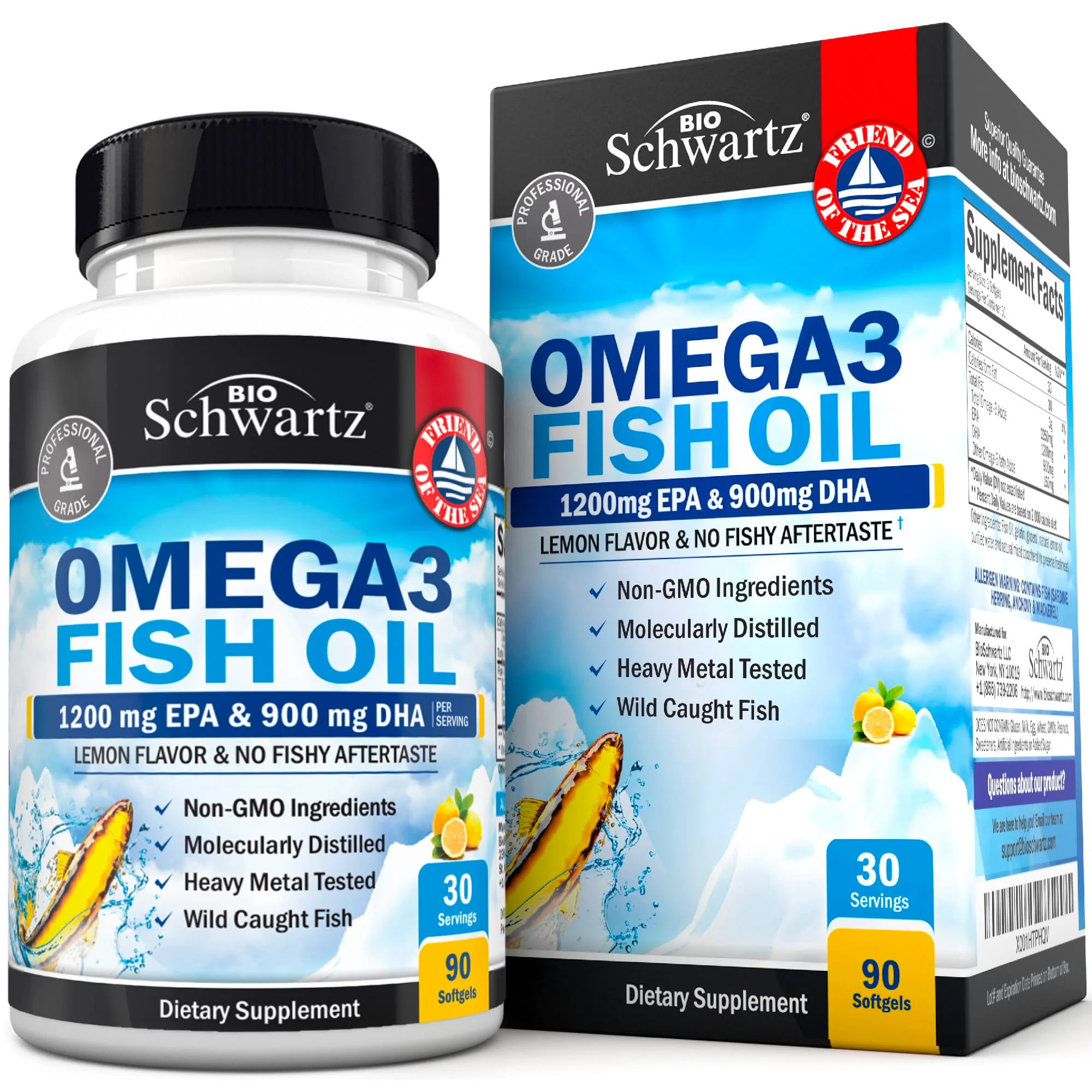
Omega 3 Fish Oil Softgels
- Aim for at least 500 mg of combined EPA and DHA per serving for general heart health.
- Avoid products with vague labels like 'fish oil concentrate' without specific EPA/DHA amounts.
- If you're vegetarian, consider algae-based omega-3s, though they may be less potent.
The Role of CoQ10 and Other Antioxidants
CoQ10 is an antioxidant that supports mitochondrial function, particularly in the heart. It's often recommended for people taking statins, as these drugs can deplete natural CoQ10 levels. However, CoQ10 is fat-soluble, so it's best absorbed with meals containing fat.
Other antioxidants like turmeric and quercetin also contribute to cardiovascular wellness by supporting healthy inflammation levels. For instance, Turmeric Quercetin Bromelain Capsules combine these ingredients with BioPerine for enhanced absorption, offering a multi-faceted approach to heart and joint support.
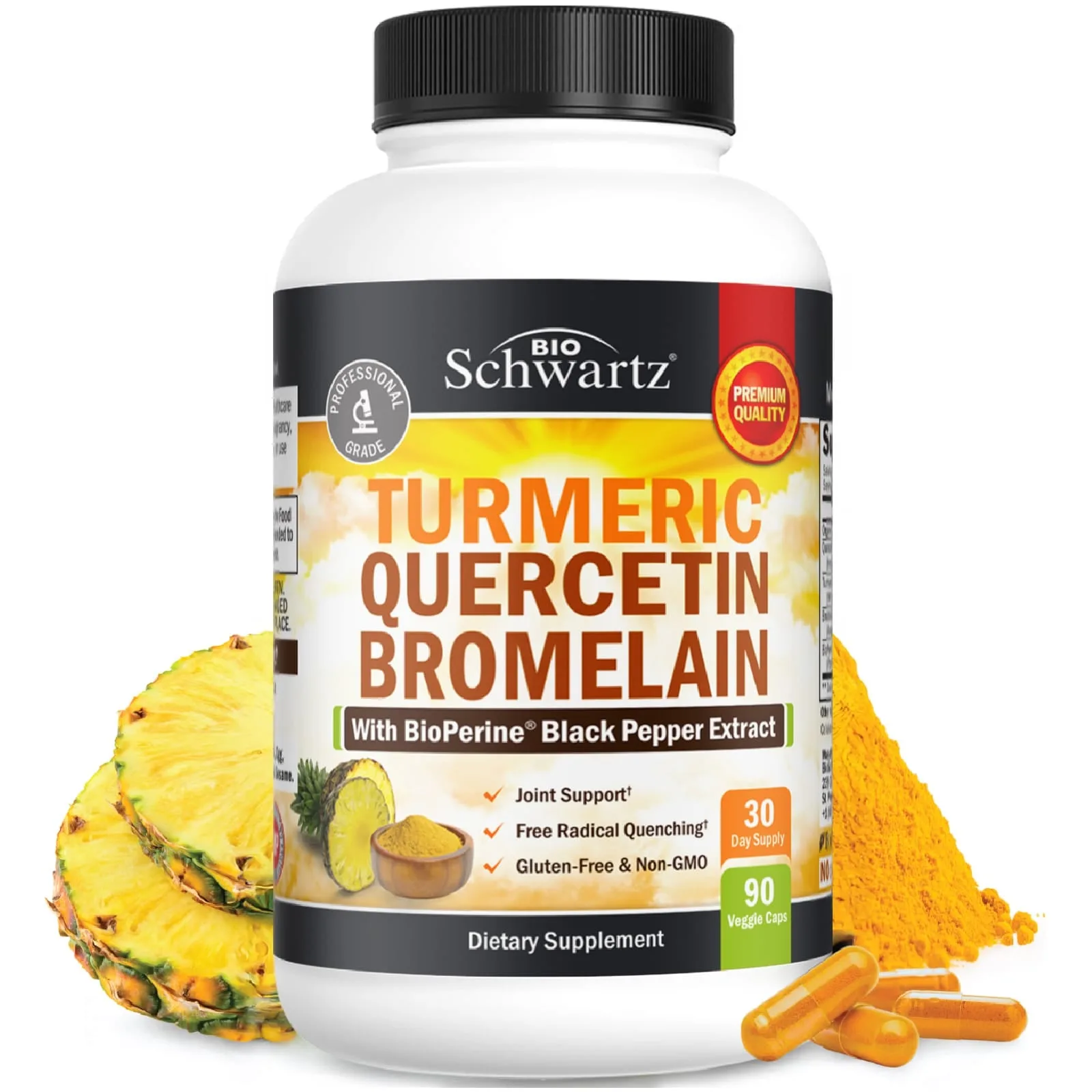
Turmeric Quercetin Bromelain Capsules
- If you take statins, discuss CoQ10 supplementation with your doctor.
- Look for standardized extracts, such as turmeric with 95% curcuminoids.
- Antioxidants work best in combination, but avoid mega-dosing without professional guidance.
Reading Labels: What to Look For and Avoid
A quality supplement label is transparent. It should list the exact amount of each active ingredient, not hide behind proprietary blends. Check for the form of the ingredient (e.g., magnesium glycinate vs. oxide) as it affects absorption. Also, look for certifications like non-GMO, gluten-free, and third-party testing.
Avoid products with excessive fillers, artificial colors, or unnecessary additives. If a product makes bold claims like 'cures heart disease,' that's a red flag. Supplements are not drugs; they support health but don't treat or cure conditions.
- Steer clear of proprietary blends that don't disclose individual ingredient amounts.
- Choose supplements with minimal, recognizable ingredients.
- Check for expiration dates and proper storage instructions to ensure potency.
Decision Rules for Choosing Cardiovascular Supplements
- Check the evidence: Prioritize ingredients with strong scientific backing for heart health, such as omega-3s, CoQ10, and magnesium. Avoid trendy ingredients with little research. Stick to proven nutrients.
- Verify the dose: Ensure the label lists the amount of active ingredients per serving. For omega-3s, look for EPA and DHA amounts; for CoQ10, look for at least 100 mg per serving. Know your daily intake.
- Assess quality and purity: Choose products that are third-party tested, sustainably sourced, and free from unnecessary additives. Look for certifications like USP or NSF. Quality matters for safety.
- Consider your health status: If you have existing health conditions or take medications, consult your healthcare provider before starting any supplement. Certain supplements can interact with drugs. Personalize your choices.
Catalog-backed product facts
- Omega 3 Fish Oil Softgels: Enhanced absorption and bioavailability: BioSchwartz's fish oil omega 3 supplements are extracted using an exclusive proprietary method that concentrates the value of omega-3's for enhanced absorption and superior bioavailability. Higher bioavailability means your body can use the omega-3s more efficiently, potentially giving you better results for the same dose.
- Turmeric Quercetin Bromelain Capsules: Extra Strength Turmeric Curcumin Quercetin Bromelain: Ultra high purity turmeric curcumin (95% standardized curcuminoids), quercetin and bromelain offer powerful natural immune, heart and joint support. Combining these ingredients with BioPerine enhances absorption, making it a convenient way to support heart health and joint comfort in one supplement.
Who should choose what
Best for
- People looking for a foundational omega-3 supplement to support overall heart health: choose a high-quality fish oil like Omega 3 Fish Oil Softgels.
- Individuals seeking combined antioxidant support for heart and joints: consider Turmeric Quercetin Bromelain Capsules.
Not for
- Those with fish allergies or following a vegan diet should avoid fish oil and look for algae-based omega-3s instead.
- People with a history of bleeding disorders or on blood-thinning medication should avoid high-dose omega-3s without medical supervision.
Supporting your cardiovascular health with supplements is a smart step, but it requires informed choices. Focus on proven nutrients, high-quality products, and appropriate dosages. Start with a reliable omega-3 supplement like Omega 3 Fish Oil Softgels to build a strong foundation, and always consult your healthcare provider to tailor your regimen to your unique needs.