Quick Answer
To switch to natural deodorant without irritation, start gradually, keep your underarms clean and dry, and choose a formula with gentle, moisture-absorbing ingredients like cornstarch and shea butter.
Why Skin Gets Irritated During the Switch
When you switch from an antiperspirant to an aluminum-free deodorant, your underarms may go through a temporary adjustment period. This is often called a 'deodorant detox'—your skin and body are adapting to a product that doesn't block sweat glands or use aluminum salts to stop perspiration.
During this time, you might notice redness, itching, or a rash. This is usually due to a few factors: your skin adjusting to new ingredients, increased moisture from sweating, or the presence of baking soda, which can be irritating for some people. Understanding this can help you manage expectations and avoid giving up too soon.
The Role of Ingredients in Preventing Irritation
Not all natural deodorants are the same. The ingredient list matters a lot for sensitive skin. Baking soda is a powerful odor neutralizer, but it can be too harsh for some. Look for formulas that balance effectiveness with gentleness.
Ingredients like cornstarch help absorb excess moisture without being abrasive, while shea butter soothes and nourishes the skin. A deodorant that combines these can reduce friction and irritation while still keeping you dry and fresh.
Step-by-Step Transition Plan
- Start Slowly: Don't switch cold turkey. Begin by using your natural deodorant every other day, and use your regular antiperspirant on the off days. This gives your skin time to adapt. Checkpoint: If you see redness after the first application, extend the every-other-day phase by a week.
- Keep Underarms Clean and Dry: Apply deodorant only to clean, completely dry skin. Sweat or leftover product can trap ingredients against the skin and increase irritation. Pat dry with a towel before applying. Checkpoint: If you're prone to sweating, consider applying a thin layer of cornstarch powder before deodorant to reduce moisture.
- Choose a Gentle Formula: Select an aluminum-free deodorant with soothing ingredients like shea butter and moisture-absorbing cornstarch. Avoid formulas with high baking soda content if you have sensitive skin, or look for one that balances it with emollients. Checkpoint: If irritation persists after two weeks, try a formula labeled for sensitive skin or one with a lower baking soda concentration.
- Moisturize at Night: Apply a light, fragrance-free moisturizer to your underarms before bed. This helps repair the skin barrier and reduces the chance of daytime irritation. Checkpoint: If you notice breakouts, switch to a non-comedogenic moisturizer.
- Be Patient and Consistent: The adjustment period can last from a few days to a few weeks. Stick with it, but listen to your skin. If irritation is severe or lasts longer than a month, consult a dermatologist. Checkpoint: Track your progress in a journal to see if irritation is decreasing over time.
A Product That Supports a Gentle Transition
-
Deodorant 3-pack Coconut & Wild Berries-Solid - 3 x 2.64 OZ.: This vegan, aluminum-free deodorant is EWG Verified® and made with 95% naturally derived ingredients, including baking soda, cornstarch, and shea butter. The cornstarch helps absorb moisture gently, and shea butter keeps underarm skin soft, which can reduce irritation during the switch.
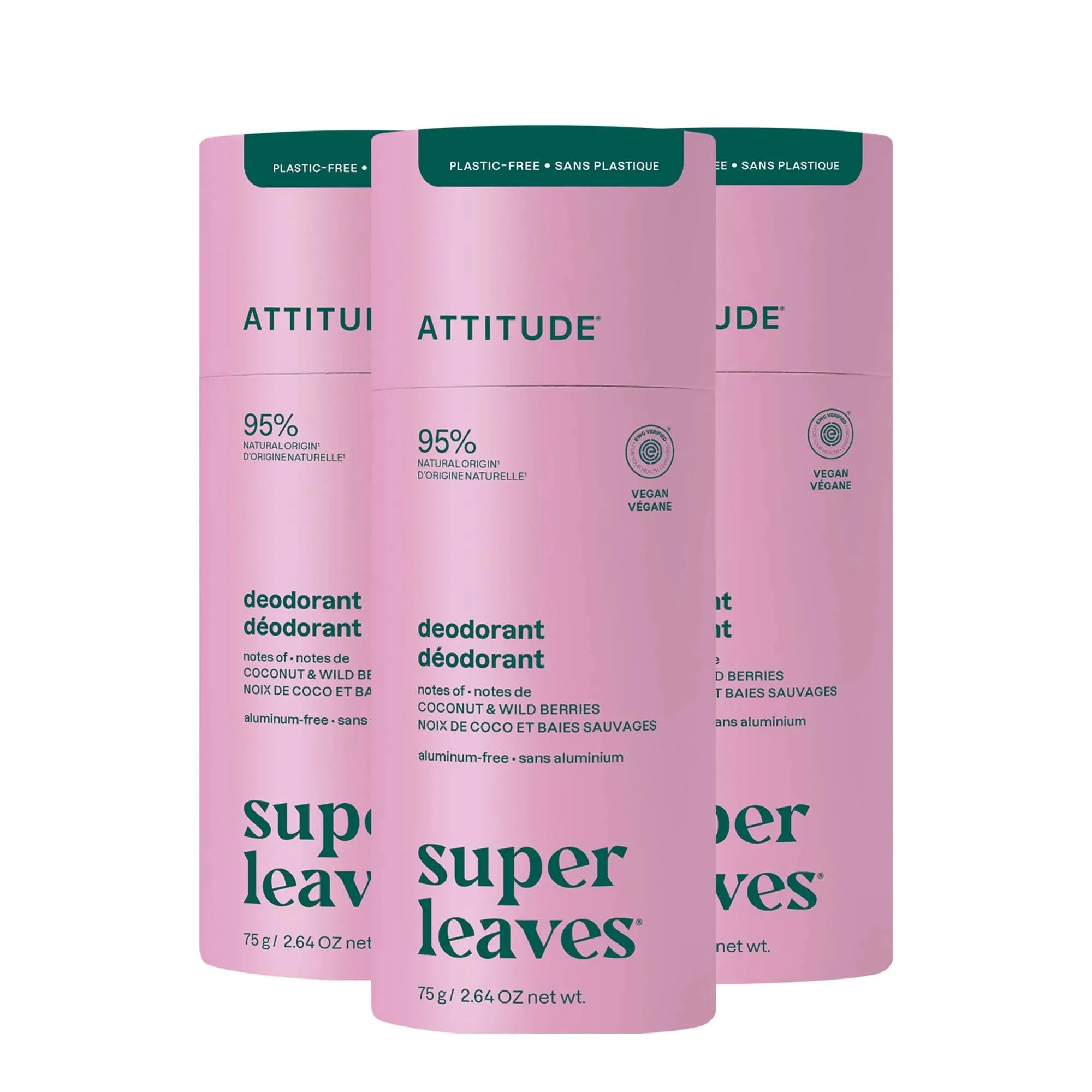
Deodorant 3-pack Coconut & Wild Berries-Solid - 3 x 2.64 OZ.