Pre-workout supplements are a staple for many fitness enthusiasts, offering a boost of energy, focus, and endurance to power through intense training sessions. However, to get the most out of your pre-workout, it's not just about what you take—it's about how and when you take it. Proper timing and dosage can significantly impact the effectiveness of the supplement, helping you avoid jitters, crashes, and sleepless nights.
In this guide, we'll break down the science of pre-workout timing and dosage, so you can optimize your performance and get the best results from your supplement. Whether you're a seasoned lifter or just starting out, these tips will help you make the most of every scoop.
Understanding Pre-Workout Ingredients
Pre-workout supplements typically contain a blend of ingredients designed to enhance physical performance. Common components include caffeine, beta-alanine, creatine, citrulline malate, and B-vitamins. Each ingredient has a specific role: caffeine boosts energy and focus, beta-alanine buffers lactic acid to delay fatigue, and citrulline improves blood flow for better pumps.
Knowing what's in your pre-workout is crucial for determining the right dosage and timing. For example, if your pre-workout is high in caffeine, you'll want to take it earlier in the day to avoid sleep disruption. On the other hand, if it contains beta-alanine, you may experience a harmless tingling sensation, which is normal. Understanding these ingredients helps you tailor your intake to your needs and tolerance.
- Caffeine: Stimulant that increases alertness and reduces perceived effort.
- Beta-alanine: Amino acid that buffers acid in muscles, delaying fatigue.
- Citrulline: Precursor to nitric oxide, enhancing blood flow and pumps.
When to Take Pre-Workout: Timing Matters
The ideal time to take pre-workout is typically 20-30 minutes before your workout. This allows the ingredients to be absorbed into your bloodstream and reach peak levels just as you start exercising. However, the exact timing can vary depending on the formula and your metabolism. Some people feel the effects within 15 minutes, while others may need up to 45 minutes.
For morning workouts, consider taking your pre-workout on an empty stomach for faster absorption. However, if you're sensitive to caffeine, a small snack beforehand can help mitigate stomach discomfort. For evening workouts, be mindful of the caffeine content—taking a high-stimulant pre-workout too late in the day can interfere with your sleep. In such cases, opt for a stim-free or lower-caffeine option.
- Take pre-workout 20-30 minutes before training for peak effects.
- Adjust timing based on your metabolism and sensitivity.
- Avoid high-caffeine pre-workouts within 6 hours of bedtime.
Finding Your Perfect Pre-Workout Dosage
Dosage is a critical factor in pre-workout effectiveness. Most pre-workouts come with a recommended serving size, typically one scoop. However, your ideal dose depends on your body weight, tolerance to stimulants, and the intensity of your workout. Beginners should start with half a scoop to assess tolerance, while experienced users may need a full scoop or more.
It's important to follow the label instructions and never exceed the recommended dose. Overdosing on pre-workout can lead to unpleasant side effects like jitters, nausea, and increased heart rate. If you're using a product with a proprietary blend, be extra cautious, as the exact amounts of each ingredient may not be disclosed. Start low and gradually increase until you find the sweet spot that gives you energy without side effects.
- Start with half a scoop if you're new to pre-workouts.
- Adjust based on your body weight and tolerance.
- Never exceed the manufacturer's recommended dose.
Pre-Workout on an Empty Stomach: Pros and Cons
Taking pre-workout on an empty stomach can lead to faster absorption and a more pronounced effect, as there's no food to slow down digestion. This is often preferred for morning workouts or fasted cardio sessions. However, for some people, this can cause stomach upset or nausea, especially if the pre-workout contains high levels of caffeine or other stimulants.
If you find that an empty stomach causes discomfort, try having a light snack like a banana or a piece of toast 30 minutes before your pre-workout. This can buffer the effects without significantly delaying absorption. Experiment to see what works best for your body and your training schedule.
- Empty stomach: faster absorption, but may cause nausea.
- Light snack: can reduce stomach discomfort without affecting timing.
- Listen to your body and adjust accordingly.
Pre-Workout and Cardio: Adjusting Your Approach
While pre-workouts are often associated with weightlifting, they can also be beneficial for cardio sessions. The energy boost and increased focus can help you push through long runs, cycling sessions, or HIIT workouts. However, the timing and dosage may need adjustment. For cardio, you might want to take your pre-workout a bit earlier, around 30-40 minutes before, to allow for a steady release of energy.
Additionally, for endurance activities, consider a pre-workout with ingredients like beta-alanine and citrulline, which can improve stamina and blood flow. Some products, like HydroBCAA +Energy, combine amino acids with energy boosters, making them a great choice for both cardio and strength training. This can help you stay hydrated and energized throughout your entire workout.
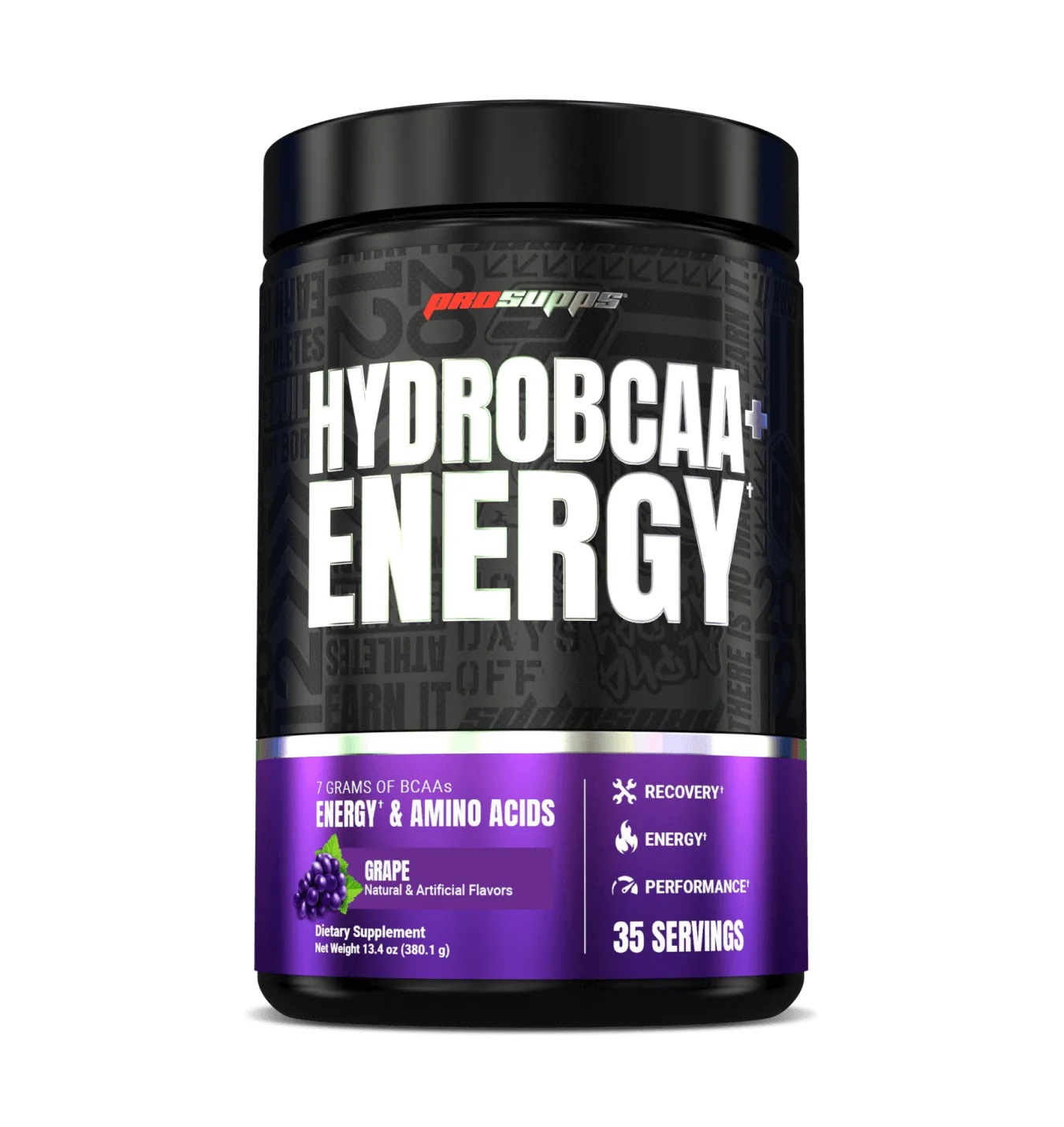
HydroBCAA +Energy
- Take pre-workout 30-40 minutes before cardio for steady energy.
- Choose formulas with endurance-supporting ingredients.
- Consider products like HydroBCAA +Energy for hydration and energy.
Stacking Pre-Workout with Other Supplements
Many athletes choose to stack pre-workout with other supplements to enhance results. Common stacks include adding creatine, BCAAs, or protein powder. When stacking, it's essential to consider the total caffeine and stimulant intake to avoid overstimulation. For example, if your pre-workout already contains high caffeine, you may want to skip additional stimulants.
A popular stack is combining a pre-workout with a pump enhancer like the Maximum Pumps Stack, which focuses on nitric oxide boosters for better blood flow and muscle fullness. Alternatively, you can pair your pre-workout with a post-workout protein shake to support recovery. Always check labels to avoid ingredient overlap and ensure you're not exceeding safe dosages.
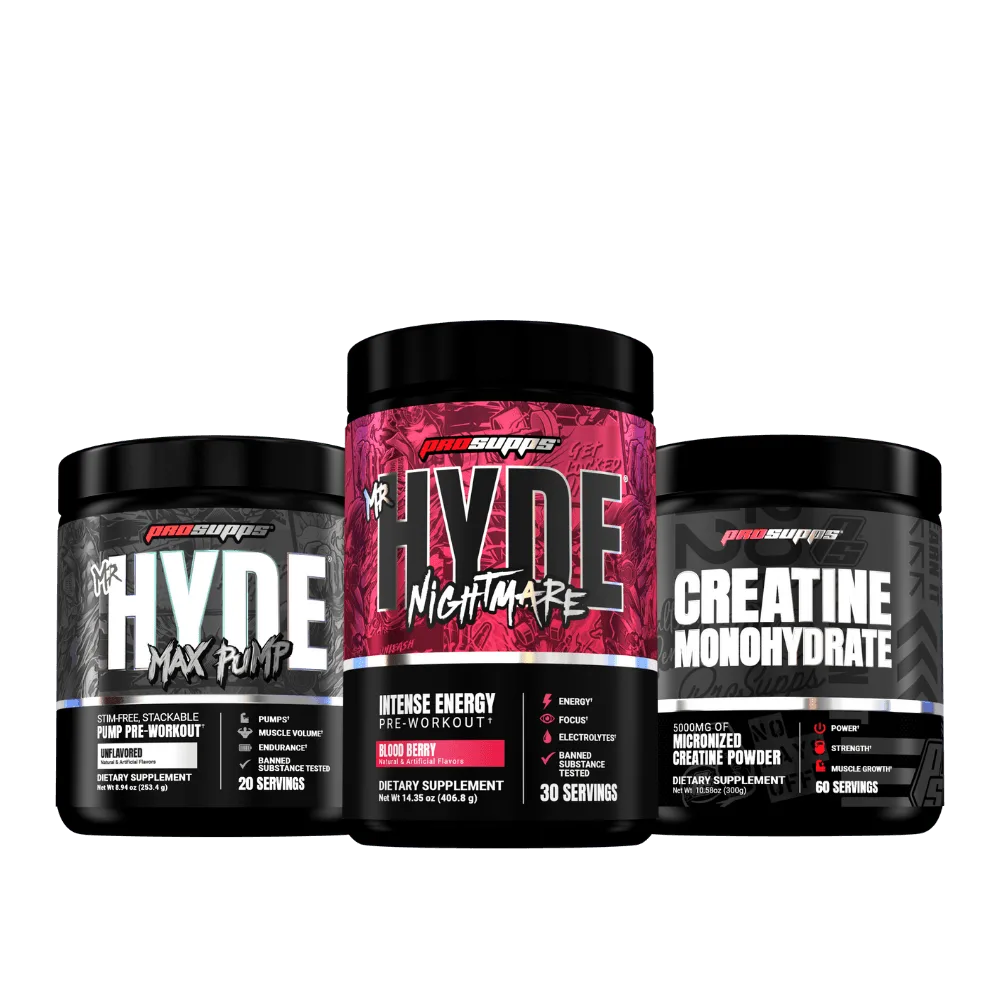
Maximum Pumps Stack
- Stacking can enhance performance but monitor total stimulant intake.
- Consider adding a pump product like the Maximum Pumps Stack.
- Pair with protein for post-workout recovery.
Common Mistakes to Avoid
One of the most common mistakes is taking pre-workout too late in the day, leading to sleep disruption. Another is using more than the recommended dose, thinking it will give better results—this can backfire with side effects. Also, don't rely on pre-workout to replace proper nutrition and sleep; it's a supplement, not a substitute.
Additionally, be consistent with your timing. Taking pre-workout at different times can make it hard to gauge its effectiveness. Keep a log of your workouts and how you feel to fine-tune your timing and dosage. Avoid using pre-workout on rest days unless you're doing a light activity, as it can lead to unnecessary stimulation.
- Don't take pre-workout late in the day.
- Avoid exceeding the recommended dose.
- Don't use pre-workout as a substitute for sleep and nutrition.
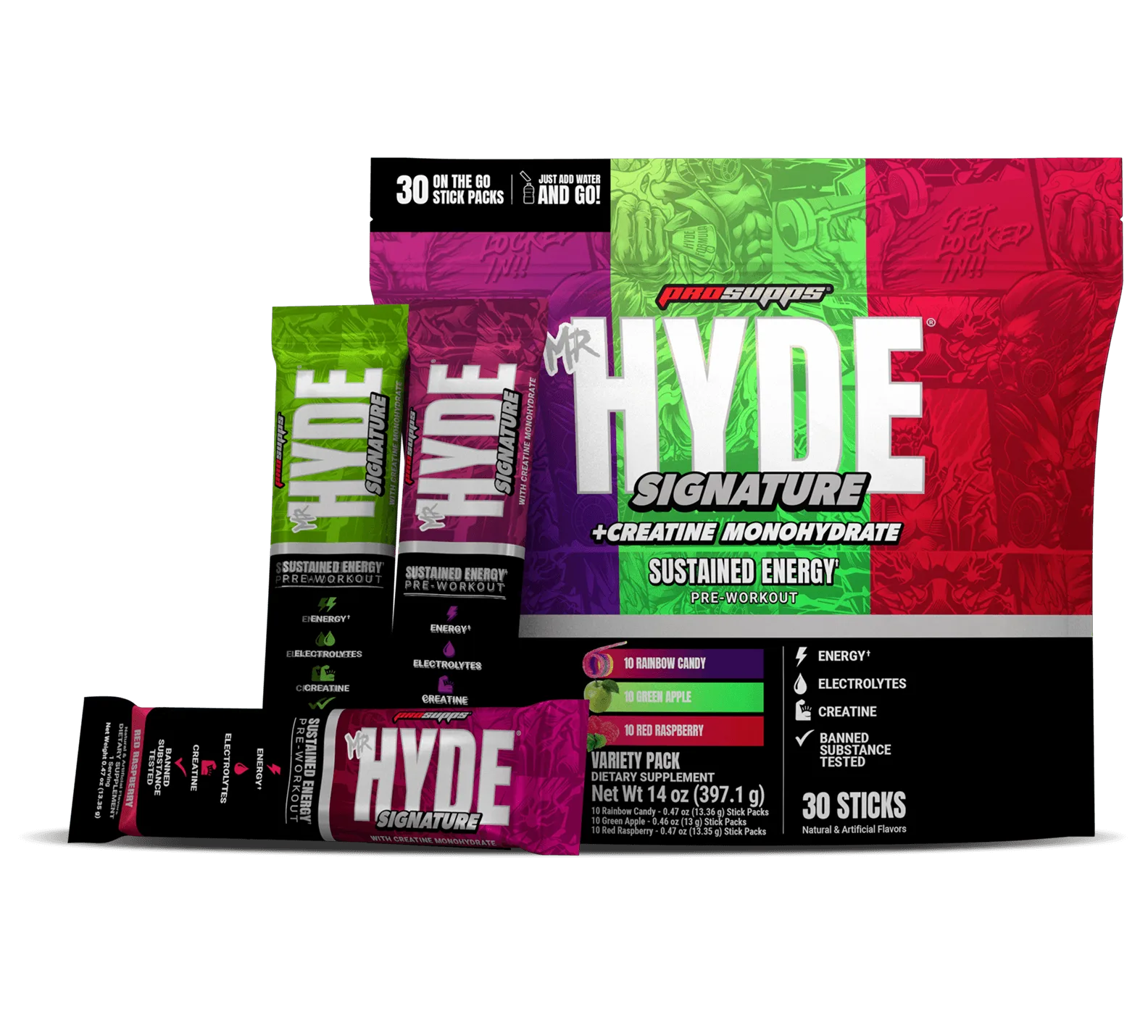
Mastering pre-workout timing and dosage is key to unlocking your full potential in the gym. By understanding your ingredients, listening to your body, and adjusting your approach for different workouts, you can maximize the benefits of your supplement. Whether you're using a classic pre-workout or a specialized formula, remember to start low, go slow, and stay consistent. For a reliable and effective option, consider trying the Mr. Hyde Signature 30 Stick Pack Bag, which offers a potent blend for intense training sessions. Always consult with a healthcare professional before starting any new supplement regimen.