Why Combine Vitamin D3 and Vitamin C?
Vitamin D3 and Vitamin C are two foundational nutrients that support your immune system through different pathways. Taking them together can be a straightforward way to cover more ground in your daily immune support routine. Vitamin D3, often called the "sunshine vitamin," plays a key role in immune function, bone health, and calcium absorption. Vitamin C is a potent antioxidant that also supports immune health and helps reduce tiredness.
This guide explains how to take UltraVit's Vitamin D3 2000 IU and Vitamin C 1000 together, including practical timing, dosage considerations, and what each product delivers.
What Each Supplement Delivers
-
VITAMIN D3 2000 IU: UltraVit's Vitamin D3 2000 IU supports immune function, bone and tooth health, cognitive function, muscle function, and helps reduce fatigue. Each softgel provides 2000 IU of Vitamin D3. This is your daily dose of Vitamin D3 for general immune and bone support, especially if you have limited sun exposure.
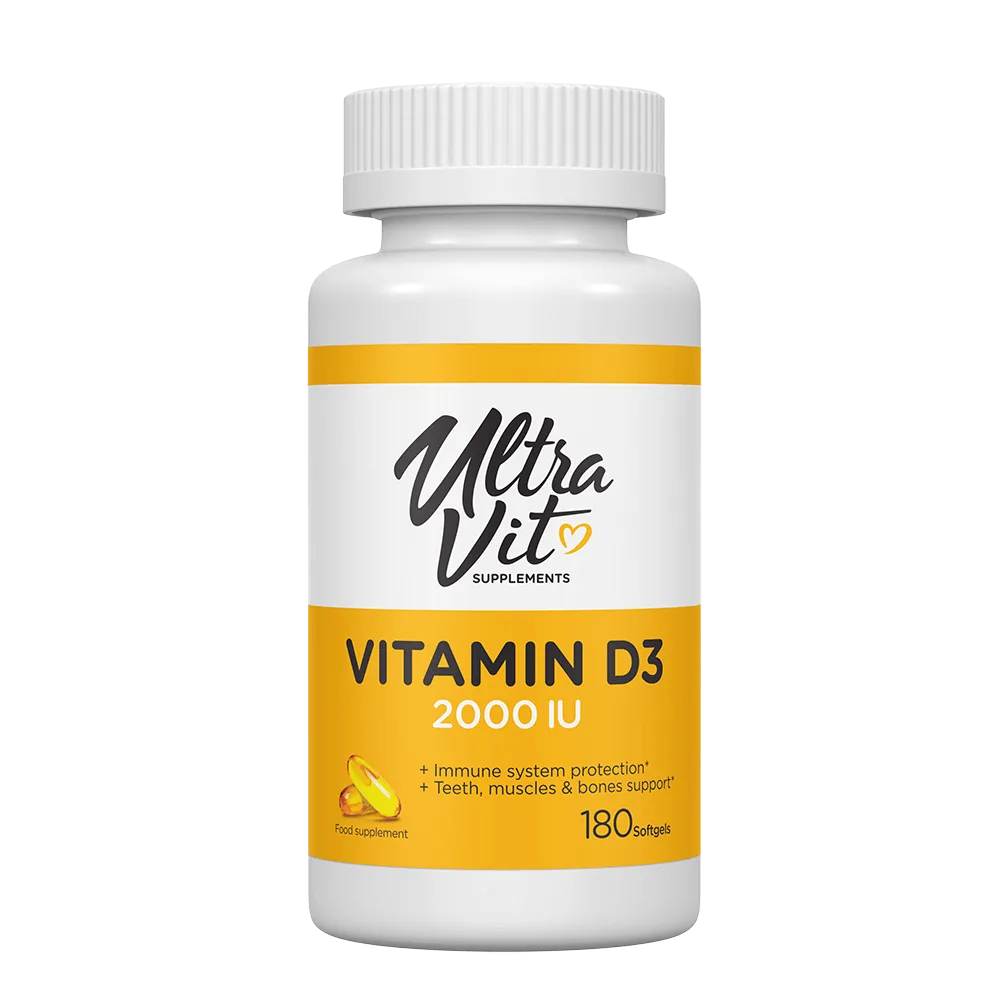
VITAMIN D3 2000 IU
-
VITAMIN C 1000: UltraVit's Vitamin C 1000 provides 1000 mg of Vitamin C per capsule, plus Rosehips extract for enhanced antioxidant effects. It supports immune health, collagen formation, and helps reduce tiredness. Vitamin C 1000 offers a higher daily dose for immune support and antioxidant protection, suitable for daily use.
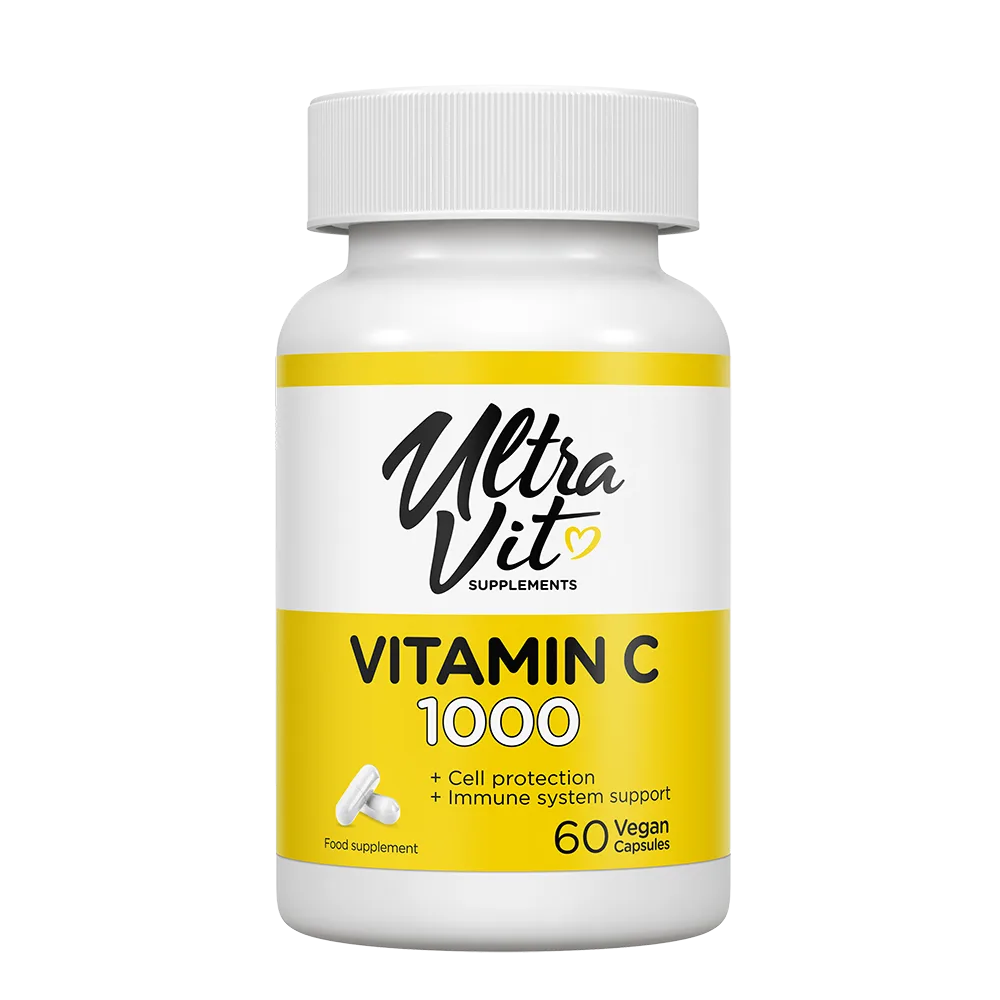
VITAMIN C 1000
How to Take Vitamin D3 2000 IU and Vitamin C 1000 Together
Both supplements come in easy-to-swallow forms: Vitamin D3 as softgels and Vitamin C as capsules. You can take them at the same time or at different times of day, depending on your routine.
- Check your daily needs: The Vitamin D3 2000 IU provides a standard maintenance dose. The Vitamin C 1000 offers a higher dose for immune support. Assess your personal needs based on diet and lifestyle, but do not exceed the recommended serving on the label.
- Take with a meal that contains fat: Vitamin D3 is fat-soluble, so taking it with food that contains some fat (like eggs, nuts, or avocado) improves absorption. Vitamin C can be taken with or without food, but taking it with a meal may reduce stomach discomfort for some people.
- Choose a consistent time of day: Many people take both supplements in the morning with breakfast. If you prefer, you can split them: Vitamin D3 in the morning and Vitamin C later in the day. Consistency is more important than the exact time.
- Swallow whole with water: Both the softgel and capsule should be swallowed whole with a glass of water. Do not crush or chew them.
Practical Considerations
Each bottle provides a different supply: Vitamin D3 2000 IU comes in 180 softgels, while Vitamin C 1000 comes in 60 capsules. This means you will run out of Vitamin C sooner if you take both daily. Plan your reorder accordingly.
Both supplements are vegan-friendly (Vitamin C) and free from gluten and GMOs. The Vitamin D3 product does not specify vegan status in the supplied information, so check the label if that is important to you.
Honest Tradeoffs and Limitations
The supplied information does not include specific warnings about taking these two supplements together. However, Vitamin D3 is fat-soluble and can accumulate in the body over time if taken in very high doses. The 2000 IU dose is a standard maintenance level, but if you are taking additional Vitamin D from other sources, consult a healthcare professional.
Vitamin C is water-soluble, so excess is usually excreted, but high doses (above 1000 mg) may cause digestive upset in some individuals. The 1000 mg dose is generally well-tolerated.
This guide does not replace personalized medical advice. If you have a specific health condition or are taking medication, speak with your doctor before starting any new supplement routine.