Chocolate is more than a sweet treat—it's a complex sensory experience waiting to be explored. Just as coffee lovers savor the nuances of single-origin beans, chocolate enthusiasts can unlock a world of flavor notes, from fruity and floral to nutty and earthy. Whether you're a casual snacker or an aspiring connoisseur, learning to taste chocolate like a pro will deepen your appreciation and transform every bite into a moment of discovery.
In this beginner's guide, we'll walk you through the essential steps of chocolate tasting, from selecting the right bar to identifying flavor notes. You'll also discover how to pair chocolate with coffee and other treats, and why high-quality ingredients, like those from Pump Street, can elevate your tasting experience. Ready to become a chocolate taster? Let's dive in.
Why Chocolate Tasting Matters
Tasting chocolate mindfully is akin to wine or coffee cupping. It trains your palate to recognize subtle flavor profiles, which enhances your enjoyment and helps you choose chocolates that align with your preferences. Professional tasters use a structured approach to evaluate appearance, aroma, texture, and taste, and you can adopt these techniques at home with minimal equipment.
Understanding flavor notes also empowers you to pair chocolate with complementary foods and beverages. For example, a fruity dark chocolate might shine alongside a bright Ethiopian coffee, while a creamy milk chocolate could be perfect with a rich espresso. This knowledge turns a simple snack into a curated experience.
- Start with single-origin or craft chocolate bars for distinct flavor profiles.
- Avoid flavored or filled chocolates when first learning—focus on pure cacao.
Step 1: Choose Your Chocolate Wisely
The foundation of any great tasting is the chocolate itself. Opt for high-quality, single-origin bars with a high cacao percentage (70% or above is ideal for beginners). These bars showcase the natural flavor notes of the cacao bean, without the interference of excessive sugar or additives. Look for brands that prioritize bean-to-bar craftsmanship, such as Pump Street, which sources exceptional cacao from specific regions.
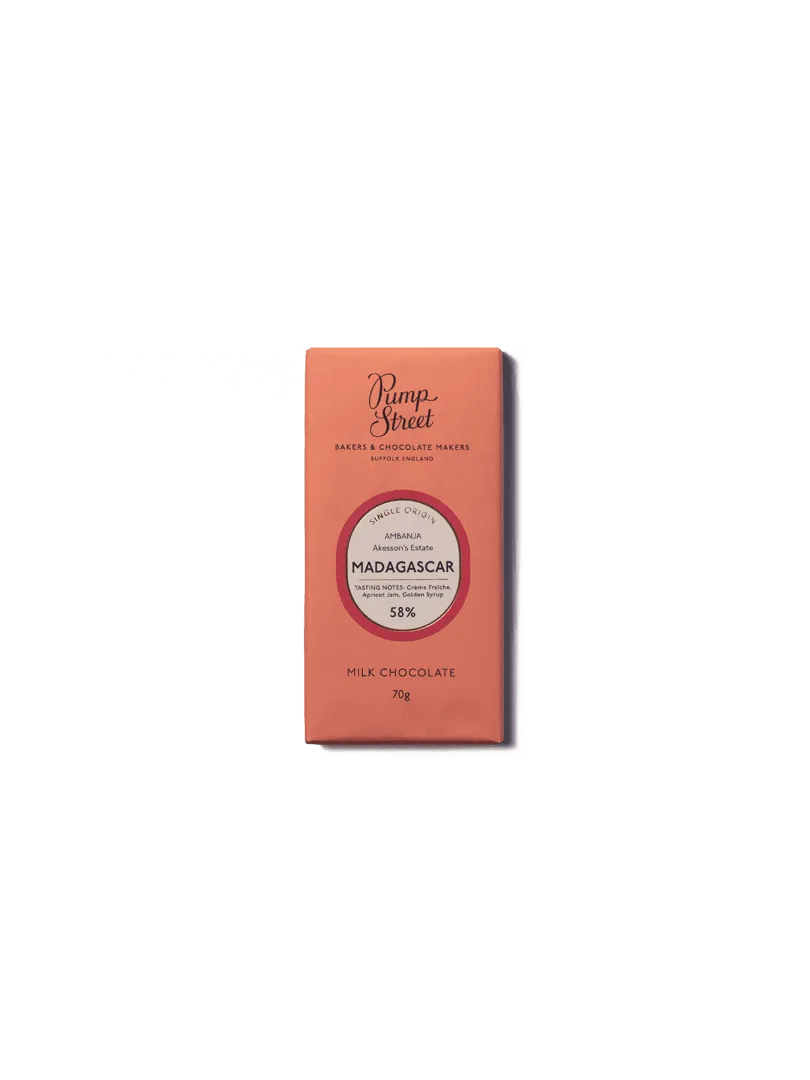
For your first tasting session, select two or three bars with different origins or cacao percentages. This allows you to compare and contrast notes. For instance, a bar from Madagascar might offer bright citrus and berry notes, while one from Jamaica could present deeper, more earthy flavors. Consider trying the Pump Street Madagascar 58% milk chocolate for a balanced, approachable option, or the Pump Street Jamaica 75% dark chocolate for a more intense experience.
- Avoid chocolate with added vanilla, lecithin, or other flavorings initially.
- Store chocolate in a cool, dark place (60-70°F) to preserve its flavor.
Step 2: Prepare Your Tasting Environment
To taste chocolate like a pro, create a distraction-free space. Use a clean palate—avoid coffee, spicy foods, or strong flavors for at least an hour before tasting. Have a glass of room-temperature water or plain crackers on hand to cleanse your palate between samples. A notebook and pen are helpful for jotting down flavor notes and impressions.
Break the chocolate into small, uniform pieces (about 1 inch square) and let them sit at room temperature for 10-15 minutes. This allows the cocoa butter to soften slightly, releasing the full aroma. Arrange your samples on a plate, labeled by origin or percentage, and prepare to engage all your senses.
- Use a white plate or paper to better see the chocolate's color and sheen.
- Taste at the same time of day to maintain consistency in your palate.
Step 3: Observe the Appearance
Visual cues reveal a lot about chocolate quality. Hold the piece up to natural light and examine its color—dark chocolate ranges from deep mahogany to reddish-brown, while milk chocolate is lighter and creamier. A glossy surface indicates proper tempering, while a dull or streaky finish may suggest mishandling.
Look for any bloom—white or gray streaks on the surface. Fat bloom (from cocoa butter separating) or sugar bloom (from moisture) can affect texture but not necessarily flavor. Note the chocolate's uniformity and any visible specks of cacao nibs, which can hint at a more rustic, artisanal process.
- A smooth, even color and shine are signs of well-tempered chocolate.
- Don't judge a bar solely by its appearance—some bloomed chocolate still tastes excellent.
Step 4: Engage Your Sense of Smell
Aroma is a powerful component of flavor. Before tasting, bring the chocolate piece to your nose and inhale deeply. What do you smell? Common aroma notes include fruit (berries, citrus), floral (jasmine, violet), nutty (almond, hazelnut), earthy (mushroom, tobacco), or spicy (cinnamon, pepper).
Break the piece in half and smell the freshly exposed surface—this releases volatile compounds. Compare the aroma of different bars side by side. For example, the Pump Street Jamaica 75% dark chocolate might evoke notes of dried fruit and a hint of spice, while a milk chocolate could smell creamier and sweeter. Write down your first impressions.
- Take short, quick sniffs rather than long inhales to avoid olfactory fatigue.
- Smell your sample again after tasting to notice how the aroma evolves.
Step 5: Taste and Evaluate the Texture
Place the chocolate on your tongue and let it melt slowly without chewing. Pay attention to the mouthfeel—is it smooth, creamy, or slightly gritty? High-quality chocolate melts evenly and coats your mouth with a silky sensation, thanks to well-tempered cocoa butter. A grainy texture may indicate poor conching or added fats.
Notice how the chocolate evolves as it warms. Does it release flavors gradually? The melting point of cocoa butter is just below body temperature, so a good bar will dissolve luxuriously. Chewing releases different flavor compounds, so try both methods. The texture can also hint at the cacao percentage: higher percentages often feel more dense and less creamy.
- Allow the chocolate to melt fully before swallowing to experience the full flavor arc.
- Try pressing a piece against the roof of your mouth to speed up melting.
Step 6: Identify Flavor Notes and Aftertaste
Now comes the most exciting part: pinpointing specific flavor notes. Start with broad categories—fruity, nutty, earthy, floral, or spicy—then narrow down. For instance, a chocolate might have a bright, acidic note reminiscent of red berries or a deep, roasted flavor like coffee. Use a flavor wheel (available online) to expand your vocabulary.
The aftertaste, or finish, is equally important. A great chocolate leaves a pleasant, lingering flavor that may evolve. Does it fade quickly or persist? Are there any bitter or sour notes? A balanced chocolate will have a clean finish with no harshness. Practice with different bars, and soon you'll be able to distinguish origin characteristics with confidence.
- Compare your notes with the manufacturer's tasting notes to refine your palate.
- Taste the same chocolate on different days to see how your perception changes.
Pairing Chocolate with Coffee and Other Treats
Chocolate and coffee are a classic pairing, and understanding flavor notes makes you a master of combinations. A bright, fruity chocolate pairs beautifully with a washed Ethiopian coffee, while a rich, dark chocolate complements a full-bodied espresso. For a special treat, try a piece of Pump Street Madagascar 58% milk chocolate alongside a pour-over coffee brewed with a clean filter like the V60 Filter Papers.
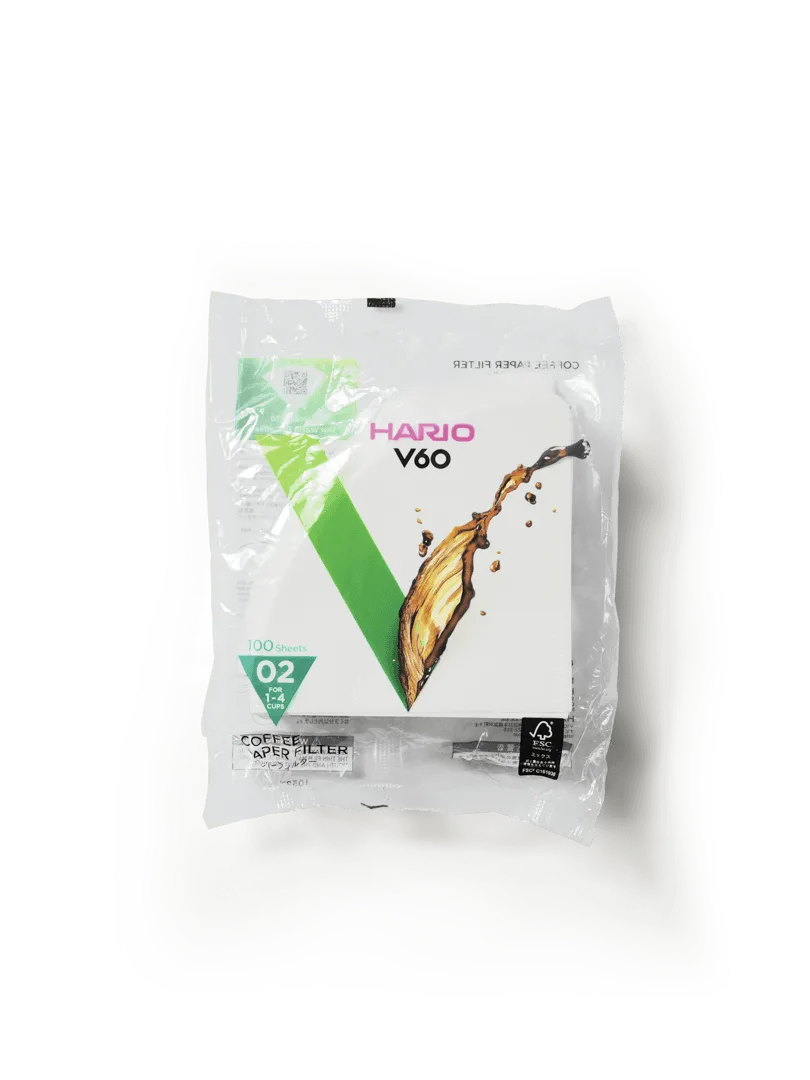
V60 Filter Papers.
You can also pair chocolate with other foods: nuts, dried fruit, cheese, or even wine. The key is to match intensity and flavor profiles. A delicate milk chocolate goes well with a mild brie, while a bold dark chocolate stands up to aged cheddar. Experiment with small bites to discover your favorite combinations.
- Start with small portions to avoid overwhelming your palate.
- Keep a journal of successful pairings for future reference.
Common Mistakes to Avoid in Chocolate Tasting
Even experienced tasters can fall into traps. One common mistake is tasting chocolate when your palate is fatigued or after eating strong foods. Always cleanse your palate with water or plain bread. Another error is judging a chocolate too quickly—flavors develop over 30 seconds or more, so be patient.
Avoid tasting chocolate straight from the refrigerator, as cold temperatures mute aroma and texture. Let it come to room temperature. Finally, don't rely solely on price or brand reputation—trust your own palate. Some affordable bars offer remarkable complexity, while expensive ones may not suit your taste. Tasting is a personal journey.
- Don't taste more than 5-6 samples in one session to avoid palate fatigue.
- Write down both positive and negative impressions—they're equally valuable.
Now that you know how to taste chocolate like a pro, it's time to put your skills into practice. Start with a high-quality bar like the Pump Street Madagascar 58% milk chocolate, and let your senses guide you. Explore our collection of craft chocolates and coffee to build your tasting repertoire. Happy tasting!