Quick Answer
Start with your child's name, then introduce letters in small, meaningful groups using magnetic fridge letters. Keep sessions short, playful, and repeat often.
Why Magnetic Fridge Letters Work
Magnetic fridge letters turn the kitchen, a place your child sees every day, into a learning space. The letters are easy to grab, move, and arrange, which helps toddlers build fine motor skills while they explore letter shapes. Because they are always visible, children naturally start to notice and ask about them.
One trade-off is that fridge letters can become scattered or lost easily. Setting a designated spot on the fridge and tidying up together after play can help keep them organized and prevent frustration.
When to Start
Most toddlers show interest in letters around age two, but every child is different. Look for signs like pointing at letters in books, asking what a letter is, or trying to 'write' with crayons. There is no need to push before your child is ready; starting too early can turn a fun activity into a chore.
Step-by-Step Teaching Plan
- Start with the child's name: Spell out your child's first name on the fridge and say each letter aloud as you place it. Point to the letters and say the name together. This makes learning personal and immediately meaningful. Common mistake: starting with all 26 letters at once. Focus on just the few letters in the name first.
- Introduce letters in small groups: Add three to four new letters each week, choosing letters that appear in family names or favorite words. Place them in a separate section of the fridge and practice naming them during snack time or while cooking. Checkpoint: if your child confuses two letters, remove one for a few days and reintroduce it later.
- Play matching games: Write the target letters on sticky notes and ask your child to find the matching magnetic letter. Start with uppercase letters, then move to lowercase once they are confident. This builds visual discrimination and memory. Common mistake: expecting immediate mastery. Match games are about practice, not testing.
- Build simple words: Once your child knows several letters, arrange them to form short words like 'cat' or 'dog'. Say the word slowly, sounding out each letter, then blend the sounds together. Use the farm animal pieces from the set to make it more engaging—like placing 'c-a-t' next to a cow. Checkpoint: always say the letter sound, not just the name, to build phonemic awareness.
- Make it a daily ritual: Spend five minutes each day at the fridge, even if it's just naming one letter. Consistency matters more than session length. Rotate which letters are at the front of the fridge to keep interest high. Common mistake: turning the activity into a formal lesson. Keep it playful and let your child lead sometimes.
A Helpful Tool for This Activity
-
Magnetic Fridge Alphabets, Number, Farm Animals Early Learning: This set includes magnetic alphabet letters, numbers, and farm animal pieces, all designed for early learning and letter recognition. The variety lets you switch between letter activities and number or animal games, keeping the learning experience fresh and engaging.
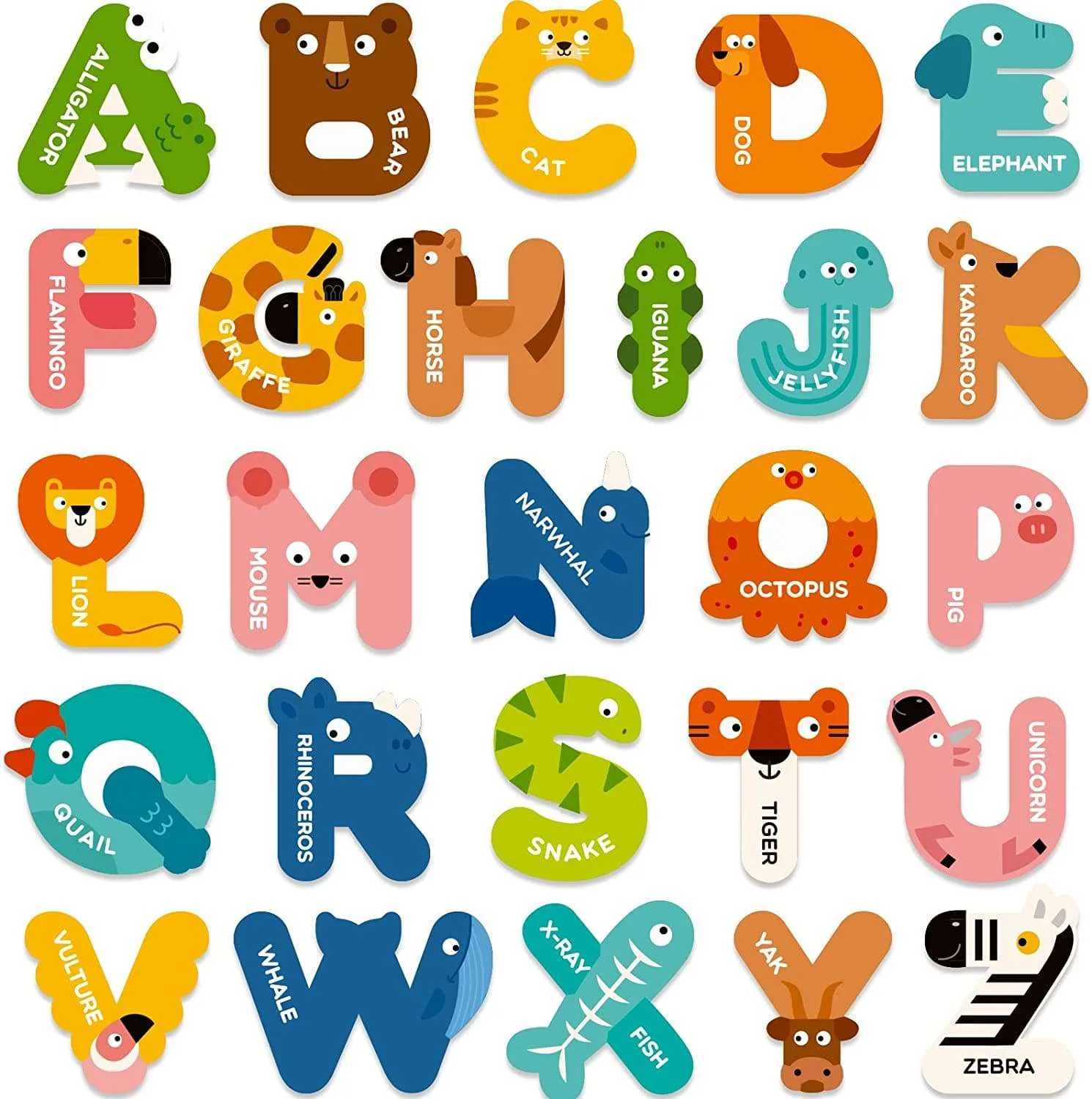
Magnetic Fridge Alphabets, Number, Farm Animals Early Learning