Quick Answer
To teach Euphoria: Essential Edition effectively, start with the game's core loop of dice placement and worker management, explain the win condition clearly, and use a structured walkthrough. Focus on the most common actions first and defer edge cases until they arise.
Teaching a new board game can be as challenging as learning it yourself. Euphoria: Essential Edition, a worker-placement game set in a dystopian world, offers a rich experience but also comes with a fair amount of rules. This guide will help you break down the game into digestible steps, ensuring your friends grasp the fundamentals without feeling overwhelmed.
Whether you're a seasoned teacher or a first-time explainer, these strategies will make your next game night a success. We'll cover everything from preparation to the final scoring, including common mistakes to avoid along the way.
Before You Start: Know the Game Yourself
The first step to teaching any game is to know it inside out. Play a solo game or read through the rulebook thoroughly before your teaching session. This not only helps you answer questions confidently but also allows you to tailor your explanation to your audience's experience level.
If you're new to Euphoria, consider playing a few practice rounds alone. This will help you internalize the flow and identify which rules are most likely to trip up new players. Being prepared also sets a positive tone, making your friends more receptive to learning.
- Set up the game before your friends arrive to save time and avoid distractions.
- Have the rulebook handy for quick reference, but don't read from it verbatim.
Start with the Big Picture: Theme and Goal
Begin by explaining the game's setting: you are leaders in a dystopian world, trying to gain control by increasing your influence. The goal is to be the first to place all your workers (or reach a certain number of stars) by the end of the game. This high-level overview gives players a mental framework for why they are performing actions.
Avoid diving into mechanics immediately. Instead, paint a picture of the world and the conflict. This helps players connect with the game and makes the rules feel more intuitive. Once they understand the 'why,' the 'how' becomes easier to grasp.
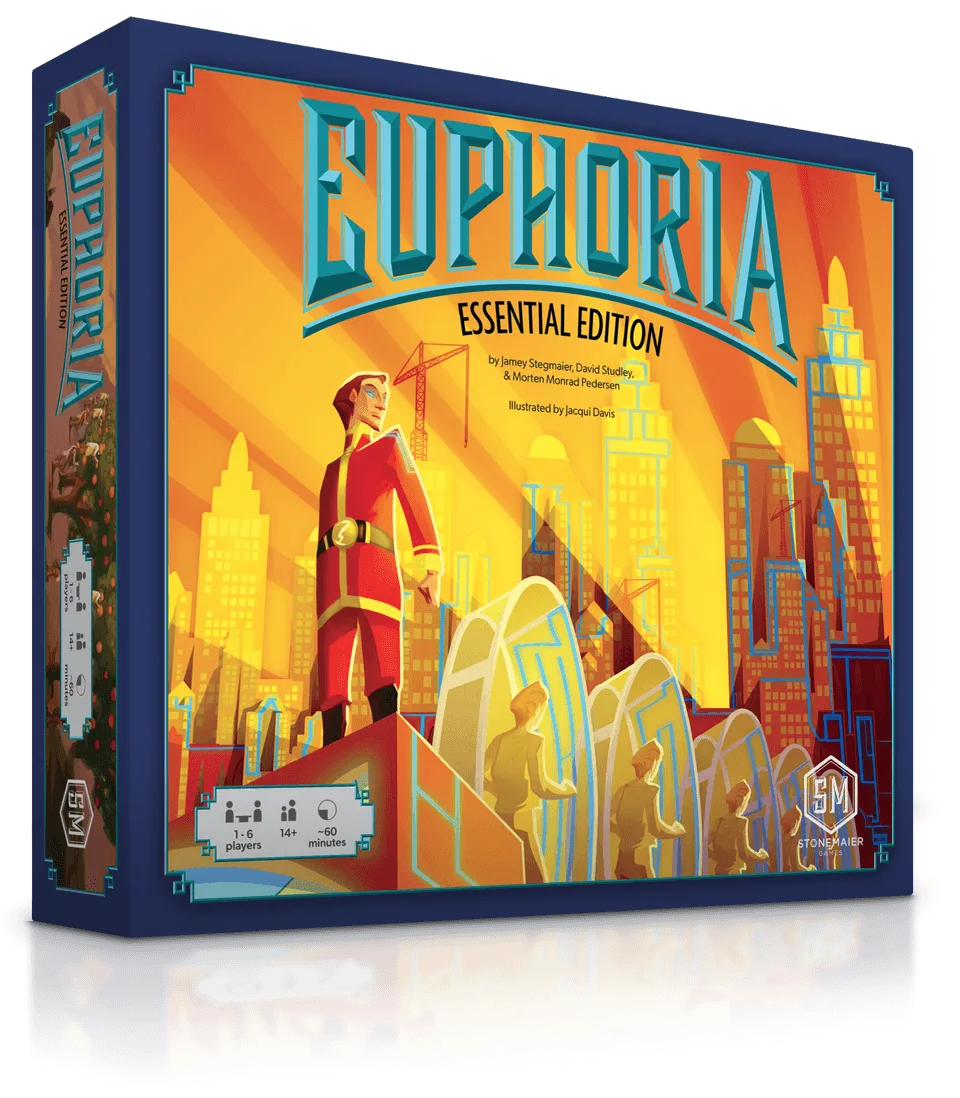
- Use the game's artwork and components to illustrate the theme—point out the workers, buildings, and the dystopian vibe.
Explain the Core Loop: Dice Placement and Actions
Euphoria is a dice-placement game. On your turn, you roll your dice and assign them to different actions on the board. The higher the pip value, the more effective the action, but there's a catch: placing a die on a space that already has dice may trigger a 'recruit' action or have other consequences. Explain the main action spaces: recruiting workers, building markets, and fulfilling contracts.
Keep your explanation focused on the most common actions. For example, explain that placing a worker on a market space lets you gain resources, while building a market increases your influence. Use concrete examples: 'If you place a 5 on the market space, you might get more resources than with a 3.' This makes the mechanics tangible.
- Demonstrate a sample turn: roll dice, place one on a space, and walk through the resolution.
Introduce Key Concepts: Workers, Stars, and Ignorance
Workers are your dice, and each has a 'morale' that can be affected by the game's 'ignorance' track. The more ignorant your workers are, the less effective they become, but you can keep them happy by fulfilling certain conditions. Stars are the victory points that lead to winning. Explain that you earn stars by completing certain milestones, like building all your markets or having a certain number of workers.
Don't overload players with every rule about morale and ignorance at first. Instead, introduce the concept and let them discover the nuances during play. You can say, 'Your workers have morale, and if it drops too low, they might not work as well. You can increase morale by completing certain actions.'
- Use player aids or reference cards if available to help players remember key concepts.
Walk Through a Full Round
Once you've covered the basics, play a few rounds openly, narrating your decisions and reasoning. This 'show, don't tell' approach is often the most effective way to teach. Point out when you are placing dice, what you are hoping to achieve, and how you are considering your opponents' moves.
Encourage questions during this walkthrough. It's better to clarify misunderstandings early than to have players feel lost later. After two or three rounds, you can let the game continue with less guidance, stepping in only when someone is unsure.
- During the walkthrough, highlight a strategic decision, such as choosing between a short-term gain and a long-term goal.
Common Mistakes and How to Avoid Them
New players often forget to check the 'recruit' action when they place a die on a space with existing dice. This can lead to unintended consequences. Remind them to always look at the space before placing, and explain the recruit action clearly.
Another common mistake is ignoring the morale of workers. Players may focus solely on placing dice without realizing that low morale can reduce their dice values. Emphasize the importance of keeping morale high, and point out when a player's morale is getting low.
- Make it a habit to remind players to check the morale track at the start of their turn.
Step-by-Step Teaching Plan
- Prepare the Game: Set up the board, sort components, and ensure all players have their starting dice and resources. Have a clear view of the board for everyone. Checkpoint: Ask if everyone can see the board and understands the basic layout.
- Introduce the Theme and Goal: Give a brief narrative overview and state the win condition: first to place all workers or reach a certain star count. Checkpoint: Have players repeat the goal in their own words.
- Explain Core Mechanics: Cover dice placement, main actions, and the concept of workers and stars. Use examples and avoid edge cases. Common mistake: Overloading players with too many rules at once.
- Walk Through a Sample Turn: Demonstrate a full turn, explaining your choices and the outcomes. Then have each player take a practice turn with guidance. Checkpoint: Ensure each player can successfully complete a turn without help.
- Play the First Few Rounds Together: Continue playing with open discussion. Encourage questions and point out strategic considerations as they arise. Common mistake: Letting players make illegal moves due to overlooked rules—gently correct and explain.
- Gradually Hand Over Control: As players become comfortable, step back and let them play independently. Only intervene when a rule is clearly forgotten or a dispute arises. Checkpoint: At the end, ask for feedback and clarify any remaining confusion.
Enhance Your Teaching Session
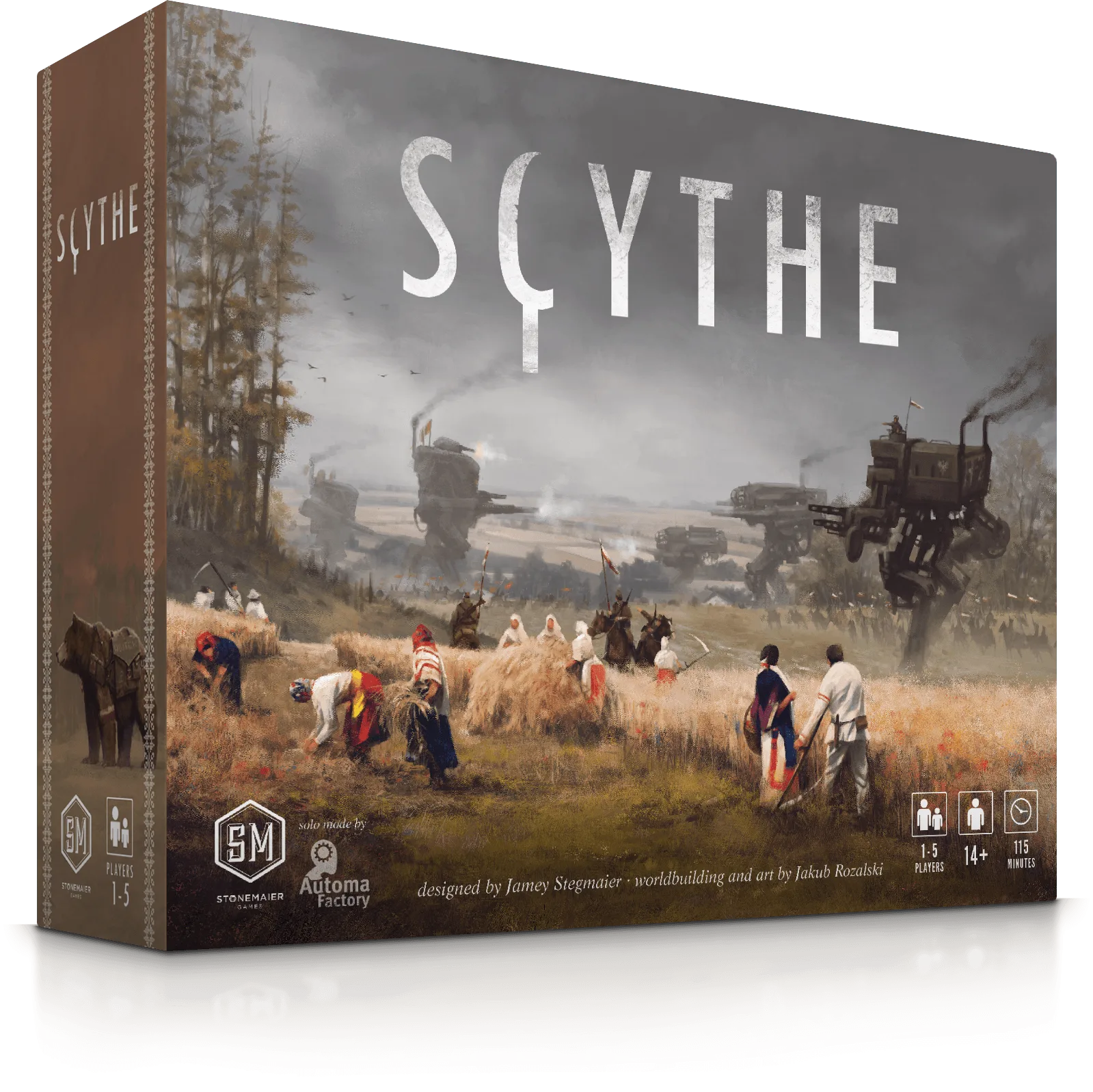
- Scythe: Scythe is an engine-building, asymmetric, competitive board game set in an alternate-history 1920s period. It plays 1-5 players in about 115 minutes. If your group enjoys Euphoria's worker placement and strategic depth, Scythe offers a similar but more complex experience, making it a natural next step.
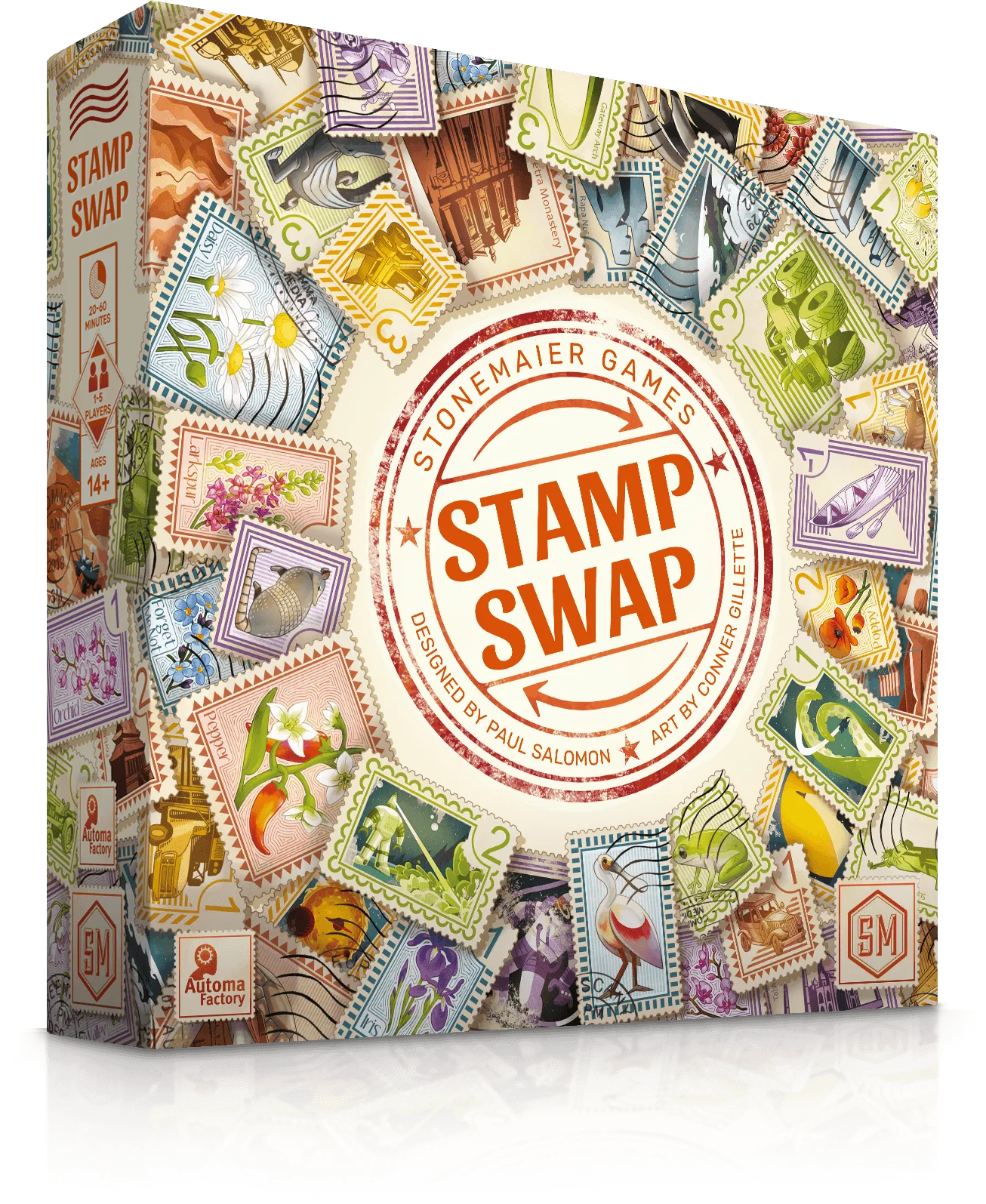
- Stamp Swap: Stamp Swap is a drafting and set-collection game where players divide tiles into groups and score based on goals. For a lighter, quicker game to vary your game nights, Stamp Swap provides a different mechanic that is easy to teach and complements Euphoria's heavier gameplay.
Teaching Euphoria: Essential Edition doesn't have to be daunting. By breaking down the game into clear steps, focusing on the core loop, and using a structured walkthrough, you can help your friends learn quickly and enjoy the experience. Remember to be patient, encourage questions, and most importantly, have fun. With these tips, you'll be ready to guide new players through the dystopian world of Euphoria with confidence.