Quick answer
Start spoon practice around 12 months and fork practice closer to 18 months, once your toddler shows interest in grabbing utensils. Offer a small spoon and fork at every meal, model the motion, and let your child practice with thick foods like yogurt or mashed potatoes. Expect mess and keep sessions short.
When to start and what to expect
Most toddlers begin showing readiness for utensils between 12 and 15 months, but every child is different. Look for signs like grabbing the spoon from your hand, watching you eat, or trying to scoop food themselves. At this stage, they may not successfully get food to their mouth, but the goal is exposure and practice. By 18 to 24 months, many toddlers can use a spoon with less spilling and start to pierce soft foods with a fork. Keep in mind that skills develop gradually; some days will be messier than others.
Set up for success with the right tools
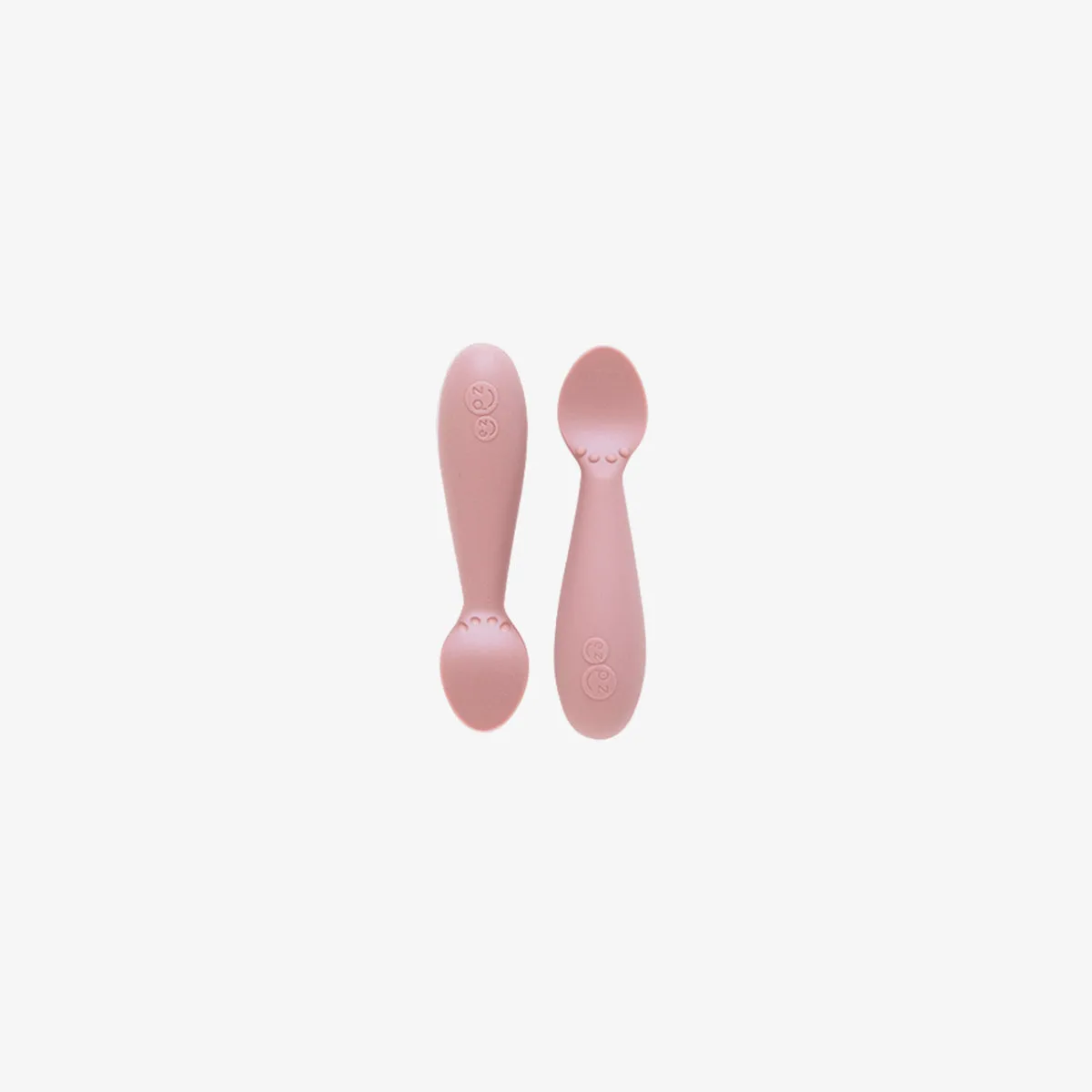
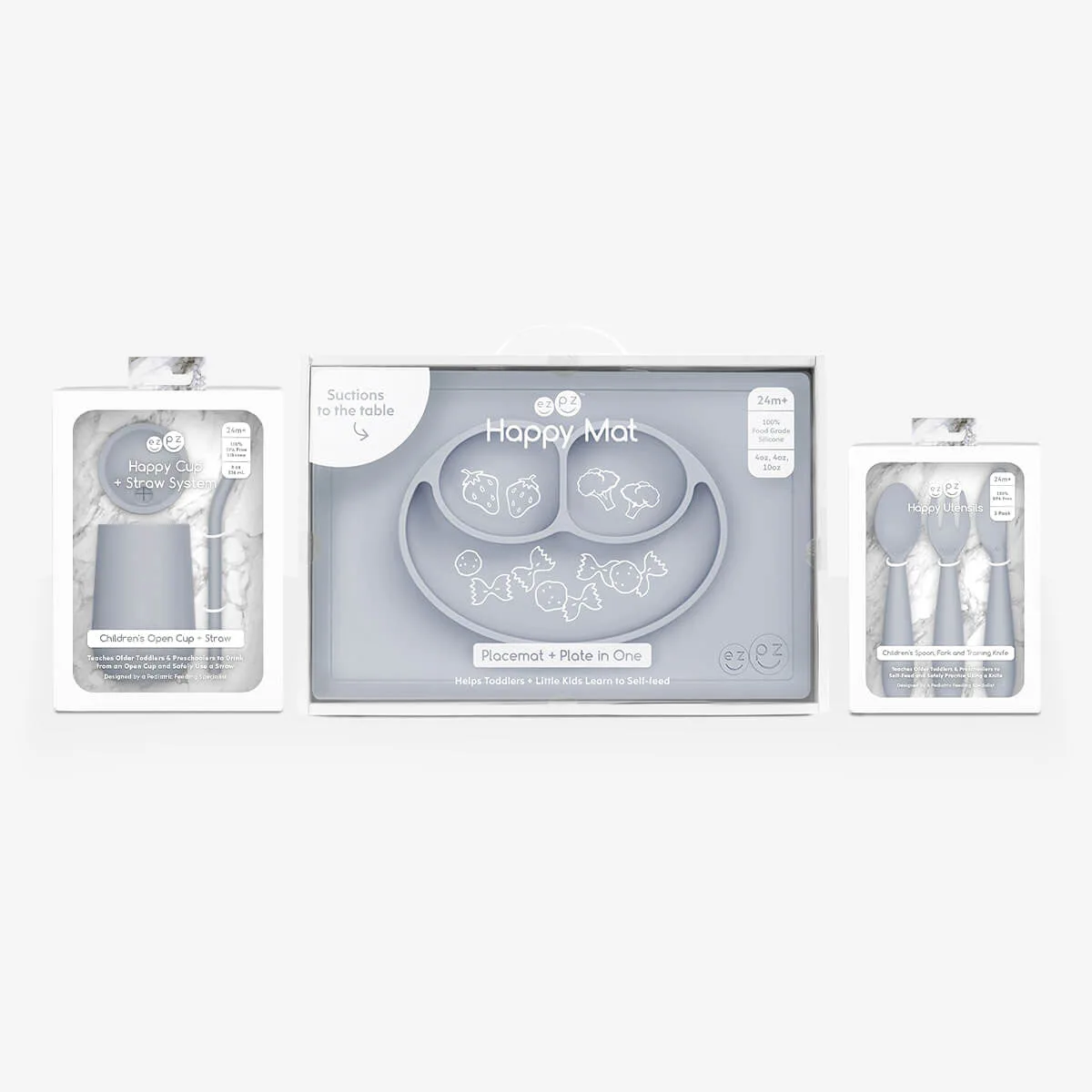
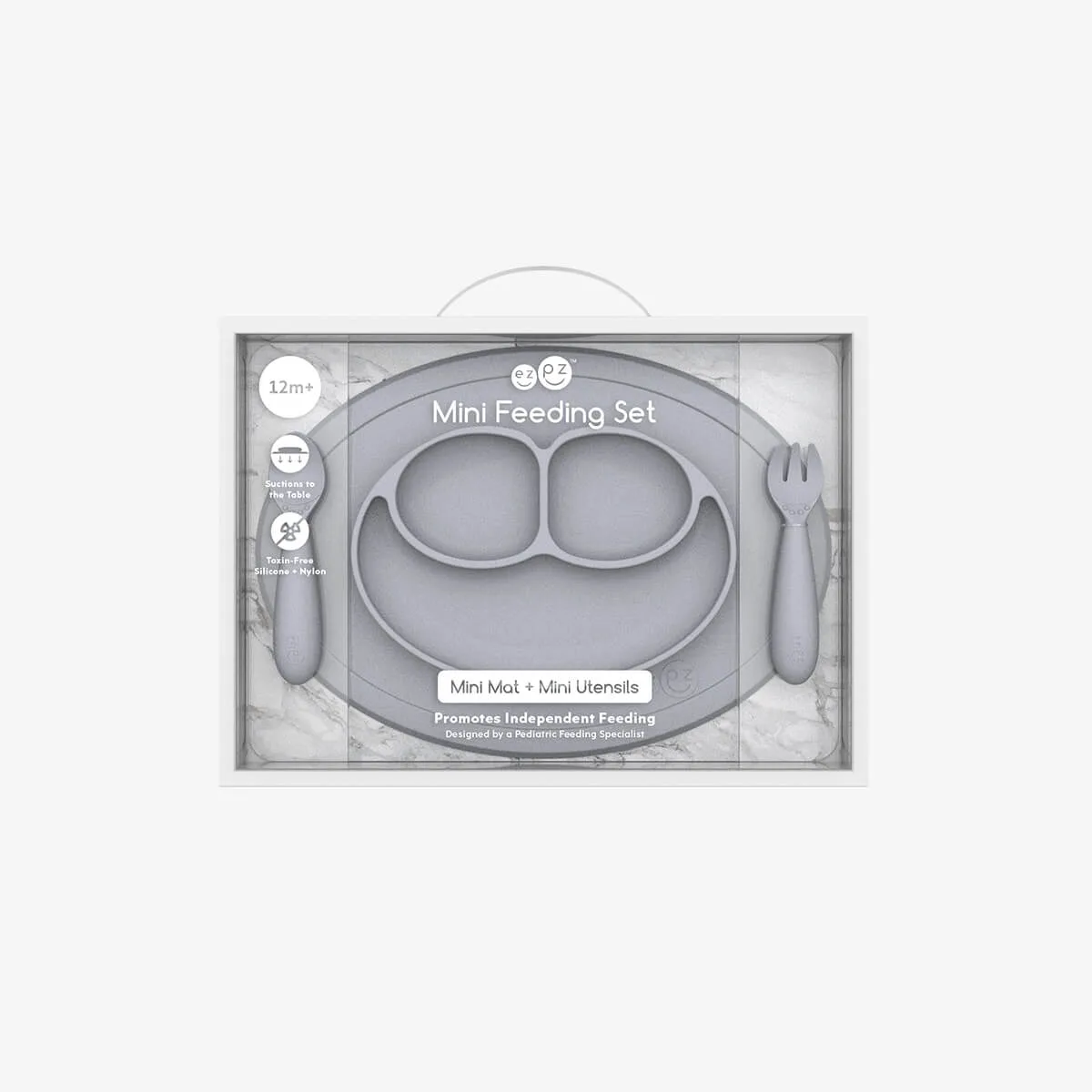
The utensils you choose matter. Short, chunky handles are easier for small hands to grip, and a spoon with a shallow bowl helps prevent overloading. A fork with rounded tines is safer for self-feeding. Avoid long, adult-sized utensils that can be hard to control. Also consider a stable plate or mat that won't slide around, so your toddler can focus on scooping rather than chasing the dish.
Practice techniques that work
Start with thick foods that cling to the spoon, like oatmeal, yogurt, or mashed sweet potato. These are easier to scoop and less likely to drip. For forks, try soft foods like banana slices, avocado, or cooked pasta. Hand-over-hand guidance can help: place your hand over your child's and gently guide the scooping motion. Then let them try alone. Praise effort, not just success, and keep mealtimes relaxed. If your toddler loses interest, try again another day.
Steps to teach your toddler to use a fork and spoon
- Step 1: Offer utensils at every meal: Place a spoon and fork next to your toddler's plate even if they don't use them. This builds familiarity and gives them the option to try. Common mistake: only offering utensils when you think they're ready. Exposure from the start makes a difference.
- Step 2: Model the motion: Show your toddler how you scoop with a spoon or pierce with a fork. Narrate what you're doing: 'I'm scooping the yogurt.' Checkpoint: your child watches and imitates your hand movement.
- Step 3: Start with thick foods: Use foods that stick to the spoon or are easy to pierce, like mashed potatoes, yogurt, or soft fruit. This reduces frustration. Common mistake: starting with thin liquids like soup, which are hard to scoop.
- Step 4: Guide hand-over-hand, then release: Gently place your hand over your child's to guide the scoop, then let them try alone. Gradually reduce your help. Checkpoint: your toddler attempts the motion without your hand guiding.
- Step 5: Celebrate effort, not just results: Praise any attempt, even if the food doesn't make it to the mouth. Keep mealtimes positive and pressure-free. Common mistake: correcting or rushing, which can make your toddler resistant.
- Step 6: Be consistent and patient: Offer utensils daily and allow extra time for meals. Skills build over weeks and months, not days. Next step: once your toddler scoops reliably, introduce a fork for soft foods.
Products that support utensil learning
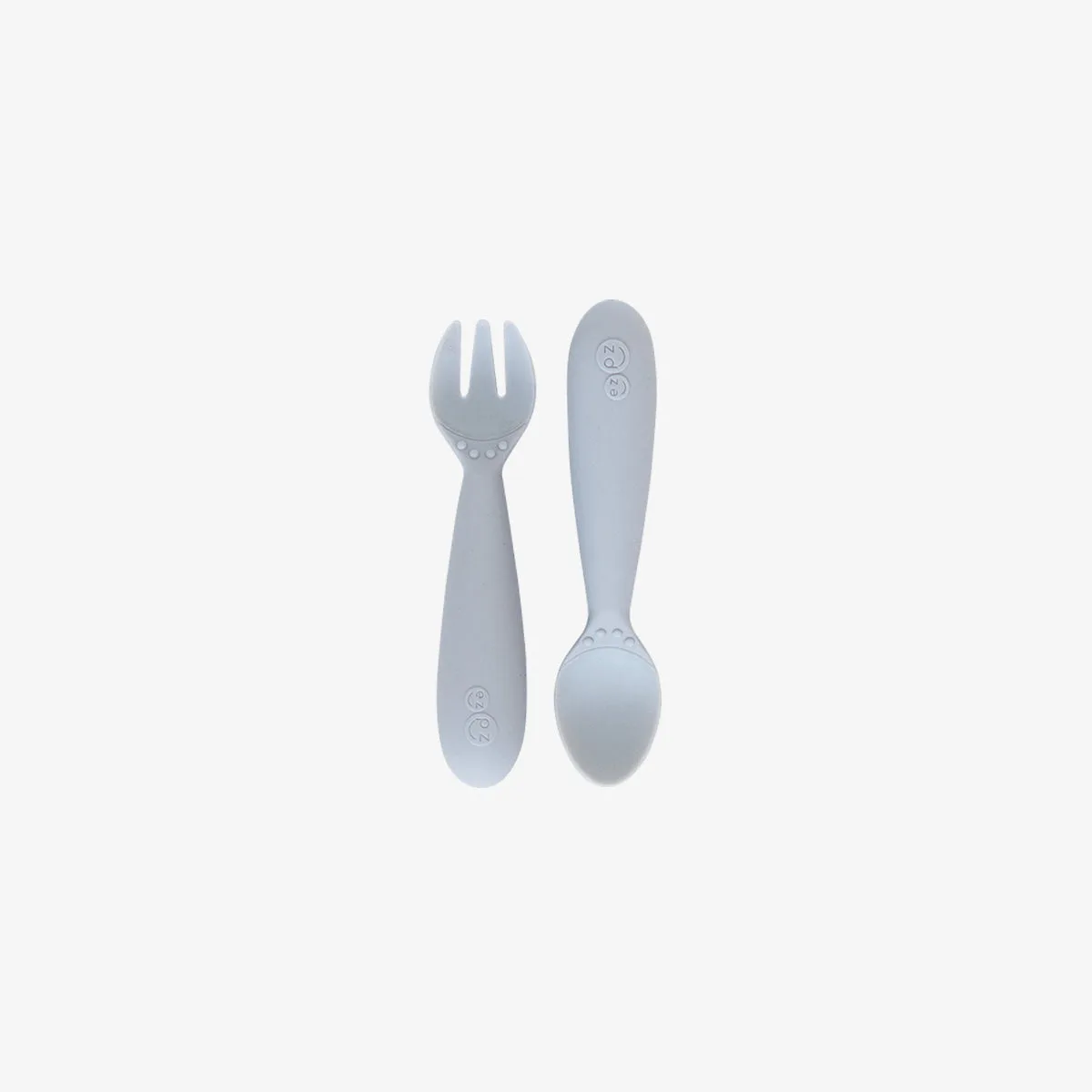
- Mini Utensils: The Mini Utensils are designed to help toddlers learn how to eat with a spoon (scooping) and fork (piercing). These utensils are specifically shaped for toddler hands and the two core motions they need to master, making practice more effective.
- Mini Utensils (5-Pack): The Mini Utensils (5-Pack) includes the same design in a larger set, ideal for multiple children or to keep a spare in the diaper bag. Having extras means you're never caught without a clean utensil, so practice can happen at every meal.