Introducing your toddler to chopsticks might seem daunting, but with the right tools and a playful approach, it can become an exciting milestone in their self-feeding journey. Training chopsticks are specially designed to make the learning process easy and fun for little hands, helping them develop fine motor skills, hand-eye coordination, and independence at the table.
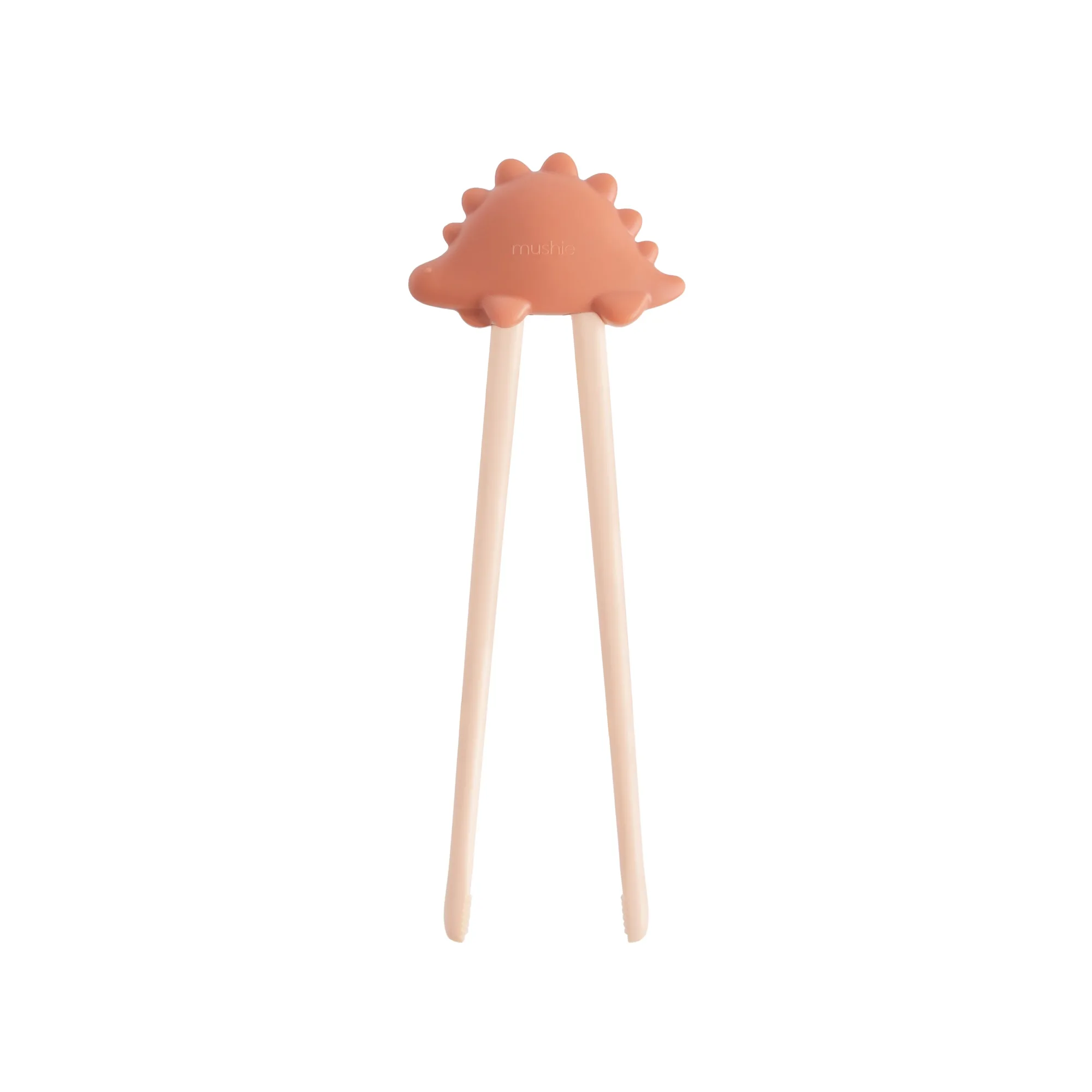
Training chopsticks
In this step-by-step guide, we'll walk you through everything you need to know—from choosing the best toddler chopsticks to turning practice into a game. Whether you're following baby-led weaning or simply want to expand your child's utensil skills, these tips will set you and your toddler up for success.
Why Introduce Training Chopsticks to Your Toddler?
Learning to use chopsticks is more than just a cultural skill; it's a fantastic way to boost your toddler's fine motor development. The pincer grip required to hold chopsticks strengthens the small muscles in their hands and fingers, which are essential for future tasks like writing, drawing, and buttoning clothes. Training chopsticks simplify this grip by connecting the two sticks with a flexible bridge or a finger loop, making it intuitive for small hands.
Beyond motor skills, using chopsticks encourages mindful eating. Toddlers tend to pick up smaller pieces of food one at a time, which can slow down their eating pace and help them recognize fullness cues. This utensil also adds an element of fun to mealtime, turning a routine activity into a playful challenge. Many parents find that their little ones are more willing to try new foods when they get to use a novel tool to pick them up.
- Start with soft, easy-to-pick foods like steamed vegetables, soft fruit slices, or pasta to build confidence.
Choosing the Right Training Chopsticks for Your Toddler
Not all training chopsticks are created equal, so selecting a pair that fits your child's age and skill level is crucial. Look for chopsticks made from food-grade silicone or BPA-free plastic, as these materials are gentle on gums and easy to clean. Many sets come with a removable bridge that keeps the sticks aligned, making it nearly impossible for a toddler to cross them incorrectly. Some designs also feature finger rings to guide proper placement.
For beginners, a pair with a soft, flexible bridge is ideal because it provides just enough resistance to help your child learn the squeezing motion without frustration. As your toddler gains confidence, you can remove the bridge or switch to a more advanced design. It's also wise to choose chopsticks with textured tips to prevent slippery foods from falling off. Remember, the goal is to make the experience positive, so pick a colorful or character-themed set that your child will be excited to use.
- Look for training chopsticks with a soft silicone bridge that can be removed as your child improves.
Step 1: Get Comfortable with the Grip
Before your toddler attempts to pick up food, let them explore the chopsticks while they're not eating. Show them how to hold the top stick like a pencil, resting it between their thumb and index finger, while the bottom stick stays stationary against the ring finger. With training chopsticks, the bridge or finger loops will naturally guide their fingers into the correct position. Demonstrate the motion of opening and closing the sticks without any food.
Make it a game by pretending the chopsticks are animal jaws or robot arms. Practice opening and closing them in the air, counting how many times they can do it in a row. This low-pressure practice helps your toddler build muscle memory and understand the basic mechanics before they have to focus on food. Keep sessions short—just two or three minutes—to maintain their interest and avoid frustration.
- Use silly sound effects like "chomp chomp" or "snap snap" to make the grip practice feel like playtime.
Step 2: Practice with Large, Soft Foods
Once your toddler is comfortable with the grip, it's time to introduce food. Start with large, soft items that are easy to spear or squeeze, such as steamed carrot sticks, banana slices, or cubes of avocado. Place a few pieces on a high-contrast plate or a silicone mat so they stand out. Sit beside your toddler and guide their hand gently, showing them how to position the chopsticks around a piece and squeeze gently to pick it up.
Celebrate every small success with enthusiastic praise, even if the food drops before reaching their mouth. Dropping is part of the learning process, so keep a relaxed attitude. If your toddler becomes frustrated, switch back to a spoon for that meal and try again later. Consistency is key, but forcing the issue can create negative associations. Aim for one or two practice sessions per week, gradually increasing as their skills improve.
- Avoid slippery or crumbly foods like grapes or crackers at first; stick with sticky rice or soft cheese cubes.
Step 3: Turn Mealtime into a Game
Toddlers learn best through play, so transform chopstick practice into an enjoyable activity. Create a "pick-up challenge" by placing a few different colored pieces of food on the plate and asking your toddler to pick up all the red pieces first, then the green ones. You can also use the chopsticks to build small towers of food or to transfer items from one bowl to another. These games keep the focus on fun rather than perfection.
Another idea is to involve their favorite toys. Pretend the chopsticks are a crane lifting food into a dump truck (their mouth). Or set up a tiny picnic for stuffed animals and have your toddler "feed" them using the chopsticks. The more you can integrate chopstick practice into imaginative play, the more naturally your child will adopt the skill. Remember to keep the atmosphere light and laugh together when food goes flying.
- Use a timer and see how many pieces of food your toddler can pick up in 30 seconds to add excitement.
Step 4: Gradually Increase Difficulty
As your toddler masters larger, softer foods, slowly introduce smaller and more challenging items. Try peas, corn kernels, or small pasta shapes. You can also transition from training chopsticks with a bridge to ones without, or to regular child-sized chopsticks. Watch for signs of readiness: if your toddler can consistently pick up soft foods without frustration, they're likely ready for a bigger challenge.
During this stage, encourage your toddler to use chopsticks for entire meals, but always have a backup spoon available. Some children will naturally prefer chopsticks, while others may need more time. Be patient and let your child set the pace. You can also model using chopsticks yourself during family meals, as toddlers love to imitate their parents. The more they see chopsticks as a normal part of eating, the more motivated they'll be to master them.
- Offer praise for effort, not just success—say "Great try!" even if the food drops.
Troubleshooting Common Challenges
If your toddler refuses to use chopsticks altogether, don't force it. Take a break for a week or two, then reintroduce them in a playful context without any pressure. Sometimes a new set of chopsticks with a favorite character or color can reignite interest. If your child struggles with the grip, check that the chopsticks are the right size—their hand should comfortably wrap around the top stick without stretching.
Another common issue is the chopsticks crossing or slipping. Ensure the bridge or finger loops are properly positioned, and that the chopsticks are clean and dry—moisture can cause them to stick together. If your toddler has trouble squeezing, choose chopsticks with a softer spring mechanism. Remember, every child develops at their own pace, so celebrate small victories and keep the experience positive.
- If your toddler is frustrated, switch to a fork for that meal and try chopsticks again another day.
Teaching your toddler to use training chopsticks is a rewarding journey that builds fine motor skills, patience, and mealtime confidence. With the right tools, a playful attitude, and plenty of encouragement, your little one will soon be picking up peas and pasta like a pro. Explore our collection of toddler-friendly utensils, including the Silicone Tea Play Set, to make every meal an adventure in learning and fun.
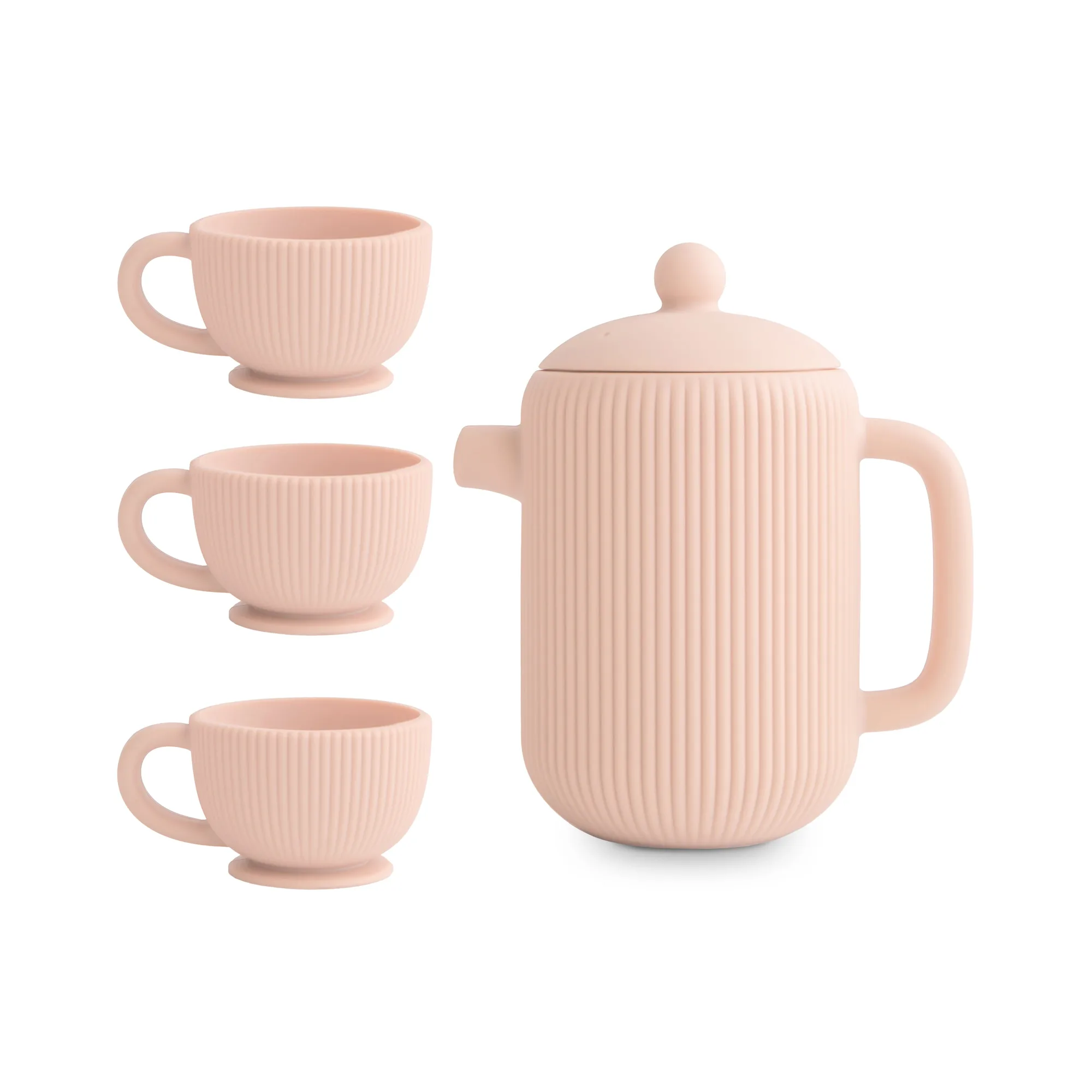
Silicone Tea Play Set