Hydration mixes have become a daily essential for athletes, busy professionals, and anyone looking to boost their water intake. But with so many colorful packets and powders on the shelf, it can be tough to know which ones are actually good for you. One of the biggest concerns is sugar content: is your hydration mix a healthy choice or just another sugary drink in disguise?
Many popular sports drinks pack 14 grams or more of sugar per serving, which can spike your blood sugar and leave you feeling sluggish. The good news is that not all hydration mixes are created equal. By learning to read labels and understand what your body really needs, you can find a low sugar hydration option that supports your health without the extra calories.
Why Sugar in Hydration Mixes Matters
Sugar is often added to hydration mixes to improve taste and provide quick energy. However, too much sugar can counteract the very benefits of hydration. High sugar intake can lead to inflammation, blood sugar crashes, and even dehydration because sugar draws water out of your cells. For everyday hydration, you want just enough sugar to aid electrolyte absorption—not enough to cause a sugar rush.
The World Health Organization recommends limiting added sugar to less than 10% of your daily calories, ideally below 5% for additional health benefits. For a 2,000-calorie diet, that means no more than 25 grams of added sugar per day. A single serving of a high-sugar hydration mix could take up half of that allowance, making it hard to stay within healthy limits if you drink multiple servings a day.
- Look for hydration mixes with 5 grams of sugar or less per serving for everyday use.
- If you're using a mix during intense exercise lasting over an hour, a bit more sugar can be beneficial for energy.
How to Read a Hydration Mix Nutrition Label
The first step to choosing a healthy hydration mix is learning to read the label. Check the serving size first—some brands list small servings to make the sugar appear lower. Then look at the 'Added Sugars' line, which shows how much sugar was added beyond what occurs naturally. For a truly low sugar option, you want zero or very low added sugars.
Also check the type of sweetener used. Some mixes use artificial sweeteners like sucralose or aspartame, which may cause digestive discomfort in some people. Others use natural sweeteners like stevia or monk fruit, which have zero calories and don't spike blood sugar. The best hydration mixes balance a clean ingredient list with effective electrolyte levels.
- Avoid mixes where sugar is one of the first three ingredients.
- Stevia and monk fruit are safe, natural alternatives to sugar.
The Ideal Sugar Range for Hydration Mixes
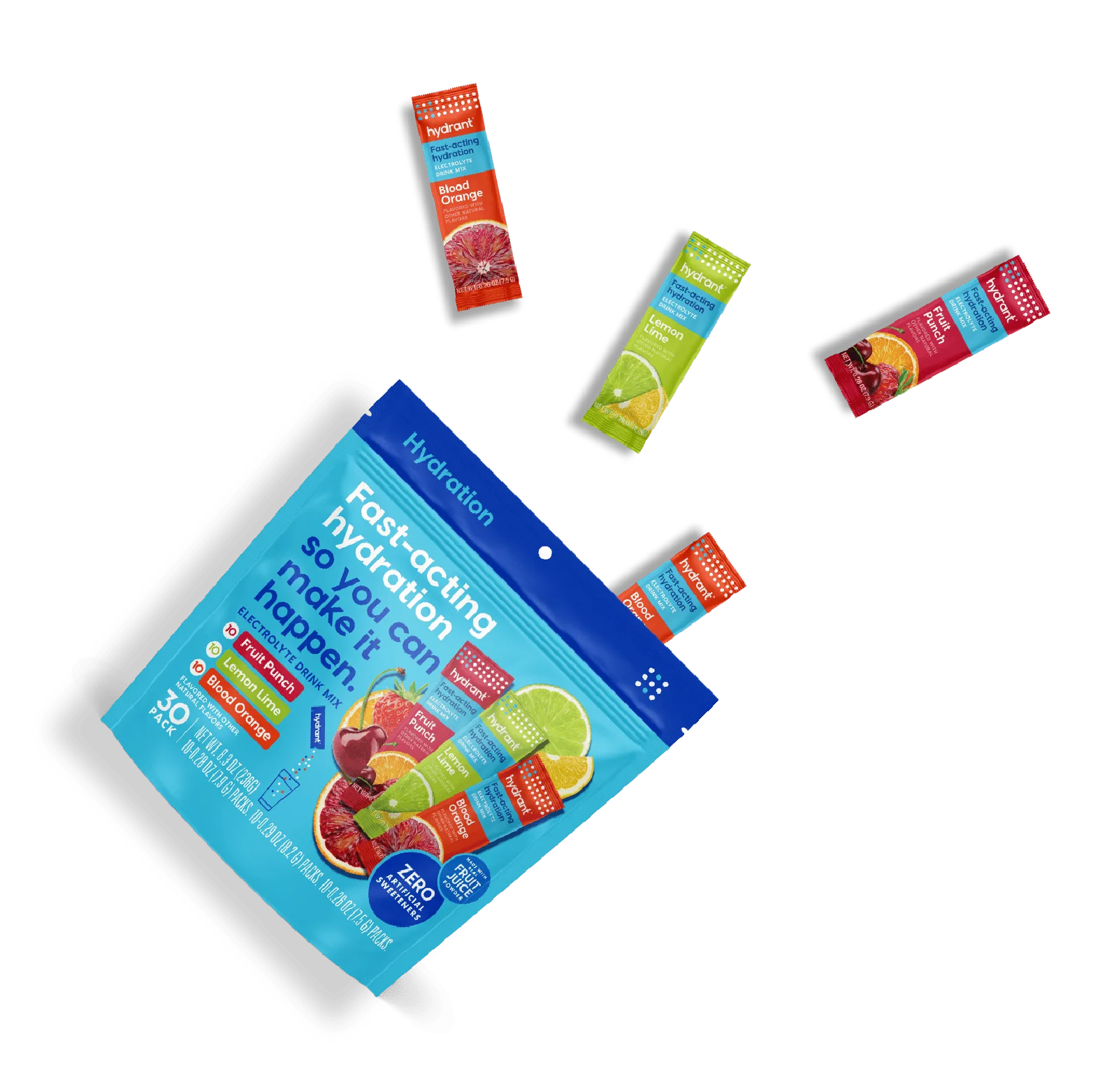
For most people, a hydration mix should contain between 0 and 5 grams of sugar per serving. This small amount is enough to help your body absorb electrolytes without overloading your system. Products like Hydrant HYDRATE are designed with this exact balance in mind, using real fruit juice for flavor while keeping sugar low. If you're using a mix for daily hydration at work or home, stick to the low end of this range.
For athletes or anyone exercising for more than an hour in hot conditions, a slightly higher sugar content (up to 14 grams per serving) can help replenish glycogen stores. However, even in those cases, it's wise to choose a mix with natural sugars rather than high-fructose corn syrup. The key is to match your sugar intake to your activity level.
- Daily hydration: 0–5 grams of sugar per serving.
- Post-workout or prolonged exercise: up to 14 grams of sugar from natural sources.
Comparing Popular Hydration Mixes: Sugar Content at a Glance
To help you make an informed choice, here's a quick comparison of sugar content in common hydration products. Remember that your personal health goals and activity level should guide your decision.
This table shows how different options stack up. Notice that many traditional sports drinks contain 14 grams or more of sugar, while modern hydration mixes like Hydrant offer much lower levels without sacrificing effectiveness.
- Hydrant HYDRATE: 3g sugar per serving (low sugar, real fruit juice)
- Leading sports drink: 14g sugar per serving (high sugar, artificial colors)
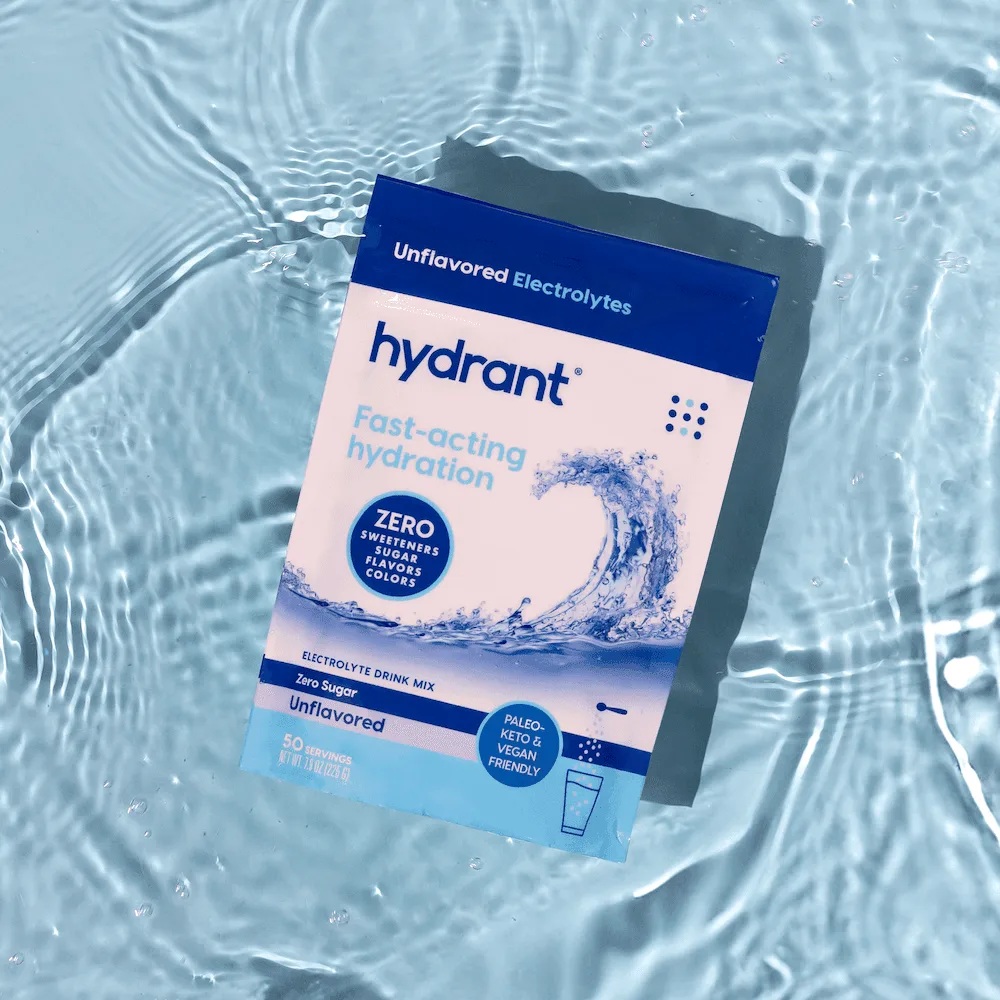
- Unflavored electrolyte powders: 0g sugar (no flavor, no sugar)
How to Choose a Low Sugar Hydration Mix That Works
When shopping for a hydration mix, start by identifying your primary need. For daily hydration, look for a product with a short ingredient list, low sugar, and balanced electrolytes like sodium, potassium, and magnesium. If you want immune support, consider a mix that includes vitamin C and zinc without extra sugar. Hydrant IMMUNITY is a great example—it combines hydration with elderberry and more vitamin C than six oranges, all with minimal sugar.
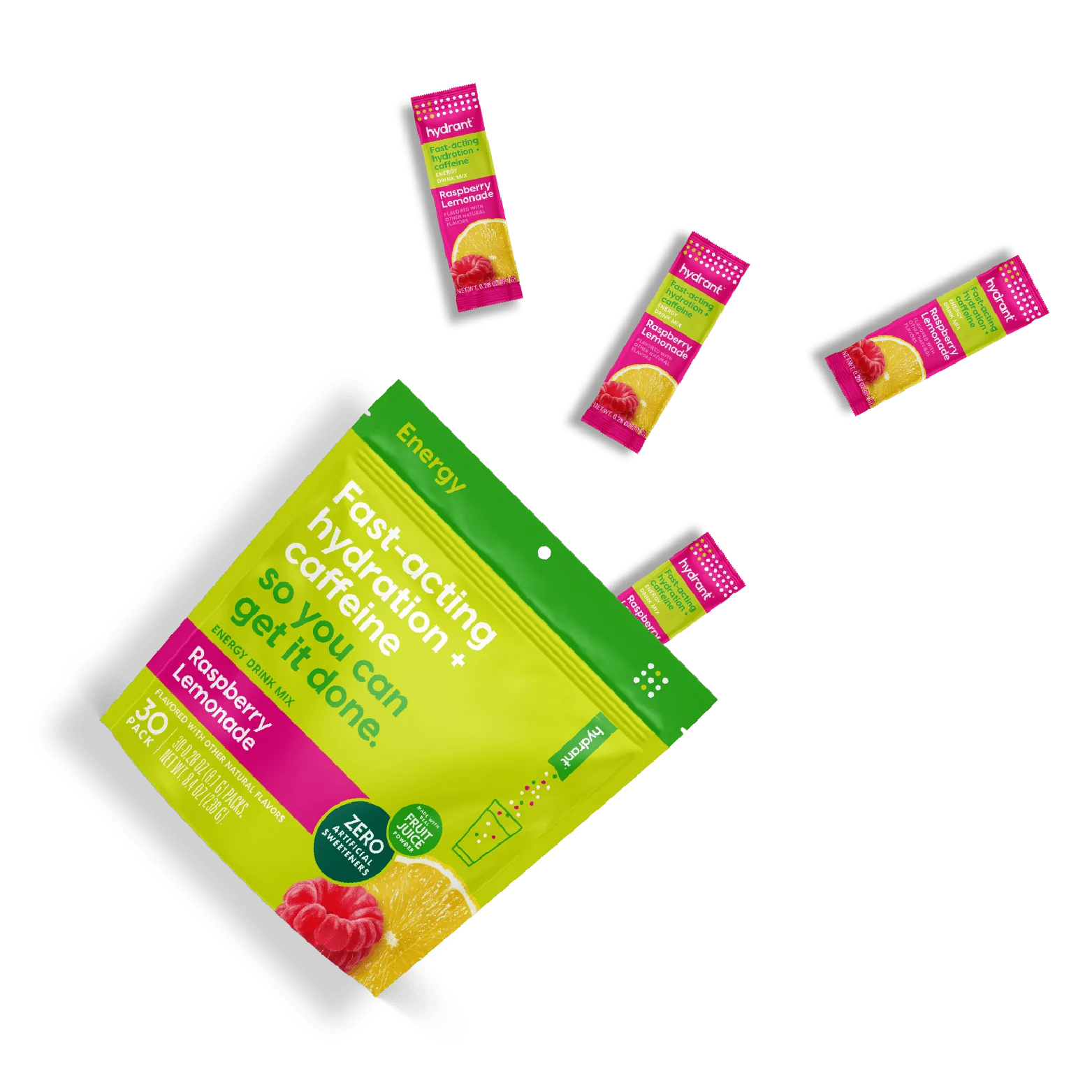
For those who want a gentle energy boost without jitters, a mix with caffeine and L-theanine can be a smart choice. Hydrant ENERGY delivers jitter-free caffeine alongside electrolytes, making it a low sugar alternative to sugary energy drinks. Always check the label to ensure the sugar content aligns with your health goals.
- For daily use: choose 0–5g sugar, clean ingredients, and balanced electrolytes.
- For specific needs: look for targeted formulas like immunity or energy with low sugar.
Signs Your Current Hydration Mix Has Too Much Sugar
If you're not sure whether your current hydration mix is too sugary, pay attention to how you feel after drinking it. Common signs of excess sugar include a rapid energy spike followed by a crash, bloating, brain fog, and increased thirst. If you experience any of these symptoms, your mix might be doing more harm than good.
Another telltale sign is the taste: if your drink is extremely sweet, it likely contains a lot of sugar or artificial sweeteners. A well-formulated hydration mix should have a mild, pleasant flavor—not a cloying sweetness. Switching to a low sugar option like Hydrant can help you feel more balanced and hydrated throughout the day.
- Energy crashes after drinking your mix? Check the sugar content.
- Persistent bloating or thirst may indicate too much sugar or artificial sweeteners.
Choosing the right hydration mix doesn't have to be complicated. By focusing on low sugar content, clean ingredients, and electrolytes that match your lifestyle, you can stay hydrated without the downsides of excess sugar. Explore Hydrant's range of low sugar hydration mixes—from the original Hydrate to targeted formulas for sleep, immunity, and energy—and find the perfect fit for your daily routine.