Omega 3 fish oil is one of the most popular supplements worldwide, praised for its benefits to heart, brain, and joint health. But not all fish oil is created equal. The market is flooded with products that vary widely in purity, freshness, and potency. Choosing a low-quality fish oil can not only waste your money but may also expose you to oxidized fats and contaminants that do more harm than good.
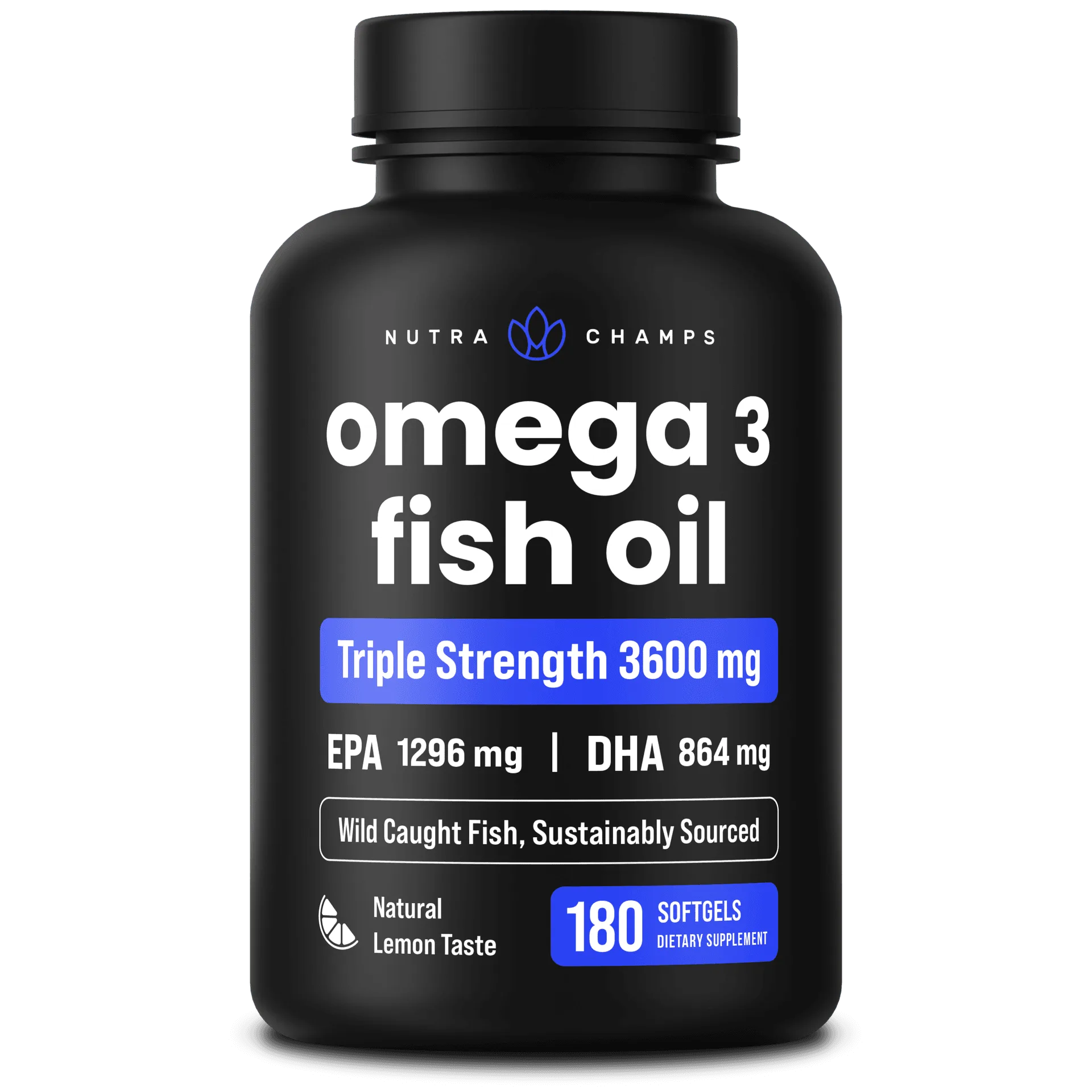
Omega 3 fish oil
In this buying guide, we’ll walk you through the key indicators of high-quality omega 3 fish oil. From understanding labels and third-party testing to checking freshness and sourcing, you'll learn exactly what to look for to make an informed choice. Whether you're a seasoned supplement user or a first-time buyer, these tips will help you select a fish oil that delivers real benefits.
Why Quality Matters in Omega 3 Fish Oil
Fish oil is derived from fatty fish like anchovies, sardines, and mackerel. The two main omega 3 fatty acids, EPA and DHA, are responsible for most of the health benefits. However, these polyunsaturated fats are highly susceptible to oxidation. When exposed to heat, light, or oxygen, they can become rancid, producing harmful free radicals that can actually increase inflammation in the body. High-quality fish oil is carefully processed to minimize oxidation and preserve the integrity of the fatty acids.
Moreover, fish can accumulate heavy metals, PCBs, and other environmental toxins. A reputable manufacturer uses purification processes like molecular distillation to remove these contaminants. Without such steps, you might be ingesting pollutants along with your omega 3s. Therefore, quality control is not just a marketing term—it's a matter of safety and efficacy.
- Look for brands that prioritize purity and freshness to ensure you get the benefits without the risks.
Check for Third-Party Testing and Certifications
One of the most reliable ways to verify the quality of a fish oil supplement is to look for third-party testing. Independent laboratories analyze products for purity, potency, and contaminants, and they provide seals of approval like NSF International, USP, or ConsumerLab. These certifications mean that the product has been tested by an unbiased organization and meets strict quality standards.
When reading the label, look for a statement about third-party testing or a certification seal. Some brands also provide batch-specific certificates of analysis (COAs) on their websites, which show the exact levels of EPA, DHA, heavy metals, and oxidation markers like TOTOX. If a brand is transparent about these results, it's a good sign of quality. For example, Saw Palmetto is a supplement that also benefits from quality testing, but for omega 3, always check for the seals.
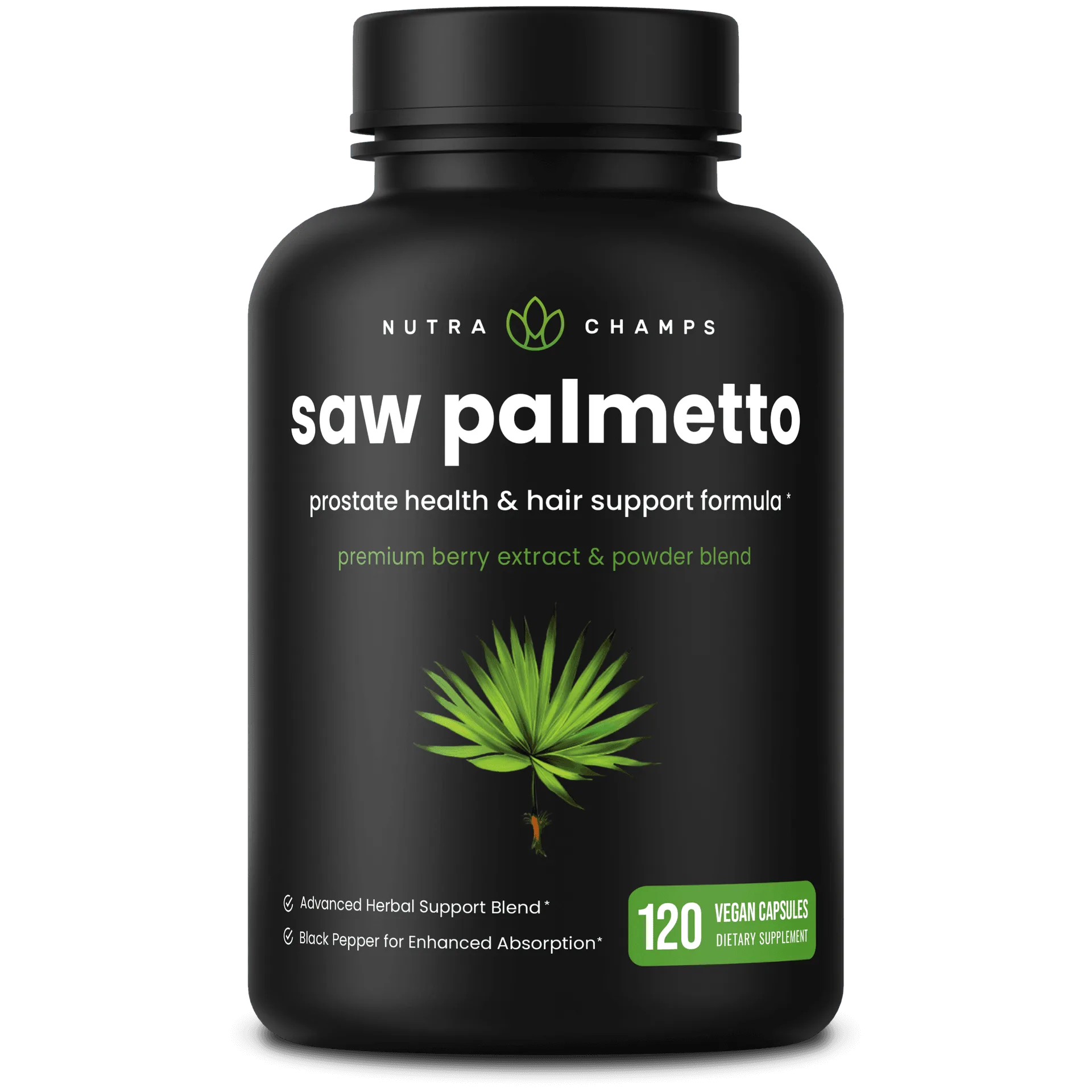
Saw Palmetto
- Always look for a seal from an independent testing organization.
- Check the brand's website for batch-specific COAs.
Read the Label: What to Look For
The label on a fish oil bottle can tell you a lot about its quality. First, check the amounts of EPA and DHA. High-quality fish oil clearly states the milligrams of EPA and DHA per serving, not just the total fish oil content. A typical therapeutic dose is 500-1000 mg of combined EPA and DHA per day. Also, look for the form of the omega 3: triglycerides (TG), ethyl esters (EE), or re-esterified triglycerides (rTG). Triglyceride forms are more natural and better absorbed than ethyl esters.
Another important factor is the freshness indicators. Look for the terms 'peroxide value' and 'TOTOX' on the label or the brand's website. These measure oxidation. Lower values indicate fresher oil. Additionally, check the expiration date and choose a product that is not close to expiring. Some brands also add antioxidants like vitamin E or rosemary extract to help maintain freshness.
- Ensure the label lists EPA and DHA amounts clearly.
- Prefer triglyceride forms for better absorption.
- Look for low peroxide and TOTOX values.
Sourcing and Sustainability
The source of the fish used to make the oil is another indicator of quality. Wild-caught, small fish like anchovies and sardines are generally lower in contaminants than larger predatory fish. Look for brands that specify the species and the fishing location. Sustainable sourcing is also important for the environment. Certifications like MSC (Marine Stewardship Council) or Friend of the Sea ensure that the fish are harvested responsibly.
Some brands also offer fish oil from specific regions, like the pristine waters of Norway or Alaska. While sourcing doesn't directly affect the oil's chemical quality, it does affect the risk of contamination. High-quality brands are often transparent about their sourcing practices, so don't hesitate to contact customer support if the information is not on the label.
- Choose fish oil from small, wild-caught fish.
- Look for sustainability certifications like MSC.
Freshness: The Smell and Taste Test
A simple way to gauge the freshness of your fish oil is to open the bottle and smell it. High-quality fish oil should have a mild, slightly fishy odor, but it should not be overwhelmingly rancid. If it smells like rotting fish, it's likely oxidized and should be discarded. Some brands add natural flavorings like lemon or peppermint to mask the taste, but this can also hide rancidity, so rely on the smell and the oxidation numbers.
Another trick is to break open a softgel and taste the oil. It should be fresh and not cause a fishy aftertaste or burps. If you experience 'fish burps,' it might be a sign of poor quality or improper processing. High-quality fish oil is often enteric-coated or in triglyceride form to minimize this issue. Remember, you can also consider alternative omega 3 sources like algae oil, but fish oil remains the most common.
- Trust your nose: a strong rancid smell is a red flag.
- Avoid fish burps by choosing high-quality, purified oils.
Compare with Other Supplements: What to Look For in a Brand
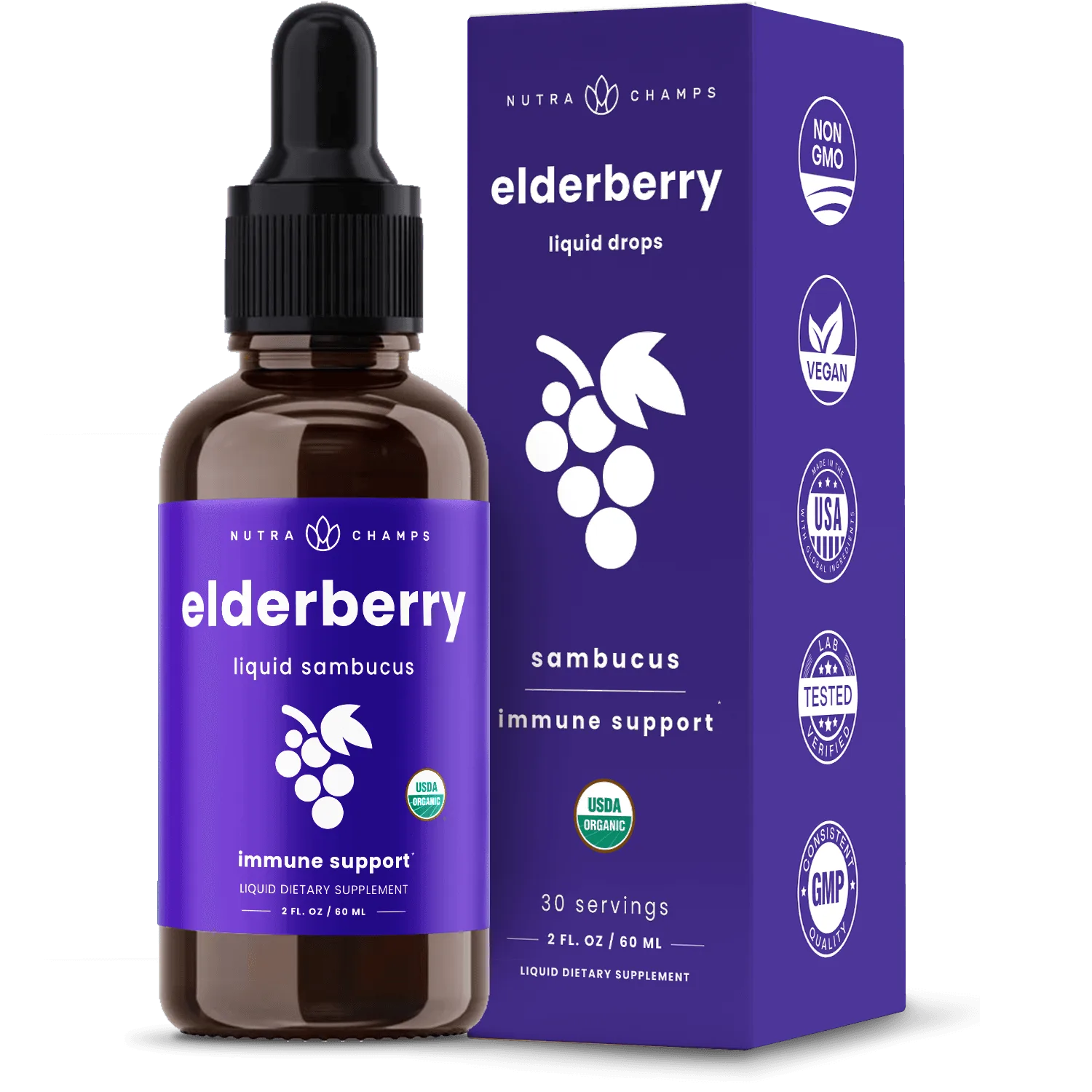
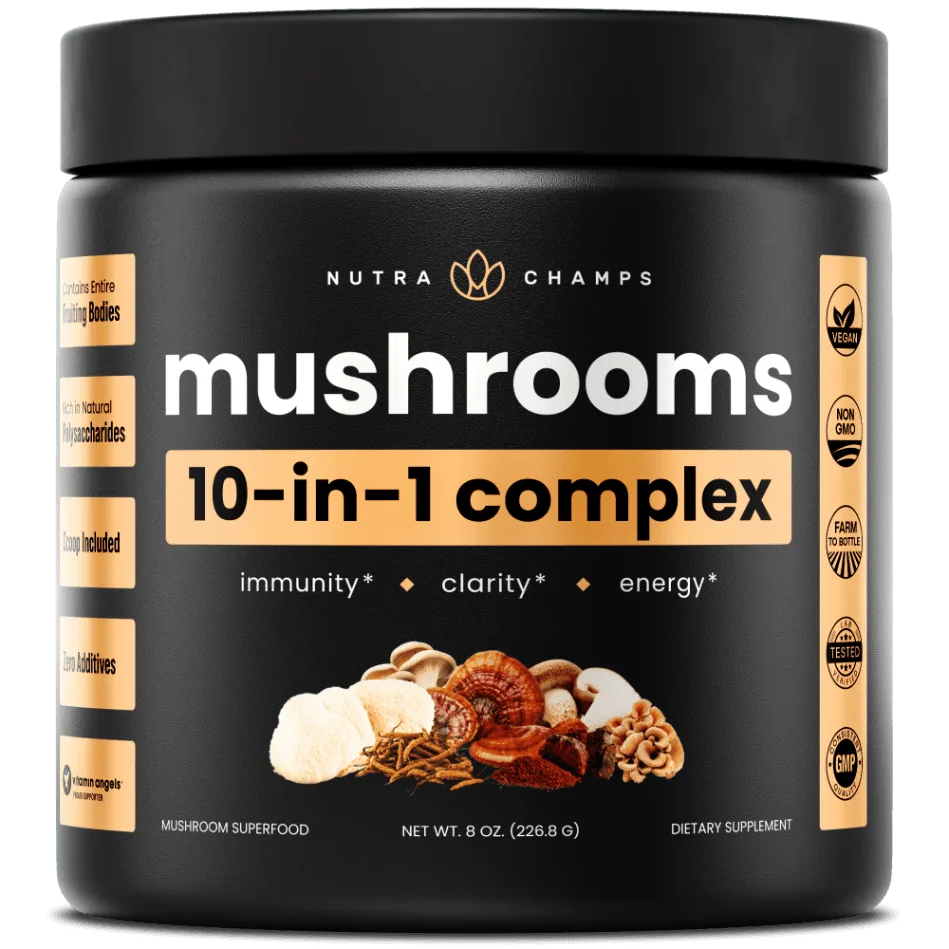
When evaluating a fish oil brand, it's helpful to compare it with other supplements you trust. A brand that invests in quality for one product likely does the same for others. For instance, if you already use Elderberry Drops for immune support and appreciate their quality, you might have more confidence in their fish oil. Similarly, Mushroom Complex from a reputable brand can indicate a commitment to high standards.
Look for brands that provide detailed product information, have a responsive customer service team, and are transparent about their manufacturing processes. Avoid brands that make exaggerated health claims or use vague marketing language. A trustworthy brand will be happy to answer your questions about sourcing, testing, and processing.
- Consider the brand's reputation across its product line.
- Look for transparency in labeling and customer support.
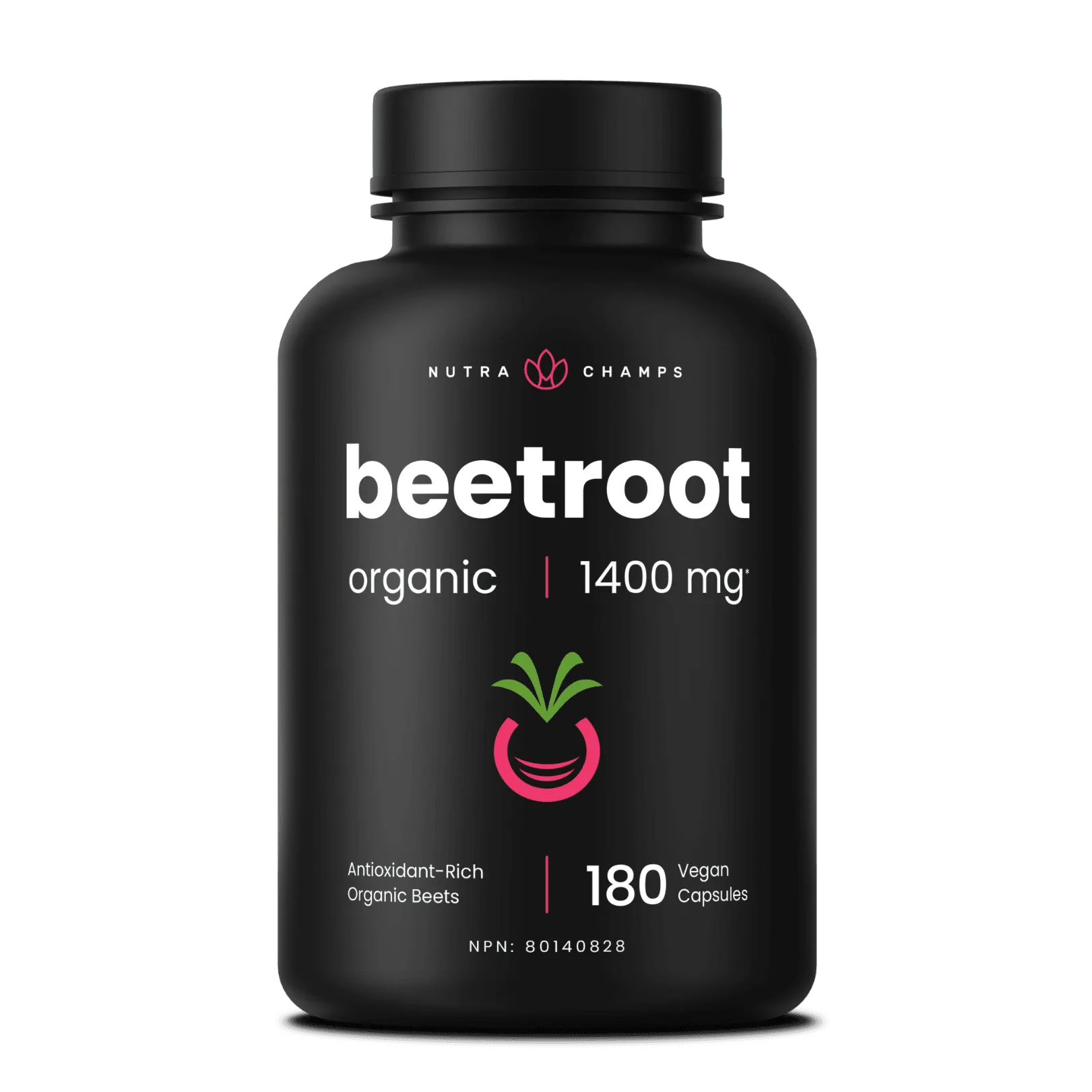
Choosing a high-quality omega 3 fish oil is essential for getting the health benefits without the risks. By checking for third-party testing, reading labels carefully, and trusting your senses, you can make an informed decision. Remember to prioritize purity, freshness, and sustainability. For a reliable option, consider exploring Beet Root Capsules from NutraChamps, a brand known for its commitment to quality. But for omega 3 specifically, always apply these criteria to ensure you're getting the best.