Quick Answer
Replace a bra when the band rides up on the loosest hook, the cups wrinkle or gap without weight change, a wire has snapped or poked through, or the elastic has lost its snap. If the bra is under a year old and only slightly loose, try the tightest hook first. If it is stretched, torn, or unsupportive on the tightest hook, it is done.
A bra that fit perfectly last year can quietly stop doing its job. The fabric relaxes, the elastic fatigues, and suddenly you are tugging at the band all day without realizing why. Knowing when to replace a bra saves you from daily discomfort and from blaming your body for a garment that has simply worn out.
This guide separates the symptom from the cause, tells you what you can fix, and marks the point where it is time to let a bra go. It also explains how construction choices, like mesh versus lace, affect how long a style holds its shape.
Start With the Band, Not the Cups
The band does most of the supporting work, so it is usually the first part to fail. Put the bra on and fasten it on the loosest hook. If the band climbs up your back when you raise your arms, the elastic has stretched beyond recovery. A new bra should feel snug on the loosest hook so you have room to tighten it as the elastic relaxes over time.
If the band only feels loose on the loosest setting, move to the middle or tightest hook before you replace anything. That is what the extra hooks are for. When the tightest hook still leaves the band riding up, the elastic is done and no alteration will bring it back.
- Band rides up on the loosest hook: normal aging, switch to a tighter hook.
- Band rides up on the tightest hook: replace the bra.
- Band digs in but still rides up: the size or style is wrong, not just worn out.
Cup Changes That Signal Wear
Cups that suddenly wrinkle, gap, or let you spill over usually mean the fabric has lost its shape or the band has stretched enough to change how the cups sit. If your weight and size have not changed, the bra has. A cup that used to lie flush and now floats away from your ribcage is not going to recover with washing.
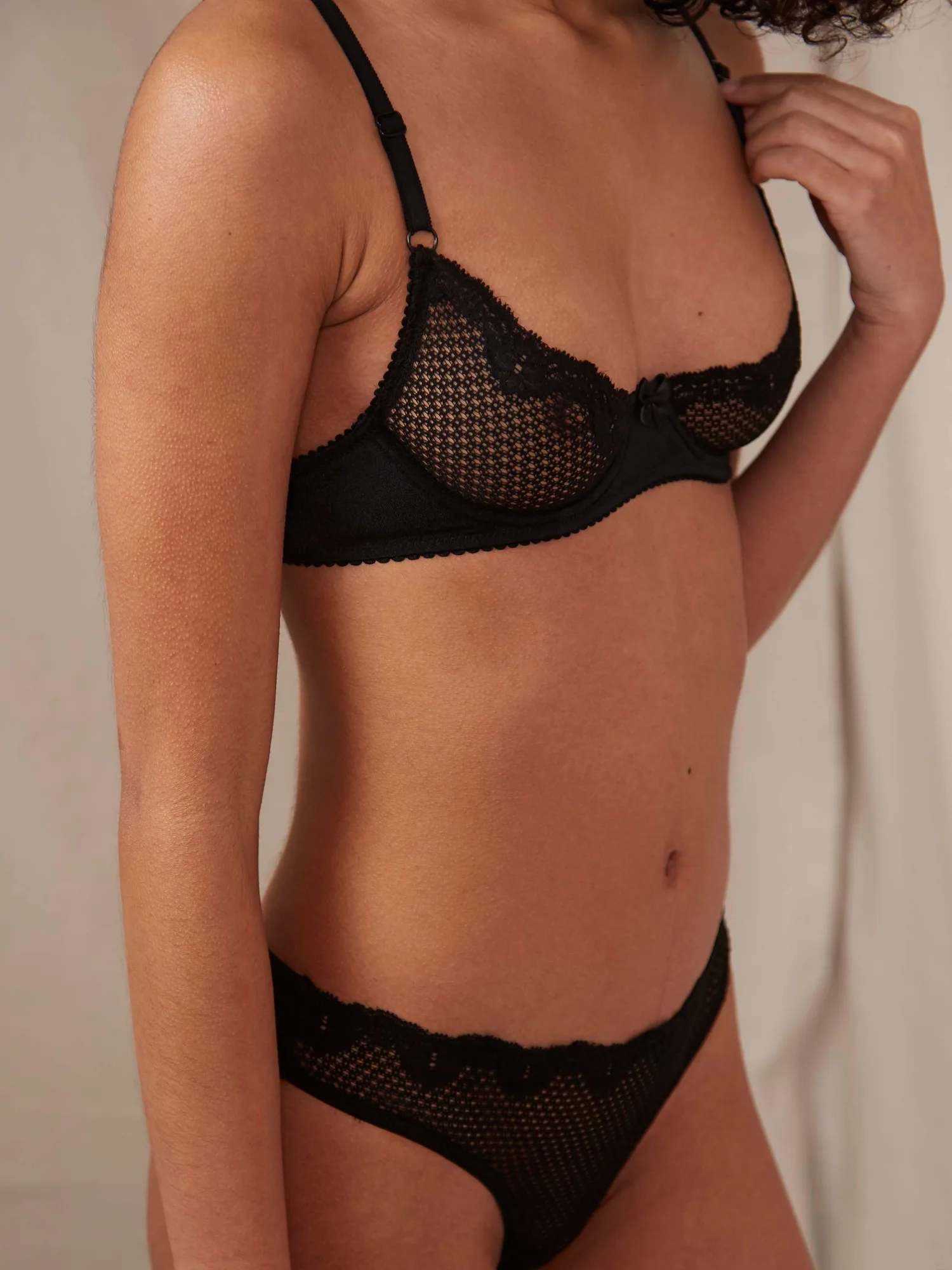
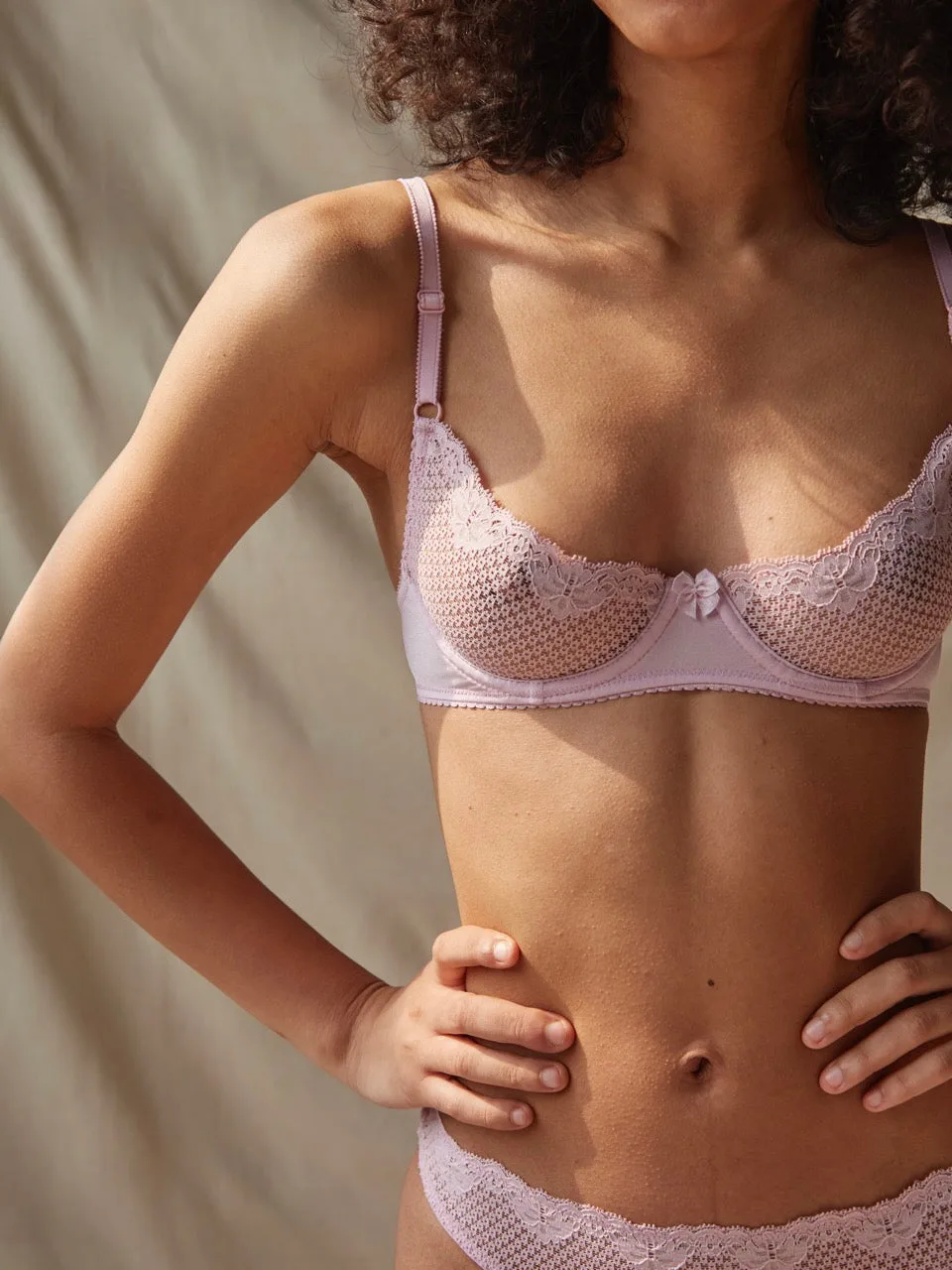
Some fabrics hold shape better than others. A single-panel lace cup, like the one on the https://timpalingeriecn.com/products/alice-demi-bra-classic-455b5fee92a8684fa62536f1-1422753Alice Demi Bra - Classic, has no middle seam to rub or distort, which helps it keep a smooth line. A double-layered mesh cup, like the Natacha Demi bra, uses two sheer layers for strength without foam, so it can stay supportive even as it stays lightweight.
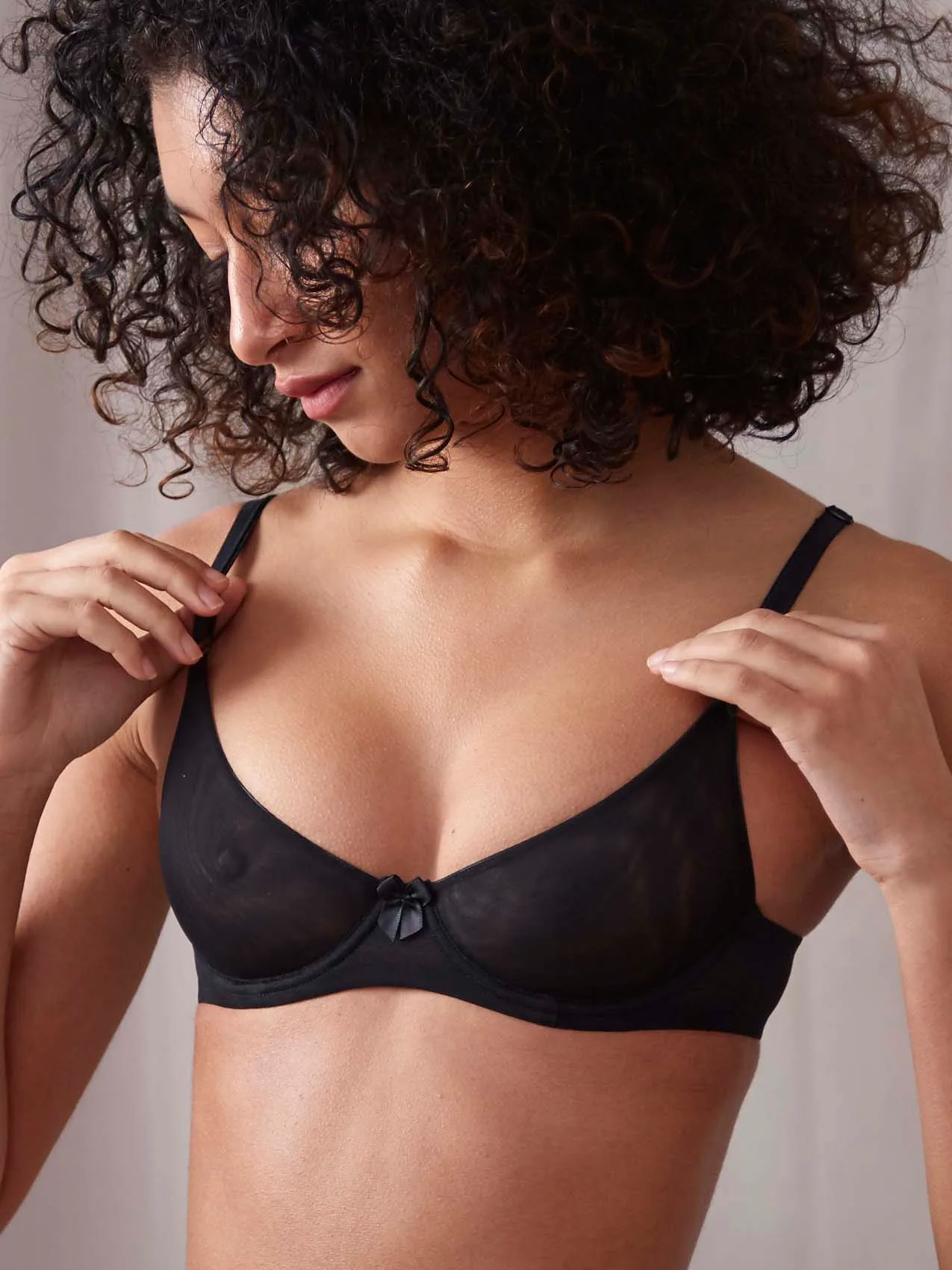
Natacha Demi bra
- Wrinkled cups with a stable band: the cup fabric has stretched or lost recovery.
- Gapping only on one side: check the strap and hook position before replacing.
- Persistent spillover after adjusting: the cup size or shape no longer works.
Hardware, Wires, and Straps
A wire that has snapped, bent, or poked through the channel is a safety issue, not a fit issue. Stop wearing that bra immediately, because a broken wire can scratch or bruise. Straps that no longer stay adjusted, hooks that bend open, or sliders that slip are smaller failures, but they usually mean the bra is near the end of its useful life.
If you love the fit and only the strap or hook is failing, a repair can be worth it. If the wire has broken through the fabric or the channel is torn, replacement is the better choice. Do not try to push a wire back into a torn channel and keep wearing it.
- Broken or exposed wire: retire the bra now.
- Slipping straps: try tightening the slider first, then replace if it will not hold.
- Bent hooks: replace, since they can pop open during the day.
How Long a Bra Should Last
There is no universal expiration date, because bra lifespan depends on how often you wear it, how you wash it, and what it is made of. A bra worn twice a week and hand washed will outlast one worn daily and tossed in a machine. Rotating several bras gives each one time to recover its elastic between wears.
As a practical benchmark, expect a daily-wear bra to show real wear within a year, and a bra in a larger rotation to last longer. If you are replacing bras every few months, the problem may be care rather than quality. Machine washing, hot water, and the dryer are the fastest ways to kill elastic.
- Rotate at least three bras if you wear one every day.
- Hand wash in cool water and air dry to extend elastic life.
- Replace any bra that fails the band test, regardless of age.
When to Repair, Retire, or Buy New
Repair makes sense for a loose hook, a stretched strap, or a small seam opening. Retire the bra when the band elastic is dead, the cups have lost their shape, or the wire has broken. Buy new when the style itself no longer suits your needs, such as moving from a padded style to an unlined one for a softer everyday feel.
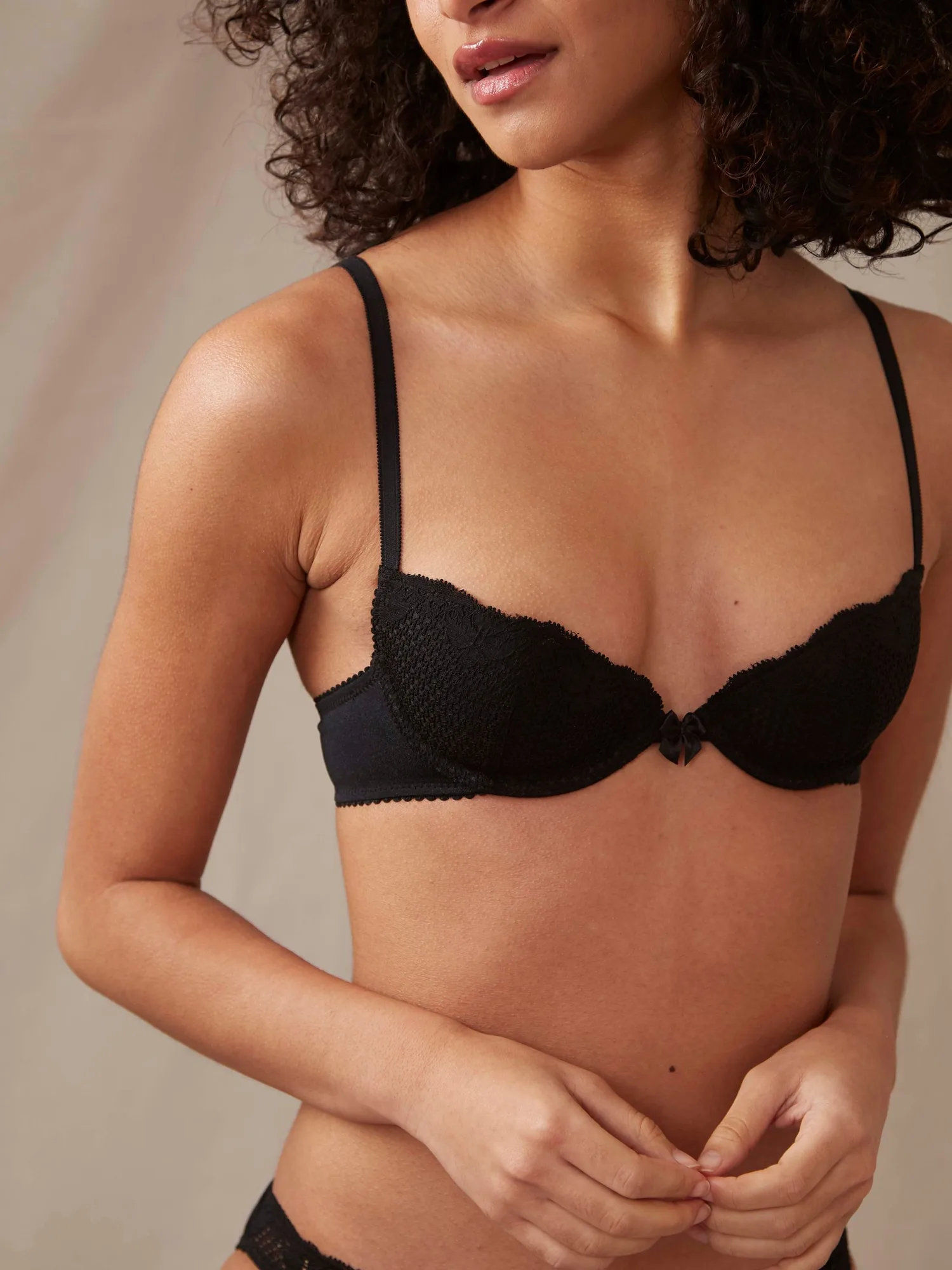
If you are replacing a padded bra because the padding has flattened, look at what the padding was doing for you. The https://timpalingeriecn.com/products/alice-padded-bra-sale-d6e45b30008bb727ed068fbf-1422752Alice Padded Bra - Sale is designed for smaller busts in A-C cups, using light foam to create a smooth, rounded shape without gapping. If you want the same lift with no foam at all, a mesh or lace demi gives you that option.
- Repair: hooks, straps, minor seams, and hardware.
- Retire: dead elastic, distorted cups, broken wires.
- Buy new: your shape, size, or preferred level of padding has changed.
Bra Replacement Diagnosis
- Band rides up on the loosest hook: The elastic has relaxed. Fasten on a tighter hook and recheck the fit. If it still rides up on the tightest hook, replace the bra.
- Cups wrinkle or gap without weight change: The cup fabric or band has stretched and changed how the cups sit. Adjust straps and hooks first; if the gap remains, it is time for a new bra.
- Wire snaps, bends, or pokes through: This is a structural failure and a safety risk to your skin. Stop wearing it immediately and replace it rather than repairing.
- Straps slip or hooks bend open: Hardware has worn out, but the rest of the bra may still be sound. Repair if you love the fit; replace if the hardware keeps failing.
How Construction Affects Replacement Timing
- Alice Demi Bra - Classic: Cups are crafted from a single panel of incredibly soft lace, eliminating uncomfortable middle seams, with a soft underwire and gentle lift without padding. Fewer seams mean fewer stress points, so the cup is less likely to distort or rub as it ages, which can extend useful wear.
- Natacha Demi bra: Double-layered lightweight mesh creates a moiré visual effect and offers strength without foam padding, sitting flush for a smooth line. Two layers of mesh can hold shape better than a single thin layer, so this style may keep its support longer if you want an unlined everyday bra.
- Alice Padded Bra - Sale: Designed for smaller busts (A-C cups) with light foam padding and a delicate crochet lace overlay for a smooth, rounded shape without gapping. If your old padded bra has flattened, this style shows what light foam is meant to do, and it is final sale, so confirm your size before ordering.
A bra does not have to look torn to be finished. Check the band on its loosest hook, watch for cups that no longer lie flush, and treat any broken wire as an immediate retirement. When you replace, choose a construction that matches how you want the bra to feel, and care for it so the next one lasts longer.