Your LifeStraw water filter is a lifeline when you're hiking, camping, or traveling off-grid. But how do you know it's still working at its best? Over time, filters can clog, seals can fail, or internal components can degrade—especially after heavy use or freezing conditions. Knowing how to test your LifeStraw filter performance is essential for safety and peace of mind.
This DIY field guide will walk you through simple, no-tools-required tests you can perform anywhere. From checking flow rate to verifying seal integrity, these methods help confirm your filter is still removing bacteria, protozoa, and sediment. Whether you carry a LifeStraw Go Series 22 oz bottle or a larger LifeStraw Peak Series Gravity Filter System – 8L for group trips, these tests apply to most models.
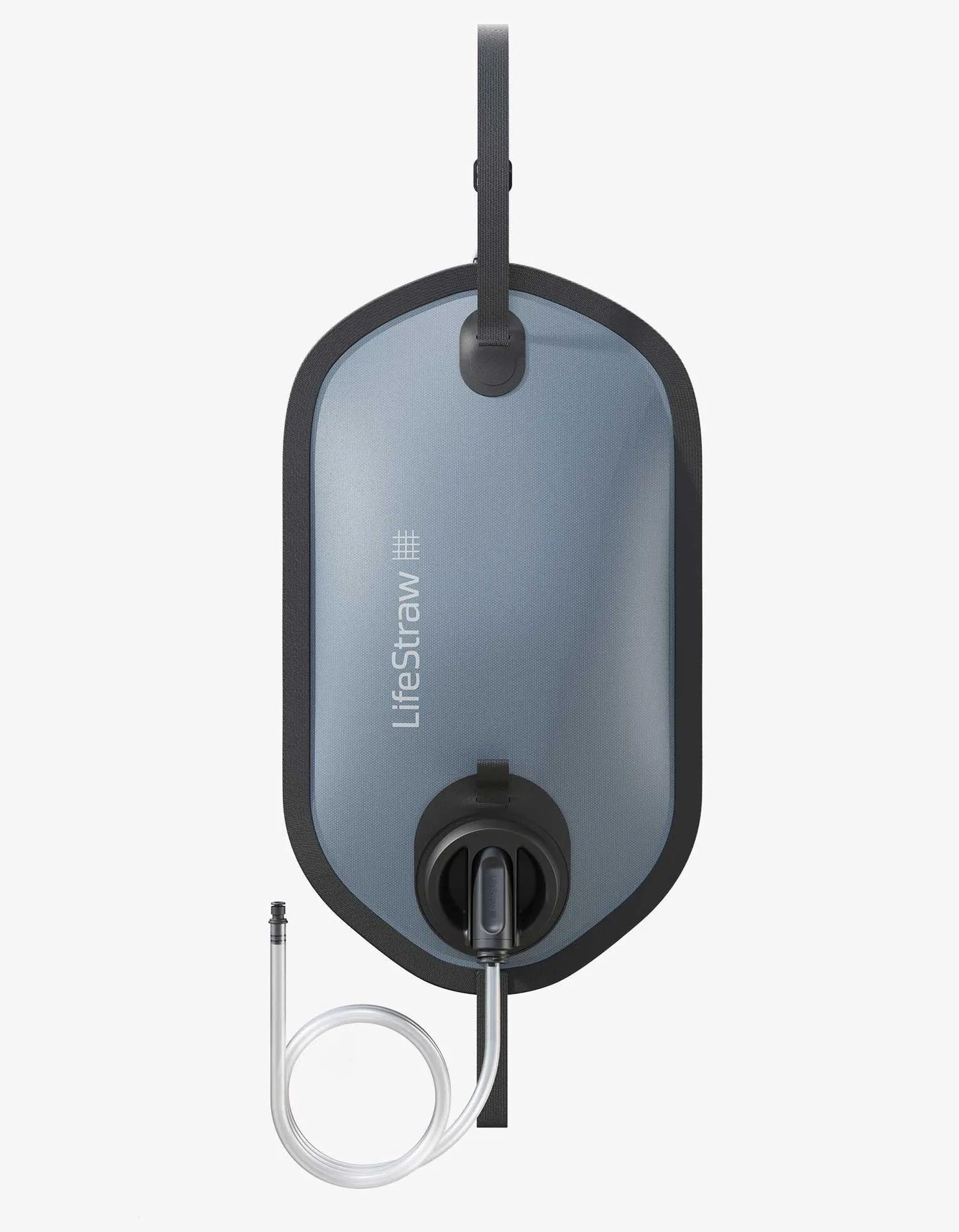
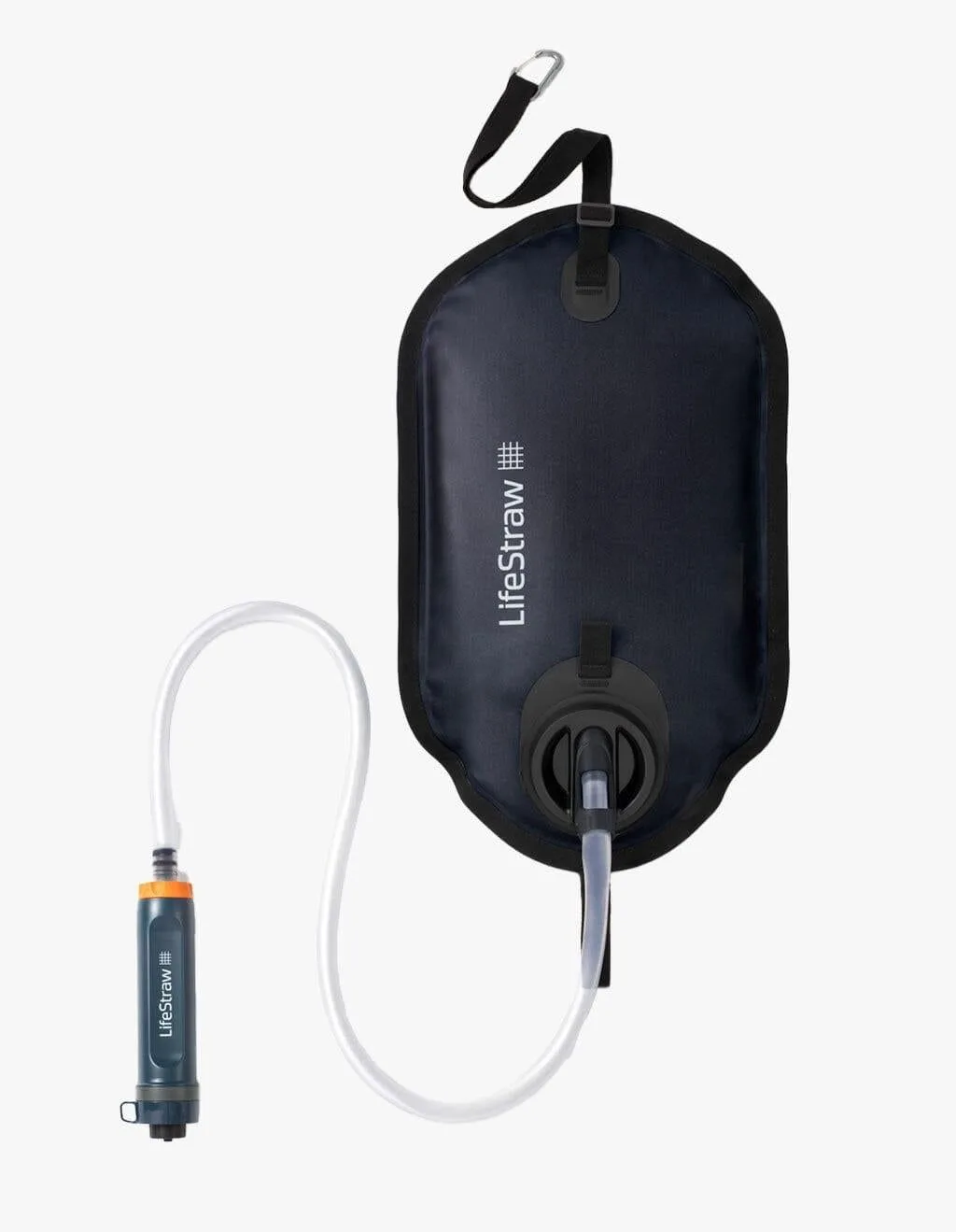
LifeStraw Peak Series Gravity Filter System – 8L
Why Testing Your LifeStraw Filter Matters
LifeStraw filters use hollow fiber membrane technology to remove 99.9999% of bacteria and 99.9% of protozoa. However, physical damage, freezing, or extreme clogging can compromise performance. Regular testing ensures your filter hasn't been compromised and that you're drinking safe water. It's especially important after dropping the filter, exposing it to below-freezing temperatures, or after filtering very turbid water.
A simple field test can catch issues before they become health risks. For example, if you notice a sudden drop in flow rate, it might indicate a clog that needs backwashing or a damaged membrane. If water tastes off or looks cloudy, it could signal a seal failure. By testing routinely, you extend the life of your filter and avoid surprises on multi-day trips.
- Test after every 10-20 liters of use in the field
- Always test if the filter has been dropped or frozen
- Keep a clean container for collecting output water during tests
The Flow Rate Test: Measuring Performance Degradation
Flow rate is the most accessible indicator of filter health. A new LifeStraw filter typically delivers about 0.5-1 liter per minute, depending on the model. To test, fill a clean container with water (preferably from the source you'll be using), attach your filter, and time how long it takes to fill a 500ml bottle. Compare this to the manufacturer's baseline or your own initial measurement.
If the flow rate drops by more than 50%, the filter may be clogged. For the LifeStraw Peak Series Gravity Filter System – 3L, you can backwash by forcing clean water backward through the membrane using the included syringe. For straw-style filters like the LifeStraw Go Series 22 oz, try shaking it vigorously in clean water or using the included cleaning cap. If flow doesn't improve, the filter may need replacement.
- Use a watch or phone timer for accuracy
- Record baseline flow rate when the filter is new
- For gravity systems, time from start of flow to first 500ml
The Seal Integrity Test: Checking for Leaks
A compromised seal can allow unfiltered water to bypass the membrane. To test, fill your LifeStraw bottle or system with water, seal it, and squeeze gently. Look for water escaping around the cap, mouthpiece, or connection points. For the LifeStraw Family model, inspect all hose connections and the output port. Any visible drip indicates a seal failure.
Another method: after filtering a batch of water, pour the output into a clear glass and hold it up to light. If you see sediment or cloudiness, the filter may have a breach. For gravity filters like the LifeStraw Peak Series Gravity Filter System – 8L, check the lid seal and the O-ring on the dirty water reservoir. Replace any damaged seals immediately.
- Perform this test before every trip
- Use food-grade silicone grease on O-rings if they feel dry
- Never use a filter that leaks unfiltered water
The Output Water Clarity Test: Visual and Taste Check
Clean water from a LifeStraw should be clear and free of visible particles. After filtering, pour the output into a white or clear container. Swirl it and look for floating debris, discoloration, or cloudiness. If you see any, the filter membrane may be damaged or the pre-filter screen may be compromised. Also, taste a small amount—if it tastes earthy or metallic, the carbon core (if present) may be exhausted.
For models with activated carbon, like the LifeStraw Go Series 22 oz, taste and odor issues often indicate the carbon is spent. While carbon doesn't affect microbiological safety, it does improve taste. If you notice a chlorine or chemical taste, consider replacing the filter. For the LifeStraw Home Dispenser, check the output regularly, especially after long periods of non-use.
- Use a white bowl or plate for best visibility
- Taste test only after confirming no visible particles
- Replace carbon-based filters every 100 gallons or as recommended
Advanced Field Test: The Dye Test for Membrane Integrity
For serious backcountry users, a dye test can confirm membrane integrity. Add a few drops of food coloring to the dirty water reservoir of your gravity filter or bottle. Filter as normal. If the output water shows any color, the membrane has a hole or tear. This test is especially useful for the LifeStraw Peak Series Gravity Filter System – 3L and 8L models, which have replaceable cartridges.
Note: food coloring is non-toxic and won't damage the filter. If the test fails, immediately stop using the filter and replace the cartridge. For straw-style filters, you can perform this test by dipping the intake end in colored water and checking the mouthpiece for color. Always clean the filter thoroughly afterward to avoid staining.
- Use a dark color like red or blue for visibility
- Perform this test annually or after suspected damage
- Dispose of dye-test water properly away from water sources
When to Replace Your LifeStraw Filter
Even with regular testing, all filters eventually reach end of life. Replace your filter if flow rate drops below 20% of original, if you see visible damage, or after the manufacturer's recommended gallon limit. For most LifeStraw straws, that's 1,000 gallons (4,000 liters). For gravity systems like the LifeStraw Peak Series Gravity Filter System – 8L, replacement is typically after 500 gallons.
Keep a log of usage and test results. If you're unsure, err on the side of caution and replace the filter. A fresh filter not only ensures safety but also restores fast flow rates and great taste. Spare cartridges are available for most models, including the LifeStraw Go Series 22 oz and the LifeStraw Home Dispenser.
- Set a calendar reminder for filter replacement
- Store spare filters in a cool, dry place
- Always carry a backup filter for extended trips
Testing your LifeStraw filter performance doesn't require a lab—just a few simple checks you can do in the field. By regularly monitoring flow rate, seal integrity, and output clarity, you'll ensure your filter delivers safe, great-tasting water every time. For a reliable and portable option, explore the LifeStraw Go Series 22 oz, which combines a durable bottle with a tested membrane perfect for daily adventures.