Testing perfumes can be an exhilarating journey, but it often ends in confusion or sensory overload. Whether you're sampling at a boutique or exploring a new fragrance house, the key is to approach the process methodically. In this guide, we’ll share practical tips to evaluate scents without overwhelming your senses, so you can confidently choose a fragrance that truly resonates with you.
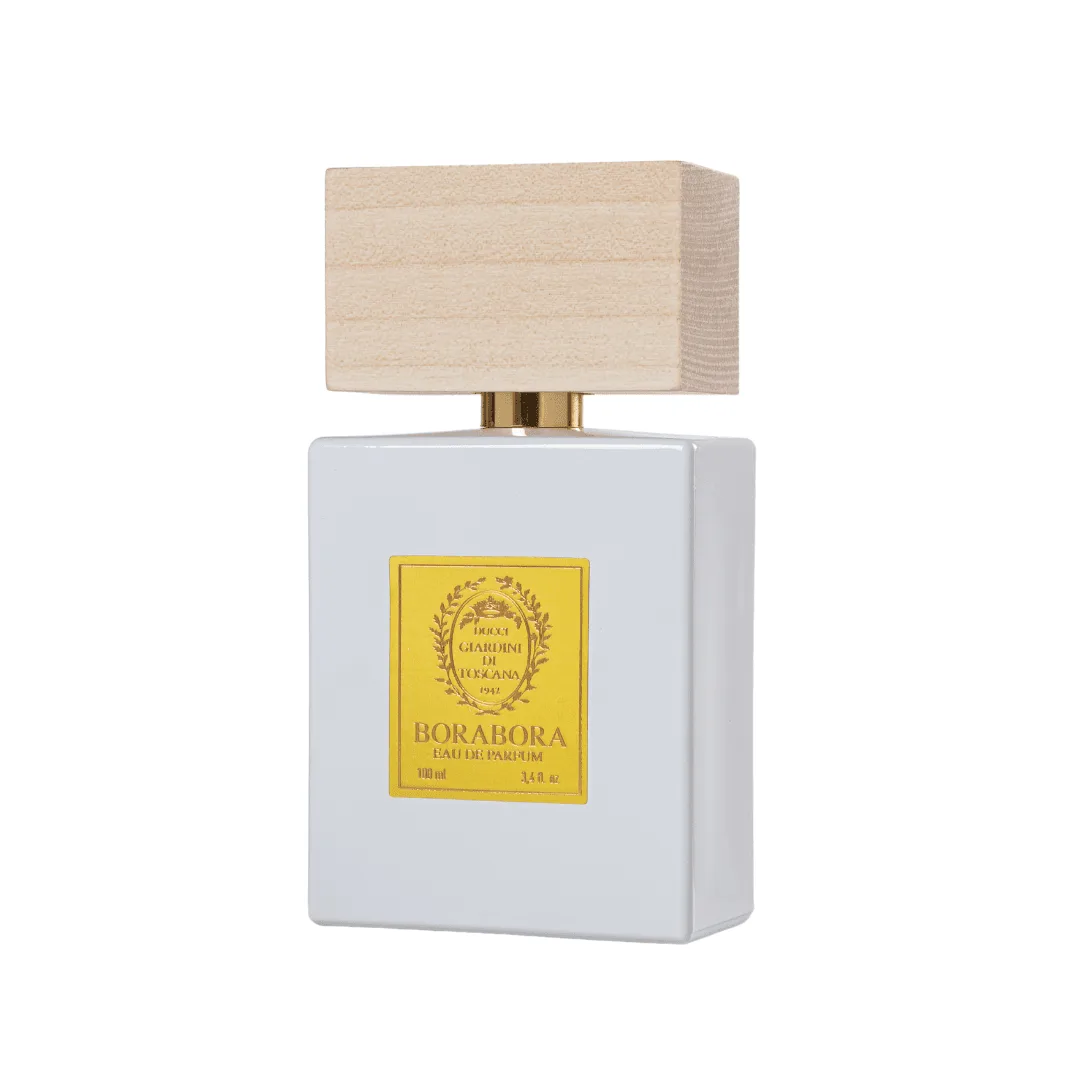
At Giardini di Toscana, we believe that finding your signature scent should be a joyful experience. From the tropical allure of Borabora - Eau de Parfum 100 ml to the sophisticated notes of Rosso Radice - Eau De Parfum 100 ml, our collection offers a diverse range of olfactory journeys. By following these simple steps, you’ll be able to test perfumes like a pro and discover the one that speaks to you.
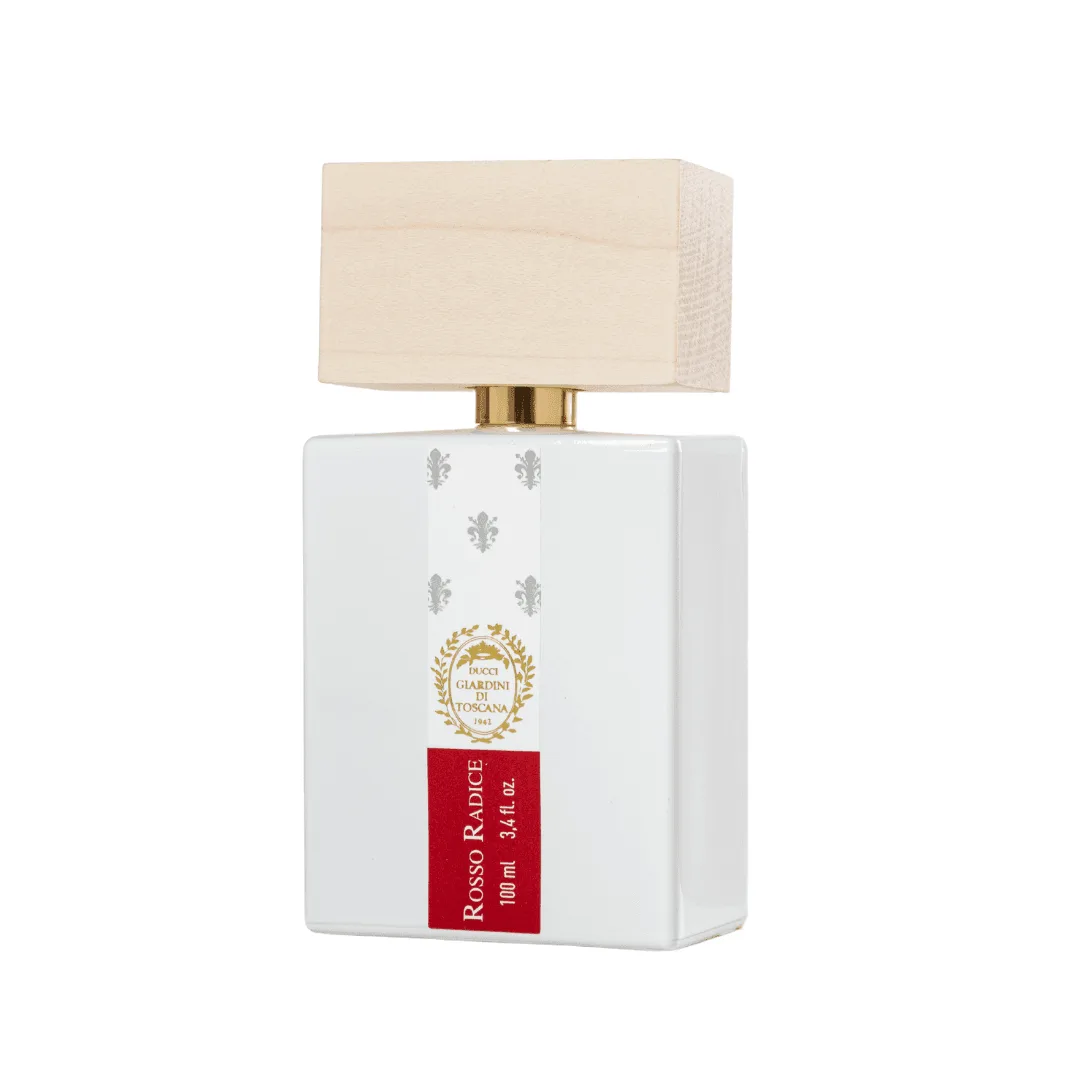
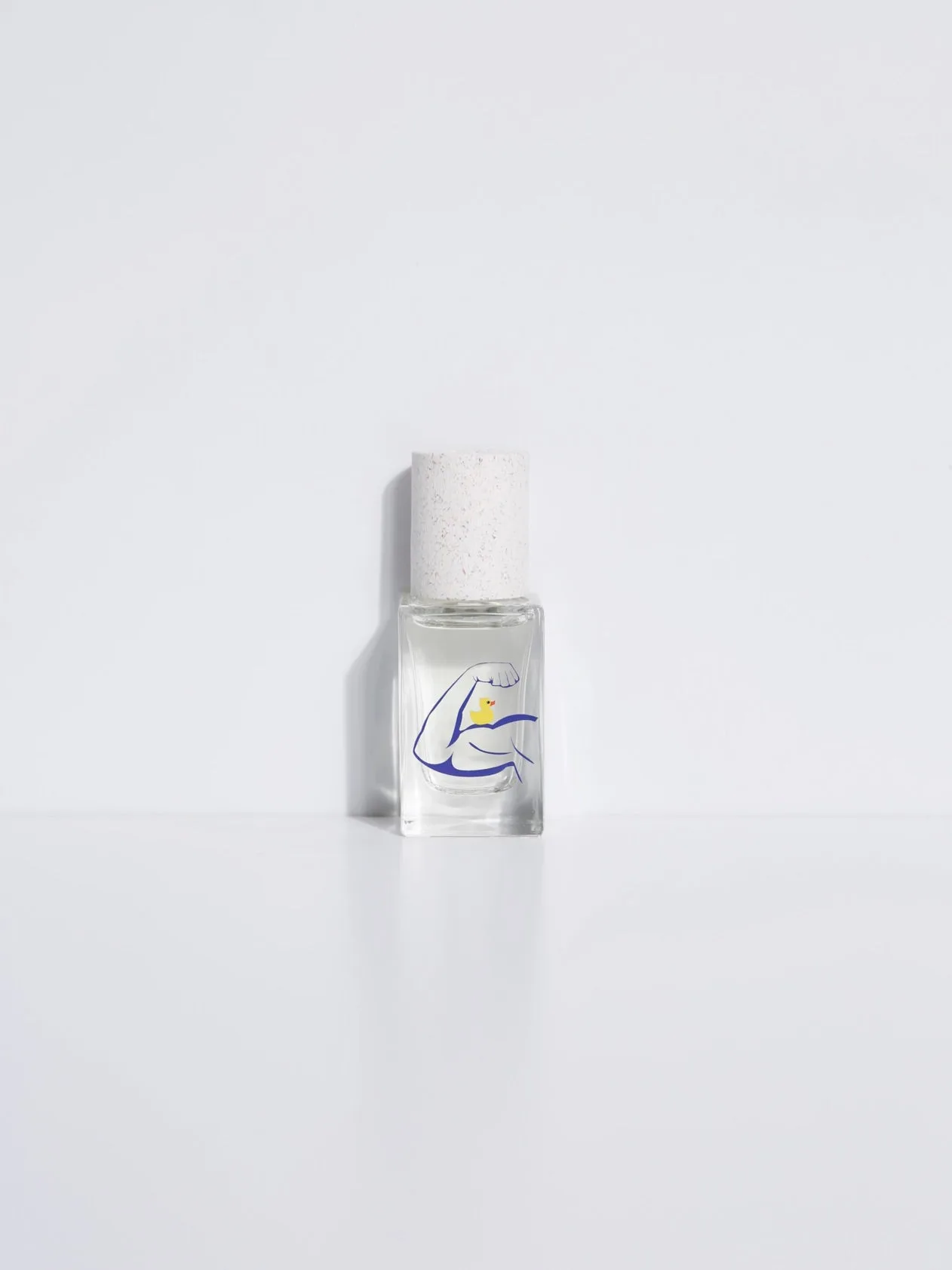
Rosso Radice - Eau De Parfum 100 ml
1. Start with Clean, Unscented Skin
Before you begin testing, ensure your skin is free from any lingering scents. Avoid wearing perfume on the day of testing, and skip scented lotions or deodorants. The goal is to have a neutral canvas so you can accurately assess each fragrance. If you’re testing multiple perfumes, consider using unscented soap or a fragrance-free moisturizer to reset your skin between tests.
For best results, test perfumes on your pulse points—wrists, inner elbows, or behind the ears. These areas emit heat, which helps the fragrance develop and project. However, avoid rubbing your wrists together, as this can break down the scent molecules and alter the perfume’s structure.
- Use unscented soap to wash your hands before testing.
- Apply a small amount of fragrance to one pulse point at a time.
2. Use Scent Strips for Initial Screening
Scent strips (also called blotter papers) are your best friend when sampling multiple perfumes. They allow you to quickly compare top notes without overwhelming your nose. Spray one strip per fragrance, label them, and let them dry for a few seconds. Then, hold each strip about an inch from your nose and take a gentle sniff. This method lets you eliminate scents you dislike right away.
After your initial screening, narrow down your favorites to two or three. Then, apply those directly to your skin. Remember, perfumes evolve over time, so don’t judge a fragrance solely by its opening. Wait at least 15 minutes to experience the heart notes and a few hours for the base notes to emerge.
- Always label scent strips to avoid confusion.
- Sniff coffee beans between tests to reset your olfactory palate.
3. Avoid Nose Fatigue with the Coffee Bean Trick
Olfactory fatigue, or nose blindness, happens when your brain becomes desensitized to smells after repeated exposure. To prevent this, limit yourself to testing no more than three to four perfumes per session. Between each test, take a break and sniff something neutral, like coffee beans, your own skin, or a clean cotton ball. This resets your olfactory senses and helps you perceive each fragrance more accurately.
Another effective strategy is to test perfumes on different days. For example, try one or two scents in the morning and another pair in the afternoon. This approach gives your nose time to recover and ensures you make a decision based on how the perfume wears over several hours.
- Take a 5-minute break after testing three perfumes.
- Avoid testing perfumes after eating strong-smelling foods.
4. Test on Skin and Give It Time to Develop
While scent strips are great for initial screening, the true test happens on your skin. Each person’s body chemistry interacts uniquely with fragrance notes, so a perfume that smells amazing on a strip may not work on your skin. Apply a small amount to your wrist or inner elbow and let it settle for at least 30 minutes. During this time, you’ll experience the fragrance’s evolution from top notes to heart and base notes.
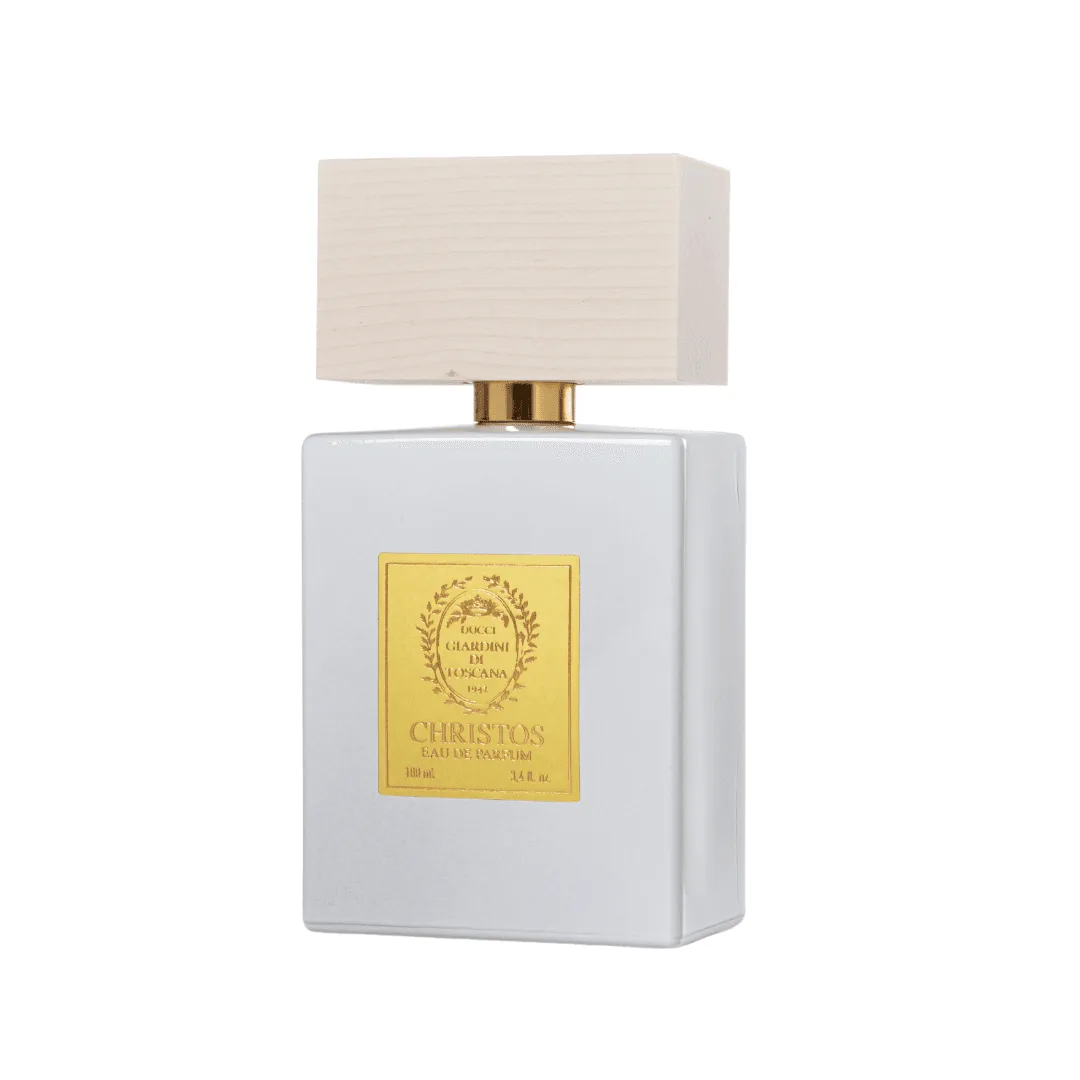
For a thorough evaluation, wear the perfume for a full day. Notice how it develops in different environments—indoors, outdoors, in air conditioning, or in humidity. Some fragrances, like the warm and spicy Christos - Eau De Parfum 100 ml, may become more pronounced in cooler weather, while fresh scents might shine in the heat. Take notes on how you feel wearing it and whether it complements your lifestyle.
- Apply only one perfume per wrist to compare side by side.
- Don’t judge a perfume until you’ve worn it for at least 4 hours.
5. Consider Layering for a Unique Signature
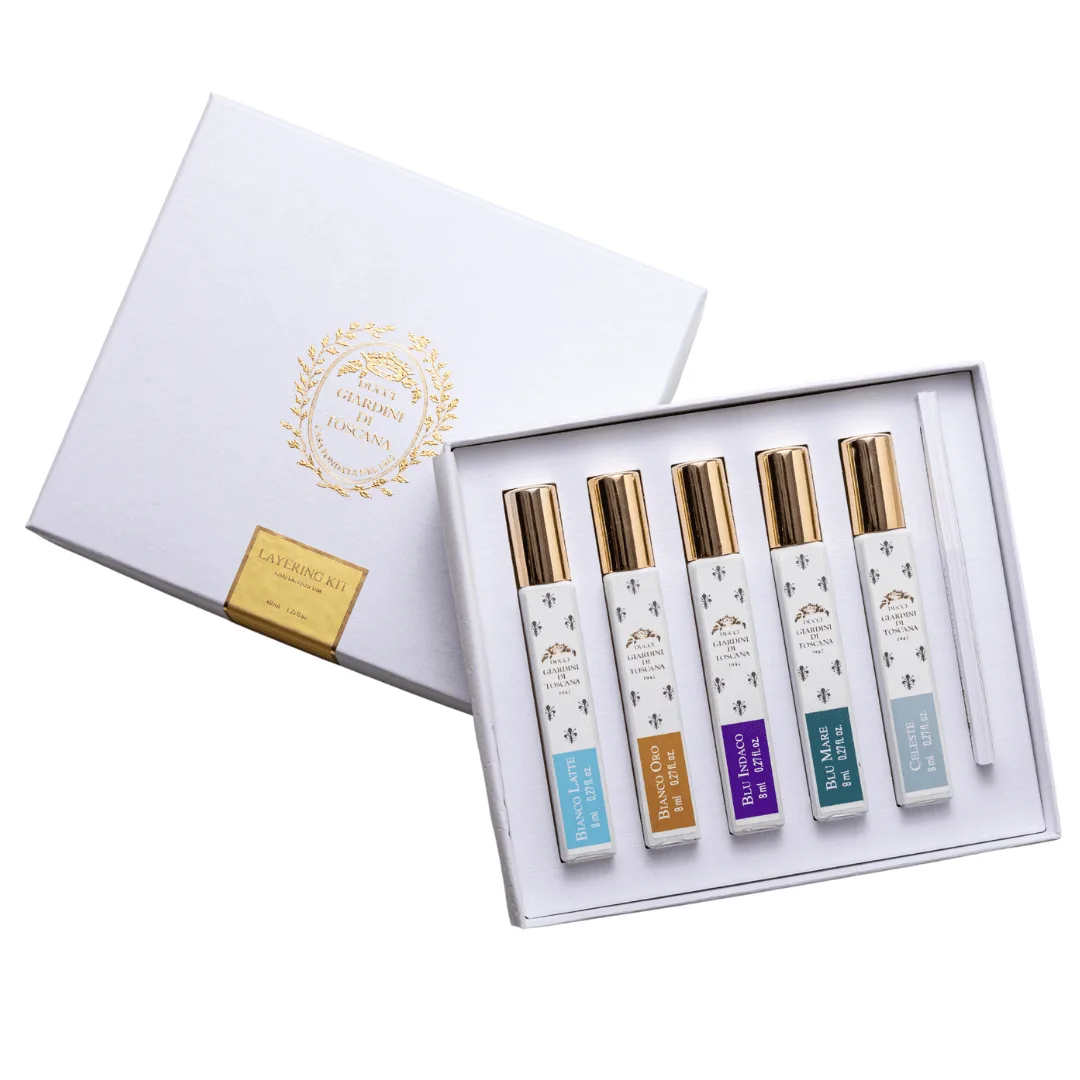
Once you’ve found a few perfumes you love, consider layering them to create a custom scent. Giardini di Toscana offers a Layering Kit that lets you experiment with combinations. For example, you might pair a floral fragrance with a woody base or a citrus top note with a vanilla heart. Layering not only extends the longevity of your perfume but also ensures you have a scent that is uniquely yours.
When layering, start with a base scent (like a body cream or a lighter perfume) and then apply a stronger perfume on top. The Crema Corpo Celeste is an excellent base for many fragrances, as it hydrates skin and provides a subtle, creamy foundation. Experiment with different ratios to find the perfect balance.
- Use unscented moisturizer before layering to help scents last longer.
- Start with a light layer and build up intensity gradually.
Testing perfumes doesn’t have to be a sensory overload. By following these steps—starting with clean skin, using scent strips, avoiding nose fatigue, testing on skin, and considering layering—you can confidently explore the world of fragrance. Ready to find your next signature scent? Explore the Giardini di Toscana collection, from the vibrant Borabora - Eau de Parfum 100 ml to the elegant Rosso Radice - Eau De Parfum 100 ml, and let your olfactory journey begin.