Every parent knows the joy of bath time—the splashes, the giggles, the rubber ducks. But as your baby grows into a curious toddler, the familiar bath routine may start to feel cramped, messy, or simply too time-consuming. That’s when many families consider making the switch from bath to shower. Transitioning your little one to a shower can be a smart move for busy mornings, faster rinsing, and easier cleanup, but it also requires a gentle approach to keep your toddler’s delicate skin happy and healthy.
In this guide, we’ll walk you through the best strategies for a smooth bath-to-shower transition, with a focus on toddler skincare and safety. You’ll learn how to choose the right products, set up a stress-free shower environment, and maintain your child’s natural moisture barrier. Whether you’re starting at 18 months or closer to age three, these tips will help make the switch a positive experience for both of you.
When Is the Right Time to Transition from Bath to Shower?
There’s no single perfect age to move your toddler from bath to shower. Some children are ready as early as 12 months, while others prefer the security of a shallow bath well into their third year. The key is to watch for signs of readiness: your toddler may start standing up in the bath, resist being lowered into the water, or show curiosity about the showerhead. If your little one seems bored or restless during bath time, that’s often a clue they’re ready for a change.
Another practical consideration is your bathroom setup. A handheld showerhead with an adjustable spray setting makes the transition much easier, as you can control the water flow and direction. Also, consider the temperature—toddler skin is thinner and more sensitive than adult skin, so always test the water temperature on your wrist before letting it touch your child. Aim for lukewarm water, around 98–100°F (37–38°C), to avoid drying out their skin.
- Look for signs of readiness: standing, curiosity, or resistance to sitting in the bath.
- Use a handheld showerhead for better control and a gentler spray.
- Always test water temperature on your wrist before showering your toddler.
Preparing Your Toddler for the First Shower Experience
A sudden switch from a warm, still bath to a rushing shower can be overwhelming for a toddler. To ease the transition, start by introducing the shower as part of playtime. Let your child watch you shower (with proper supervision) or play with a toy under a gentle stream of water while still in the bath. This builds familiarity without pressure. You can also use a small cup to pour water over their head and body during bath time—this mimics the sensation of a shower and helps them get used to water on their face.
On the big day, keep the first shower short—two to three minutes is plenty. Sit on the floor of the shower or use a non-slip mat so your toddler feels secure. Sing a favorite song or count down together to make it fun. Avoid using the full-force spray; instead, hold the handheld showerhead close to their body and let the water cascade gently. If they get scared, don’t force it—return to the bath for a few more days and try again later.
- Introduce the shower gradually: let your toddler see and touch the water stream first.
- Use a cup to pour water over their head during baths to simulate the shower feeling.
- Keep the first shower very brief (2–3 minutes) and sit with them for comfort.
Choosing the Right Skincare Products for Shower Time
Showering can be more drying to the skin than a soak in the bath because the water runs off quickly, stripping natural oils. That’s why it’s essential to use gentle, hydrating cleansers designed for delicate toddler skin. Look for products that are soap-free, fragrance-free, and enriched with moisturizing ingredients like shea butter or avocado extract. Avoid harsh surfactants such as sodium lauryl sulfate (SLS), which can cause irritation.
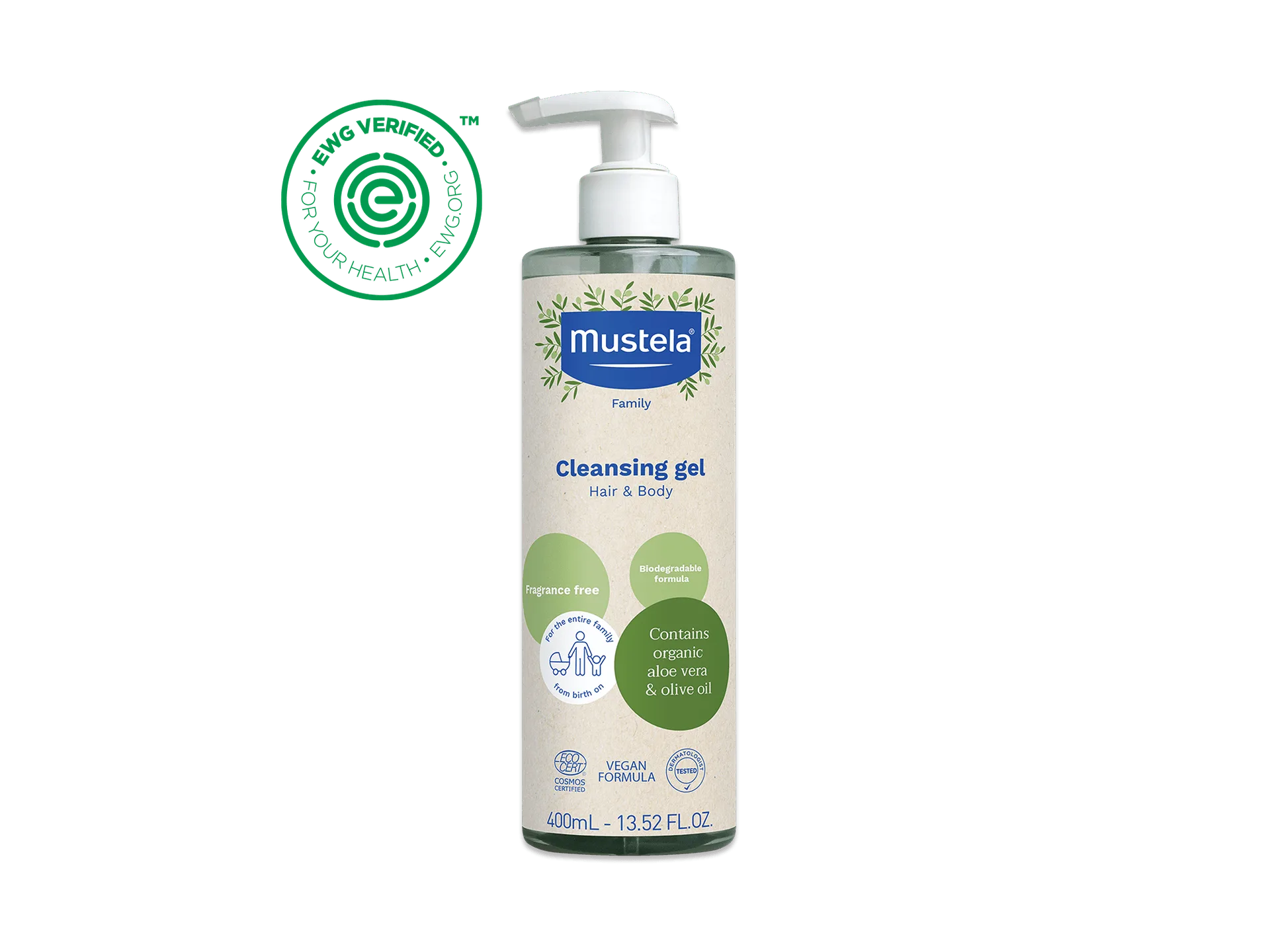
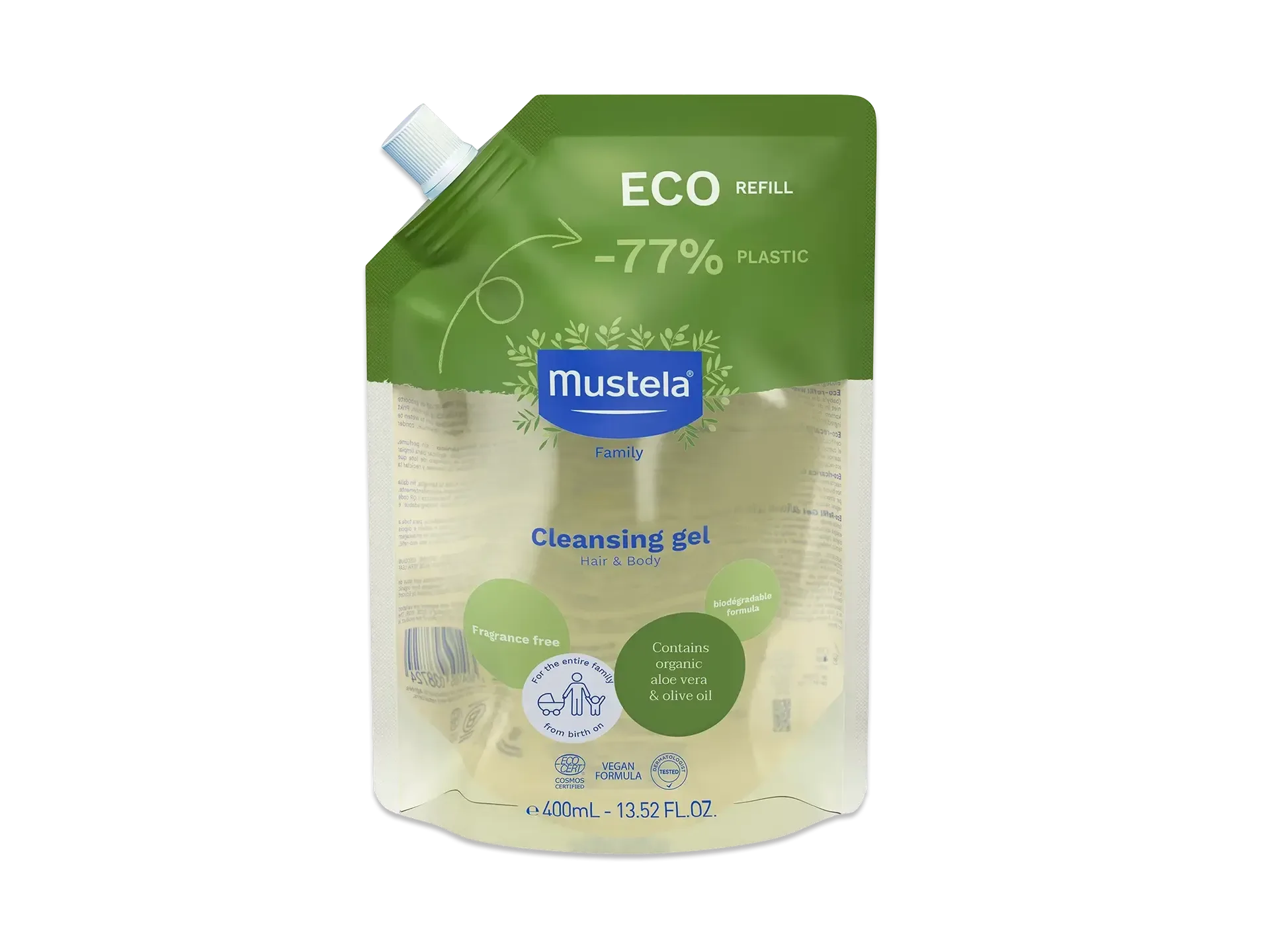
For a seamless transition, consider using a product that works both in the bath and the shower. The Soothing cleansing gel is an excellent option—it’s a soap-free, plant-based formula that gently cleanses without stripping moisture. It’s also easy to rinse off quickly under a shower spray. Another great choice is the 2 in 1 cleansing gel, which combines a body wash and shampoo in one step, saving time and reducing the number of bottles in your shower. Both products are designed for daily use on sensitive skin and help maintain your toddler’s natural moisture barrier.
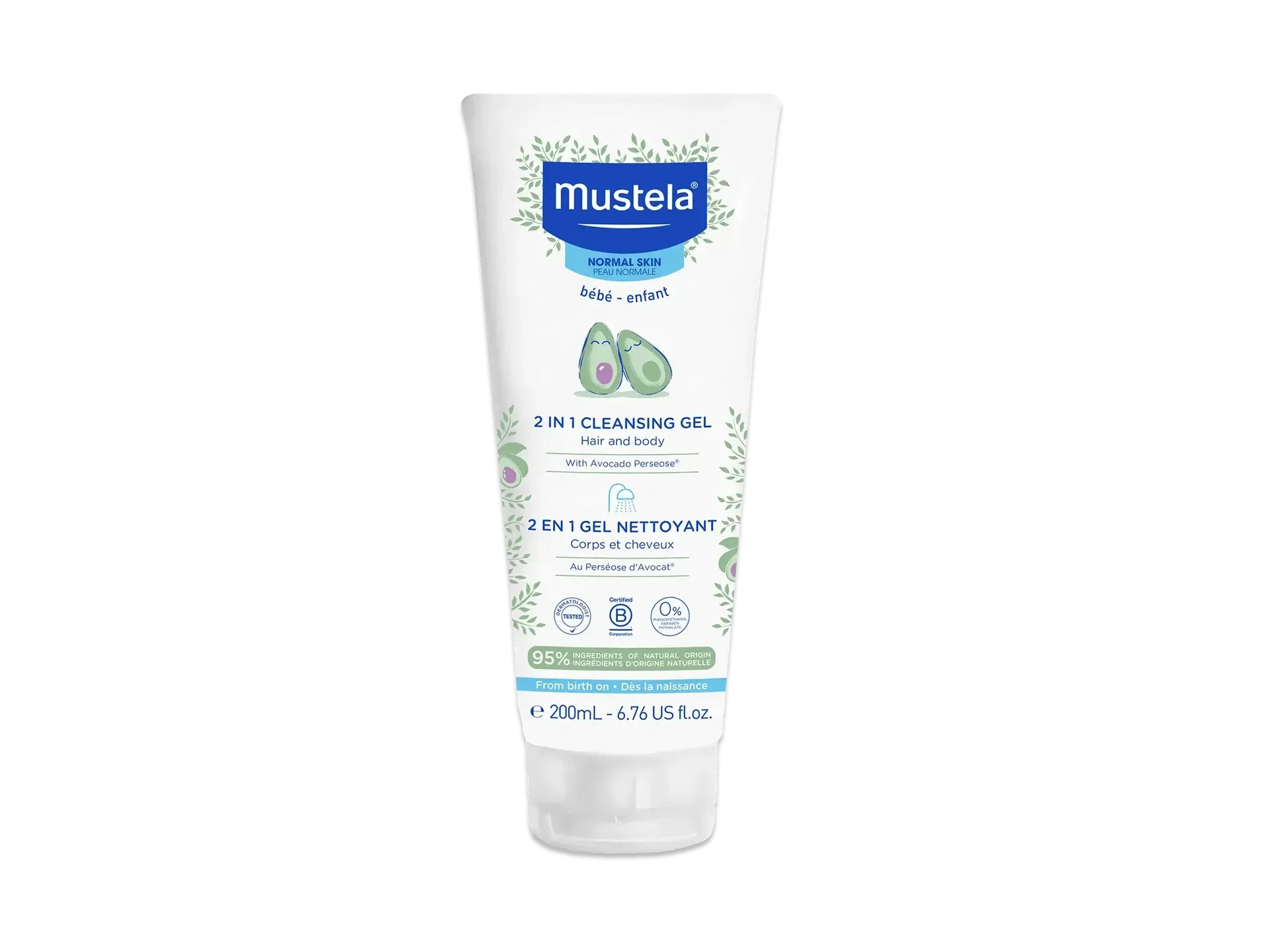
2 in 1 cleansing gel
- Choose soap-free, fragrance-free cleansers to prevent dryness and irritation.
- Look for products with moisturizing ingredients like shea butter or avocado extract.
- A 2-in-1 product can simplify shower time and reduce mess.
Shower Safety Tips for Toddlers
Safety is paramount when transitioning to the shower. Toddlers have slippery skin and unsteady legs, so take precautions to prevent falls. Place a non-slip bath mat both inside and just outside the shower area. Keep a towel within arm’s reach so you can wrap your child immediately after rinsing—this helps prevent chills and locks in moisture. Never leave your toddler unattended in the shower, even for a second.
Also, be mindful of water pressure. Toddlers’ skin is sensitive, and a strong jet can feel painful or scary. Use the lowest pressure setting on your showerhead and direct the spray away from your child’s face until they’re comfortable. If your toddler has very sensitive skin or conditions like eczema, you may want to limit showers to every other day and follow up with a gentle moisturizer. Products like the Stelatopia foam shampoo are specially formulated for eczema-prone skin and can be used in the shower without irritation.
- Use non-slip mats inside and outside the shower to prevent falls.
- Keep water pressure low and avoid spraying directly on your toddler’s face.
- For eczema-prone skin, limit showers and use a gentle, moisturizing shampoo.
Making Shower Time Fun and Positive
The key to a successful transition is turning shower time into a playful, positive ritual. Toddlers thrive on routine and novelty, so mix things up. Use bath crayons on the shower wall, sing songs, or count the seconds as the water flows. You can also let your toddler hold a small, soft toy that’s waterproof—like a rubber duck or a plastic boat—to give them a sense of control. Some parents find that a shower timer or a special “shower song” helps signal the start and end of the experience.
Another fun idea is to let your toddler “help” by holding the handheld showerhead (with your guidance) or by choosing which towel to use afterward. This builds independence and reduces anxiety. Remember to praise them for being brave—even if they only tolerate the shower for a minute. Over time, the shower will become just another familiar part of their daily routine, and you’ll both enjoy the simplicity and speed it offers.
- Use bath crayons, songs, or a special toy to make shower time engaging.
- Let your toddler participate by holding the showerhead or choosing a towel.
- Praise small successes and keep the experience light and positive.
Transitioning from bath to shower is a milestone that can simplify your daily routine while keeping your toddler’s skin clean and healthy. With patience, a gentle approach, and the right products—like the Soothing cleansing gel for daily use—you can make the switch a breeze. Remember to keep showers short, use non-slip mats, and follow up with moisturizer to protect your little one’s delicate skin. Ready to give it a try? Your toddler might just surprise you with how quickly they adapt to this new adventure.