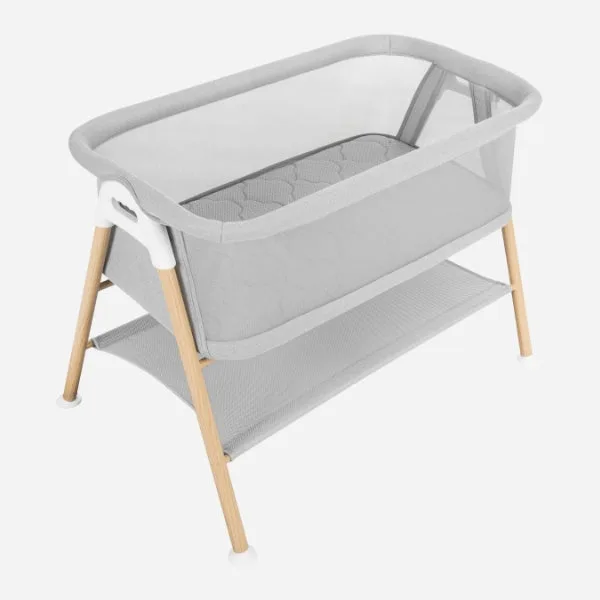
The bassinet has been your baby's cozy nest for months, but the time comes when they’re ready for a bigger sleep space. Moving from bassinet to crib is a major milestone, and it can feel daunting for both of you. With a little planning and patience, you can make the switch smoothly and help your little one sleep soundly in their new bed.
Whether your baby has outgrown their bassinet or you're simply ready to reclaim some floor space, this guide walks you through the entire process. We’ll cover the right timing, practical steps, and expert tips to ease the transition—so you can both rest easier.
When to Move Your Baby to a Crib
Most babies are ready to transition from bassinet to crib between 3 and 6 months, but the exact timing depends on your baby’s size and development. The American Academy of Pediatrics recommends moving your baby to a crib when they reach the weight or height limit of the bassinet, typically around 15 to 20 pounds, or when they start rolling over. Rolling over is a clear sign that a bassinet’s low sides are no longer safe.
Another sign is when your baby seems cramped or starts waking frequently because they’ve bumped the sides. If your bassinet has a weight limit, check the manufacturer’s guidelines. For example, the Essential Bassinet is designed for newborns and has a weight limit that you should verify. Once your baby outgrows it, it’s time to transition to a crib for safety and comfort.
- Look for signs like rolling over, pushing up on hands and knees, or reaching the bassinet's weight limit.
- Consult your pediatrician if you're unsure about the right time for your baby.
Preparing the Crib for a Smooth Transition
Before the big move, make the crib feel familiar. Place the crib in your room for a few nights if possible, so your baby gets used to the new sleep space while still hearing your familiar sounds. Keep the bedding consistent—use the same fitted sheets and sleep sack you used in the bassinet. A familiar scent can also help; consider sleeping with the crib sheet for a night or two to transfer your scent.
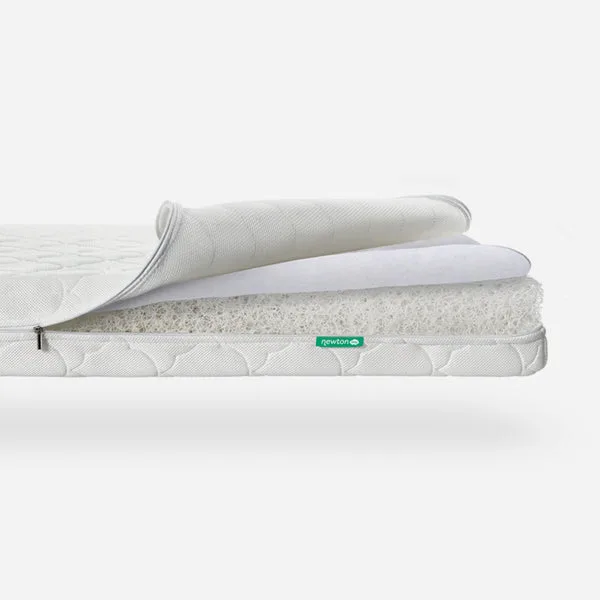
Ensure the crib meets current safety standards. The mattress should fit snugly with no gaps, and the crib should be free of pillows, blankets, and toys. If you're using a convertible crib like the Peggy Convertible Crib, you can start with the mattress at the highest level initially, then lower it as your baby grows. A firm, breathable mattress like those from Newton Baby can also ease the transition by providing a comfortable and safe sleep surface.
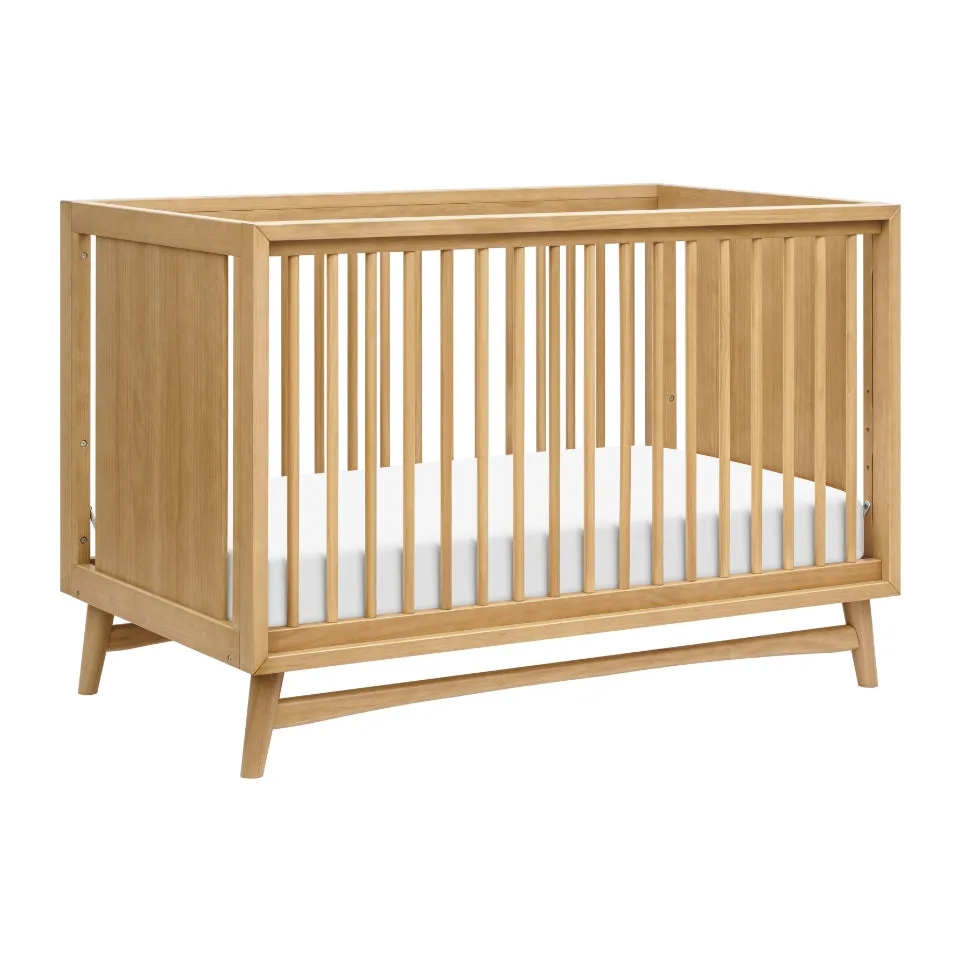
Peggy Convertible Crib
- Use the same sleep sack and sheets to maintain consistency.
- Place the crib in your room initially to help your baby adjust.
Step-by-Step Transition Plan
Start with naps. Begin by having your baby take their first nap in the crib while you stay nearby. Once they’re comfortable with naps, move on to nighttime sleep. This gradual approach helps your baby adjust without feeling overwhelmed. Keep the bedtime routine identical—bath, book, lullaby—so your baby knows it’s time to sleep regardless of where they are.
During the first few nights, you may need to soothe your baby more often. Be patient and consistent. If your baby cries, go in and reassure them without picking them up immediately. You can pat their back or shush them softly. Over time, they’ll learn to self-soothe in their new environment. Remember, this transition is a learning process for your baby, and your calm presence makes a big difference.
- Introduce the crib during daytime naps first before tackling nighttime sleep.
- Keep your bedtime routine consistent to signal sleep time.
Common Challenges and How to Overcome Them
It’s normal for your baby to resist the change. They may cry more, have disrupted sleep, or even regress in their sleep patterns. This is temporary. One effective strategy is to use a familiar item from the bassinet, like a lovey or a swaddle, to provide comfort. However, remember that loose items are not safe for sleep, so choose a wearable sleep sack or a pacifier instead.
Another challenge is the transition from a swaddle to a sleep sack, which often coincides with the crib move. If your baby has started rolling, it’s time to stop swaddling. You can use a transitional sleep sack that allows arm movement. Also, consider using white noise to mask unfamiliar sounds and create a soothing environment. With time and consistency, most babies adjust within a week or two.
- Use a sleep sack instead of a blanket for safety and comfort.
- Incorporate white noise to help your baby sleep soundly in the new space.
Products That Can Help with the Transition
While you don't need to buy new gear, a few products can make the transition smoother. A high-quality crib mattress that is firm and breathable, like those from Newton Baby, can provide a safe and comfortable sleep surface. Consider a waterproof mattress pad to protect the mattress from leaks and make cleanups easier—our Waterproof Twin Mattress Pad is a practical choice.
If your baby is used to the coziness of a bassinet, a crib mattress with a slightly firmer feel might take some getting used to. You can also use a crib sheet with a familiar pattern or color to make the crib feel inviting. Remember, the key is consistency and patience. Your baby will eventually love their new crib as much as they loved their bassinet.
- Invest in a breathable crib mattress for safety and comfort.
- Use a waterproof mattress pad to simplify cleanups during the transition.
Transitioning from bassinet to crib is a big step for both you and your baby, but with the right timing, preparation, and patience, it can be a smooth process. Remember to watch for readiness signs, make the crib feel familiar, and take it slow. Before you know it, your baby will be sleeping soundly in their new crib—and you'll both enjoy better rest.