Transitioning your baby from a crib to a toddler bed is a major milestone, but it can also feel a little daunting. You might be wondering when the right time is, how to make the switch without tears, and what safety measures to put in place. The good news is that with a little planning and patience, you can help your child embrace their new sleeping arrangement confidently.
This guide walks you through the entire process—from recognizing the signs that your child is ready to choosing the right bed setup and making the first night a success. Whether you're using a convertible crib or moving to a dedicated toddler bed, these practical tips will make the transition smoother for both of you.
When Is the Right Time to Transition?
Most children are ready to move to a toddler bed between 18 months and 3 years of age. However, every child is different, so it's important to look for readiness signs rather than focusing solely on age. Common indicators include climbing out of the crib, showing interest in a 'big kid' bed, or simply outgrowing the crib's weight or height limits.
If your child is a climber, safety should be your top priority. A toddler who can scale the crib rails is at risk of falls, so it may be time to make the switch even if they haven't reached the typical age range. On the other hand, if your child is content in their crib and sleeping well, there's no need to rush—waiting until they show clear signs of readiness can make the transition easier.
- Monitor for climbing attempts, which often signal readiness.
- Consider your child's sleep habits—if they're sleeping through the night, they may be ready.
- Avoid transitioning during major life changes like a new sibling or moving to a new home.
Choosing the Right Toddler Bed Setup
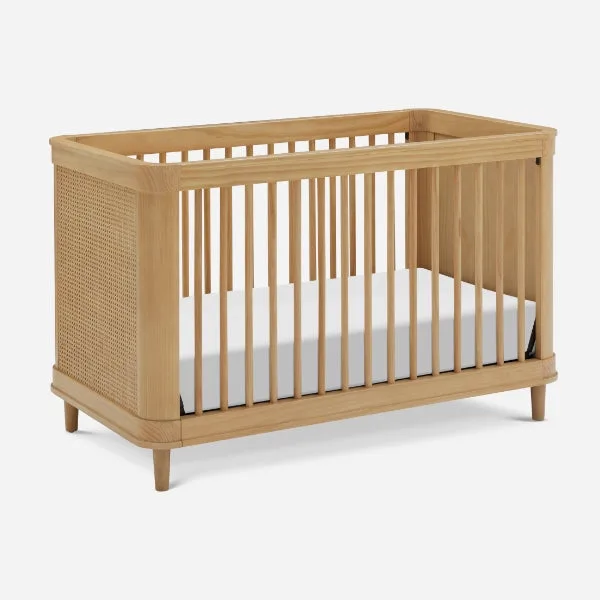
One of the easiest ways to transition is by converting your existing crib into a toddler bed. Many convertible cribs, like the Marin Convertible Crib or the Newton Nest Convertible Crib, are designed to transform into a toddler bed with just a few simple steps. This approach offers familiarity—your child stays in the same bed they've known, which can reduce anxiety.
If you don't have a convertible crib, you can purchase a standalone toddler bed or even use a twin bed with a guardrail. Whichever option you choose, ensure the mattress is firm and fits snugly in the bed frame. For convertible cribs, you'll likely need to lower the mattress or remove the front rail to create an open, accessible bed.
- Check your crib's manual for conversion instructions and weight limits.
- Use a firm, well-fitting mattress to prevent gaps where limbs could get trapped.
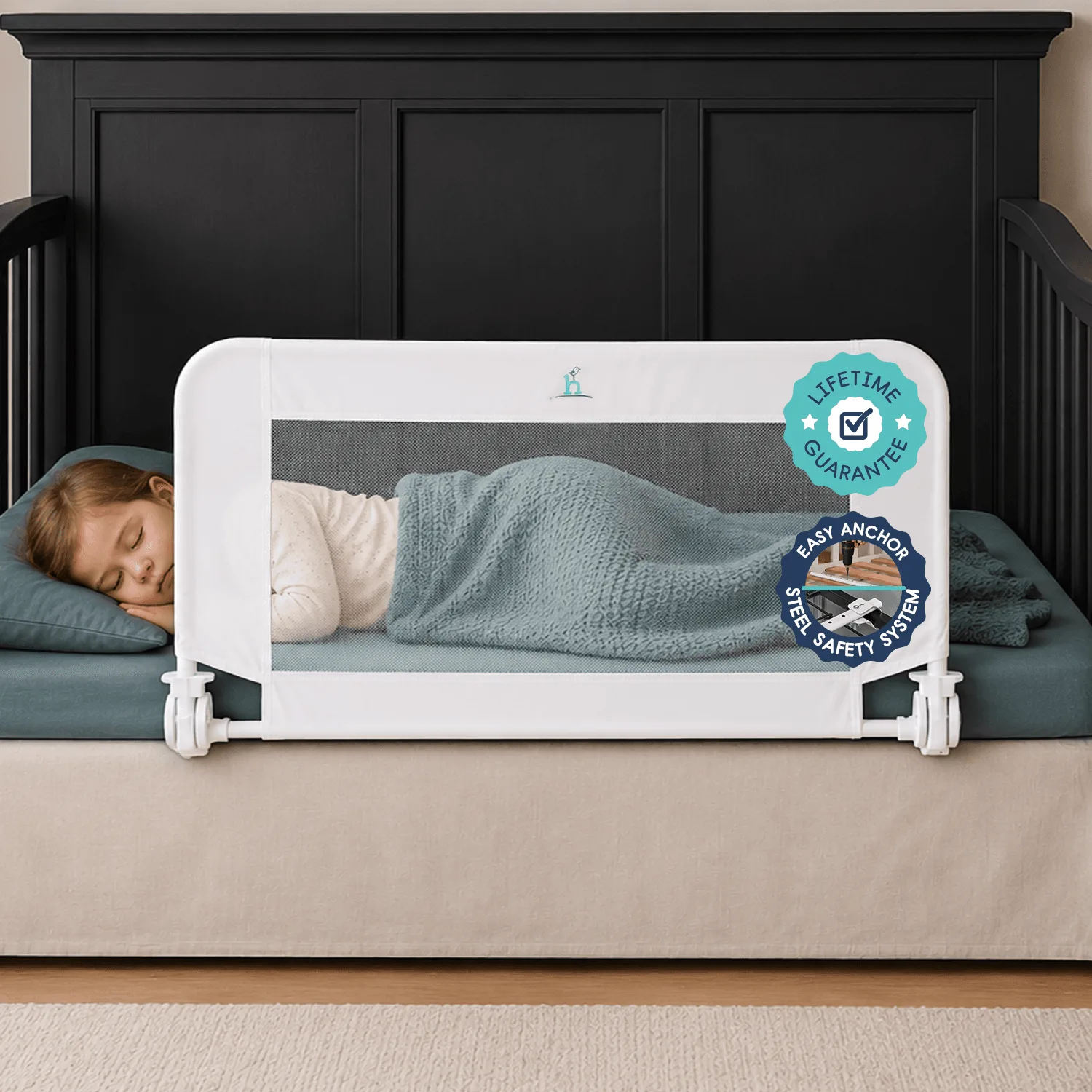
- Consider a bed rail if using a twin or full-size bed.
Preparing the Room for Safety
Once your child moves to a toddler bed, they'll have more freedom to explore their room at night. This means you need to childproof the entire space. Anchor heavy furniture like dressers and bookshelves to the wall, secure cords and blind strings out of reach, and ensure windows are locked with safety guards.
Place a soft rug or carpet near the bed to cushion any falls. You might also want to use a baby monitor to keep an eye on your little one during the night. Remove any toys or pillows that could be used to climb out of bed, and keep the path from the bed to the door clear of obstacles.
- Anchor all heavy furniture to the wall to prevent tipping.
- Keep cords, blinds, and small objects out of reach.
- Use a nightlight to help your child feel secure and navigate the room safely.
Making the Transition Smooth: Step-by-Step
Start by talking to your child about the upcoming change in a positive, exciting way. Read books about big kid beds, let them pick out new sheets or a special blanket, and involve them in the process of setting up the bed. This builds anticipation and gives them a sense of ownership.
For the first few nights, you may want to have a consistent bedtime routine that includes a story and a cuddle. If your child gets out of bed, calmly and consistently return them to bed without engaging in lengthy conversations. Praise them for staying in bed, and be patient—it's normal for this to take a few weeks to fully settle.
- Create a visual chart to reward staying in bed all night.
- Keep the bedtime routine consistent and calming.
- If your child is anxious, try sitting in the room for a few minutes before leaving.
Common Challenges and How to Handle Them
It's common for toddlers to test boundaries during this transition. They may get out of bed repeatedly, call for you, or have trouble falling asleep. Stay consistent with your response—return them to bed matter-of-factly each time, and avoid giving in to requests for 'just one more story' or a drink of water.
Some children may also experience separation anxiety or fear of the dark. Using a nightlight, a lovey, or a white noise machine can help. If your child is struggling, consider moving the bed to a different spot in the room or trying a temporary toddler bed rail to mimic the security of the crib.
- Set clear expectations and follow through consistently.
- Offer a comfort object like a stuffed animal or blanket.
- If your child climbs out repeatedly, check for safety hazards and consider a sleep sack.
Transitioning your baby from crib to toddler bed is a big step, but it doesn't have to be stressful. By waiting for the right signs, choosing a safe setup, and maintaining a consistent routine, you can help your child feel secure and excited about their new bed. Remember to be patient—every child adjusts at their own pace, and with your support, they'll be sleeping soundly in their big kid bed in no time.