Potty training is a major milestone in your toddler's development—and it can feel both exciting and overwhelming for parents. Moving from diapers to the potty is a big transition that requires patience, consistency, and a positive mindset. Whether you're just starting to think about potty training or you're in the thick of it, this step-by-step guide will walk you through everything you need to know, from recognizing readiness signs to handling setbacks.
Every child is different, so there's no one-size-fits-all timeline. However, with the right potty training tips and a gentle approach, you can help your little one feel confident and motivated. Along the way, using the right products—like absorbent diapers during the transition and gentle wipes for cleanup—can make the process smoother for both of you.
Signs Your Toddler Is Ready for Potty Training
Before diving into potty training, it's important to watch for signs of readiness. Most toddlers show interest between 18 and 24 months, but some may not be ready until age 3. Key indicators include staying dry for longer periods (at least two hours), showing discomfort with dirty diapers, or telling you when they are about to go. They may also start pulling at their diaper or hiding to poop, which signals awareness of bodily functions.
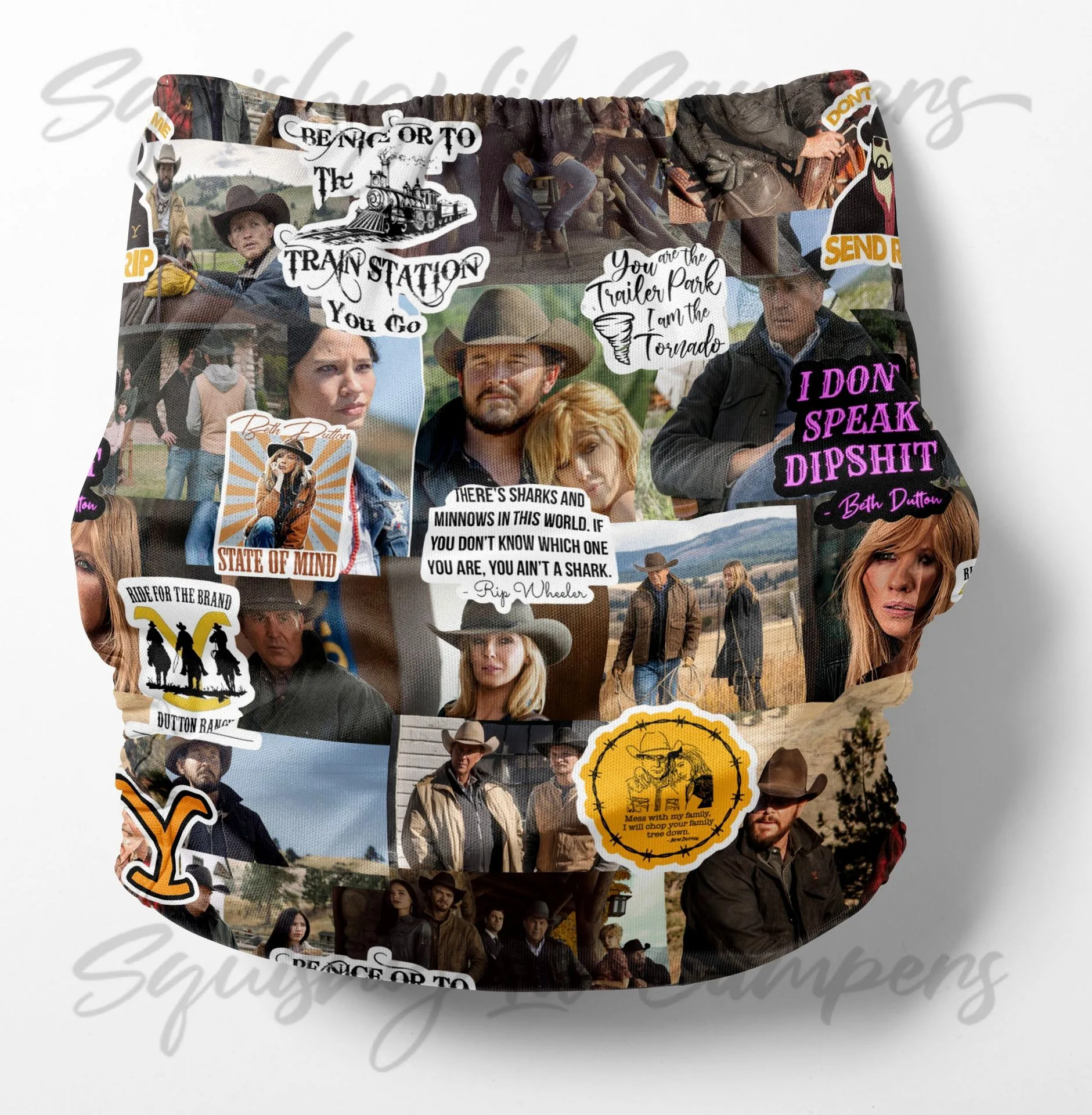
Physical readiness also includes the ability to walk to the potty, pull down pants, and sit on the toilet independently. If your child resists or seems fearful, it's okay to wait a few weeks and try again. Forcing the process can lead to power struggles. During this time, keep using comfortable diapers like the Honest Clean Conscious Diaper, It's A Paw-ty, Size 3, which offer excellent absorbency and a fun design that can make diaper changes less of a chore.
- Stays dry for two hours or more between diaper changes
- Shows interest in the bathroom or watching others use the toilet
- Can follow simple instructions and communicate when they need to go
Step 1: Prepare Your Home and Mindset
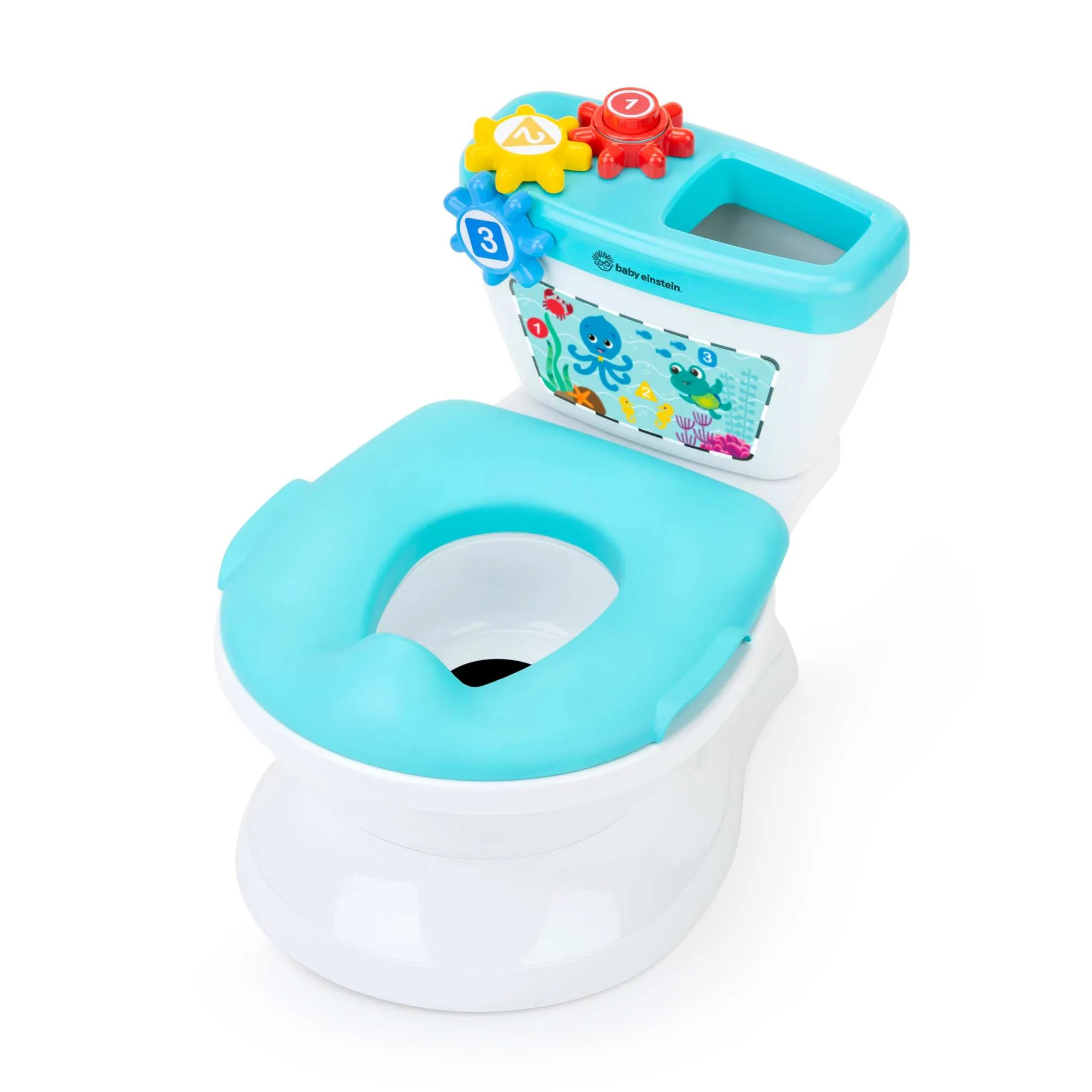
Preparation is key to a successful potty training journey. Start by talking about the potty in a positive, exciting way. Read books about potty training, let your child watch you use the toilet, and introduce a small potty chair or a seat reducer for the regular toilet. Keep the potty in a visible, accessible location so your toddler can get used to it.
Also, stock up on essential supplies: training pants, easy-to-remove clothing, and gentle cleaning products. Since accidents will happen, having a reliable wipe on hand is a must. The Clean Conscious Wipes, Balance Blues are perfect for quick cleanups—they're soft, durable, and made with plant-based ingredients, making them gentle on sensitive skin during this messy phase.
- Choose a potty chair that's comfortable and easy for your child to sit on
- Dress your toddler in clothes with elastic waistbands for quick removal
- Set a consistent schedule for potty breaks (e.g., after meals and before naps)
Step 2: Start the Transition Gradually
Instead of going cold turkey, ease into the transition by combining diaper use with potty practice. For example, have your child sit on the potty fully clothed at first, then progress to sitting with a diaper on, and eventually without. This reduces anxiety and builds familiarity. Praise every effort, even if nothing happens—positive reinforcement goes a long way.
During this phase, you can still use diapers for naps and overnight. The Honest Clean Conscious Diaper, Tutu Cute, Size 1 is a great option for younger toddlers or smaller babies who are just starting to show readiness. Its super-absorbent core keeps leaks at bay while your child learns to recognize the sensation of a full bladder.
- Use a sticker chart or small rewards for successful potty visits
- Let your child flush the toilet or wash hands to make it a fun ritual
- Stay calm and patient—accidents are part of the learning process
Step 3: Establish a Potty Routine
Consistency is crucial when teaching your toddler to use the potty. Create a routine that includes potty breaks at regular intervals—first thing in the morning, after meals, before bath time, and before bed. Set a timer or use a visual schedule to remind your child. Over time, they'll learn to recognize their body's signals and go on their own.
Make the experience enjoyable by reading a short book or singing a song while they sit. Avoid forcing them to stay on the potty for more than a few minutes. If they resist, try again later. Bath time can be a natural part of this routine—the warm water can help relax muscles. For a fun and calming bath experience, consider using the Disney and Pixar's Toy Story Shampoo + Body Wash, Orange Creamsicle. Its gentle formula and playful scent can turn post-potty cleanup into a treat.
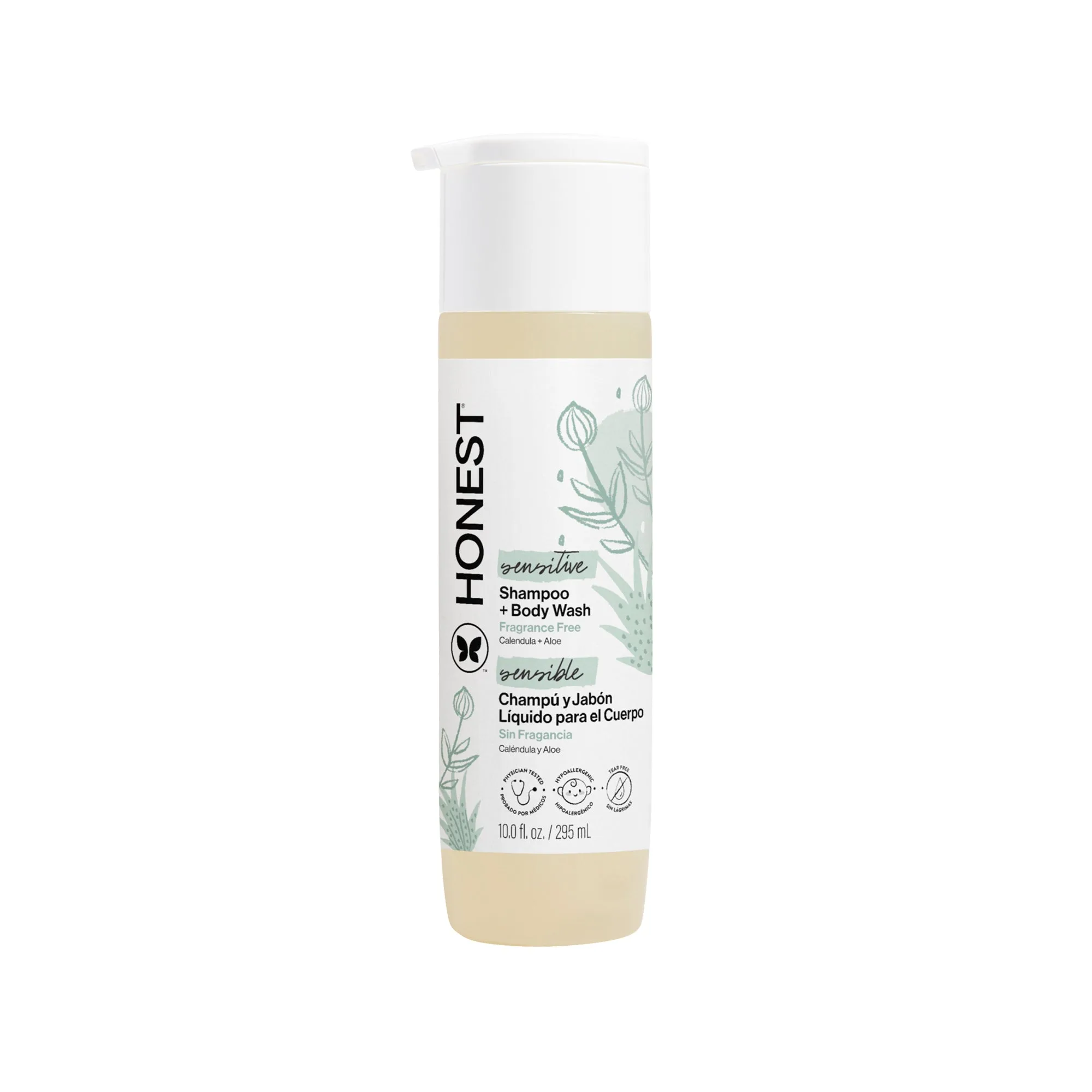
Shampoo + Body Wash
- Take your child to the potty every 1.5 to 2 hours during the day
- Use positive language like 'You're learning so fast!' instead of 'Don't have an accident'
- Keep a potty chart visible to track successes and motivate your toddler
Step 4: Handle Nighttime and Naptime Training
Nighttime dryness usually takes longer to achieve than daytime control. Most children aren't ready to stay dry through the night until age 4 or 5. Until then, you can use overnight diapers or training pants to protect the bed. Limit fluids an hour before bedtime and make sure your child uses the potty right before getting into bed.

overnight diapers
If your child wakes up dry, celebrate the achievement! If not, reassure them that it's normal and that their body is still learning. Using a diaper designed for overnight use, like the Honest Clean Conscious Diaper, It's A Paw-ty, Size 3, can give you peace of mind while your toddler builds bladder control. The fun paw-print pattern also adds a touch of joy to the bedtime routine.
- Use a waterproof mattress cover to protect the bed
- Avoid waking your child to use the potty—it can disrupt sleep
- Be patient: nighttime training often happens months after daytime success
Step 5: Celebrate Progress and Stay Consistent
Potty training is a journey with ups and downs. Celebrate every small victory—whether it's a successful potty visit, staying dry for an hour, or simply sitting on the potty without fuss. Use praise, high-fives, or a small reward system to keep your toddler motivated. Avoid punishment for accidents; they are a natural part of learning.
If you hit a plateau or your child regresses, don't panic. Common causes include illness, a new sibling, or starting daycare. Simply go back to basics: increase potty breaks, use positive reinforcement, and maintain your routine. With time and patience, your little one will master this skill. And remember, you're not alone—millions of parents have successfully navigated this transition.
- Keep a 'potty success' jar with small treats or stickers
- Read potty-themed books together to reinforce the concept
- Celebrate milestones like a week of dry days with a special outing
Transitioning from diapers to potty training is a big step for both you and your toddler, but with these potty training tips and a gentle, consistent approach, you can make the process smoother and more positive. Remember to stock up on essentials like gentle wipes and comfortable diapers for the journey. For a fun and reliable option during the transition, check out the Honest Clean Conscious Diaper, Tutu Cute, Size 1—it's designed to keep your little one dry and happy as they learn this important life skill.