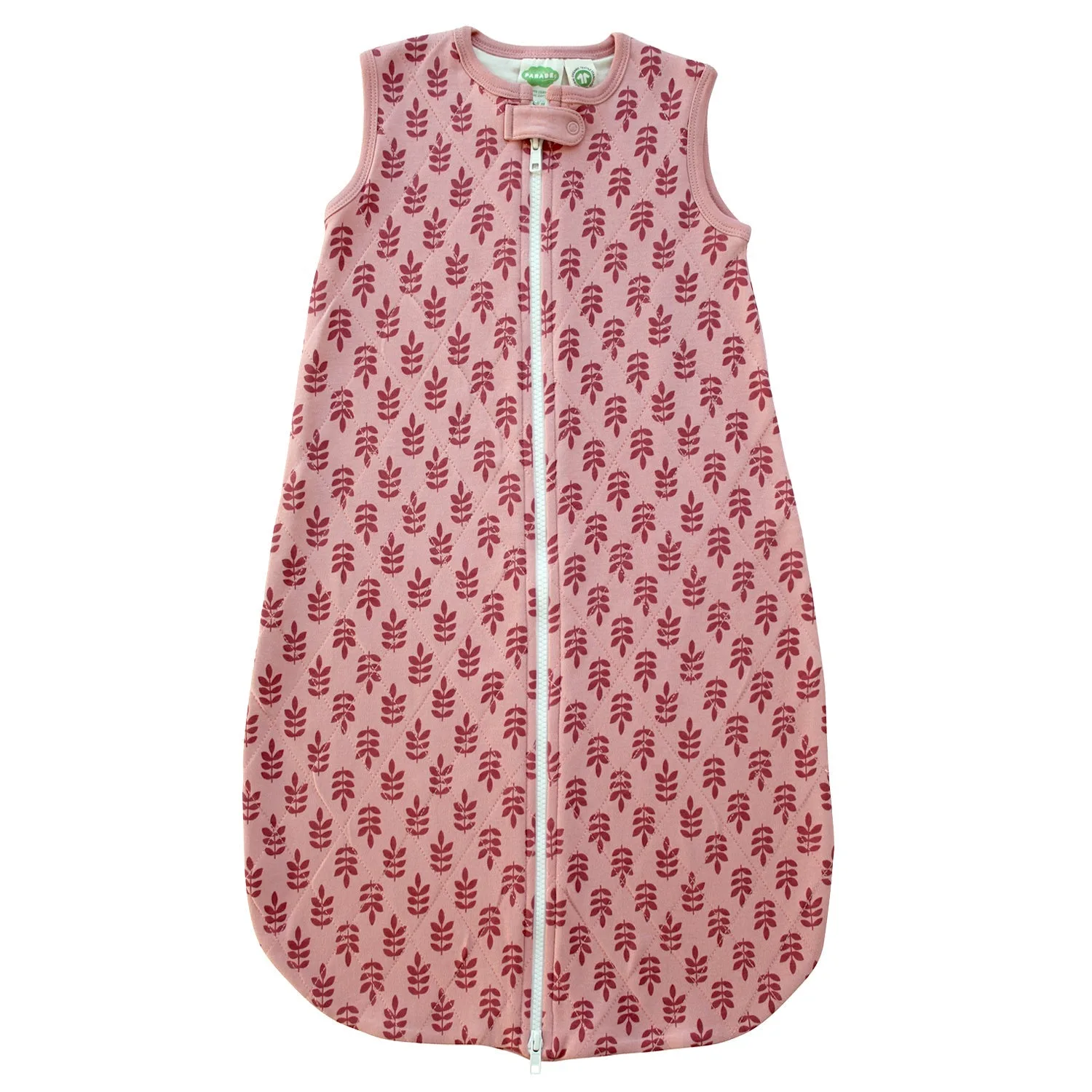
Why Transition Your Baby from Swaddle to Sleep Sack
Swaddling helps newborns sleep by preventing the Moro startle reflex, but as babies grow and start rolling, it's time to move to a sleep sack for safety. A sleep sack provides a wearable blanket that keeps your baby warm without loose bedding, and it allows more freedom of movement. The key is to make the switch gradually so your little one can adjust to the new sleep environment.
Step-by-Step Transition Using an Adjustable Swaddle
The easiest way to transition is to use a swaddle that offers multiple arm positions. Both the HALO 100% Cotton Sleepsack Swaddle and the Aden & Anais Essentials Wrap Swaddle Set are designed for this purpose.
- Start with arms out: Begin by swaddling your baby with one or both arms out. The HALO SleepSack Swaddle has a 3-way adjustable design that lets you wrap with arms fully in, hands-to-face, or arms out. The Aden & Anais Wrap Swaddle also allows you to swaddle 2 ways: arms in or arms out. Start with arms out during naps to get your baby used to the new feeling.
- Use the sleep sack mode: Once your baby is comfortable with arms out, you can use the swaddle as a sleep sack by leaving the wings loose or not fastening them. The HALO SleepSack Swaddle has a roomy sack design that promotes healthy hip development. The Aden & Anais Wrap Swaddle has adjustable fasteners that can be left unfastened to create a wearable blanket.
- Switch to a dedicated sleep sack: After a week or two of using the swaddle as a sleep sack, you can move to a standard sleep sack. Look for a sleep sack with the appropriate TOG rating for your room temperature. The HALO SleepSack Swaddle is rated 1.5 TOG, which is suitable for most indoor temperatures.
Evidence: Adjustable Swaddles for Transition
-
Halo - 100% Cotton Sleepsack Swaddle: The HALO 100% Cotton Sleepsack Swaddle is the original 3-way adjustable swaddle trusted by over 30 million parents and 1,800 hospitals nationwide. It wraps your newborn safely with arms in, hands-to-face, or arms out. This design lets you gradually transition from a full swaddle to arms-free sleeping without buying a separate product.

Halo - 100% Cotton Sleepsack Swaddle
-
Aden & Anais - Essentials Wrap Swaddle Set (3 pk) - Toile: The Aden & Anais Essentials Wrap Swaddle Set comes in a 3-pack and features an extra secure design with adjustable fasteners that create a snug, womb-like feeling. It allows swaddling with arms in or arms out. Having multiple swaddles in the set means you can keep one in the sleep sack configuration while still having a full swaddle for naps if needed.

Aden & Anais - Essentials Wrap Swaddle Set (3 pk) - Toile
Tips for a Smoother Transition
Start the transition during a time when your baby is already sleeping well, such as after a growth spurt or when they are not teething. Keep the sleep environment consistent: use the same white noise, room temperature, and bedtime routine. If your baby wakes more frequently during the transition, try offering a pacifier or extra reassurance. The double zipper on the HALO SleepSack Swaddle allows for quick diaper changes without fully unwrapping your baby, which can help maintain sleep continuity. Remember that every baby is different; some may take a few days, while others may need a couple of weeks to adjust.
Safety Considerations
Always place your baby on their back to sleep. The Aden & Anais Wrap Swaddle instructions emphasize this. The HALO SleepSack Swaddle replaces loose blankets for a safer sleep environment. Once your baby shows signs of rolling over, it's time to stop swaddling with arms in and move to a sleep sack. Both products are endorsed by the International Hip Dysplasia Institute for promoting healthy hip development. The Aden & Anais Wrap Swaddle is also hip healthy endorsed.
What the Supplied Information Doesn't Cover
The supplied product records do not include specific age or weight limits for when to stop swaddling, nor do they provide a timeline for the transition. The HALO SleepSack Swaddle is available in Newborn (0–3M, 19–23 in, 6–12 lb), but the transition should be based on your baby's developmental milestones, such as rolling over. Always consult your pediatrician for personalized advice.