Quick answer
Treat your bra and underwear wardrobe as two overlapping sets rather than one all-year drawer. Keep breathable, moisture-wicking pieces in front for warm weeks, keep soft, lightly lined pieces within reach for cool ones, and rotate in stages instead of swapping everything on the first cold morning. A two-drawer or two-bin system makes the seasonal switch take minutes and protects your bras from being crushed in storage.
Most people don't need a whole new lingerie drawer when the weather turns. They need a rotation plan. The pieces that feel great in July can feel clammy by October, and the soft, slightly warmer basics you reach for in winter can feel suffocating in a heat wave. A seasonal bra wardrobe transition is simply the habit of moving the right pieces to the front and the rest into clean storage.
This guide walks through a repeatable process you can run twice a year, plus the fabric and fit checks that tell you when a piece should stay in rotation and when it should be retired. Coobie's seamless, wire-free styles make the transition easier because the same fit philosophy carries across warm- and cool-weather options.
Start with a weather reality check, not the calendar
Seasons don't switch on a single date, and your body doesn't either. Before you move anything, look at the next two to three weeks of actual temperatures and your real plans: commuting, workouts, travel, or long days indoors with strong heating or air conditioning. A 10-degree swing between morning and afternoon matters more than the month on the wall.
Use that forecast to decide how many warm-weather and cool-weather pieces you need within reach at once. In most climates, a shoulder season means keeping both sets accessible rather than packing one away completely. If you live somewhere with mild winters, you may only need to swap a few pieces, not the whole drawer.
- Checkpoint: if you can't name the three pieces you wore most last week, sort by what's actually in the laundry first.
Sort by fabric and function, not by color
The useful dividing line is breathability and coverage, not whether something looks summery. Moisture-wicking, lightweight, mesh-paneled, or minimal-coverage pieces belong in the warm-weather group. Softer, slightly more substantial fabrics and fuller-coverage shapes belong in the cool-weather group. Color and pattern are secondary.
As you sort, set aside anything with stretched elastic, pilling, or a band that no longer sits flat. Seasonal transitions are the easiest time to notice wear because you're handling every piece at once. A bra that has lost its shape won't improve by being stored until next year.
- Common mistake: keeping a piece just because it's a color you love, even though the fit has gone.
Build your warm-weather layer around breathability
For hot weather, prioritize airflow and moisture management. Mesh panels, light stretch fabrics, and wire-free construction reduce heat buildup and pressure points. Removable pads are useful in summer because you can take them out for the lightest possible feel, then add them back when you want more shaping under a thinner top.
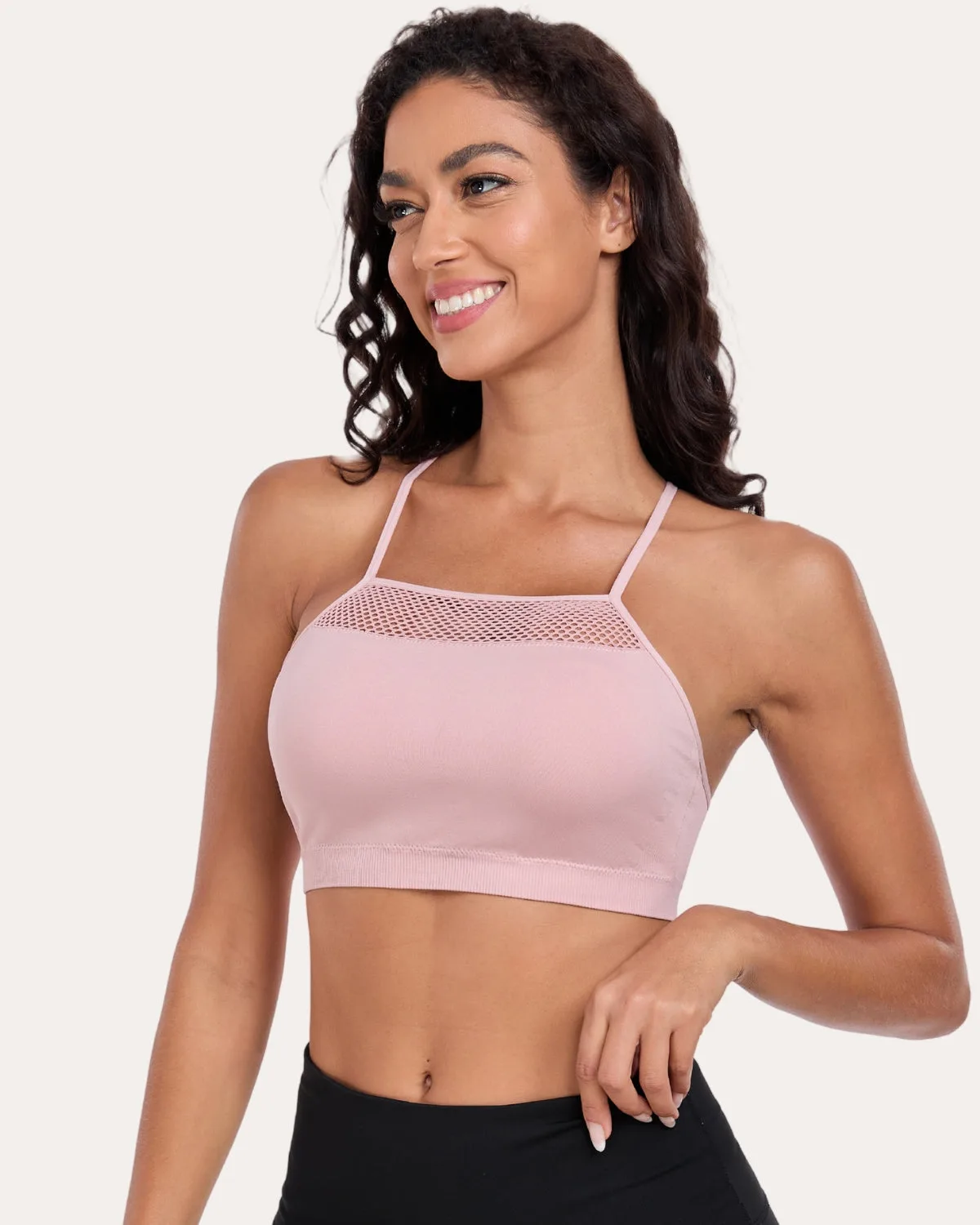
The Coobie Breeze Mesh Racerback Bra 9170 is built around this idea, with delicate mesh panels for enhanced airflow and a lightweight, wire-free structure. The Coobie Half Cami Low Back Bra 9151 also fits warm-weather rotation well because its moisture-wicking fabric helps keep you cool, and its removable foam cups let you adjust coverage as tops get lighter.
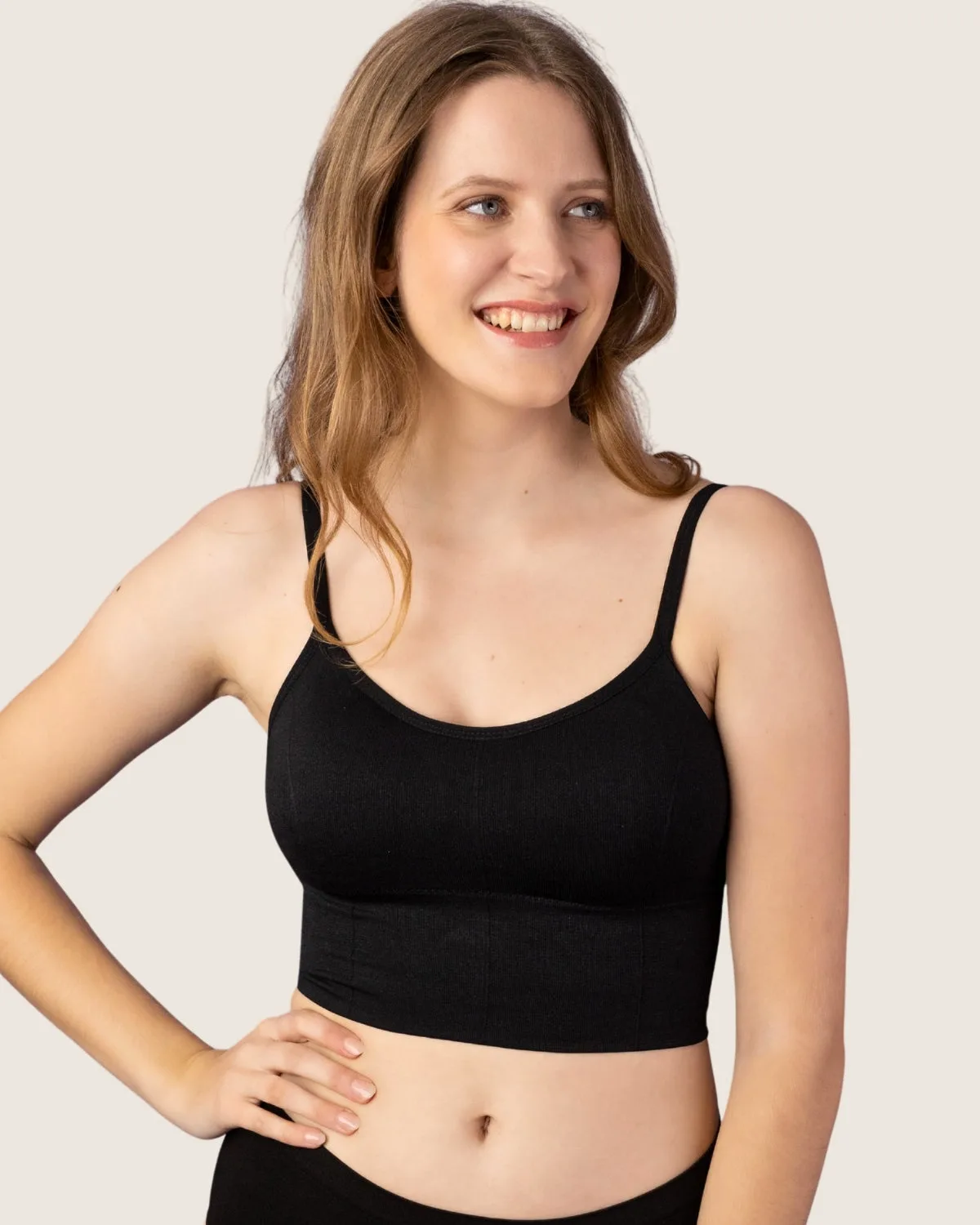
Coobie Half Cami Low Back Bra 9151
- Tip: in humid heat, a second lighter bra in your bag is more useful than one heavy bra all day.
Shift to soft coverage for cool weather
Cold weather isn't only about warmth. It's about layering smoothly under sweaters, thicker knits, and higher necklines, where seams and hardware show more easily. Seamless, tagless, wire-free bras with gentle support tend to work better here than heavily structured styles, because they disappear under bulkier fabrics without digging in.
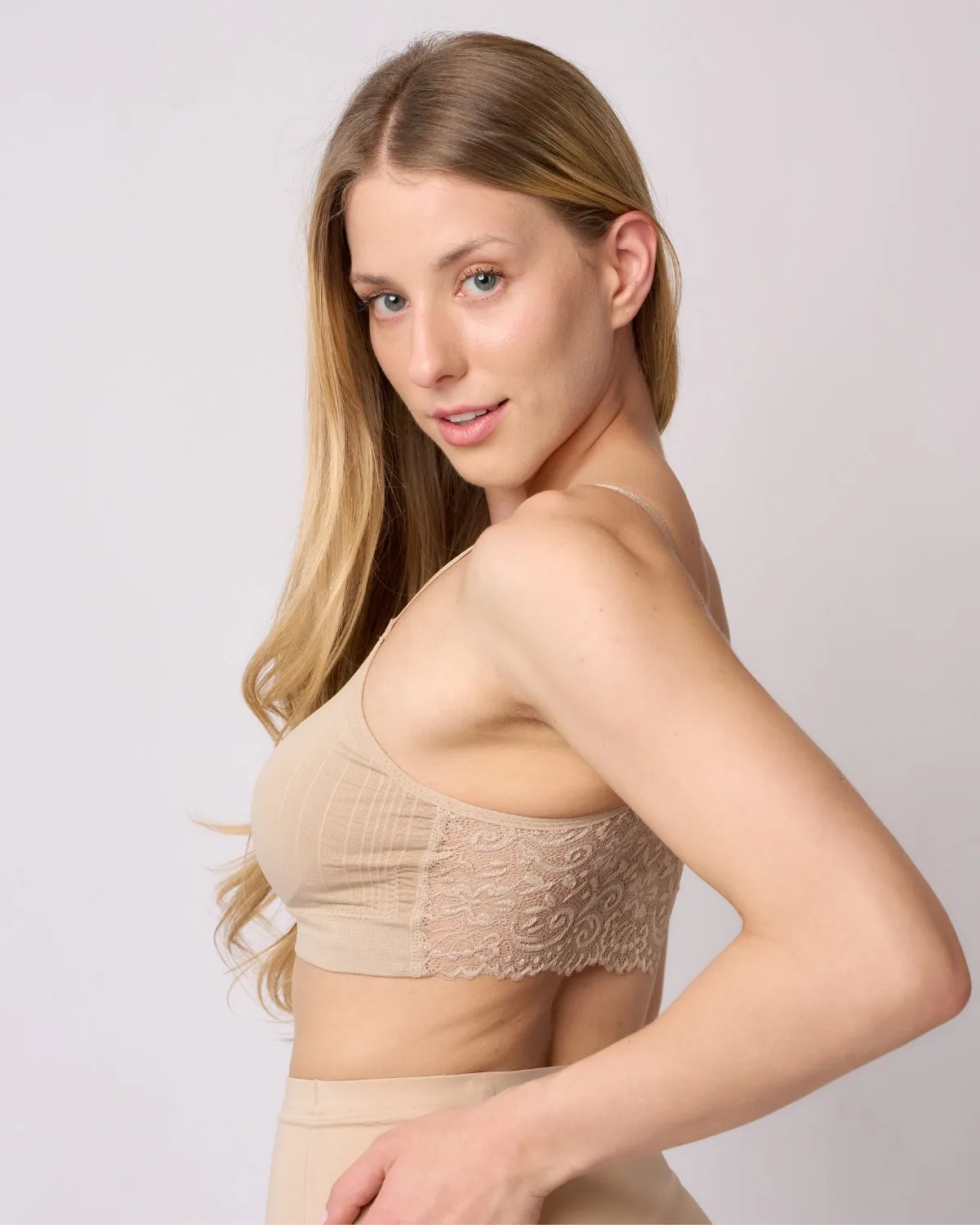
The Coobie Scoopneck T-Shirt Bra 9094 is a good cool-weather workhorse: its low neckline and thin straps sit quietly under sweaters and tanks, and the removable padding and pad pockets let you adjust shaping for heavier layers. If you want a bit of lace detail that still layers cleanly, the Coobie Lace Back Scoopneck Bra 9015 offers a wire-free, tagless feel with a smooth front.
- Checkpoint: hold the bra under your thickest sweater in daylight. If you can see ridges or hardware, it's not the right layer for that outfit.
Rotate in stages and store the off-season set clean
Don't empty one drawer into another in a single afternoon. Move the first group of pieces you're least likely to need, live with the new arrangement for a week, then move more if you haven't missed them. This staged approach prevents the classic mistake of packing away something you still reach for during an unexpected warm spell.
Before anything goes into storage, wash it according to the care label and let it dry fully. Store bras cups-up or gently nested so the cups don't crease, and keep them away from heavy stacks that can crush the band. A breathable bin or drawer divider works better than a vacuum-sealed bag for stretch fabrics.
- Common mistake: storing a damp bra, which can leave odors and weaken elastic over the off-season.
Re-check fit at each transition
Your body changes across the year with weight shifts, training cycles, and temperature-related fluctuations, so a bra that fit in spring may feel different by fall. Before a piece goes back into rotation, fasten it on the loosest hook and check that the band sits level and stays put when you raise your arms. If the band rides up or the straps dig in, adjust or retire it.
This is also the moment to check underwear fit. Waistbands that roll or dig usually mean the size or rise is wrong for your current shape, not that the piece is worn out. Replacing one or two problem pieces is cheaper and more effective than replacing the whole set.
- Checkpoint: if you need to tighten the straps all the way to get support, the band is probably too loose.
Your seasonal bra wardrobe transition checklist
- 1. Check the two-week forecast: Look at actual temperatures and your plans before moving anything. Decide how many warm- and cool-weather pieces you need within reach at the same time. Checkpoint: if the forecast is mixed, keep both groups accessible instead of packing one away.
- 2. Sort by fabric and coverage: Group moisture-wicking, mesh, and minimal-coverage pieces for warm weather; group softer, fuller-coverage pieces for cool weather. Pull out anything with stretched elastic or pilling. Common mistake: sorting by color or pattern instead of how the fabric actually performs.
- 3. Refresh the warm-weather layer: Bring breathable, wire-free bras to the front. Consider mesh-paneled styles for airflow and removable-pad styles so you can lighten coverage on the hottest days. Checkpoint: if a bra feels clammy after a normal commute, it belongs in the cool-weather group.
- 4. Move soft coverage forward for cool weather: Choose seamless, tagless bras that disappear under sweaters and knits, and test them under your thickest layer in daylight before committing. Common mistake: assuming a summer bra will layer smoothly under a heavy knit without checking.
- 5. Rotate in stages, not all at once: Move the least-needed pieces first, live with the arrangement for a week, then move more if you haven't missed them. Checkpoint: if you reached for a stored piece twice in one week, bring it back into rotation.
- 6. Wash, dry, and store the off-season set: Clean everything before storage, dry it fully, and store bras cups-up or gently nested in a breathable bin rather than a vacuum-sealed bag. Common mistake: storing a damp bra, which can cause odors and weaken elastic.
- 7. Re-check fit before each piece returns: Fasten on the loosest hook, raise your arms, and confirm the band stays level. Check underwear waistbands for rolling or digging. Next step: retire or replace the one or two pieces that no longer fit, rather than the whole drawer.
Coobie pieces that make seasonal rotation easier
- Coobie Breeze Mesh Racerback Bra 9170: Features delicate mesh panels for enhanced airflow, with a lightweight, wire-free structure and a seamless design. A strong warm-weather pick because the mesh panels target airflow where heat builds up, and the wire-free build keeps pressure off during long, hot days.
- Coobie Half Cami Low Back Bra 9151: Moisture-wicking fabric, removable foam cups with demi coverage, and a seamless, wire-free fit. Useful in humid heat or for low-back tops, and the removable cups let you dial coverage up or down as your outfits change.
- Coobie Scoopneck T-Shirt Bra 9094: Seamless, wire-free, and tagless, with a low neckline, thin shoulder straps, and removable padding with pad pockets. A good cool-weather base layer because it stays smooth under sweaters and thicker knits while letting you adjust shaping for heavier fabrics.
- Coobie Lace Back Scoopneck Bra 9015: Wire-free, tagless design with a scoopneck front and feminine lace back detail. Layers cleanly under t-shirts and sweaters in cooler months, and the lace back works with open-back styles when you want a detail rather than a plain band.
A seasonal transition works best as a gradual rotation, not a single swap day. Keep breathable pieces forward in warm weeks, soft seamless pieces forward in cool ones, and store the rest clean and uncrushed. Run the checklist twice a year, and your bras and underwear will stay comfortable, supportive, and ready for whatever the weather does next.