Every parent knows the milestone: your baby has outgrown the high chair. The tray feels too small, the seat too restrictive, and your toddler is eager to sit at the family table like everyone else. That's when a booster seat becomes the perfect next step. But knowing when to make the switch and how to do it smoothly can feel overwhelming. This guide walks you through the signs of readiness, the benefits of booster seats, and practical tips for a seamless transition.
A booster seat elevates your child to table height, allowing them to join family meals comfortably and safely. Unlike a high chair, which is a standalone unit, a booster seat typically straps onto a regular dining chair. This shift not only saves space but also encourages independence and social eating habits. In this article, we'll cover everything from age guidelines to product features, so you can choose the right booster and make mealtime a joy for your toddler.
When Is the Right Time to Switch?
Most children are ready to transition from a high chair to a booster seat between 12 and 24 months. However, every child develops at their own pace, so it's important to look for specific readiness signs rather than relying solely on age. Your toddler should be able to sit up unsupported for extended periods, have good head and neck control, and show interest in sitting at the family table. If your child is constantly trying to climb out of the high chair or seems cramped, those are strong indicators it's time for a change.
Another key factor is your child's weight and height. Booster seats usually have a minimum weight requirement of around 15–20 pounds and a maximum of 40–50 pounds. Check the manufacturer's specifications to ensure your child fits safely. For example, many parents find that a sturdy option like the Mini Toddler Bike is a great companion for active toddlers, but when it comes to mealtime, a booster seat offers the right support. The transition is also smoother if your child can follow simple instructions, such as 'sit down' or 'stay seated.'
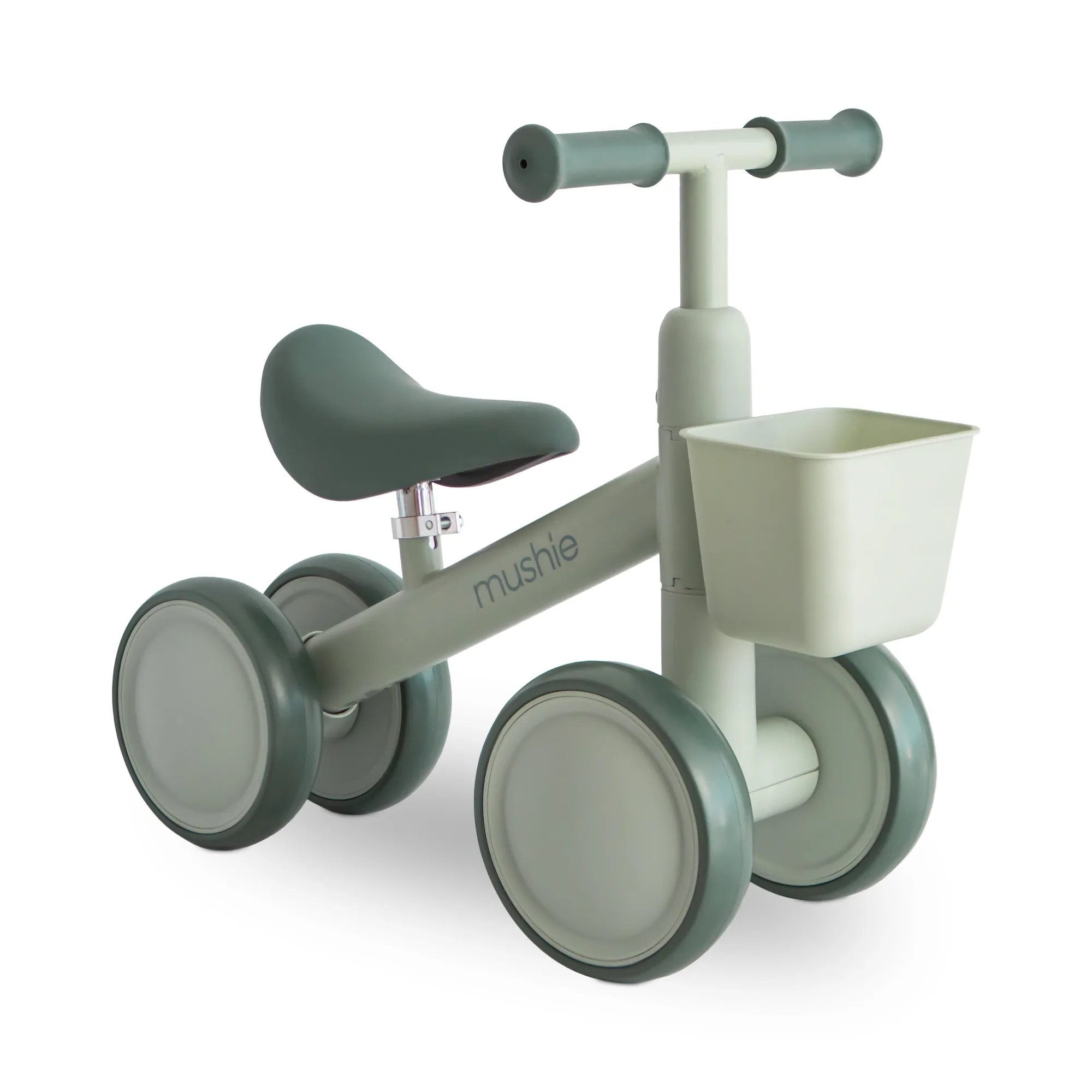
Mini Toddler Bike
- Your child can sit upright without assistance for at least 10 minutes.
- They show curiosity about the family dining table and want to participate.
- The high chair tray is no longer comfortable or your child tries to escape.
Choosing the Right Booster Seat
Booster seats come in two main types: strap-on boosters that attach to a regular chair and high-back boosters that offer more support. Strap-on models are portable and great for travel, while high-back versions provide head and neck support, which is especially useful for younger toddlers or those who tend to lean. Look for a seat with a removable, washable cover, as mealtime messes are inevitable. A non-slip base and a secure harness (usually a 3-point or 5-point system) are essential for safety.
When shopping, consider features that make your life easier. A booster with a removable tray can be handy for quick cleanups, while adjustable height settings allow the seat to grow with your child. Some boosters even convert into a toddler chair later on. For feeding essentials, you might also explore items like the Stretchy Swaddle for comfort, but for mealtime, focus on durability and ease of cleaning. Always verify that the booster meets current safety standards, such as JPMA certification.
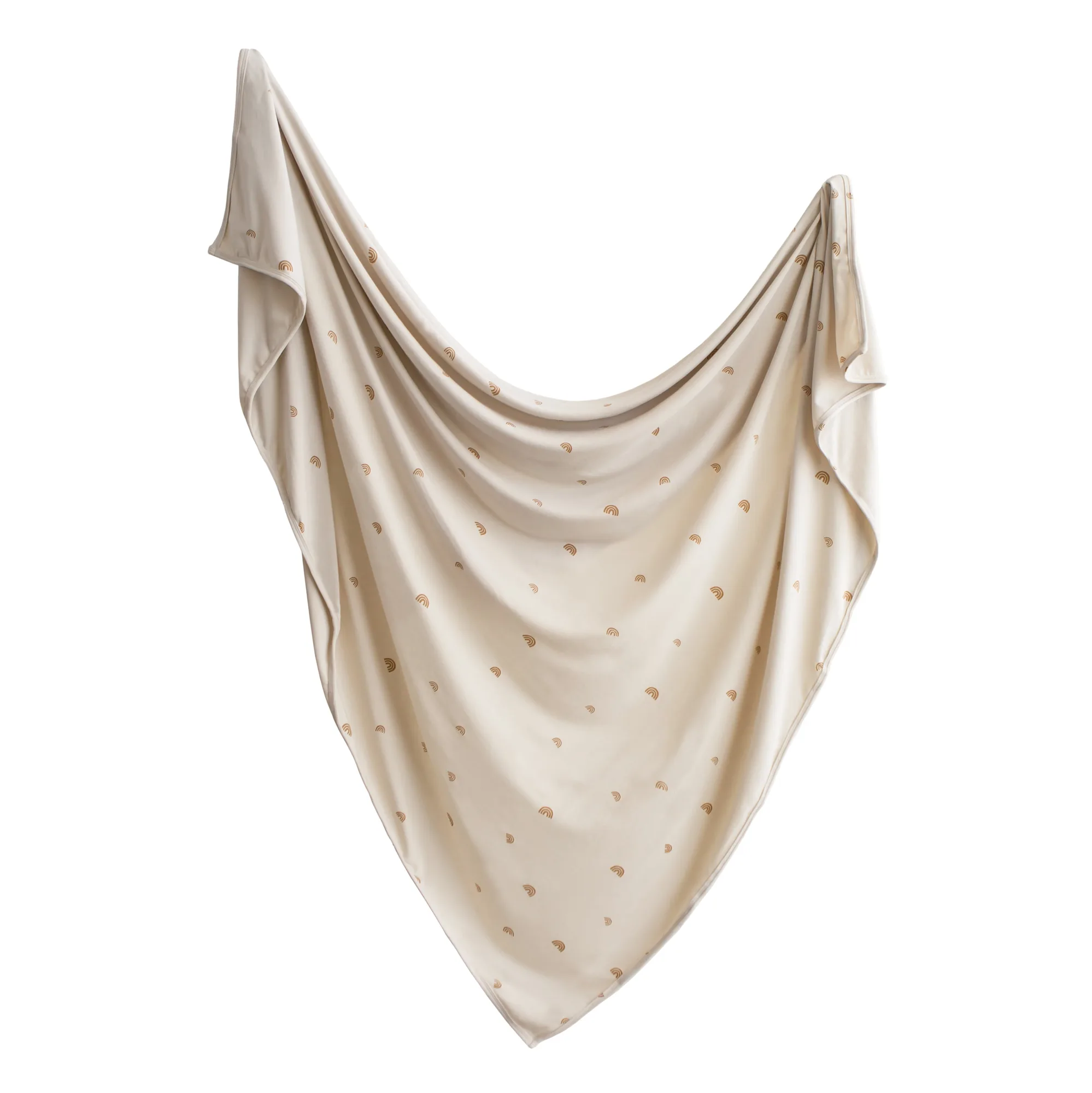
Stretchy Swaddle
- Prioritize a 5-point harness for maximum safety in younger toddlers.
- Choose a booster with a dishwasher-safe tray or cover for easy cleanup.
- Measure your dining chair to ensure the booster fits securely without wobbling.
How to Make the Transition Smooth
Start by introducing the booster seat gradually. Let your child explore it while it's on the floor, then try using it for a snack or a short meal before moving to full dinners. Keep the first few sessions brief and positive, praising your child for sitting nicely. If your toddler is reluctant, try placing the booster at the table during a family meal so they can see everyone else using chairs. This social modeling often sparks curiosity and willingness to participate.
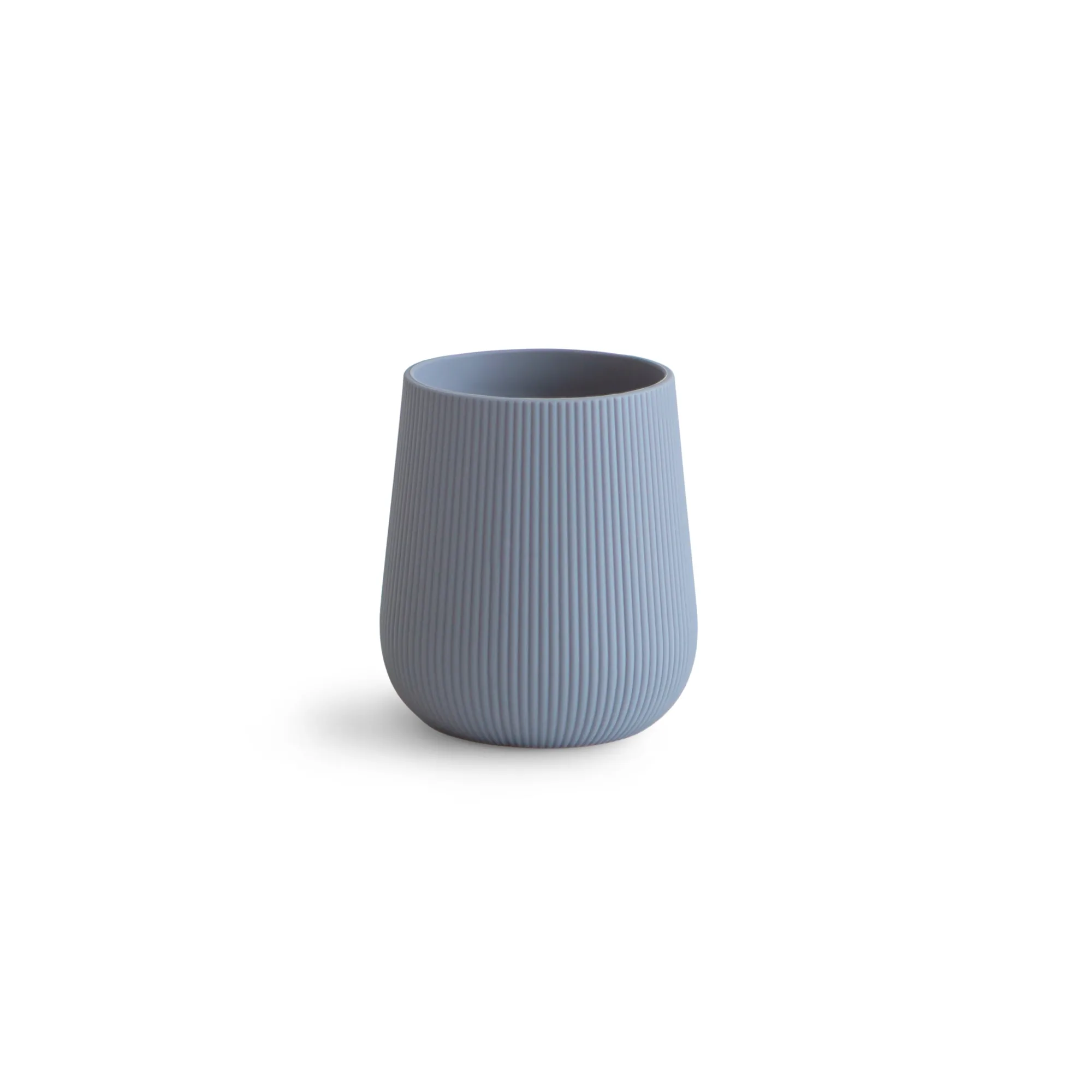
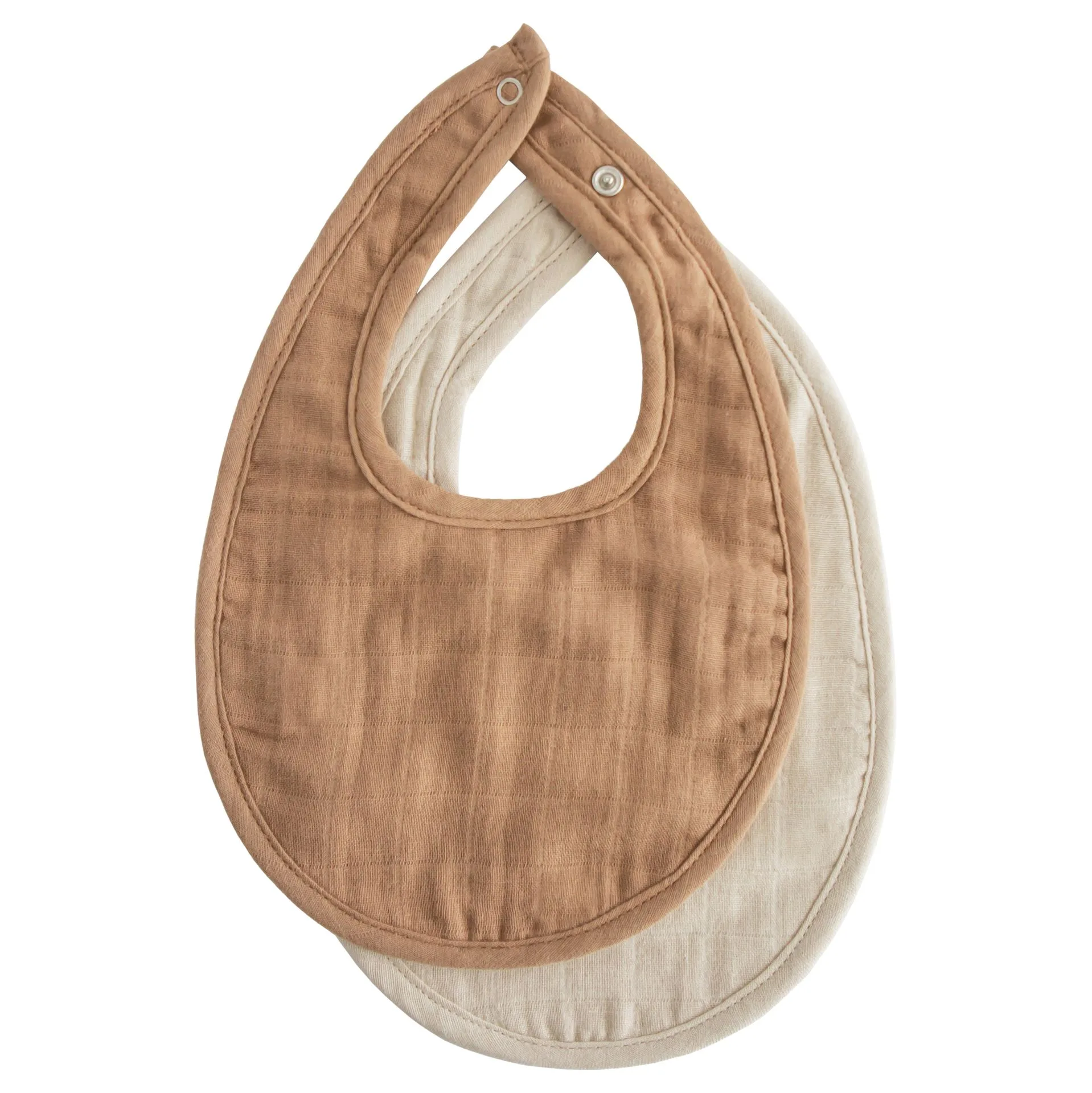
Another tip is to maintain familiar routines. Use the same bib, cup, and utensils your child loved in the high chair. A favorite item like the Silicone Baby Rattle Toy can be a fun distraction during the transition, but keep toys off the table during meals to encourage focus. Consistency is key—once you start using the booster, avoid switching back to the high chair, as this can confuse your child. With patience and encouragement, most toddlers adapt within a week or two.
- Offer a favorite snack in the booster seat to create positive associations.
- Use a footrest if the booster doesn't have one, as dangling feet can be uncomfortable.
- Stay calm if your child tries to stand or climb—gently redirect and reinforce sitting.
Safety Tips for Booster Seat Use
Safety should always come first when using a booster seat. Always secure the booster to the chair using the provided straps or clips, and never leave your child unattended while seated. Ensure the dining chair is sturdy and doesn't tip easily—avoid chairs with wheels or those that are lightweight. The booster should be placed on a flat, stable surface, and the harness should be snug but comfortable, with no more than one finger's width between the strap and your child's chest.
Additionally, check the booster regularly for wear and tear, especially if you use it daily. Cracks in the plastic, frayed straps, or loose buckles are signs it's time for a replacement. Keep the booster away from heat sources and direct sunlight, which can degrade materials. For added peace of mind, consider pairing the booster with a safe feeding setup, such as using the Whale Bath Stackers for bath time fun, but keep mealtime focused on safety and bonding.
- Never place a booster seat on a bench, stool, or unstable surface.
- Inspect the harness and straps before each use for signs of damage.
- Ensure your child's feet can rest flat on a footrest or the chair's rungs.
Common Challenges and How to Overcome Them
Some toddlers resist the booster seat because it feels different from the high chair. They may try to slide out, refuse to sit, or throw food. To address this, stay calm and consistent. Use a firm but gentle voice to reinforce rules, and offer small rewards like a sticker or extra playtime for good behavior. If your child is uncomfortable, check that the booster isn't too hot or cold, and consider adding a soft cushion if the seat feels hard.
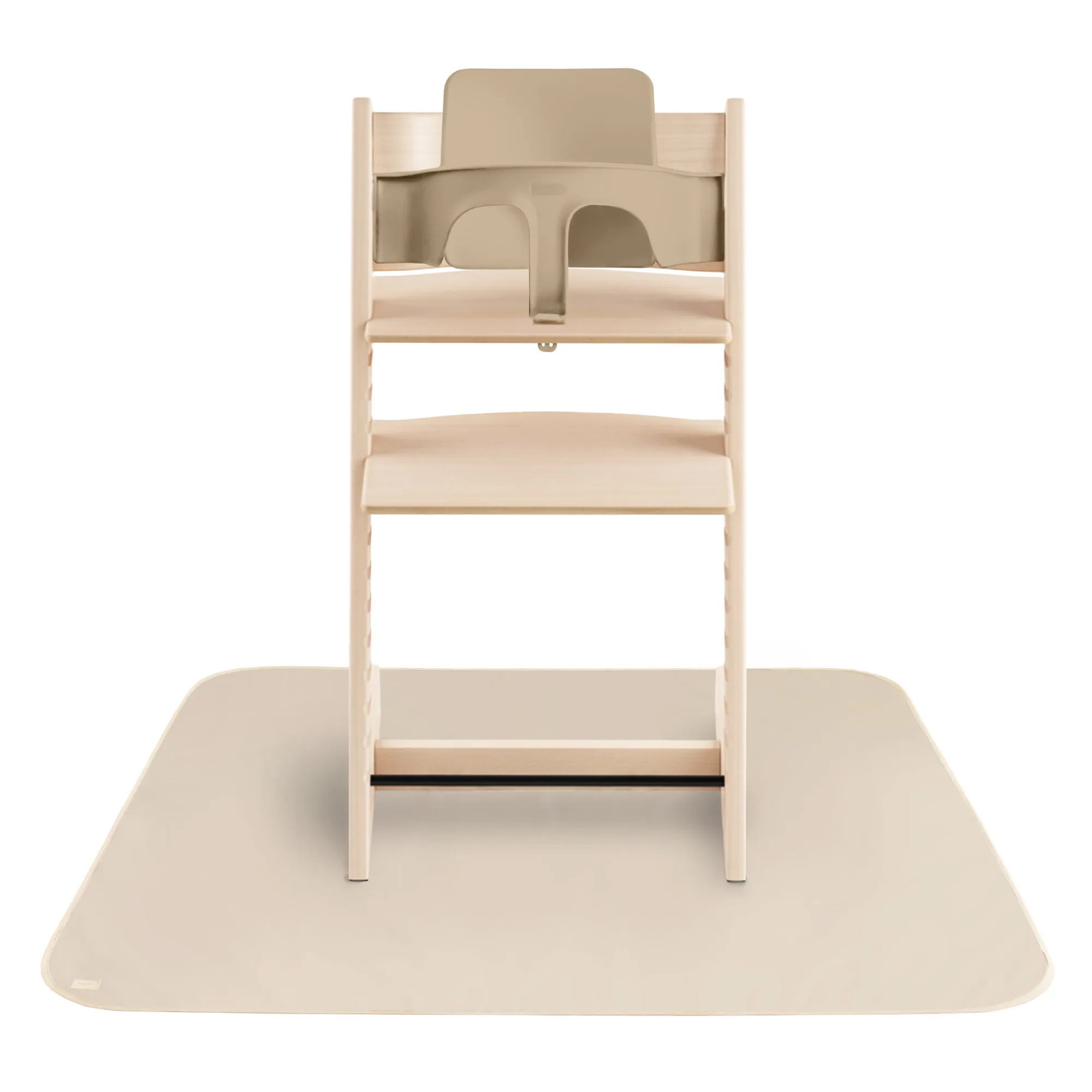
Another challenge is mealtime messes. Booster seats often sit directly on dining chairs, so food can fall into crevices. Use a splat mat under the chair to catch spills, and wipe down the booster after each meal. For easy cleanup, choose a booster with smooth, non-porous surfaces. If your toddler is still learning to use utensils, practice with safe, easy-to-hold options. The Moon Lovey Blanket can provide comfort after meals, but during eating, keep distractions minimal to encourage focus.
- If your child refuses to sit, try a 5-minute timer and gradually increase duration.
- Use a booster with a removable tray to simplify cleanup and reduce frustration.
- Involve your child in choosing the booster seat's color or pattern to build excitement.
Transitioning from a high chair to a booster seat is a big step for both you and your toddler. With the right timing, a safe product, and a little patience, this change can make family meals more enjoyable and help your child develop independence. Remember to look for signs of readiness, choose a booster that fits your lifestyle, and maintain a positive attitude throughout the process. For a comfortable and cuddly way to wind down after mealtime, consider the Moon Lovey Blanket—a soft companion your toddler will love.